Our Location
1250 Beacon Street
Brookline, MA 02446
Struggling with a washer not draining water? Learn how to fix a clogged filter, pump, and hose to get your laundry routine back on track.
A surprising 70% of washing machine problems come from clogged filters or hoses. This issue leaves water and suds in the tub, messing up laundry day.
Is your washer not draining? This guide helps homeowners fix it. We cover fixes for machines by Whirlpool, LG, Samsung, Maytag, and GE, suitable for the U.S.
You might see standing water or error codes like LE or E5. These signs usually mean trouble with the filter, pump, or hose, not the electronics.
We aim to show you how to find the problem, get your tools ready, and clear blockages in the filter and hose. We’ll show how to check the pump by hand and when to ask for a pro’s help if it’s something serious.
We’ll go over how to spot and fix a clogged washer drain. Also, how to handle washers that don’t spin water out, troubleshoot blockages, and prevent future clogs. This means fewer times your washer doesn’t drain completely.
When a washing machine doesn’t drain, the problem could be from various sources. It’s important to pinpoint the exact cause. This approach saves both time and money. Begin with easy checks and then move to more complex parts.
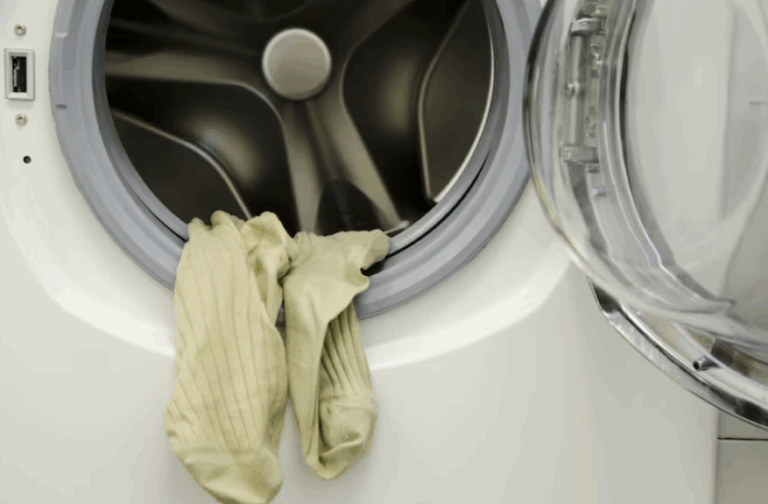
Things like lint, forgotten socks, soap scum, coins, or hairpins can clog the drain hose. These create blockages that limit or completely stop the water flow. A clog in the washer’s internal pipe holds water inside. Conversely, a blocked external standpipe or a sewer issue can show similar signs.
Blockages in the hose between the tub and the pump are common. They usually result in water left after spinning. When the issue is external, water may return into the tub or leak on the floor. Cleaning or replacing the hose can solve this if the clog is within it.
Drain pumps can wear out with use. Problems like damaged blades, stuck motors, or electrical issues stop the water from moving. A jammed pump may make grinding sounds or be silent, indicating it’s not working. Brands such as Whirlpool, LG, and Samsung make durable pumps. However, misuse or debris can reduce their lifespan.
Signs of mechanical wear include loose impellers and unusual noises during spinning. You might need a multimeter to check for electrical issues. If the pump makes noise, doesn’t move, or keeps failing, it might be time to replace it.
Many washers, especially front-loaders, have lint traps or filters for coins. These filters catch debris, preventing it from harming the pump. Ignoring these filters can lead to a clogged washer drain or incomplete draining.
Filters are usually behind a small panel on the front, under a kick plate, or inside the agitator on top-loaders. Cleaning the filter regularly helps maintain steady water flow and reduces pressure on the pump.
A full filter makes the pump work harder. A bent or slightly clogged hose creates extra pressure. Both situations can cause the washer to stop or not drain fully. Fixing just one part might mean overlooking other still-good components.
Finding the real issue step by step avoids unneeded repairs. Start with the filter and hose. If the problem stays, check the pump. This way, you’ll know if it’s about a blocked pipe, clogged drain, or why it won’t drain properly.
Before you check the washer, look for signs of a drainage issue. Small clues can tell you if it’s a simple clog or something more serious. These checks focus on what you see, how long it takes, and the odors you notice.
First signs often include water left after a cycle, damp clothes, slow draining, and leaks from the bottom. A musty smell means water is trapped inside. Debris in the filter or hose shows there’s a clog.
When the washer stops at the same spot every time, it’s likely detecting a drain problem. Sometimes the machine drains, sometimes it doesn’t, hinting at a semi-blocked line or dying pump. Often, different error codes hint that the washer can’t drain properly.
Water left in the drum and heavier than normal clothes suggest a problem. Slow drainage might mean something is blocking the hose or filter. Water stuck in the tub can get moldy, creating a musty smell. If your washer struggles to spin out water frequently, it’s something to watch.
Leaks and visible gunk in the filter area are clues. A washer that doesn’t drain and shows repeated error codes guides you. It suggests the issue could be a twisted hose, a clogged filter, or a pump failure.
Noises can tell you a lot about the pump’s condition. Grinding or rattling sounds during a drain likely mean something’s in the pump. A humming sound without water flowing might mean the motor is stuck. And gurgling sounds can suggest a blocked hose or venting problem.
Hearing odd noises followed by stops in the cycle needs attention. If the machine hums but doesn’t drain, the pump might be struggling. Before opening the washer, check your home’s drains and where the hose sits.
| Observation | Likely Cause | Quick Check |
|---|---|---|
| Standing water after cycle | Clogged filter, blocked hose | Inspect filter housing and hose end for debris |
| Clothes soggy after spin | Pump failure, partial clog | Run drain-only cycle and listen for pump sound |
| Humming with no water flow | Impeller jammed or broken | Power off and check pump for foreign objects |
| Grinding or rattling during drain | Foreign object in pump | Remove filter and inspect pump area |
| Gurgling from hose or standpipe | Partial blockage or venting issue | Check household drain and hose routing |
| Musty odor near washer | Trapped water, mold in filter/tub | Smell test and inspect filter for buildup |
Before you tackle a clogged washer, make sure you have the right tools and safety equipment. A handy small kit saves you time and makes the job less stressful. This is especially true when dealing with a clogged washer drain or a blocked washer pipe.
Begin with a basic toolkit that’s good for most situations. Keeping your tools organized helps you work fast and keep things clean.
These tools help with most clogged washer problems. The optional items are for deeper checks and minor fixes.
Always unplug the washer and turn off the water before you work on it or test the pump. Use a multimeter only when you’re ready, following the maker’s steps for safe testing. If you’re unsure about electrical checks, skip them. Instead, see the advice on when to call a pro.
Bring a container for debris and a trash bag for things like lint and coins from the drain. Throw solids away in the garbage. After you’re done, clean surfaces to stop odors and bacteria from spreading.
A clogged filter often leads to a washer that won’t drain. This guide helps you find and clean filters in Bosch, LG, Samsung, and Whirlpool washers. Follow these steps to fix a washer not draining water properly.
Front-load washers typically have a front panel at the bottom. Brands like Bosch, LG, and Samsung often use a round coin filter behind this panel. Whirlpool top-loaders might have a lint screen near the agitator or tub rim.
Step 1 — prepare: First, unplug the washer and turn off the water. Put towels down and a shallow pan or bucket below the filter area to catch water. Have a larger bucket handy for more water.
Step 2 — open the panel: Unscrew and remove the panel. Find the filter and any small emergency drain hose. Open the hose to let water drain into your pan. Then, turn the main filter knob slowly to release more water before you unscrew it fully.
Step 3 — remove debris: Take out lint, coins, hair ties, and soap scum. Use gloves for safety and a soft brush. If the filter is damaged, like cracks or warping, replace it to prevent leaks.
Step 4 — clean filter: Rinse the filter with running water. Scrub off buildup with an old toothbrush and mild detergent or vinegar. For tough buildup, soak the filter in warm water and vinegar for 15–30 minutes, then scrub and rinse.
Step 5 — reinstall correctly: Check the gasket and seal for dirt and place them back properly. Screw the filter in tight to avoid leaks. Put the panel back and screw it in. Test with a short drain/spin cycle to make sure the issue is fixed.
Troubleshooting tip: if your washer still won’t drain after cleaning, check the drain hose and pump. Keep a note of any foreign objects you find; it helps technicians understand what caused the blockage.
First, make sure the washer is off and move it from the wall. This lets you see the drain hose from the washer to the sink or standpipe. It’s important for the hose to loop up between 30 and 96 inches above the ground before going into the standpipe. If it’s not high enough or dips into the water, it might start siphoning, which stops the water from draining properly.
Look closely along the hose for any sharp bends or flat spots. If the hose is bent or squashed, it might slow down or stop the water from draining. This can lead to a total clog over time.
Take off the hose clamps and remove the hose. Check inside it with a flashlight for any blockages. Test if water can flow through by running some into a bucket. If the water flows well, the blockage might be in the standpipe or where the hose connects, not in the hose itself.
If the water doesn’t flow freely through the hose, try cleaning it with a brush, a plumber’s snake, or a vacuum that can handle water. Sometimes, gently pushing a plumber’s snake from the end connected to the washer frees up soap scum, lint, and small items blocking the hose.
When putting the hose back, make sure it fits tightly on the washer and into the standpipe or tub. Use rust-resistant clamps to keep it in place and prevent leaks, especially when the washer spins.
You should also replace any hoses that are cracked or old. Choosing hoses that are strong and sturdy can help reduce clogs and last longer. Make sure the standpipe height matches what’s recommended in your washer’s manual to stop siphoning issues, which can prevent your washer from draining or cause blockages.
If you’ve tried everything and still have issues, the problem might be with your home’s plumbing. A clogged drain in your laundry room can cause water to back up into your washer. Clearing any blockages in these external drains can help fix drainage problems and stop water from backing up.
Before you start, unplug the washer and switch off the water supply. If working near electrical parts makes you uneasy, it’s best to contact a technician. Testing the drain pump helps figure out if a simple fix will do or if parts need replacing when your washer won’t drain.
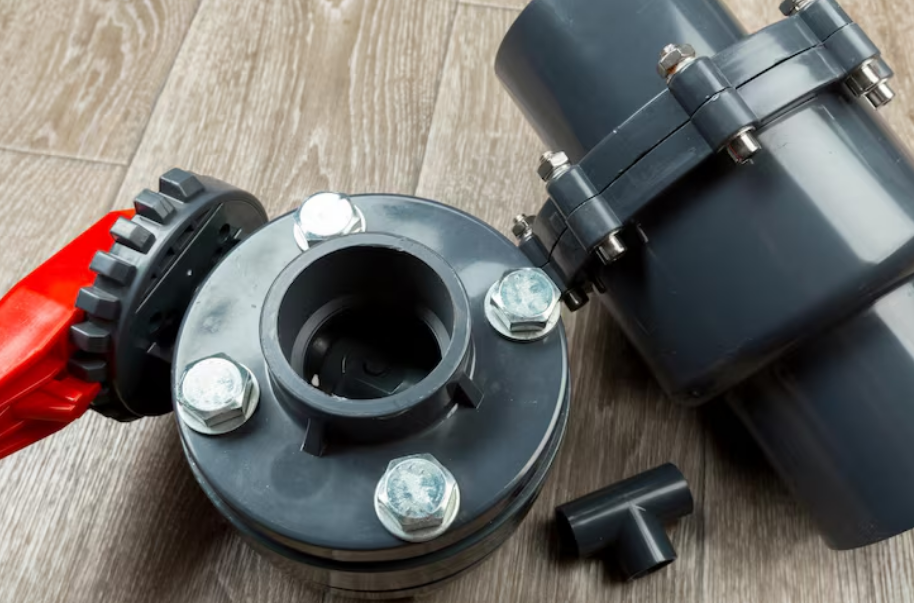
First, do a visual inspection. Take off the kick plate or access panel as directed by the maker. Search for things like coins, lint, or fabric blocking the impeller. If the impeller gets stuck, your washer might stop spinning water out or not drain at all.
1. Look for the pump at your washer’s bottom, behind the access panel.
2. Check the impeller for broken parts or stuff wrapped around it.
3. Gently turn the impeller with your hand. It should move easily. If not, you might need a new pump.
4. You can remove any visible debris, then put everything back and try a short drain cycle. Listen for any unusual sounds.
A humming or buzzing sound with no water movement may mean the impeller is jammed or the motor has failed. If there’s no noise during a drain command, it could be an electrical issue or a power loss.
Grinding or rattling noises could indicate broken impeller blades or objects inside the housing. Frequent error messages related to draining or the motor may show the pump is going bad.
For electrical checks, grab a multimeter. Look up the expected resistance values in guides from brands like Whirlpool, LG, or Samsung. If there’s voltage but no continuity when draining, the motor is bad. Be ready with your model number when you go to order a replacement. If the pump is part of a bigger module or has corroded connectors, it’s safer to let a professional handle the replacement.
Keeping your washer free-flowing saves time and money. Small habits and checks can prevent clogs. They stop your laundry machine from having issues with water.
Routine maintenance practices
Clean the filter every 1–3 months, depending on your laundry frequency. Run an empty cycle with hot water and two cups of white vinegar or a cleaner each month. This will break down soap residue. Then, do a hot rinse to clean out any leftovers.
Periodically, clean the drain hose inlet to remove lint and debris. Replace rubber hoses and clamps every five years, or sooner if they crack. Durable reinforced hoses are a good choice. Keep the standpipe area clear and ensure the household plumbing works well. Older pipes should get checked by a plumber to avoid backups, which can seem like your washer isn’t draining.
Best practices for loading clothes
Always check pockets before washing. Things like coins and keys can clog your washer. For small items like socks and lingerie, use mesh bags to prevent them from blocking the pump and hose.
Don’t overload the washer. Too much laundry stops proper spinning and leaves clothes wet. Follow the detergent amount suggested by the machine’s maker. This avoids too many suds that can block filters and hoses.
Wash big, absorbent items like rugs and blankets in smaller batches. That way, your washer can dry them better. Think about using lint-catchers for the drain hose. Teach everyone at home the right way to do laundry. This helps keep objects out and reduces issues.
If DIY steps don’t work or you find electrical problems, leaks, or odd smells, stop. Ask for an expert’s help. Simple tasks like unclogging a washer pipe or checking a filter are easy to do. But, for big issues like replacing a pump or motor, dealing with constant errors, or fixing water damage, you need a pro.
Burning smells, smoke, or the electricity tripping because of the washer are dangerous. You should call a professional immediately. If you’ve tried fixing a clog but the washer still has problems, it might have bigger electrical or mechanical issues. When the machine doesn’t drain, even with a clean filter and hose, it’s probably time to replace the pump or other parts.
Seeing big leaks, mold, or water stains suggests water damage. If there’s a sewer smell or many drains are slow, the issue could be with your home’s plumbing, not just the appliance.
Make sure the technician is licensed, insured, and comes with good references. They should know how to fix washers from brands like Whirlpool, LG, Samsung, Maytag, or GE.
Expect to pay a diagnostic fee plus the cost for parts and labor for a pump replacement. Prices can change depending on where you live and your appliance’s model, so always ask for details. Hire an appliance technician for mechanical or electrical issues, and a licensed plumber if your problem involves multiple fixtures or a sewer backup.
Keeping small problems from getting bigger is key. Make sure to clean the filter regularly, check the drain hose, and do a cleaning cycle every month. This helps prevent lint and detergent from building up.
If your washer is not draining or spinning, start by figuring out the issue. Look at the filter, inspect the hose, and then check the pump.
Clearing a clog might be doable on your own with some simple tools and patience. Remember to unplug the machine and turn off the water first. It’s also a good idea to look at your washer’s manual for specific instructions. If you’ve done all this and your washer still won’t drain, or if you run into any electrical or complex problems, it’s best to call a professional.
Keep the model number and parts information for your appliance handy. Also, keep track of when you do maintenance. Dealing with minor issues quickly can save you time and money. It also makes laundry day easier. Feel good about handling easy fixes yourself, but don’t hesitate to get expert help for bigger repair jobs.