Our Location
1250 Beacon Street
Brookline, MA 02446
Discover effective Fridge organization tips to maximize storage and keep your food fresh. Learn how to organize your fridge for a healthier kitchen.
Did you know the average American household throws away nearly $1,500 worth of food each year? A lot of that waste happens simply because items get lost or forgotten in the back of the refrigerator.
Keeping your food fresh and your kitchen running smoothly can feel like a constant battle. In a busy home, with people grabbing snacks and meals all day, chaos can take over quickly. This isn’t just about how things look.
A well-planned organization system directly impacts your health, your time, and your wallet. It helps you see what you have, use items before they spoil, and shop smarter.
This guide will show you a simple, step-by-step method. You will learn how to transform your appliance into an efficient space. We cover everything from a deep clean to easy daily habits that anyone can follow.
When multiple family members share one appliance, maintaining order becomes a constant battle against clutter and waste. The daily opening and closing of doors creates chaos that impacts your entire household.
A well-structured cooling system saves you valuable time during meal preparation. You can quickly locate ingredients without digging through shelves. This efficiency reduces stress and makes cooking more enjoyable.
Financial savings become apparent when you stop buying duplicates. Seeing everything at a glance prevents forgotten items from spoiling. Your grocery budget stretches further when food lasts longer.
Deep shelves often hide containers until they expire. Mystery leftovers get pushed to the back, forgotten by everyone. Different storage habits among household members create constant disorder.
Produce drawers become burial grounds for wilted vegetables. Condiment bottles multiply, taking over prime real estate. These issues lead to significant food waste over time.
| Aspect | Organized System | Disorganized Chaos |
|---|---|---|
| Food Visibility | Everything visible at once | Items hidden behind others |
| Time Spent Searching | Less than 30 seconds | Several minutes daily |
| Food Waste Monthly | Minimal spoilage | Significant loss |
| Stress Level | Low frustration | High anxiety |
Establishing clear zones helps overcome these obstacles. The entire family can participate in maintaining the system. This approach transforms daily kitchen life for the better.
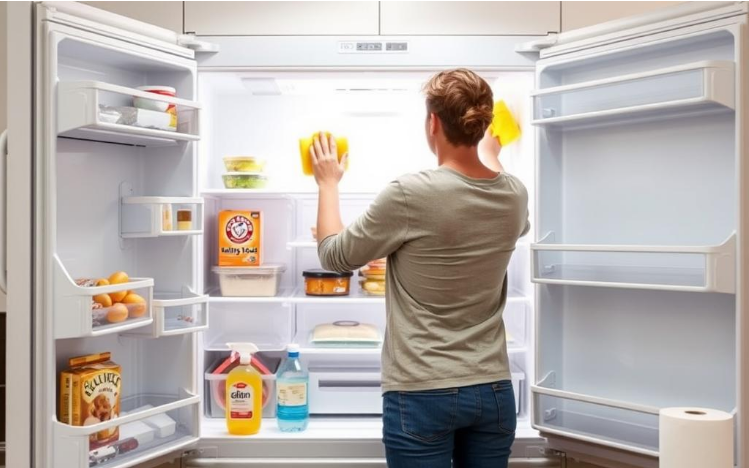
Transforming your food storage area starts with removing every single item for a comprehensive cleaning session. This blank slate approach lets you see the entire space clearly.
Empty all contents completely. Keep a trash bag nearby to discard expired food immediately. This saves time and prevents clutter.
Wipe down each shelf and drawer with a mild cleaning solution. Pay special attention to sticky spots and door compartments. Clean from top to bottom systematically.
Removable components can often be washed in the sink. For fixed parts, use a damp cloth with baking soda for tough stains. Dry everything thoroughly before returning items.
Quickly address spills when they happen. This prevents stains from setting and maintains cleanliness. A simple wipe takes seconds.
Before grocery shopping, do a quick scan. Check what you already have to avoid duplicates. This smart approach helps you store new purchases efficiently.
Regular spot checks keep your appliance organized. They reduce the need for frequent deep cleans. Consistent care makes maintenance effortless over time.
Imagine opening your refrigerator and instantly finding exactly what you need without searching through clutter. This level of efficiency comes from intentional design rather than random placement.
A well-planned system creates visual clarity that benefits everyone in your home. Family members can quickly locate snacks or ingredients without frustration. This approach functions like a retail store layout.
Logical groupings and consistent placement reduce decision fatigue. Designated zones eliminate the frustrating search for items. They also prevent the “I thought we had that” scenario at the grocery store.
Proper structure maximizes available space by utilizing vertical storage opportunities. Investing time upfront creates daily convenience. The system becomes sustainable for long-term use.
| Aspect | Structured System | Random Placement |
|---|---|---|
| Item Location Time | Under 10 seconds | 1-2 minutes |
| Family Participation | Easy for all ages | Confusing for children |
| Space Utilization | Maximum efficiency | Wasted gaps |
| System Sustainability | Maintains itself | Quickly deteriorates |
Transforming your cooling appliance into an efficient space requires thoughtful planning. The right way to organize creates a system that even children can follow. This approach makes meal preparation smoother for the entire household.
Think of your refrigerator as having distinct neighborhoods where each food type belongs. This approach creates a logical system that everyone in your household can follow.
Dairy products like cheese, milk, and yogurt thrive in consistent conditions. Store them together in a designated drawer or shelf. The coldest area near the freezer works best for temperature-sensitive items.
Group all condiments on the door shelves for easy access. This keeps them visible and prevents bottle clutter. Snacks belong in clear containers on an eye-level shelf.
Instead of hiding fruits and veggies in opaque drawers, use clear bins on visible shelves. This prevents forgotten produce. Designate a specific zone for leftovers at the front.
Create a system where each category has a permanent home. Your cooling appliance becomes more efficient when items have consistent placement. This method reduces search time and food waste significantly.
The secret to maintaining an orderly refrigerator lies in transparent storage solutions that reveal everything at a glance. These containers eliminate the mystery of what’s hiding behind other items, transforming your food management system.
Clear containers provide instant visual access to your entire inventory. You can quickly identify contents without opening multiple bins or moving things around. This visibility prevents forgotten items from spoiling unnoticed.
Transferring food from bulky manufacturer packaging into streamlined containers creates significant space savings. Stackable designs maximize vertical storage potential in your fridge. Open bins with handles make removal effortless during meal preparation.
Group related items together using clear storage solutions. Create dedicated zones for breakfast foods, snacks, or meal prep ingredients. This systematic approach helps everyone in the household locate what they need quickly.
Transparent storage creates accountability for all family members. When contents are visible, it’s obvious what’s available and where things belong. This system reduces food waste and maintains order consistently.
Vertical storage is the key to unlocking hidden capacity in your food preservation system. Most cooling appliances have more usable area than people realize when they think in layers rather than flat surfaces.
Stackable solutions create organized tiers within your existing setup. This approach transforms wasted vertical space into functional storage zones.
Built-in drawers often become chaotic jumbles of small items. Inserting dividers creates distinct compartments for different categories.
Stackable bins add extra layers within each drawer. They prevent smaller things from getting lost at the bottom. Removable dividers let you customize the layout as your needs change.
Adjustable shelves offer flexibility for tall containers. Move one shelf higher to accommodate milk jugs or pitchers.
The space above shorter items becomes usable with stackable bins. Create additional drawer-like units on existing shelves. This maximizes every inch without requiring a larger appliance.
Place daily-use things at eye level for quick access. Less frequently needed items can go on top or bottom shelves.
Group related products together, like breakfast foods or snacks. This creates efficient workflow zones that everyone can follow. Small organizational tools transform cluttered areas into streamlined systems.
Simple tools can transform your food storage into an efficient system that works for your entire household. These clever additions make accessing items effortless while maintaining order.
Turntables bring items from the back to the front with a simple spin. They work perfectly for condiments, jars, and grab-and-go snacks that typically get lost. This eliminates the need to remove multiple containers when searching for specific things.
Spring-loaded beverage dispensers create a vending-machine experience in your cooling appliance. They clip onto shelves and automatically advance the next drink forward. This prevents spills and keeps your system intact.
These tools stop the domino effect of items falling over when someone removes something. Your family can easily access what they need without disrupting the entire arrangement. The convenience encourages everyone to maintain the system properly.
Affordable solutions deliver professional results without custom systems. Simple additions like stackable bins and dividers maximize space efficiently. They transform cluttered areas into streamlined zones.
Small investments in clever tools dramatically improve daily usability. Your home benefits from reduced frustration and better food management. These innovations make proper storage more convenient than random placement.
The freezer shouldn’t be a black hole where meals disappear forever – it can become your most valuable meal planning tool. Proper storage systems ensure your leftovers and frozen food stay organized and accessible.
Designate a specific shelf or clear containers just for leftovers. Place this zone at eye level where everyone can see what needs eating. Label containers with dates to track freshness.
This approach prevents forgotten meals from getting pushed to the back. Your family will know exactly where to find prepared food. Meal prep becomes more efficient with this system.
Use wire file sorters to store frozen meals upright instead of stacked. This prevents the avalanche effect when you open the freezer. Everything stays visible and accessible.
For chest freezers, place divided bins on top drawers. Categorize items by type for easy finding. This way you avoid digging through piles.
| Storage Aspect | Organized Freezer | Chaotic Freezer |
|---|---|---|
| Item Accessibility | Instant visibility | Buried items |
| Food Waste | Minimal loss | Forgotten meals |
| Meal Prep Efficiency | Quick assembly | Time-consuming search |
| Space Utilization | Maximum capacity | Wasted areas |
These simple strategies transform your freezer into an efficient storage system. Divided bins and proper orientation make every item easy to locate. Your food stays organized and reduces waste significantly.
The narrow compartments of side-by-side models present both challenges and opportunities for efficient storage. These refrigerators have distinctive layouts that require thoughtful approaches.
Their vertical split design means each section is deeper but narrower than traditional models. This affects how you store items and access them daily.
Built-in drawers in side-by-side refrigerators work well with removable dividers. These create custom compartments for different food types.
Pantry-width bins fit perfectly in the narrower space. They prevent items from getting lost in the back. Stackable designs add extra layers of storage.
Specialized tools like egg holders maximize efficiency in tight compartments. They protect delicate items while saving valuable shelf area.
The freezer section benefits from vertical storage solutions. Use file sorters to keep frozen meals upright and visible.
Divided bins with lids create organized zones within the freezer. This prevents the avalanche effect when searching for items.
Supplemental drawer units can be stacked to add functionality. They transform chaotic freezer areas into systematic storage systems.
Your newly organized cooling appliance requires simple weekly habits to maintain its efficiency and prevent food waste. Consistent maintenance prevents the chaos from returning and keeps your system functioning smoothly.
Small routines performed regularly save significant time compared to major reorganizations. They ensure your food stays visible and accessible throughout the week.

Set aside five minutes each week for a quick inspection. Remove any spoiled items and wipe up recent spills during this brief session.
Straighten bins and check what needs immediate use. This proactive approach significantly reduces waste by catching items before they expire.
Schedule this routine before your grocery store trip. You’ll know exactly what requires replacement, preventing duplicate purchases.
When adding new groceries, practice the “first-in, first-out” method. Move older products forward and place new purchases behind them.
Check expiration dates before buying multiples of perishable items. Be realistic about what your household will actually consume during the week.
These simple habits transform restocking into an efficient process. They ensure nothing gets forgotten in the back, saving money and reducing waste over time.
A well-structured food storage system brings daily benefits that extend far beyond just neat shelves. Your fridge should adapt to your life, whether that means accommodating holiday pies or busy weeknight leftovers.
Even small changes yield noticeable improvements. When kids can find their snacks and you quickly spot ingredients for meal prep, your entire family benefits. Fresh produce, cheese, and milk stay visible and last longer.
Start with one strategy that fits your home. Add clear bins or create a designated zone. This approach saves time and reduces food waste while making kitchen organization sustainable.
The investment pays dividends through reduced stress and more enjoyable meal times. Your fridge becomes a functional space that supports your household’s needs in a practical way.
Place ready-to-eat foods like yogurt and cheese on the top shelf. Store milk, eggs, and other dairy on the middle shelves where the temperature is most consistent. Keep raw meat and seafood on the bottom shelf to prevent drips from contaminating other food.
Most units have drawers with humidity controls. Use the high-humidity setting for leafy greens and veggies like carrots to keep them crisp. The low-humidity setting is better for fruits. Always wash and prep produce before storing it to save time later.
Clear bins and stackable containers are excellent for grouping similar items, making everything easy to see. Turntables are great for condiment jars in the door. Using dividers in drawers can separate different types of produce and prevent bruising.
Implement a “first in, first out” system. Place newer groceries behind older ones. Designate a specific area or bin for leftovers at the front, so your family remembers to eat them. A weekly check helps you use items before they spoil.
Create a dedicated beverage zone on a lower shelf or in the door for easy access, especially for kids. Use a clear bin to corral snack items like cheese sticks and yogurt cups. This keeps things tidy and helps everyone find what they need quickly.
Leverage the built-in drawers for specific categories like deli meats or cheeses. Use narrow, tall containers to maximize the deep shelves. In the freezer compartment, use bins to separate frozen fruits, vegetables, and prepared meals for better visibility.