Our Location
1250 Beacon Street
Brookline, MA 02446
Discover simple Laundry energy-saving tips to reduce your utility bills and environmental impact. Learn how to make your laundry routine more eco-friendly today.
Did you know the average American household does nearly 300 loads of laundry each year? This daily habit consumes a massive amount of power and water, directly impacting your home utility bills.
This guide shows you a smarter way to wash clothes. You will find practical tips that boost efficiency without compromising on clean results. Simple changes can lead to powerful outcomes.
The benefits are twofold. You can save a significant amount of money every month. You also make a positive choice for the planet by lowering your energy consumption and environmental footprint.
We cover everything from quick daily adjustments to long-term appliance strategies. Our advice ranges from basic steps, like selecting the right water temperature, to advanced methods. Even adopting a few of these strategies will make a noticeable difference.
Modern appliance usage represents one of the largest contributors to household energy consumption. Energy efficiency means achieving the same cleaning results while using fewer resources. This approach focuses on optimizing how your machines operate.
In practical terms, energy efficiency delivers clean clothes with less electricity and water. It’s not about compromising results but improving how resources are used. The goal is better performance with reduced waste.
Most energy use comes from heating water and running machine components. These areas offer the greatest potential for improvement. Focusing here can significantly impact your overall consumption.
Lowering energy consumption brings important environmental advantages. It reduces carbon emissions and decreases strain on power grids. Water conservation becomes an additional benefit for many regions.
Financially, efficient practices directly lower monthly electricity and water bills. These savings accumulate substantially over time. Understanding these principles helps homeowners make smarter choices.
Small adjustments to your routine represent effective ways to improve household efficiency. This approach combines proper techniques with mindful habits. The result is measurable savings on utility expenses while supporting environmental goals.
Optimizing your washing machine’s settings offers substantial opportunities for reducing utility costs. Simple adjustments to temperature and load management can dramatically impact your resource consumption.
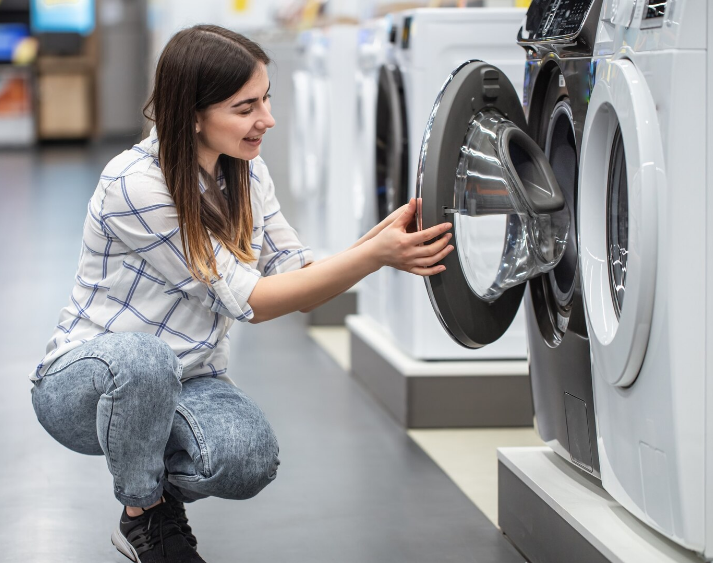
Heating water accounts for nearly all energy used during the washing process. Switching from hot to cold water can cut energy use by half or more. Modern detergents work effectively in cooler temperature settings.
Running full loads maximizes efficiency since machines use similar energy regardless of size. Properly sized loads ensure optimal cleaning while conserving resources. Avoid both underloading and overloading your washer.
Always set rinse cycles to cold water since temperature doesn’t affect cleaning effectiveness. This simple change avoids unnecessary heating costs. Experiment with different detergents to find those performing best in cold water.
For heavily soiled clothes, presoaking allows cooler wash temperatures to work effectively. This technique gives cleaning agents more time to break down stains. The right cycle selection ensures thorough cleaning with minimal resource use.
The choice of washing and drying equipment plays a crucial role in your home’s overall efficiency. Smart selections and proper care can significantly reduce resource consumption.
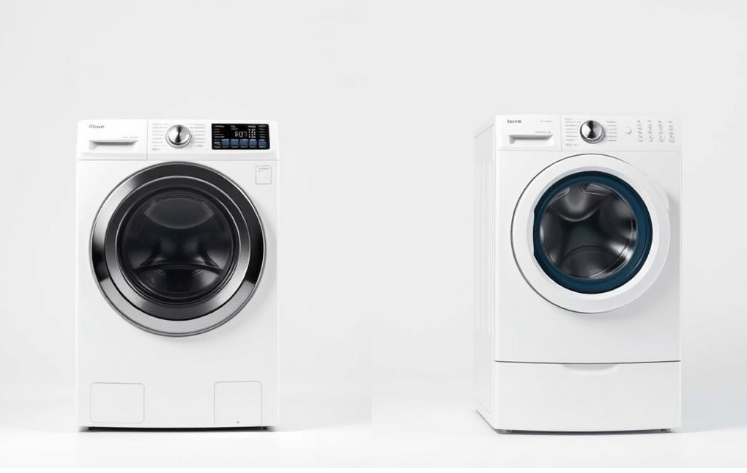
ENERGY STAR certified appliances meet strict guidelines from the U.S. Environmental Protection Agency. These washing machines save over 3,000 gallons of water annually compared to standard models.
Front-loading washers typically outperform top-loading units in efficiency. They use less water and extract more moisture during spin cycles. This reduces drying time and energy use.
| Appliance Type | Water Savings | Energy Reduction | Key Feature |
|---|---|---|---|
| ENERGY STAR Washer | 3,000+ gallons/year | 25% less energy | Larger capacity drums |
| ENERGY STAR Dryer | N/A | 20% less energy | Moisture sensors |
| Front-Load Washer | 40% less water | 50% less energy | Gentle on clothes |
Clean the lint filter after every dryer use. Accumulated lint restricts air flow and creates fire hazards. Monthly scrubbing removes invisible film from dryer sheets.
Run a monthly cleaning cycle with vinegar for your washing machines. This removes residue from detergents and maintains optimal performance. Check external exhaust vents to prevent cold air from entering your home.
Proper maintenance extends appliance lifespan and maintains energy efficiency. These simple habits prevent costly repairs and ensure your washer dryer units operate at peak performance.
Innovative drying methods offer powerful opportunities to reduce environmental impact while saving money. These approaches go beyond basic appliance settings to transform how you handle wet garments.
Line drying represents the most eco-friendly approach available. It uses completely free solar energy and eliminates electricity consumption entirely. Your clothes benefit from reduced heat exposure.
For limited outdoor space, indoor drying racks provide excellent alternatives. Position them near windows or in well-ventilated areas. This maximizes air circulation for faster drying times.
Modern dryers offer smart features that prevent energy waste. The auto-dry sensor detects moisture levels and stops cycles when clothes are dry. This avoids overdrying that damages fabrics.
Separating fabrics by weight optimizes drying efficiency. Lightweight synthetics dry quickly, while heavy towels need more time. Mixing them wastes energy and can harm delicate items.
| Drying Method | Energy Use | Drying Time | Key Benefits |
|---|---|---|---|
| Outdoor Line Drying | Zero electricity | 2-4 hours | Free, extends clothing life |
| Indoor Drying Rack | No energy cost | 4-8 hours | Works in any weather |
| Dryer Auto-Sensor | Reduced by 20% | Varies by load | Prevents overdrying |
| Low Heat Setting | Less energy overall | Longer cycle | Gentler on fabrics |
Combining these techniques creates a comprehensive approach to garment care. You minimize energy use while maintaining clothing quality. The result is noticeable savings on utility bills.
Adopting smarter habits when caring for your clothing creates a powerful ripple effect of positive outcomes. The strategies discussed—from using cold water to maintaining your machine—work together to reduce resource consumption significantly.
These changes don’t require major lifestyle adjustments. Simple steps like running full loads and cleaning your dryer filter deliver immediate savings on utility bills. You’ll also contribute to environmental sustainability with every wash cycle.
Start with one or two adjustments today. Notice how small improvements in your washing routine add up to substantial benefits over time. Every load presents an opportunity to save money while protecting precious resources.
Yes, modern detergents are designed to work effectively in cold water. Using cold water for most loads can significantly cut down on electricity use, as heating water accounts for about 90% of a washing machine’s energy consumption.
ENERGY STAR certified washers use about 25% less power and over 30% less water than standard models. Dryers can use about 20% less electricity. This efficiency translates to lower utility bills each year.
Cleaning the lint filter after every load is crucial. A clean filter improves air flow, which helps your dryer run more efficiently and reduces drying time. It also greatly lowers the risk of a fire.
Always aim for full loads. Running your washer and dryer with full, but not overstuffed, loads maximizes efficiency. You’ll use less water and fewer cycles, saving both energy and money on your bills.
Absolutely. Air drying your clothes, either indoors on a rack or outside on a line, uses zero electricity. It’s gentler on fabrics and can even help humidify your home in dry winter months.
Yes, high-efficiency (HE) front-loading and top-loading machines use much less water than traditional top-loaders with agitators. They tumble or lift clothes through a smaller amount of water, which also reduces the energy needed for heating.