Our Location
1250 Beacon Street
Brookline, MA 02446
Front load vs top load washer: Compare energy efficiency, capacity, and washing performance to choose the perfect washer for your home.
The average American family does nearly 300 loads of laundry every year. That’s a lot of time spent with your washing machine.
Choosing the right appliance for this task is a major decision for any household. The debate between the two main types of machines is one of the most common dilemmas.
Each style offers a unique set of benefits and trade-offs. These differences affect your daily routine, your budget, and your long-term satisfaction with the appliance.
Your ideal choice depends on several key factors. Consider your available space, cleaning priorities, energy efficiency goals, and personal preferences.
Understanding the core distinctions empowers you to make a smart purchase. This guide provides a detailed, objective comparison to help you decide.
We will examine critical areas like cleaning performance, energy use, capacity, and installation needs. We’ll also cover maintenance, costs, and the overall user experience.
Our goal is to give you all the information required to select the best washer for your home. Let’s find the perfect fit for your laundry needs.
Modern households face a complex decision when selecting laundry equipment. The market offers diverse options with varying technologies and performance characteristics.
Traditional top-load models with central agitators dominated American homes for decades. These reliable workhorses represented the standard in laundry care.
During the 1990s and 2000s, front-loading units entered residential markets. They promised superior efficiency and advanced cleaning performance.
Technological innovations continued with high-efficiency top-load models. This created three distinct categories of laundry appliances.
“The transformation in laundry technology reflects changing consumer priorities toward efficiency and convenience.”
Current market data reveals significant shifts in consumer preferences. According to the Association of Home Appliance Manufacturers, front-loader shipments dropped to 30% in 2024 from 38% in 2009.
Meanwhile, traditional top-load agitators now represent 49% of shipments. High-efficiency top-load models account for 21%.
| Washer Type | 2009 Market Share | 2024 Market Share | Change |
|---|---|---|---|
| Front-Loading | 38% | 30% | -8% |
| Top-Load Agitator | Not specified | 49% | +49% |
| HE Top-Load | Not specified | 21% | +21% |
Understanding this evolution helps consumers make informed choices. They must balance energy efficiency, water conservation, and cleaning effectiveness.
The diversity of available machines makes thorough comparison essential. Knowledge of both historical context and current trends leads to better decisions.
Cleaning capability and operational efficiency represent the core distinction between competing laundry machine designs. These factors directly impact both cleaning results and household expenses.
Different washing technologies employ unique approaches to remove stains. Each method offers distinct advantages for various fabric types and soil levels.
Tumbling machines lift clothing and drop them into water repeatedly. This action creates friction that delivers superior cleaning performance for most fabrics.
Agitator models use a central post that twists back and forth vigorously. High-efficiency versions often feature impeller plates that generate washing currents.
| Technology Type | Cleaning Mechanism | Water Usage | Best For |
|---|---|---|---|
| Tumbling Action | Lift-and-drop motion | Lower volume | General fabrics |
| Agitator System | Vigorous twisting | Higher volume | Heavy soils |
| Impeller Design | Water currents | Medium volume | Mixed loads |
“Water is the most important factor for cleaning loads packed with mud and lint,” notes Eric Farrington, former Whirlpool senior engineer. “It loosens particulates and keeps them suspended.”
Agitator models excel at washing away solid soils by default. Tumbling units have special cycles for extra water when needed.
Energy efficiency advantages are significant with tumbling designs. They typically consume less water and power, reducing utility costs.
The gentler action of tumbling machines also protects delicate fabrics. This careful washing extends garment lifespan through reduced wear.
Your laundry room’s dimensions and your family’s weekly washing habits are crucial factors in appliance selection. Matching the machine to your household needs ensures efficient operation and long-term satisfaction.
Family size directly influences the ideal capacity for your washing machine. Smaller households typically manage well with units holding 15-22 pounds per load.
Larger families benefit from machines with 26-33 pound capacities. These handle bigger loads efficiently, reducing total washing time.
Top-loading models generally offer larger capacities due to wider drum designs. Their counterparts maximize water and space efficiency despite smaller dimensions.
Front-opening units require significant clearance for door operation. The swinging door needs adequate room for full access during loading and unloading.
Top-access machines suit narrower spaces perfectly. They only need vertical clearance above the unit for lid operation.
Installation options differ significantly between types. Front-loading models can be stacked with dryers for vertical space optimization.
Top-loading units require accessible top space and cannot be stacked. Always measure your available area carefully before purchase.
Avoid overloading your appliance, as this compromises cleaning and strains components. Similarly, washing small loads in large machines wastes water and energy.
Proper capacity selection and space planning ensure your machine fits your home layout while handling typical laundry loads effectively.
Cycle times and maintenance demands create practical distinctions that affect how you interact with your laundry equipment. These factors influence your daily schedule and long-term appliance care.
Different machines operate at varying speeds. Top-access units typically complete washing cycles faster, often under 45 minutes.
This quick turnaround suits busy households needing immediate results. However, the rapid agitation can be harsh on delicate fabrics.
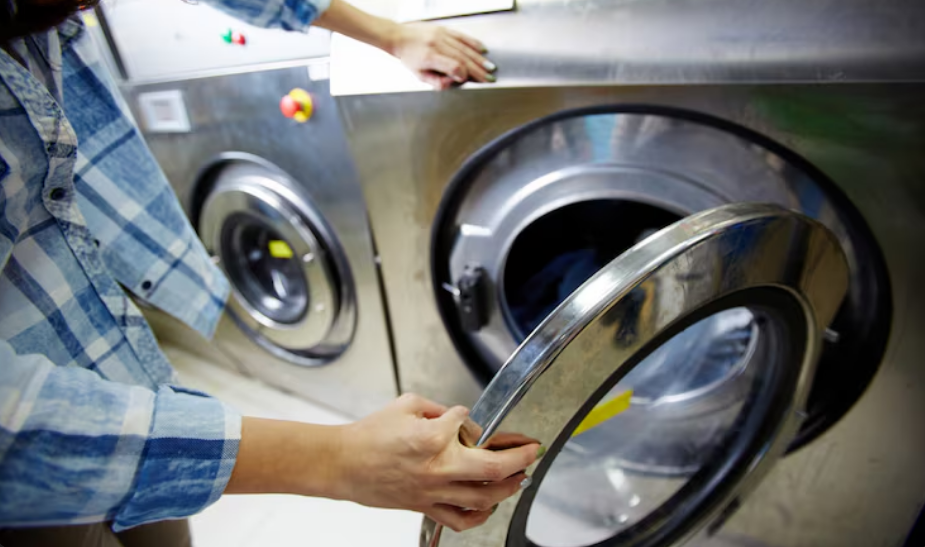
Front-access models generally take longer, usually 60-90 minutes per cycle. The extended tumbling action provides gentler treatment for clothing.
Longer cycles allow for thorough cleaning with less water. This combination protects fabrics while maintaining effectiveness.
| Washer Type | Average Cycle Time | Fabric Care | Maintenance Needs |
|---|---|---|---|
| Top-Access | 30-45 minutes | Moderate agitation | Minimal odor issues |
| Front-Access | 60-90 minutes | Gentle tumbling | Regular mold prevention |
| HE Top-Access | 40-60 minutes | Balanced cleaning | Biofilm management |
Maintenance requirements differ significantly between designs. Front-access units need careful attention to prevent mold growth.
The door seal traps moisture, creating ideal conditions for mildew. Consumer Reports data from 74,479 purchasers identifies this as the most common complaint.
Proper care involves leaving the door open after each cycle. Wiping the gasket and running cleaning cycles prevents odor development.
High-efficiency top-access models can develop biofilm buildup. This sticky residue accumulates in hidden areas but rarely causes smells.
Regular self-cleaning cycles maintain optimal performance for all machine types. Understanding these differences helps establish effective care routines.
The true cost of laundry appliances involves balancing purchase price against ongoing utility consumption. Initial investment represents only part of the financial picture for household equipment.
Consumer Reports data reveals significant price differences among machine types. Front-loading models average $862, while high-efficiency top-load units cost $741 and traditional agitator models are $687.
Despite higher upfront costs, tumbling machines offer substantial efficiency advantages. They consume less water and energy per cycle, leading to meaningful utility bill savings.
Traditional agitator designs use substantially more resources for each wash. This results in higher operating expenses over the appliance’s 10-15 year lifespan.
Manufacturers have responded to consumer price sensitivity. Budget-friendly front-loading options now sell for $800 or less, competing directly with lower-priced alternatives.
The yellow EnergyGuide label provides crucial information about specific usage and efficiency ratings. It displays projected annual operating costs for easy comparison.
Environmentally conscious consumers should look for Consumer Reports’ Green Choice designation. This identifies the most eco-friendly models with superior conservation performance.
Calculating total ownership cost requires considering both purchase price and projected operating expenses. Energy-efficient appliances often deliver lower overall costs despite higher initial investment.
How you physically interact with your washing machine can make laundry day either effortless or exhausting. The physical design and daily operation features significantly impact your laundry routine’s comfort and efficiency.
Accessibility varies dramatically between machine types. Yale Appliance CEO Steve Sheinkopf notes that some users, particularly older individuals, prefer top-access models for their straightforward loading process.
These units eliminate bending or crouching during daily use. You can see the entire tub from above, reducing the chance of leaving behind small items.
Front-access machines require kneeling to load clothes through their horizontal door. Placing the unit on a pedestal provides similar ergonomic benefits to top-loading designs.
Noise levels differ significantly between these appliance types. Front-access models spin toward the ground, which can create vibration issues if not properly leveled.
Top-access units spin parallel to the ground, reducing wall rattling. Their lighter weight makes adjustment and repositioning simpler for homeowners.
Spin speed affects subsequent drying time. Higher rotation rates extract more moisture from clothes, shortening dryer cycles.
Lower spin speeds leave more water in fabrics, extending drying time. Choose settings based on your fabric care needs and energy efficiency goals.
Different agitation mechanisms offer unique benefits. Agitator styles provide vigorous cleaning action, while impeller designs use gentler water currents.
Real-world consumer experiences reveal critical patterns in washing machine satisfaction and performance. Extensive data from thousands of users helps identify which appliances deliver the best results.
Consumer Reports surveyed 74,479 members who purchased new machines between 2014 and 2024. This comprehensive data provides valuable insights into real-world performance across different models.
Market analyst Allie Chilicki notes that some consumers have switched from front-loaders due to mold concerns. Higher prices for these units have also influenced purchasing decisions.
Market share data shows significant shifts in consumer preferences. Front-loader shipments dropped to 30% in 2024 from 38% in 2009.
Each type of machine offers distinct advantages and limitations. Understanding these differences helps match appliances to specific household needs.
| Feature | Front-Load Models | Top-Load Models |
|---|---|---|
| Cleaning Performance | Superior stain removal | Good for heavy soils |
| Energy Efficiency | Higher water conservation | More resource usage |
| Maintenance Needs | Mold prevention required | Simpler care routine |
| Price Range | Generally higher cost | More budget-friendly |
Experts recommend specific models based on different needs. The Speed Queen TC5003WN offers commercial-grade durability for tough laundry jobs.
The GE GFW655 provides excellent cleaning with better mold management. Emerging trends include more affordable front-load options and improved odor prevention features.
Matching the right machine to your laundry habits ensures optimal performance. Consider your priorities before selecting from available options.
The perfect washing solution for your home emerges from understanding how different machine designs align with your specific laundry challenges. There’s no universal winner in this appliance comparison.
Energy-efficient models excel at gentle fabric care and water conservation. They suit environmentally conscious households washing delicate items regularly.
Traditional designs offer affordability and faster cycle times. Their straightforward maintenance and easy access benefit those handling heavily soiled garments.
Evaluate your household composition, available space, and budget for both purchase and operating costs. Consider whether stacking with a dryer suits your laundry room configuration.
Both appliance types deliver excellent results when properly matched to your needs. Your ideal choice balances cleaning performance, efficiency, cost, and convenience for years of effective laundry care.
Front-load machines generally provide superior cleaning performance. They use a tumbling action that lifts and drops clothes through water, which is gentler yet effective. Top-load models with agitators can be more abrasive on fabrics but are powerful for heavily soiled items. Many modern top-loaders with impellers offer a good balance of thorough cleaning and fabric care.
Front-load washers are typically more energy efficient. They use significantly less water and, therefore, less energy to heat that water. Top-load models, especially older ones with agitators, consume more water per cycle. Energy Star certified appliances in both categories offer the best efficiency for lowering utility bills.
Top-load washers are often considered more ergonomic. You don’t need to bend over to access the drum, making them a better choice for users with mobility concerns. Front-load units require bending to load and unload clothes, though pedestals are available to raise the machine to a more comfortable height.
They can be more prone to mold and mildew if not maintained properly. Moisture can accumulate around the door seal. To prevent this, leave the door slightly ajar after cycles to allow the drum to dry completely. Regularly wiping the gasket clean is also recommended for all front-load models.
Cycles in front-load appliances are usually longer. A standard cycle can take 60 to 90 minutes, while some eco or sanitize settings may run even longer. Top-load machines often have quicker cycles, sometimes under 30 minutes, making them a faster option for everyday laundry loads.
A> Yes, but this is typically only possible with front-load models. Their door design and stable construction allow for secure stacking with a matching dryer. This is a major space-saving advantage for laundry rooms or closets. Top-load washers cannot be stacked due to their lid.
While capacities vary by model, front-load machines often have a larger usable capacity because there is no central agitator taking up space. This makes them excellent for washing large comforters, blankets, and big loads of towels. Always check the cubic feet measurement when comparing specific models.