Our Location
1250 Beacon Street
Brookline, MA 02446
Smart kitchen appliances transform cooking with automation and connectivity. Discover costs, benefits, and whether upgrading is right for your home.
Did you know that 53% of American households now own at least one intelligent home appliance? The smart kitchen revolution is transforming how we cook, store food, and interact with our kitchen spaces. These cutting-edge smart kitchen appliances are no longer just futuristic gadgets but practical tools designed to streamline daily cooking experiences.
Modern consumers are increasingly interested in smart kitchen investment strategies that blend technology with convenience. Intelligent home appliances offer more than just flashy features—they promise enhanced efficiency, precise cooking controls, and seamless connectivity that can dramatically change how families prepare and enjoy meals.
From refrigerators that track grocery inventories to ovens you can control with your smartphone, these technological marvels represent a significant leap in kitchen innovation. This article will explore whether smart kitchen appliances genuinely deliver value or remain an expensive technological experiment.
Our comprehensive guide will break down the essential considerations: cost, functionality, energy efficiency, and practical benefits. Whether you’re a tech enthusiast or a pragmatic homeowner, understanding the true potential of smart kitchen technology has never been more critical.
The kitchen has undergone a remarkable transformation with the emergence of IoT kitchen appliances. What was once a simple space for cooking and food preparation has evolved into a high-tech ecosystem of connected kitchen devices that are reshaping how we interact with our culinary environments.
Kitchen technology trends have accelerated rapidly in recent years, driven by advances in wireless connectivity and smart home integration. These innovative devices are no longer just about cooking – they’re about creating a seamless, intelligent cooking experience.
The Internet of Things (IoT) has revolutionized kitchen technology by enabling appliances to communicate and work together in ways never before possible. Smart devices now offer unprecedented levels of control and convenience:
Consumers are rapidly embracing connected kitchen devices. Market research indicates a significant upward trajectory in smart appliance adoption, with millions of households integrating IoT kitchen appliances into their daily routines.
Younger generations, particularly millennials and Gen Z, are driving this technological revolution. Their comfort with digital technologies and desire for convenience make them prime adopters of smart kitchen innovations.
Smart appliance features have revolutionized modern kitchens, transforming ordinary devices into intelligent cooking companions. Unlike traditional appliances, truly smart kitchen technologies go beyond simple electronic functions. They offer sophisticated connectivity and automated kitchen systems that adapt to users’ needs.
At the core of smart appliances are key technological capabilities:
Not all digital devices qualify as “smart”. A genuine smart appliance must provide interactive features that enhance user experience beyond basic functionality. These devices can communicate, learn from user patterns, and make autonomous decisions.
“Intelligence in kitchen technology means more than just having a digital display — it’s about creating a responsive, personalized cooking environment.”
App-controlled appliances allow users to manage kitchen devices remotely. Imagine preheating your oven while driving home or checking refrigerator contents from your smartphone. These intelligent systems represent the next generation of kitchen technology, integrating convenience with cutting-edge innovation.
Key differentiators include:
By understanding these sophisticated smart appliance features, consumers can make informed decisions about investing in automated kitchen systems that truly enhance their cooking experience.
Digital kitchen appliances have revolutionized how we interact with our cooking spaces. Modern smart technology transforms ordinary kitchen tools into intelligent systems that enhance convenience, efficiency, and culinary experiences.
The world of smart cooking devices continues to expand, offering innovative solutions for home chefs and tech enthusiasts. These advanced appliances bring unprecedented connectivity and intelligence to everyday kitchen tasks.
Smart fridge technology has reached remarkable levels of sophistication. These intelligent refrigerators now offer:
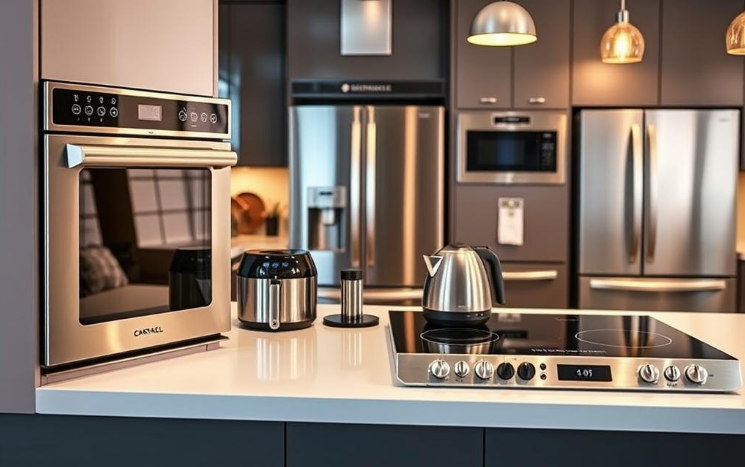
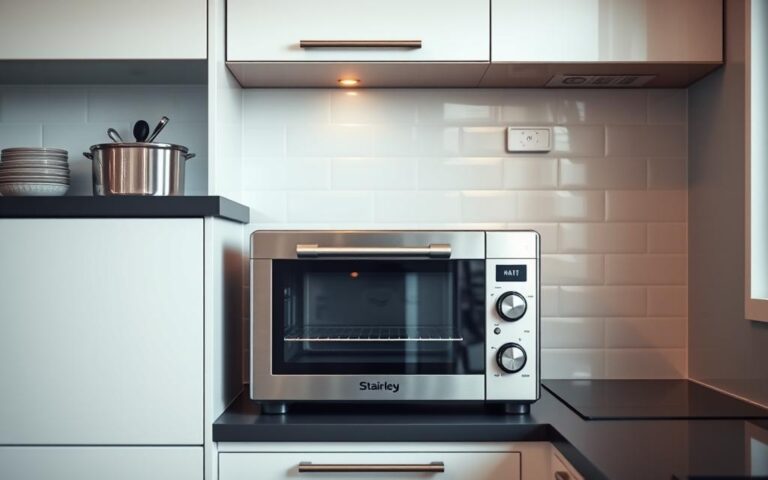
Modern connected ovens provide incredible cooking precision and convenience. Key features include:
Smart beverage devices bring personalization to your morning routine with capabilities like:
| Appliance Type | Key Smart Features | Typical Price Range |
|---|---|---|
| Smart Refrigerator | Internal cameras, inventory tracking | $1,500 – $4,000 |
| Connected Oven | Remote control, recipe integration | $800 – $2,500 |
| Intelligent Coffee Maker | Personalized brewing, app control | $200 – $600 |
These smart kitchen appliances represent the cutting edge of culinary technology, transforming traditional cooking spaces into interactive, intelligent environments.
Smart kitchen appliances represent a significant kitchen appliance costs consideration for homeowners. While these innovative devices typically carry a higher price tag, they offer unique value beyond traditional kitchen equipment. The initial investment ranges from 20% to 50% more than standard appliances, challenging budget-conscious consumers to evaluate their long-term benefits.
Smart appliance investment strategies focus on several key financial considerations:
Kitchen automation benefits emerge through strategic long-term planning. A smart refrigerator might cost $500-$1000 more upfront but could save hundreds in annual energy costs and food preservation. Intelligent temperature controls and inventory tracking minimize unnecessary purchases and reduce electricity consumption.
Smart technology transforms kitchens from simple cooking spaces into efficient economic ecosystems.
Consumers should calculate personal return on investment by considering:
Financial wisdom suggests viewing smart appliances as lifestyle investments rather than pure monetary calculations. While immediate cost savings might seem minimal, the cumulative benefits of convenience, efficiency, and potential home modernization create compelling arguments for smart kitchen technology.
Smart kitchen technology is revolutionizing how we approach energy consumption and environmental sustainability. Modern kitchen technology offers innovative solutions that go beyond traditional appliance functionality, focusing on reducing carbon footprints and promoting energy-efficient practices.
Energy-efficient appliances are transforming kitchen sustainability with cutting-edge features. Wireless kitchen appliances now provide advanced energy management capabilities that help consumers minimize environmental impact.
Investing in smart kitchen technology can lead to significant long-term financial benefits. The following breakdown demonstrates potential annual savings from energy-efficient appliances:
| Appliance Type | Average Annual Energy Savings | Estimated Cost Reduction |
|---|---|---|
| Smart Refrigerator | 10-15% | $50-$75 |
| Smart Oven | 8-12% | $40-$60 |
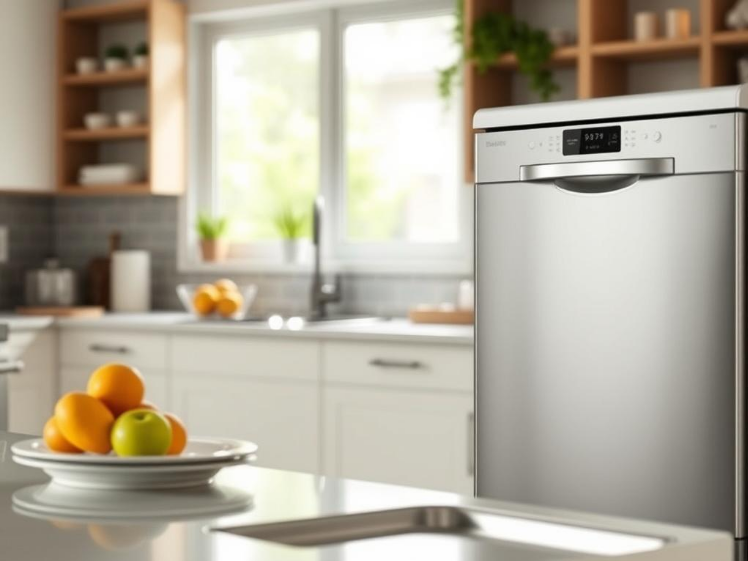
| Smart Dishwasher | 12-18% | $60-$90 |
Pro tip: Look for ENERGY STAR certified smart appliances to maximize both environmental and financial benefits.
Intelligent cooking technology has revolutionized how people interact with their kitchen spaces. Automated kitchen systems now offer unprecedented convenience, transforming mundane daily tasks into seamless experiences. Connected kitchen devices enable users to manage cooking processes from virtually anywhere, reducing stress and simplifying meal preparation.
The most compelling convenience features include:
Smart appliances significantly reduce mental load by automating routine decisions. Imagine starting your coffee maker from bed or preheating the oven while grocery shopping. These technologies provide unprecedented flexibility for busy professionals and families who struggle with time management.
The true value of these convenience features depends on individual lifestyles and cooking habits. Some users might find these technologies transformative, while others may view them as unnecessary complexity. Carefully evaluating personal needs can help determine whether investing in intelligent cooking technology makes sense for your household.
Smart kitchen technologies are not just about gadgets—they’re about creating more efficient, enjoyable cooking experiences.
The smart home kitchen represents a revolutionary approach to cooking and home management. Modern kitchen technology has transformed from isolated appliances to a comprehensive smart kitchen ecosystem that seamlessly connects various devices and platforms.
Smart home integration allows homeowners to create intelligent cooking environments that respond to voice commands and automated routines. The power of connected kitchen technology lies in its ability to simplify daily tasks and enhance overall kitchen functionality.
Voice-controlled kitchen devices have become increasingly sophisticated, offering hands-free control through popular platforms:
These voice assistants enable users to control kitchen appliances with simple verbal commands, making cooking more convenient and accessible.
Modern smart kitchen ecosystems allow for incredible automation possibilities. Imagine creating personalized routines that transform your cooking experience:
| Automation Scenario | Devices Involved | Action Sequence |
|---|---|---|
| Morning Routine | Coffee Maker, Smart Display, Kitchen Lights | Start coffee, display schedule, adjust lighting |
| Cooking Mode | Smart Oven, Range Hood, Kitchen Speaker | Preheat oven, activate ventilation, play cooking playlist |
Successful smart home integration requires careful selection of compatible devices and understanding potential connectivity challenges. Not all smart appliances work seamlessly across different platforms, so research is crucial before building your smart kitchen ecosystem.
Smart appliance features come with unexpected complexities that consumers should carefully evaluate before investing. While intelligent home appliances promise convenience, they introduce several potential challenges that might diminish user experience.
Kitchen device connectivity relies heavily on technological infrastructure, presenting multiple potential limitations:
Technological reliability remains a significant concern with intelligent home appliances. Smart devices often contain more components that can malfunction compared to traditional appliances, potentially increasing maintenance requirements and repair costs.
| Limitation | Potential Impact |
|---|---|
| Wi-Fi Dependence | Reduced functionality during internet outages |
| Software Updates | Potential feature loss or performance degradation |
| Manufacturer Support | Risk of discontinued app support or cloud services |
Consumers should critically assess whether advanced smart appliance features truly enhance their kitchen experience or introduce unnecessary technological complexity.
Privacy concerns and data security represent additional considerations. Smart kitchen devices collect significant user data, potentially exposing personal information to cybersecurity risks.
The convenience of smart technology must be balanced against potential technological limitations and privacy implications.
Smart kitchen appliances bring convenience to our homes, yet they also introduce significant privacy and security challenges. As IoT kitchen appliances become more sophisticated, understanding potential vulnerabilities becomes crucial for homeowners.
Connected appliance maintenance involves more than just regular cleaning and upkeep. Users must actively protect their digital ecosystem from potential cyber threats.
Modern smart appliances collect extensive personal data, including:
Protecting your smart appliance security requires a multi-layered approach:
Cybersecurity in the kitchen is no longer optional. By implementing these protective measures, consumers can enjoy the benefits of IoT kitchen appliances while minimizing potential risks.
Digital kitchen appliances bring cutting-edge technology into our homes, but understanding their maintenance requirements is crucial for long-term satisfaction. Connected appliance maintenance goes beyond traditional cleaning and basic upkeep.
Smart kitchen appliances require unique care strategies that differ from conventional devices. Owners must focus on two primary maintenance aspects:
Software updates play a critical role in smart appliance performance. Manufacturers regularly release patches that:
Longevity becomes a significant consideration with digital kitchen appliances. While mechanical components might last 10-15 years, technological features could become obsolete much faster. Consumers should research brands known for supporting older models and providing consistent firmware updates.
Investing in smart kitchen technology requires understanding its complete lifecycle, not just initial capabilities.
Selecting smart appliances from reputable manufacturers with strong track records of long-term support can mitigate potential maintenance challenges. Carefully review warranty terms, update policies, and potential repair costs before making your investment.
Smart cooking devices are transforming kitchen experiences for different consumer groups. Not everyone will find equal value in automated kitchen systems, but certain demographics stand out as prime beneficiaries of intelligent cooking technology.
The landscape of kitchen technology reveals specific user profiles that gain maximum advantage from these innovative solutions.
Modern professionals and families represent the core market for smart kitchen appliances. Their complex schedules demand efficient meal preparation strategies.
Safety features like automatic shutoff and remote monitoring provide additional peace of mind for families with children.
Technology lovers represent another critical demographic for smart kitchen innovations. These consumers appreciate cutting-edge features and are willing to explore advanced technological capabilities.
While smart kitchen technology offers exciting possibilities, it may not suit everyone. Individuals with limited budgets, minimal cooking habits, or technology hesitation might find traditional appliances more suitable.
Smart kitchen technology represents a transformative approach to home cooking and food management. A smart kitchen investment isn’t about replacing every appliance, but strategically selecting devices that genuinely enhance your daily culinary experience. Modern kitchen technology offers unprecedented convenience, but requires careful consideration of individual needs and technological comfort levels.
Evaluating smart home kitchen solutions demands a nuanced perspective. Potential adopters should assess specific pain points in their current kitchen workflow and determine whether connected devices can provide meaningful improvements. Some users might benefit immensely from intelligent refrigerators tracking food inventory, while others may find minimal value in such advanced features.
The decision to embrace smart kitchen technology isn’t universal. Factors like budget, technical aptitude, and personal cooking habits play critical roles. Start small by selecting one or two appliances that address specific challenges. This measured approach allows you to understand the technology’s practical benefits without overwhelming financial commitment or complex implementation.
Ultimately, your smart kitchen investment should streamline cooking processes, save time, and potentially reduce energy consumption. Research thoroughly, read user reviews, and prioritize devices with robust security features and clear upgrade paths. The goal is creating a kitchen ecosystem that supports your lifestyle, not complicating it with unnecessary technological complexity.
A smart kitchen appliance typically features Wi-Fi or Bluetooth connectivity, smartphone app integration, remote monitoring capabilities, automated functions based on sensors, and the ability to learn and adapt to user behavior. These devices can communicate with other smart home systems and provide advanced features beyond traditional appliance functionality.
Smart kitchen appliances generally cost 20-50% more than traditional models. For example, a standard refrigerator might cost
A smart kitchen appliance typically features Wi-Fi or Bluetooth connectivity, smartphone app integration, remote monitoring capabilities, automated functions based on sensors, and the ability to learn and adapt to user behavior. These devices can communicate with other smart home systems and provide advanced features beyond traditional appliance functionality.
Smart kitchen appliances generally cost 20-50% more than traditional models. For example, a standard refrigerator might cost $1,000, while a comparable smart refrigerator could range from $1,200 to $1,500, depending on the specific features and brand.
Smart appliances can contribute to energy efficiency through features like adaptive energy management, precise temperature controls, and usage monitoring. However, consumers should look for ENERGY STAR certification and understand that “smart” doesn’t automatically guarantee significant energy savings.
Not all smart appliances are compatible with every voice assistant. It’s crucial to check compatibility with platforms like Amazon Alexa, Google Assistant, or Apple HomeKit before purchasing. Some brands have more extensive integration options than others.
Key security concerns include potential data collection, vulnerability to network breaches, and privacy risks associated with built-in cameras and microphones. Users can mitigate these risks by using strong passwords, keeping firmware updated, and carefully reviewing privacy settings.
While the mechanical components may last 10-15 years like traditional appliances, the technological components might become obsolete much sooner. Manufacturers’ support and software updates play a crucial role in the long-term usability of smart appliances.
Busy professionals, families with complex schedules, and tech enthusiasts typically gain the most value from smart kitchen appliances. Those who appreciate remote monitoring, automated cooking assistance, and integrated meal planning will find these technologies most beneficial.
Yes, many smart refrigerators offer advanced food management features like internal cameras, inventory tracking, expiration date monitoring, and automatic grocery list generation, which can help consumers reduce food waste and make more informed purchasing decisions.
Consider your personal needs, budget, tech comfort level, cooking habits, and specific problems you want to solve. Start by evaluating one or two appliances that address your most pressing kitchen challenges rather than replacing everything at once.
Smart appliances need both traditional maintenance and technology-specific upkeep, including regular software updates, potential firmware upgrades, and potentially more complex troubleshooting compared to traditional appliances.
,000, while a comparable smart refrigerator could range from
A smart kitchen appliance typically features Wi-Fi or Bluetooth connectivity, smartphone app integration, remote monitoring capabilities, automated functions based on sensors, and the ability to learn and adapt to user behavior. These devices can communicate with other smart home systems and provide advanced features beyond traditional appliance functionality.
Smart kitchen appliances generally cost 20-50% more than traditional models. For example, a standard refrigerator might cost $1,000, while a comparable smart refrigerator could range from $1,200 to $1,500, depending on the specific features and brand.
Smart appliances can contribute to energy efficiency through features like adaptive energy management, precise temperature controls, and usage monitoring. However, consumers should look for ENERGY STAR certification and understand that “smart” doesn’t automatically guarantee significant energy savings.
Not all smart appliances are compatible with every voice assistant. It’s crucial to check compatibility with platforms like Amazon Alexa, Google Assistant, or Apple HomeKit before purchasing. Some brands have more extensive integration options than others.
Key security concerns include potential data collection, vulnerability to network breaches, and privacy risks associated with built-in cameras and microphones. Users can mitigate these risks by using strong passwords, keeping firmware updated, and carefully reviewing privacy settings.
While the mechanical components may last 10-15 years like traditional appliances, the technological components might become obsolete much sooner. Manufacturers’ support and software updates play a crucial role in the long-term usability of smart appliances.
Busy professionals, families with complex schedules, and tech enthusiasts typically gain the most value from smart kitchen appliances. Those who appreciate remote monitoring, automated cooking assistance, and integrated meal planning will find these technologies most beneficial.
Yes, many smart refrigerators offer advanced food management features like internal cameras, inventory tracking, expiration date monitoring, and automatic grocery list generation, which can help consumers reduce food waste and make more informed purchasing decisions.
Consider your personal needs, budget, tech comfort level, cooking habits, and specific problems you want to solve. Start by evaluating one or two appliances that address your most pressing kitchen challenges rather than replacing everything at once.
Smart appliances need both traditional maintenance and technology-specific upkeep, including regular software updates, potential firmware upgrades, and potentially more complex troubleshooting compared to traditional appliances.
,200 to
A smart kitchen appliance typically features Wi-Fi or Bluetooth connectivity, smartphone app integration, remote monitoring capabilities, automated functions based on sensors, and the ability to learn and adapt to user behavior. These devices can communicate with other smart home systems and provide advanced features beyond traditional appliance functionality.
Smart kitchen appliances generally cost 20-50% more than traditional models. For example, a standard refrigerator might cost $1,000, while a comparable smart refrigerator could range from $1,200 to $1,500, depending on the specific features and brand.
Smart appliances can contribute to energy efficiency through features like adaptive energy management, precise temperature controls, and usage monitoring. However, consumers should look for ENERGY STAR certification and understand that “smart” doesn’t automatically guarantee significant energy savings.
Not all smart appliances are compatible with every voice assistant. It’s crucial to check compatibility with platforms like Amazon Alexa, Google Assistant, or Apple HomeKit before purchasing. Some brands have more extensive integration options than others.
Key security concerns include potential data collection, vulnerability to network breaches, and privacy risks associated with built-in cameras and microphones. Users can mitigate these risks by using strong passwords, keeping firmware updated, and carefully reviewing privacy settings.
While the mechanical components may last 10-15 years like traditional appliances, the technological components might become obsolete much sooner. Manufacturers’ support and software updates play a crucial role in the long-term usability of smart appliances.
Busy professionals, families with complex schedules, and tech enthusiasts typically gain the most value from smart kitchen appliances. Those who appreciate remote monitoring, automated cooking assistance, and integrated meal planning will find these technologies most beneficial.
Yes, many smart refrigerators offer advanced food management features like internal cameras, inventory tracking, expiration date monitoring, and automatic grocery list generation, which can help consumers reduce food waste and make more informed purchasing decisions.
Consider your personal needs, budget, tech comfort level, cooking habits, and specific problems you want to solve. Start by evaluating one or two appliances that address your most pressing kitchen challenges rather than replacing everything at once.
Smart appliances need both traditional maintenance and technology-specific upkeep, including regular software updates, potential firmware upgrades, and potentially more complex troubleshooting compared to traditional appliances.
,500, depending on the specific features and brand.
Smart appliances can contribute to energy efficiency through features like adaptive energy management, precise temperature controls, and usage monitoring. However, consumers should look for ENERGY STAR certification and understand that “smart” doesn’t automatically guarantee significant energy savings.
Not all smart appliances are compatible with every voice assistant. It’s crucial to check compatibility with platforms like Amazon Alexa, Google Assistant, or Apple HomeKit before purchasing. Some brands have more extensive integration options than others.
Key security concerns include potential data collection, vulnerability to network breaches, and privacy risks associated with built-in cameras and microphones. Users can mitigate these risks by using strong passwords, keeping firmware updated, and carefully reviewing privacy settings.
While the mechanical components may last 10-15 years like traditional appliances, the technological components might become obsolete much sooner. Manufacturers’ support and software updates play a crucial role in the long-term usability of smart appliances.
Busy professionals, families with complex schedules, and tech enthusiasts typically gain the most value from smart kitchen appliances. Those who appreciate remote monitoring, automated cooking assistance, and integrated meal planning will find these technologies most beneficial.
Yes, many smart refrigerators offer advanced food management features like internal cameras, inventory tracking, expiration date monitoring, and automatic grocery list generation, which can help consumers reduce food waste and make more informed purchasing decisions.
Consider your personal needs, budget, tech comfort level, cooking habits, and specific problems you want to solve. Start by evaluating one or two appliances that address your most pressing kitchen challenges rather than replacing everything at once.
Smart appliances need both traditional maintenance and technology-specific upkeep, including regular software updates, potential firmware upgrades, and potentially more complex troubleshooting compared to traditional appliances.
A smart kitchen appliance typically features Wi-Fi or Bluetooth connectivity, smartphone app integration, remote monitoring capabilities, automated functions based on sensors, and the ability to learn and adapt to user behavior. These devices can communicate with other smart home systems and provide advanced features beyond traditional appliance functionality.
Smart kitchen appliances generally cost 20-50% more than traditional models. For example, a standard refrigerator might cost
A smart kitchen appliance typically features Wi-Fi or Bluetooth connectivity, smartphone app integration, remote monitoring capabilities, automated functions based on sensors, and the ability to learn and adapt to user behavior. These devices can communicate with other smart home systems and provide advanced features beyond traditional appliance functionality.
Smart kitchen appliances generally cost 20-50% more than traditional models. For example, a standard refrigerator might cost $1,000, while a comparable smart refrigerator could range from $1,200 to $1,500, depending on the specific features and brand.
Smart appliances can contribute to energy efficiency through features like adaptive energy management, precise temperature controls, and usage monitoring. However, consumers should look for ENERGY STAR certification and understand that “smart” doesn’t automatically guarantee significant energy savings.
Not all smart appliances are compatible with every voice assistant. It’s crucial to check compatibility with platforms like Amazon Alexa, Google Assistant, or Apple HomeKit before purchasing. Some brands have more extensive integration options than others.
Key security concerns include potential data collection, vulnerability to network breaches, and privacy risks associated with built-in cameras and microphones. Users can mitigate these risks by using strong passwords, keeping firmware updated, and carefully reviewing privacy settings.
While the mechanical components may last 10-15 years like traditional appliances, the technological components might become obsolete much sooner. Manufacturers’ support and software updates play a crucial role in the long-term usability of smart appliances.
Busy professionals, families with complex schedules, and tech enthusiasts typically gain the most value from smart kitchen appliances. Those who appreciate remote monitoring, automated cooking assistance, and integrated meal planning will find these technologies most beneficial.
Yes, many smart refrigerators offer advanced food management features like internal cameras, inventory tracking, expiration date monitoring, and automatic grocery list generation, which can help consumers reduce food waste and make more informed purchasing decisions.
Consider your personal needs, budget, tech comfort level, cooking habits, and specific problems you want to solve. Start by evaluating one or two appliances that address your most pressing kitchen challenges rather than replacing everything at once.
Smart appliances need both traditional maintenance and technology-specific upkeep, including regular software updates, potential firmware upgrades, and potentially more complex troubleshooting compared to traditional appliances.
,000, while a comparable smart refrigerator could range from
A smart kitchen appliance typically features Wi-Fi or Bluetooth connectivity, smartphone app integration, remote monitoring capabilities, automated functions based on sensors, and the ability to learn and adapt to user behavior. These devices can communicate with other smart home systems and provide advanced features beyond traditional appliance functionality.
Smart kitchen appliances generally cost 20-50% more than traditional models. For example, a standard refrigerator might cost $1,000, while a comparable smart refrigerator could range from $1,200 to $1,500, depending on the specific features and brand.
Smart appliances can contribute to energy efficiency through features like adaptive energy management, precise temperature controls, and usage monitoring. However, consumers should look for ENERGY STAR certification and understand that “smart” doesn’t automatically guarantee significant energy savings.
Not all smart appliances are compatible with every voice assistant. It’s crucial to check compatibility with platforms like Amazon Alexa, Google Assistant, or Apple HomeKit before purchasing. Some brands have more extensive integration options than others.
Key security concerns include potential data collection, vulnerability to network breaches, and privacy risks associated with built-in cameras and microphones. Users can mitigate these risks by using strong passwords, keeping firmware updated, and carefully reviewing privacy settings.
While the mechanical components may last 10-15 years like traditional appliances, the technological components might become obsolete much sooner. Manufacturers’ support and software updates play a crucial role in the long-term usability of smart appliances.
Busy professionals, families with complex schedules, and tech enthusiasts typically gain the most value from smart kitchen appliances. Those who appreciate remote monitoring, automated cooking assistance, and integrated meal planning will find these technologies most beneficial.
Yes, many smart refrigerators offer advanced food management features like internal cameras, inventory tracking, expiration date monitoring, and automatic grocery list generation, which can help consumers reduce food waste and make more informed purchasing decisions.
Consider your personal needs, budget, tech comfort level, cooking habits, and specific problems you want to solve. Start by evaluating one or two appliances that address your most pressing kitchen challenges rather than replacing everything at once.
Smart appliances need both traditional maintenance and technology-specific upkeep, including regular software updates, potential firmware upgrades, and potentially more complex troubleshooting compared to traditional appliances.
,200 to
A smart kitchen appliance typically features Wi-Fi or Bluetooth connectivity, smartphone app integration, remote monitoring capabilities, automated functions based on sensors, and the ability to learn and adapt to user behavior. These devices can communicate with other smart home systems and provide advanced features beyond traditional appliance functionality.
Smart kitchen appliances generally cost 20-50% more than traditional models. For example, a standard refrigerator might cost $1,000, while a comparable smart refrigerator could range from $1,200 to $1,500, depending on the specific features and brand.
Smart appliances can contribute to energy efficiency through features like adaptive energy management, precise temperature controls, and usage monitoring. However, consumers should look for ENERGY STAR certification and understand that “smart” doesn’t automatically guarantee significant energy savings.
Not all smart appliances are compatible with every voice assistant. It’s crucial to check compatibility with platforms like Amazon Alexa, Google Assistant, or Apple HomeKit before purchasing. Some brands have more extensive integration options than others.
Key security concerns include potential data collection, vulnerability to network breaches, and privacy risks associated with built-in cameras and microphones. Users can mitigate these risks by using strong passwords, keeping firmware updated, and carefully reviewing privacy settings.
While the mechanical components may last 10-15 years like traditional appliances, the technological components might become obsolete much sooner. Manufacturers’ support and software updates play a crucial role in the long-term usability of smart appliances.
Busy professionals, families with complex schedules, and tech enthusiasts typically gain the most value from smart kitchen appliances. Those who appreciate remote monitoring, automated cooking assistance, and integrated meal planning will find these technologies most beneficial.
Yes, many smart refrigerators offer advanced food management features like internal cameras, inventory tracking, expiration date monitoring, and automatic grocery list generation, which can help consumers reduce food waste and make more informed purchasing decisions.
Consider your personal needs, budget, tech comfort level, cooking habits, and specific problems you want to solve. Start by evaluating one or two appliances that address your most pressing kitchen challenges rather than replacing everything at once.
Smart appliances need both traditional maintenance and technology-specific upkeep, including regular software updates, potential firmware upgrades, and potentially more complex troubleshooting compared to traditional appliances.
,500, depending on the specific features and brand.
Smart appliances can contribute to energy efficiency through features like adaptive energy management, precise temperature controls, and usage monitoring. However, consumers should look for ENERGY STAR certification and understand that “smart” doesn’t automatically guarantee significant energy savings.
Not all smart appliances are compatible with every voice assistant. It’s crucial to check compatibility with platforms like Amazon Alexa, Google Assistant, or Apple HomeKit before purchasing. Some brands have more extensive integration options than others.
Key security concerns include potential data collection, vulnerability to network breaches, and privacy risks associated with built-in cameras and microphones. Users can mitigate these risks by using strong passwords, keeping firmware updated, and carefully reviewing privacy settings.
While the mechanical components may last 10-15 years like traditional appliances, the technological components might become obsolete much sooner. Manufacturers’ support and software updates play a crucial role in the long-term usability of smart appliances.
Busy professionals, families with complex schedules, and tech enthusiasts typically gain the most value from smart kitchen appliances. Those who appreciate remote monitoring, automated cooking assistance, and integrated meal planning will find these technologies most beneficial.
Yes, many smart refrigerators offer advanced food management features like internal cameras, inventory tracking, expiration date monitoring, and automatic grocery list generation, which can help consumers reduce food waste and make more informed purchasing decisions.
Consider your personal needs, budget, tech comfort level, cooking habits, and specific problems you want to solve. Start by evaluating one or two appliances that address your most pressing kitchen challenges rather than replacing everything at once.
Smart appliances need both traditional maintenance and technology-specific upkeep, including regular software updates, potential firmware upgrades, and potentially more complex troubleshooting compared to traditional appliances.
A smart kitchen appliance typically features Wi-Fi or Bluetooth connectivity, smartphone app integration, remote monitoring capabilities, automated functions based on sensors, and the ability to learn and adapt to user behavior. These devices can communicate with other smart home systems and provide advanced features beyond traditional appliance functionality.
Smart kitchen appliances generally cost 20-50% more than traditional models. For example, a standard refrigerator might cost
A smart kitchen appliance typically features Wi-Fi or Bluetooth connectivity, smartphone app integration, remote monitoring capabilities, automated functions based on sensors, and the ability to learn and adapt to user behavior. These devices can communicate with other smart home systems and provide advanced features beyond traditional appliance functionality.
Smart kitchen appliances generally cost 20-50% more than traditional models. For example, a standard refrigerator might cost $1,000, while a comparable smart refrigerator could range from $1,200 to $1,500, depending on the specific features and brand.
Smart appliances can contribute to energy efficiency through features like adaptive energy management, precise temperature controls, and usage monitoring. However, consumers should look for ENERGY STAR certification and understand that “smart” doesn’t automatically guarantee significant energy savings.
Not all smart appliances are compatible with every voice assistant. It’s crucial to check compatibility with platforms like Amazon Alexa, Google Assistant, or Apple HomeKit before purchasing. Some brands have more extensive integration options than others.
Key security concerns include potential data collection, vulnerability to network breaches, and privacy risks associated with built-in cameras and microphones. Users can mitigate these risks by using strong passwords, keeping firmware updated, and carefully reviewing privacy settings.
While the mechanical components may last 10-15 years like traditional appliances, the technological components might become obsolete much sooner. Manufacturers’ support and software updates play a crucial role in the long-term usability of smart appliances.
Busy professionals, families with complex schedules, and tech enthusiasts typically gain the most value from smart kitchen appliances. Those who appreciate remote monitoring, automated cooking assistance, and integrated meal planning will find these technologies most beneficial.
Yes, many smart refrigerators offer advanced food management features like internal cameras, inventory tracking, expiration date monitoring, and automatic grocery list generation, which can help consumers reduce food waste and make more informed purchasing decisions.
Consider your personal needs, budget, tech comfort level, cooking habits, and specific problems you want to solve. Start by evaluating one or two appliances that address your most pressing kitchen challenges rather than replacing everything at once.
Smart appliances need both traditional maintenance and technology-specific upkeep, including regular software updates, potential firmware upgrades, and potentially more complex troubleshooting compared to traditional appliances.
,000, while a comparable smart refrigerator could range from
A smart kitchen appliance typically features Wi-Fi or Bluetooth connectivity, smartphone app integration, remote monitoring capabilities, automated functions based on sensors, and the ability to learn and adapt to user behavior. These devices can communicate with other smart home systems and provide advanced features beyond traditional appliance functionality.
Smart kitchen appliances generally cost 20-50% more than traditional models. For example, a standard refrigerator might cost $1,000, while a comparable smart refrigerator could range from $1,200 to $1,500, depending on the specific features and brand.
Smart appliances can contribute to energy efficiency through features like adaptive energy management, precise temperature controls, and usage monitoring. However, consumers should look for ENERGY STAR certification and understand that “smart” doesn’t automatically guarantee significant energy savings.
Not all smart appliances are compatible with every voice assistant. It’s crucial to check compatibility with platforms like Amazon Alexa, Google Assistant, or Apple HomeKit before purchasing. Some brands have more extensive integration options than others.
Key security concerns include potential data collection, vulnerability to network breaches, and privacy risks associated with built-in cameras and microphones. Users can mitigate these risks by using strong passwords, keeping firmware updated, and carefully reviewing privacy settings.
While the mechanical components may last 10-15 years like traditional appliances, the technological components might become obsolete much sooner. Manufacturers’ support and software updates play a crucial role in the long-term usability of smart appliances.
Busy professionals, families with complex schedules, and tech enthusiasts typically gain the most value from smart kitchen appliances. Those who appreciate remote monitoring, automated cooking assistance, and integrated meal planning will find these technologies most beneficial.
Yes, many smart refrigerators offer advanced food management features like internal cameras, inventory tracking, expiration date monitoring, and automatic grocery list generation, which can help consumers reduce food waste and make more informed purchasing decisions.
Consider your personal needs, budget, tech comfort level, cooking habits, and specific problems you want to solve. Start by evaluating one or two appliances that address your most pressing kitchen challenges rather than replacing everything at once.
Smart appliances need both traditional maintenance and technology-specific upkeep, including regular software updates, potential firmware upgrades, and potentially more complex troubleshooting compared to traditional appliances.
,200 to
A smart kitchen appliance typically features Wi-Fi or Bluetooth connectivity, smartphone app integration, remote monitoring capabilities, automated functions based on sensors, and the ability to learn and adapt to user behavior. These devices can communicate with other smart home systems and provide advanced features beyond traditional appliance functionality.
Smart kitchen appliances generally cost 20-50% more than traditional models. For example, a standard refrigerator might cost $1,000, while a comparable smart refrigerator could range from $1,200 to $1,500, depending on the specific features and brand.
Smart appliances can contribute to energy efficiency through features like adaptive energy management, precise temperature controls, and usage monitoring. However, consumers should look for ENERGY STAR certification and understand that “smart” doesn’t automatically guarantee significant energy savings.
Not all smart appliances are compatible with every voice assistant. It’s crucial to check compatibility with platforms like Amazon Alexa, Google Assistant, or Apple HomeKit before purchasing. Some brands have more extensive integration options than others.
Key security concerns include potential data collection, vulnerability to network breaches, and privacy risks associated with built-in cameras and microphones. Users can mitigate these risks by using strong passwords, keeping firmware updated, and carefully reviewing privacy settings.
While the mechanical components may last 10-15 years like traditional appliances, the technological components might become obsolete much sooner. Manufacturers’ support and software updates play a crucial role in the long-term usability of smart appliances.
Busy professionals, families with complex schedules, and tech enthusiasts typically gain the most value from smart kitchen appliances. Those who appreciate remote monitoring, automated cooking assistance, and integrated meal planning will find these technologies most beneficial.
Yes, many smart refrigerators offer advanced food management features like internal cameras, inventory tracking, expiration date monitoring, and automatic grocery list generation, which can help consumers reduce food waste and make more informed purchasing decisions.
Consider your personal needs, budget, tech comfort level, cooking habits, and specific problems you want to solve. Start by evaluating one or two appliances that address your most pressing kitchen challenges rather than replacing everything at once.
Smart appliances need both traditional maintenance and technology-specific upkeep, including regular software updates, potential firmware upgrades, and potentially more complex troubleshooting compared to traditional appliances.
,500, depending on the specific features and brand.
Smart appliances can contribute to energy efficiency through features like adaptive energy management, precise temperature controls, and usage monitoring. However, consumers should look for ENERGY STAR certification and understand that “smart” doesn’t automatically guarantee significant energy savings.
Not all smart appliances are compatible with every voice assistant. It’s crucial to check compatibility with platforms like Amazon Alexa, Google Assistant, or Apple HomeKit before purchasing. Some brands have more extensive integration options than others.
Key security concerns include potential data collection, vulnerability to network breaches, and privacy risks associated with built-in cameras and microphones. Users can mitigate these risks by using strong passwords, keeping firmware updated, and carefully reviewing privacy settings.
While the mechanical components may last 10-15 years like traditional appliances, the technological components might become obsolete much sooner. Manufacturers’ support and software updates play a crucial role in the long-term usability of smart appliances.
Busy professionals, families with complex schedules, and tech enthusiasts typically gain the most value from smart kitchen appliances. Those who appreciate remote monitoring, automated cooking assistance, and integrated meal planning will find these technologies most beneficial.
Yes, many smart refrigerators offer advanced food management features like internal cameras, inventory tracking, expiration date monitoring, and automatic grocery list generation, which can help consumers reduce food waste and make more informed purchasing decisions.
Consider your personal needs, budget, tech comfort level, cooking habits, and specific problems you want to solve. Start by evaluating one or two appliances that address your most pressing kitchen challenges rather than replacing everything at once.
Smart appliances need both traditional maintenance and technology-specific upkeep, including regular software updates, potential firmware upgrades, and potentially more complex troubleshooting compared to traditional appliances.
A smart kitchen appliance typically features Wi-Fi or Bluetooth connectivity, smartphone app integration, remote monitoring capabilities, automated functions based on sensors, and the ability to learn and adapt to user behavior. These devices can communicate with other smart home systems and provide advanced features beyond traditional appliance functionality.
Smart kitchen appliances generally cost 20-50% more than traditional models. For example, a standard refrigerator might cost
A smart kitchen appliance typically features Wi-Fi or Bluetooth connectivity, smartphone app integration, remote monitoring capabilities, automated functions based on sensors, and the ability to learn and adapt to user behavior. These devices can communicate with other smart home systems and provide advanced features beyond traditional appliance functionality.
Smart kitchen appliances generally cost 20-50% more than traditional models. For example, a standard refrigerator might cost $1,000, while a comparable smart refrigerator could range from $1,200 to $1,500, depending on the specific features and brand.
Smart appliances can contribute to energy efficiency through features like adaptive energy management, precise temperature controls, and usage monitoring. However, consumers should look for ENERGY STAR certification and understand that “smart” doesn’t automatically guarantee significant energy savings.
Not all smart appliances are compatible with every voice assistant. It’s crucial to check compatibility with platforms like Amazon Alexa, Google Assistant, or Apple HomeKit before purchasing. Some brands have more extensive integration options than others.
Key security concerns include potential data collection, vulnerability to network breaches, and privacy risks associated with built-in cameras and microphones. Users can mitigate these risks by using strong passwords, keeping firmware updated, and carefully reviewing privacy settings.
While the mechanical components may last 10-15 years like traditional appliances, the technological components might become obsolete much sooner. Manufacturers’ support and software updates play a crucial role in the long-term usability of smart appliances.
Busy professionals, families with complex schedules, and tech enthusiasts typically gain the most value from smart kitchen appliances. Those who appreciate remote monitoring, automated cooking assistance, and integrated meal planning will find these technologies most beneficial.
Yes, many smart refrigerators offer advanced food management features like internal cameras, inventory tracking, expiration date monitoring, and automatic grocery list generation, which can help consumers reduce food waste and make more informed purchasing decisions.
Consider your personal needs, budget, tech comfort level, cooking habits, and specific problems you want to solve. Start by evaluating one or two appliances that address your most pressing kitchen challenges rather than replacing everything at once.
Smart appliances need both traditional maintenance and technology-specific upkeep, including regular software updates, potential firmware upgrades, and potentially more complex troubleshooting compared to traditional appliances.
,000, while a comparable smart refrigerator could range from
A smart kitchen appliance typically features Wi-Fi or Bluetooth connectivity, smartphone app integration, remote monitoring capabilities, automated functions based on sensors, and the ability to learn and adapt to user behavior. These devices can communicate with other smart home systems and provide advanced features beyond traditional appliance functionality.
Smart kitchen appliances generally cost 20-50% more than traditional models. For example, a standard refrigerator might cost $1,000, while a comparable smart refrigerator could range from $1,200 to $1,500, depending on the specific features and brand.
Smart appliances can contribute to energy efficiency through features like adaptive energy management, precise temperature controls, and usage monitoring. However, consumers should look for ENERGY STAR certification and understand that “smart” doesn’t automatically guarantee significant energy savings.
Not all smart appliances are compatible with every voice assistant. It’s crucial to check compatibility with platforms like Amazon Alexa, Google Assistant, or Apple HomeKit before purchasing. Some brands have more extensive integration options than others.
Key security concerns include potential data collection, vulnerability to network breaches, and privacy risks associated with built-in cameras and microphones. Users can mitigate these risks by using strong passwords, keeping firmware updated, and carefully reviewing privacy settings.
While the mechanical components may last 10-15 years like traditional appliances, the technological components might become obsolete much sooner. Manufacturers’ support and software updates play a crucial role in the long-term usability of smart appliances.
Busy professionals, families with complex schedules, and tech enthusiasts typically gain the most value from smart kitchen appliances. Those who appreciate remote monitoring, automated cooking assistance, and integrated meal planning will find these technologies most beneficial.
Yes, many smart refrigerators offer advanced food management features like internal cameras, inventory tracking, expiration date monitoring, and automatic grocery list generation, which can help consumers reduce food waste and make more informed purchasing decisions.
Consider your personal needs, budget, tech comfort level, cooking habits, and specific problems you want to solve. Start by evaluating one or two appliances that address your most pressing kitchen challenges rather than replacing everything at once.
Smart appliances need both traditional maintenance and technology-specific upkeep, including regular software updates, potential firmware upgrades, and potentially more complex troubleshooting compared to traditional appliances.
,200 to
A smart kitchen appliance typically features Wi-Fi or Bluetooth connectivity, smartphone app integration, remote monitoring capabilities, automated functions based on sensors, and the ability to learn and adapt to user behavior. These devices can communicate with other smart home systems and provide advanced features beyond traditional appliance functionality.
Smart kitchen appliances generally cost 20-50% more than traditional models. For example, a standard refrigerator might cost $1,000, while a comparable smart refrigerator could range from $1,200 to $1,500, depending on the specific features and brand.
Smart appliances can contribute to energy efficiency through features like adaptive energy management, precise temperature controls, and usage monitoring. However, consumers should look for ENERGY STAR certification and understand that “smart” doesn’t automatically guarantee significant energy savings.
Not all smart appliances are compatible with every voice assistant. It’s crucial to check compatibility with platforms like Amazon Alexa, Google Assistant, or Apple HomeKit before purchasing. Some brands have more extensive integration options than others.
Key security concerns include potential data collection, vulnerability to network breaches, and privacy risks associated with built-in cameras and microphones. Users can mitigate these risks by using strong passwords, keeping firmware updated, and carefully reviewing privacy settings.
While the mechanical components may last 10-15 years like traditional appliances, the technological components might become obsolete much sooner. Manufacturers’ support and software updates play a crucial role in the long-term usability of smart appliances.
Busy professionals, families with complex schedules, and tech enthusiasts typically gain the most value from smart kitchen appliances. Those who appreciate remote monitoring, automated cooking assistance, and integrated meal planning will find these technologies most beneficial.
Yes, many smart refrigerators offer advanced food management features like internal cameras, inventory tracking, expiration date monitoring, and automatic grocery list generation, which can help consumers reduce food waste and make more informed purchasing decisions.
Consider your personal needs, budget, tech comfort level, cooking habits, and specific problems you want to solve. Start by evaluating one or two appliances that address your most pressing kitchen challenges rather than replacing everything at once.
Smart appliances need both traditional maintenance and technology-specific upkeep, including regular software updates, potential firmware upgrades, and potentially more complex troubleshooting compared to traditional appliances.
,500, depending on the specific features and brand.
Smart appliances can contribute to energy efficiency through features like adaptive energy management, precise temperature controls, and usage monitoring. However, consumers should look for ENERGY STAR certification and understand that “smart” doesn’t automatically guarantee significant energy savings.
Not all smart appliances are compatible with every voice assistant. It’s crucial to check compatibility with platforms like Amazon Alexa, Google Assistant, or Apple HomeKit before purchasing. Some brands have more extensive integration options than others.
Key security concerns include potential data collection, vulnerability to network breaches, and privacy risks associated with built-in cameras and microphones. Users can mitigate these risks by using strong passwords, keeping firmware updated, and carefully reviewing privacy settings.
While the mechanical components may last 10-15 years like traditional appliances, the technological components might become obsolete much sooner. Manufacturers’ support and software updates play a crucial role in the long-term usability of smart appliances.
Busy professionals, families with complex schedules, and tech enthusiasts typically gain the most value from smart kitchen appliances. Those who appreciate remote monitoring, automated cooking assistance, and integrated meal planning will find these technologies most beneficial.
Yes, many smart refrigerators offer advanced food management features like internal cameras, inventory tracking, expiration date monitoring, and automatic grocery list generation, which can help consumers reduce food waste and make more informed purchasing decisions.
Consider your personal needs, budget, tech comfort level, cooking habits, and specific problems you want to solve. Start by evaluating one or two appliances that address your most pressing kitchen challenges rather than replacing everything at once.
Smart appliances need both traditional maintenance and technology-specific upkeep, including regular software updates, potential firmware upgrades, and potentially more complex troubleshooting compared to traditional appliances.
A smart kitchen appliance typically features Wi-Fi or Bluetooth connectivity, smartphone app integration, remote monitoring capabilities, automated functions based on sensors, and the ability to learn and adapt to user behavior. These devices can communicate with other smart home systems and provide advanced features beyond traditional appliance functionality.
Smart kitchen appliances generally cost 20-50% more than traditional models. For example, a standard refrigerator might cost
A smart kitchen appliance typically features Wi-Fi or Bluetooth connectivity, smartphone app integration, remote monitoring capabilities, automated functions based on sensors, and the ability to learn and adapt to user behavior. These devices can communicate with other smart home systems and provide advanced features beyond traditional appliance functionality.
Smart kitchen appliances generally cost 20-50% more than traditional models. For example, a standard refrigerator might cost $1,000, while a comparable smart refrigerator could range from $1,200 to $1,500, depending on the specific features and brand.
Smart appliances can contribute to energy efficiency through features like adaptive energy management, precise temperature controls, and usage monitoring. However, consumers should look for ENERGY STAR certification and understand that “smart” doesn’t automatically guarantee significant energy savings.
Not all smart appliances are compatible with every voice assistant. It’s crucial to check compatibility with platforms like Amazon Alexa, Google Assistant, or Apple HomeKit before purchasing. Some brands have more extensive integration options than others.
Key security concerns include potential data collection, vulnerability to network breaches, and privacy risks associated with built-in cameras and microphones. Users can mitigate these risks by using strong passwords, keeping firmware updated, and carefully reviewing privacy settings.
While the mechanical components may last 10-15 years like traditional appliances, the technological components might become obsolete much sooner. Manufacturers’ support and software updates play a crucial role in the long-term usability of smart appliances.
Busy professionals, families with complex schedules, and tech enthusiasts typically gain the most value from smart kitchen appliances. Those who appreciate remote monitoring, automated cooking assistance, and integrated meal planning will find these technologies most beneficial.
Yes, many smart refrigerators offer advanced food management features like internal cameras, inventory tracking, expiration date monitoring, and automatic grocery list generation, which can help consumers reduce food waste and make more informed purchasing decisions.
Consider your personal needs, budget, tech comfort level, cooking habits, and specific problems you want to solve. Start by evaluating one or two appliances that address your most pressing kitchen challenges rather than replacing everything at once.
Smart appliances need both traditional maintenance and technology-specific upkeep, including regular software updates, potential firmware upgrades, and potentially more complex troubleshooting compared to traditional appliances.
,000, while a comparable smart refrigerator could range from
A smart kitchen appliance typically features Wi-Fi or Bluetooth connectivity, smartphone app integration, remote monitoring capabilities, automated functions based on sensors, and the ability to learn and adapt to user behavior. These devices can communicate with other smart home systems and provide advanced features beyond traditional appliance functionality.
Smart kitchen appliances generally cost 20-50% more than traditional models. For example, a standard refrigerator might cost $1,000, while a comparable smart refrigerator could range from $1,200 to $1,500, depending on the specific features and brand.
Smart appliances can contribute to energy efficiency through features like adaptive energy management, precise temperature controls, and usage monitoring. However, consumers should look for ENERGY STAR certification and understand that “smart” doesn’t automatically guarantee significant energy savings.
Not all smart appliances are compatible with every voice assistant. It’s crucial to check compatibility with platforms like Amazon Alexa, Google Assistant, or Apple HomeKit before purchasing. Some brands have more extensive integration options than others.
Key security concerns include potential data collection, vulnerability to network breaches, and privacy risks associated with built-in cameras and microphones. Users can mitigate these risks by using strong passwords, keeping firmware updated, and carefully reviewing privacy settings.
While the mechanical components may last 10-15 years like traditional appliances, the technological components might become obsolete much sooner. Manufacturers’ support and software updates play a crucial role in the long-term usability of smart appliances.
Busy professionals, families with complex schedules, and tech enthusiasts typically gain the most value from smart kitchen appliances. Those who appreciate remote monitoring, automated cooking assistance, and integrated meal planning will find these technologies most beneficial.
Yes, many smart refrigerators offer advanced food management features like internal cameras, inventory tracking, expiration date monitoring, and automatic grocery list generation, which can help consumers reduce food waste and make more informed purchasing decisions.
Consider your personal needs, budget, tech comfort level, cooking habits, and specific problems you want to solve. Start by evaluating one or two appliances that address your most pressing kitchen challenges rather than replacing everything at once.
Smart appliances need both traditional maintenance and technology-specific upkeep, including regular software updates, potential firmware upgrades, and potentially more complex troubleshooting compared to traditional appliances.
,200 to
A smart kitchen appliance typically features Wi-Fi or Bluetooth connectivity, smartphone app integration, remote monitoring capabilities, automated functions based on sensors, and the ability to learn and adapt to user behavior. These devices can communicate with other smart home systems and provide advanced features beyond traditional appliance functionality.
Smart kitchen appliances generally cost 20-50% more than traditional models. For example, a standard refrigerator might cost $1,000, while a comparable smart refrigerator could range from $1,200 to $1,500, depending on the specific features and brand.
Smart appliances can contribute to energy efficiency through features like adaptive energy management, precise temperature controls, and usage monitoring. However, consumers should look for ENERGY STAR certification and understand that “smart” doesn’t automatically guarantee significant energy savings.
Not all smart appliances are compatible with every voice assistant. It’s crucial to check compatibility with platforms like Amazon Alexa, Google Assistant, or Apple HomeKit before purchasing. Some brands have more extensive integration options than others.
Key security concerns include potential data collection, vulnerability to network breaches, and privacy risks associated with built-in cameras and microphones. Users can mitigate these risks by using strong passwords, keeping firmware updated, and carefully reviewing privacy settings.
While the mechanical components may last 10-15 years like traditional appliances, the technological components might become obsolete much sooner. Manufacturers’ support and software updates play a crucial role in the long-term usability of smart appliances.
Busy professionals, families with complex schedules, and tech enthusiasts typically gain the most value from smart kitchen appliances. Those who appreciate remote monitoring, automated cooking assistance, and integrated meal planning will find these technologies most beneficial.
Yes, many smart refrigerators offer advanced food management features like internal cameras, inventory tracking, expiration date monitoring, and automatic grocery list generation, which can help consumers reduce food waste and make more informed purchasing decisions.
Consider your personal needs, budget, tech comfort level, cooking habits, and specific problems you want to solve. Start by evaluating one or two appliances that address your most pressing kitchen challenges rather than replacing everything at once.
Smart appliances need both traditional maintenance and technology-specific upkeep, including regular software updates, potential firmware upgrades, and potentially more complex troubleshooting compared to traditional appliances.
,500, depending on the specific features and brand.
Smart appliances can contribute to energy efficiency through features like adaptive energy management, precise temperature controls, and usage monitoring. However, consumers should look for ENERGY STAR certification and understand that “smart” doesn’t automatically guarantee significant energy savings.
Not all smart appliances are compatible with every voice assistant. It’s crucial to check compatibility with platforms like Amazon Alexa, Google Assistant, or Apple HomeKit before purchasing. Some brands have more extensive integration options than others.
Key security concerns include potential data collection, vulnerability to network breaches, and privacy risks associated with built-in cameras and microphones. Users can mitigate these risks by using strong passwords, keeping firmware updated, and carefully reviewing privacy settings.
While the mechanical components may last 10-15 years like traditional appliances, the technological components might become obsolete much sooner. Manufacturers’ support and software updates play a crucial role in the long-term usability of smart appliances.
Busy professionals, families with complex schedules, and tech enthusiasts typically gain the most value from smart kitchen appliances. Those who appreciate remote monitoring, automated cooking assistance, and integrated meal planning will find these technologies most beneficial.
Yes, many smart refrigerators offer advanced food management features like internal cameras, inventory tracking, expiration date monitoring, and automatic grocery list generation, which can help consumers reduce food waste and make more informed purchasing decisions.
Consider your personal needs, budget, tech comfort level, cooking habits, and specific problems you want to solve. Start by evaluating one or two appliances that address your most pressing kitchen challenges rather than replacing everything at once.
Smart appliances need both traditional maintenance and technology-specific upkeep, including regular software updates, potential firmware upgrades, and potentially more complex troubleshooting compared to traditional appliances.
A smart kitchen appliance typically features Wi-Fi or Bluetooth connectivity, smartphone app integration, remote monitoring capabilities, automated functions based on sensors, and the ability to learn and adapt to user behavior. These devices can communicate with other smart home systems and provide advanced features beyond traditional appliance functionality.
Smart kitchen appliances generally cost 20-50% more than traditional models. For example, a standard refrigerator might cost
A smart kitchen appliance typically features Wi-Fi or Bluetooth connectivity, smartphone app integration, remote monitoring capabilities, automated functions based on sensors, and the ability to learn and adapt to user behavior. These devices can communicate with other smart home systems and provide advanced features beyond traditional appliance functionality.
Smart kitchen appliances generally cost 20-50% more than traditional models. For example, a standard refrigerator might cost $1,000, while a comparable smart refrigerator could range from $1,200 to $1,500, depending on the specific features and brand.
Smart appliances can contribute to energy efficiency through features like adaptive energy management, precise temperature controls, and usage monitoring. However, consumers should look for ENERGY STAR certification and understand that “smart” doesn’t automatically guarantee significant energy savings.
Not all smart appliances are compatible with every voice assistant. It’s crucial to check compatibility with platforms like Amazon Alexa, Google Assistant, or Apple HomeKit before purchasing. Some brands have more extensive integration options than others.
Key security concerns include potential data collection, vulnerability to network breaches, and privacy risks associated with built-in cameras and microphones. Users can mitigate these risks by using strong passwords, keeping firmware updated, and carefully reviewing privacy settings.
While the mechanical components may last 10-15 years like traditional appliances, the technological components might become obsolete much sooner. Manufacturers’ support and software updates play a crucial role in the long-term usability of smart appliances.
Busy professionals, families with complex schedules, and tech enthusiasts typically gain the most value from smart kitchen appliances. Those who appreciate remote monitoring, automated cooking assistance, and integrated meal planning will find these technologies most beneficial.
Yes, many smart refrigerators offer advanced food management features like internal cameras, inventory tracking, expiration date monitoring, and automatic grocery list generation, which can help consumers reduce food waste and make more informed purchasing decisions.
Consider your personal needs, budget, tech comfort level, cooking habits, and specific problems you want to solve. Start by evaluating one or two appliances that address your most pressing kitchen challenges rather than replacing everything at once.
Smart appliances need both traditional maintenance and technology-specific upkeep, including regular software updates, potential firmware upgrades, and potentially more complex troubleshooting compared to traditional appliances.
,000, while a comparable smart refrigerator could range from
A smart kitchen appliance typically features Wi-Fi or Bluetooth connectivity, smartphone app integration, remote monitoring capabilities, automated functions based on sensors, and the ability to learn and adapt to user behavior. These devices can communicate with other smart home systems and provide advanced features beyond traditional appliance functionality.
Smart kitchen appliances generally cost 20-50% more than traditional models. For example, a standard refrigerator might cost $1,000, while a comparable smart refrigerator could range from $1,200 to $1,500, depending on the specific features and brand.
Smart appliances can contribute to energy efficiency through features like adaptive energy management, precise temperature controls, and usage monitoring. However, consumers should look for ENERGY STAR certification and understand that “smart” doesn’t automatically guarantee significant energy savings.
Not all smart appliances are compatible with every voice assistant. It’s crucial to check compatibility with platforms like Amazon Alexa, Google Assistant, or Apple HomeKit before purchasing. Some brands have more extensive integration options than others.
Key security concerns include potential data collection, vulnerability to network breaches, and privacy risks associated with built-in cameras and microphones. Users can mitigate these risks by using strong passwords, keeping firmware updated, and carefully reviewing privacy settings.
While the mechanical components may last 10-15 years like traditional appliances, the technological components might become obsolete much sooner. Manufacturers’ support and software updates play a crucial role in the long-term usability of smart appliances.
Busy professionals, families with complex schedules, and tech enthusiasts typically gain the most value from smart kitchen appliances. Those who appreciate remote monitoring, automated cooking assistance, and integrated meal planning will find these technologies most beneficial.
Yes, many smart refrigerators offer advanced food management features like internal cameras, inventory tracking, expiration date monitoring, and automatic grocery list generation, which can help consumers reduce food waste and make more informed purchasing decisions.
Consider your personal needs, budget, tech comfort level, cooking habits, and specific problems you want to solve. Start by evaluating one or two appliances that address your most pressing kitchen challenges rather than replacing everything at once.
Smart appliances need both traditional maintenance and technology-specific upkeep, including regular software updates, potential firmware upgrades, and potentially more complex troubleshooting compared to traditional appliances.
,200 to
A smart kitchen appliance typically features Wi-Fi or Bluetooth connectivity, smartphone app integration, remote monitoring capabilities, automated functions based on sensors, and the ability to learn and adapt to user behavior. These devices can communicate with other smart home systems and provide advanced features beyond traditional appliance functionality.
Smart kitchen appliances generally cost 20-50% more than traditional models. For example, a standard refrigerator might cost $1,000, while a comparable smart refrigerator could range from $1,200 to $1,500, depending on the specific features and brand.
Smart appliances can contribute to energy efficiency through features like adaptive energy management, precise temperature controls, and usage monitoring. However, consumers should look for ENERGY STAR certification and understand that “smart” doesn’t automatically guarantee significant energy savings.
Not all smart appliances are compatible with every voice assistant. It’s crucial to check compatibility with platforms like Amazon Alexa, Google Assistant, or Apple HomeKit before purchasing. Some brands have more extensive integration options than others.
Key security concerns include potential data collection, vulnerability to network breaches, and privacy risks associated with built-in cameras and microphones. Users can mitigate these risks by using strong passwords, keeping firmware updated, and carefully reviewing privacy settings.
While the mechanical components may last 10-15 years like traditional appliances, the technological components might become obsolete much sooner. Manufacturers’ support and software updates play a crucial role in the long-term usability of smart appliances.
Busy professionals, families with complex schedules, and tech enthusiasts typically gain the most value from smart kitchen appliances. Those who appreciate remote monitoring, automated cooking assistance, and integrated meal planning will find these technologies most beneficial.
Yes, many smart refrigerators offer advanced food management features like internal cameras, inventory tracking, expiration date monitoring, and automatic grocery list generation, which can help consumers reduce food waste and make more informed purchasing decisions.
Consider your personal needs, budget, tech comfort level, cooking habits, and specific problems you want to solve. Start by evaluating one or two appliances that address your most pressing kitchen challenges rather than replacing everything at once.
Smart appliances need both traditional maintenance and technology-specific upkeep, including regular software updates, potential firmware upgrades, and potentially more complex troubleshooting compared to traditional appliances.
,500, depending on the specific features and brand.
Smart appliances can contribute to energy efficiency through features like adaptive energy management, precise temperature controls, and usage monitoring. However, consumers should look for ENERGY STAR certification and understand that “smart” doesn’t automatically guarantee significant energy savings.
Not all smart appliances are compatible with every voice assistant. It’s crucial to check compatibility with platforms like Amazon Alexa, Google Assistant, or Apple HomeKit before purchasing. Some brands have more extensive integration options than others.
Key security concerns include potential data collection, vulnerability to network breaches, and privacy risks associated with built-in cameras and microphones. Users can mitigate these risks by using strong passwords, keeping firmware updated, and carefully reviewing privacy settings.
While the mechanical components may last 10-15 years like traditional appliances, the technological components might become obsolete much sooner. Manufacturers’ support and software updates play a crucial role in the long-term usability of smart appliances.
Busy professionals, families with complex schedules, and tech enthusiasts typically gain the most value from smart kitchen appliances. Those who appreciate remote monitoring, automated cooking assistance, and integrated meal planning will find these technologies most beneficial.
Yes, many smart refrigerators offer advanced food management features like internal cameras, inventory tracking, expiration date monitoring, and automatic grocery list generation, which can help consumers reduce food waste and make more informed purchasing decisions.
Consider your personal needs, budget, tech comfort level, cooking habits, and specific problems you want to solve. Start by evaluating one or two appliances that address your most pressing kitchen challenges rather than replacing everything at once.
Smart appliances need both traditional maintenance and technology-specific upkeep, including regular software updates, potential firmware upgrades, and potentially more complex troubleshooting compared to traditional appliances.
A smart kitchen appliance typically features Wi-Fi or Bluetooth connectivity, smartphone app integration, remote monitoring capabilities, automated functions based on sensors, and the ability to learn and adapt to user behavior. These devices can communicate with other smart home systems and provide advanced features beyond traditional appliance functionality.
Smart kitchen appliances generally cost 20-50% more than traditional models. For example, a standard refrigerator might cost
A smart kitchen appliance typically features Wi-Fi or Bluetooth connectivity, smartphone app integration, remote monitoring capabilities, automated functions based on sensors, and the ability to learn and adapt to user behavior. These devices can communicate with other smart home systems and provide advanced features beyond traditional appliance functionality.
Smart kitchen appliances generally cost 20-50% more than traditional models. For example, a standard refrigerator might cost $1,000, while a comparable smart refrigerator could range from $1,200 to $1,500, depending on the specific features and brand.
Smart appliances can contribute to energy efficiency through features like adaptive energy management, precise temperature controls, and usage monitoring. However, consumers should look for ENERGY STAR certification and understand that “smart” doesn’t automatically guarantee significant energy savings.
Not all smart appliances are compatible with every voice assistant. It’s crucial to check compatibility with platforms like Amazon Alexa, Google Assistant, or Apple HomeKit before purchasing. Some brands have more extensive integration options than others.
Key security concerns include potential data collection, vulnerability to network breaches, and privacy risks associated with built-in cameras and microphones. Users can mitigate these risks by using strong passwords, keeping firmware updated, and carefully reviewing privacy settings.
While the mechanical components may last 10-15 years like traditional appliances, the technological components might become obsolete much sooner. Manufacturers’ support and software updates play a crucial role in the long-term usability of smart appliances.
Busy professionals, families with complex schedules, and tech enthusiasts typically gain the most value from smart kitchen appliances. Those who appreciate remote monitoring, automated cooking assistance, and integrated meal planning will find these technologies most beneficial.
Yes, many smart refrigerators offer advanced food management features like internal cameras, inventory tracking, expiration date monitoring, and automatic grocery list generation, which can help consumers reduce food waste and make more informed purchasing decisions.
Consider your personal needs, budget, tech comfort level, cooking habits, and specific problems you want to solve. Start by evaluating one or two appliances that address your most pressing kitchen challenges rather than replacing everything at once.
Smart appliances need both traditional maintenance and technology-specific upkeep, including regular software updates, potential firmware upgrades, and potentially more complex troubleshooting compared to traditional appliances.
,000, while a comparable smart refrigerator could range from
A smart kitchen appliance typically features Wi-Fi or Bluetooth connectivity, smartphone app integration, remote monitoring capabilities, automated functions based on sensors, and the ability to learn and adapt to user behavior. These devices can communicate with other smart home systems and provide advanced features beyond traditional appliance functionality.
Smart kitchen appliances generally cost 20-50% more than traditional models. For example, a standard refrigerator might cost $1,000, while a comparable smart refrigerator could range from $1,200 to $1,500, depending on the specific features and brand.
Smart appliances can contribute to energy efficiency through features like adaptive energy management, precise temperature controls, and usage monitoring. However, consumers should look for ENERGY STAR certification and understand that “smart” doesn’t automatically guarantee significant energy savings.
Not all smart appliances are compatible with every voice assistant. It’s crucial to check compatibility with platforms like Amazon Alexa, Google Assistant, or Apple HomeKit before purchasing. Some brands have more extensive integration options than others.
Key security concerns include potential data collection, vulnerability to network breaches, and privacy risks associated with built-in cameras and microphones. Users can mitigate these risks by using strong passwords, keeping firmware updated, and carefully reviewing privacy settings.
While the mechanical components may last 10-15 years like traditional appliances, the technological components might become obsolete much sooner. Manufacturers’ support and software updates play a crucial role in the long-term usability of smart appliances.
Busy professionals, families with complex schedules, and tech enthusiasts typically gain the most value from smart kitchen appliances. Those who appreciate remote monitoring, automated cooking assistance, and integrated meal planning will find these technologies most beneficial.
Yes, many smart refrigerators offer advanced food management features like internal cameras, inventory tracking, expiration date monitoring, and automatic grocery list generation, which can help consumers reduce food waste and make more informed purchasing decisions.
Consider your personal needs, budget, tech comfort level, cooking habits, and specific problems you want to solve. Start by evaluating one or two appliances that address your most pressing kitchen challenges rather than replacing everything at once.
Smart appliances need both traditional maintenance and technology-specific upkeep, including regular software updates, potential firmware upgrades, and potentially more complex troubleshooting compared to traditional appliances.
,200 to
A smart kitchen appliance typically features Wi-Fi or Bluetooth connectivity, smartphone app integration, remote monitoring capabilities, automated functions based on sensors, and the ability to learn and adapt to user behavior. These devices can communicate with other smart home systems and provide advanced features beyond traditional appliance functionality.
Smart kitchen appliances generally cost 20-50% more than traditional models. For example, a standard refrigerator might cost $1,000, while a comparable smart refrigerator could range from $1,200 to $1,500, depending on the specific features and brand.
Smart appliances can contribute to energy efficiency through features like adaptive energy management, precise temperature controls, and usage monitoring. However, consumers should look for ENERGY STAR certification and understand that “smart” doesn’t automatically guarantee significant energy savings.
Not all smart appliances are compatible with every voice assistant. It’s crucial to check compatibility with platforms like Amazon Alexa, Google Assistant, or Apple HomeKit before purchasing. Some brands have more extensive integration options than others.
Key security concerns include potential data collection, vulnerability to network breaches, and privacy risks associated with built-in cameras and microphones. Users can mitigate these risks by using strong passwords, keeping firmware updated, and carefully reviewing privacy settings.
While the mechanical components may last 10-15 years like traditional appliances, the technological components might become obsolete much sooner. Manufacturers’ support and software updates play a crucial role in the long-term usability of smart appliances.
Busy professionals, families with complex schedules, and tech enthusiasts typically gain the most value from smart kitchen appliances. Those who appreciate remote monitoring, automated cooking assistance, and integrated meal planning will find these technologies most beneficial.
Yes, many smart refrigerators offer advanced food management features like internal cameras, inventory tracking, expiration date monitoring, and automatic grocery list generation, which can help consumers reduce food waste and make more informed purchasing decisions.
Consider your personal needs, budget, tech comfort level, cooking habits, and specific problems you want to solve. Start by evaluating one or two appliances that address your most pressing kitchen challenges rather than replacing everything at once.
Smart appliances need both traditional maintenance and technology-specific upkeep, including regular software updates, potential firmware upgrades, and potentially more complex troubleshooting compared to traditional appliances.
,500, depending on the specific features and brand.
Smart appliances can contribute to energy efficiency through features like adaptive energy management, precise temperature controls, and usage monitoring. However, consumers should look for ENERGY STAR certification and understand that “smart” doesn’t automatically guarantee significant energy savings.
Not all smart appliances are compatible with every voice assistant. It’s crucial to check compatibility with platforms like Amazon Alexa, Google Assistant, or Apple HomeKit before purchasing. Some brands have more extensive integration options than others.
Key security concerns include potential data collection, vulnerability to network breaches, and privacy risks associated with built-in cameras and microphones. Users can mitigate these risks by using strong passwords, keeping firmware updated, and carefully reviewing privacy settings.
While the mechanical components may last 10-15 years like traditional appliances, the technological components might become obsolete much sooner. Manufacturers’ support and software updates play a crucial role in the long-term usability of smart appliances.
Busy professionals, families with complex schedules, and tech enthusiasts typically gain the most value from smart kitchen appliances. Those who appreciate remote monitoring, automated cooking assistance, and integrated meal planning will find these technologies most beneficial.
Yes, many smart refrigerators offer advanced food management features like internal cameras, inventory tracking, expiration date monitoring, and automatic grocery list generation, which can help consumers reduce food waste and make more informed purchasing decisions.
Consider your personal needs, budget, tech comfort level, cooking habits, and specific problems you want to solve. Start by evaluating one or two appliances that address your most pressing kitchen challenges rather than replacing everything at once.
Smart appliances need both traditional maintenance and technology-specific upkeep, including regular software updates, potential firmware upgrades, and potentially more complex troubleshooting compared to traditional appliances.
A smart kitchen appliance typically features Wi-Fi or Bluetooth connectivity, smartphone app integration, remote monitoring capabilities, automated functions based on sensors, and the ability to learn and adapt to user behavior. These devices can communicate with other smart home systems and provide advanced features beyond traditional appliance functionality.
Smart kitchen appliances generally cost 20-50% more than traditional models. For example, a standard refrigerator might cost
A smart kitchen appliance typically features Wi-Fi or Bluetooth connectivity, smartphone app integration, remote monitoring capabilities, automated functions based on sensors, and the ability to learn and adapt to user behavior. These devices can communicate with other smart home systems and provide advanced features beyond traditional appliance functionality.
Smart kitchen appliances generally cost 20-50% more than traditional models. For example, a standard refrigerator might cost $1,000, while a comparable smart refrigerator could range from $1,200 to $1,500, depending on the specific features and brand.
Smart appliances can contribute to energy efficiency through features like adaptive energy management, precise temperature controls, and usage monitoring. However, consumers should look for ENERGY STAR certification and understand that “smart” doesn’t automatically guarantee significant energy savings.
Not all smart appliances are compatible with every voice assistant. It’s crucial to check compatibility with platforms like Amazon Alexa, Google Assistant, or Apple HomeKit before purchasing. Some brands have more extensive integration options than others.
Key security concerns include potential data collection, vulnerability to network breaches, and privacy risks associated with built-in cameras and microphones. Users can mitigate these risks by using strong passwords, keeping firmware updated, and carefully reviewing privacy settings.
While the mechanical components may last 10-15 years like traditional appliances, the technological components might become obsolete much sooner. Manufacturers’ support and software updates play a crucial role in the long-term usability of smart appliances.
Busy professionals, families with complex schedules, and tech enthusiasts typically gain the most value from smart kitchen appliances. Those who appreciate remote monitoring, automated cooking assistance, and integrated meal planning will find these technologies most beneficial.
Yes, many smart refrigerators offer advanced food management features like internal cameras, inventory tracking, expiration date monitoring, and automatic grocery list generation, which can help consumers reduce food waste and make more informed purchasing decisions.
Consider your personal needs, budget, tech comfort level, cooking habits, and specific problems you want to solve. Start by evaluating one or two appliances that address your most pressing kitchen challenges rather than replacing everything at once.
Smart appliances need both traditional maintenance and technology-specific upkeep, including regular software updates, potential firmware upgrades, and potentially more complex troubleshooting compared to traditional appliances.
,000, while a comparable smart refrigerator could range from
A smart kitchen appliance typically features Wi-Fi or Bluetooth connectivity, smartphone app integration, remote monitoring capabilities, automated functions based on sensors, and the ability to learn and adapt to user behavior. These devices can communicate with other smart home systems and provide advanced features beyond traditional appliance functionality.
Smart kitchen appliances generally cost 20-50% more than traditional models. For example, a standard refrigerator might cost $1,000, while a comparable smart refrigerator could range from $1,200 to $1,500, depending on the specific features and brand.
Smart appliances can contribute to energy efficiency through features like adaptive energy management, precise temperature controls, and usage monitoring. However, consumers should look for ENERGY STAR certification and understand that “smart” doesn’t automatically guarantee significant energy savings.
Not all smart appliances are compatible with every voice assistant. It’s crucial to check compatibility with platforms like Amazon Alexa, Google Assistant, or Apple HomeKit before purchasing. Some brands have more extensive integration options than others.
Key security concerns include potential data collection, vulnerability to network breaches, and privacy risks associated with built-in cameras and microphones. Users can mitigate these risks by using strong passwords, keeping firmware updated, and carefully reviewing privacy settings.
While the mechanical components may last 10-15 years like traditional appliances, the technological components might become obsolete much sooner. Manufacturers’ support and software updates play a crucial role in the long-term usability of smart appliances.
Busy professionals, families with complex schedules, and tech enthusiasts typically gain the most value from smart kitchen appliances. Those who appreciate remote monitoring, automated cooking assistance, and integrated meal planning will find these technologies most beneficial.
Yes, many smart refrigerators offer advanced food management features like internal cameras, inventory tracking, expiration date monitoring, and automatic grocery list generation, which can help consumers reduce food waste and make more informed purchasing decisions.
Consider your personal needs, budget, tech comfort level, cooking habits, and specific problems you want to solve. Start by evaluating one or two appliances that address your most pressing kitchen challenges rather than replacing everything at once.
Smart appliances need both traditional maintenance and technology-specific upkeep, including regular software updates, potential firmware upgrades, and potentially more complex troubleshooting compared to traditional appliances.
,200 to
A smart kitchen appliance typically features Wi-Fi or Bluetooth connectivity, smartphone app integration, remote monitoring capabilities, automated functions based on sensors, and the ability to learn and adapt to user behavior. These devices can communicate with other smart home systems and provide advanced features beyond traditional appliance functionality.
Smart kitchen appliances generally cost 20-50% more than traditional models. For example, a standard refrigerator might cost $1,000, while a comparable smart refrigerator could range from $1,200 to $1,500, depending on the specific features and brand.
Smart appliances can contribute to energy efficiency through features like adaptive energy management, precise temperature controls, and usage monitoring. However, consumers should look for ENERGY STAR certification and understand that “smart” doesn’t automatically guarantee significant energy savings.
Not all smart appliances are compatible with every voice assistant. It’s crucial to check compatibility with platforms like Amazon Alexa, Google Assistant, or Apple HomeKit before purchasing. Some brands have more extensive integration options than others.
Key security concerns include potential data collection, vulnerability to network breaches, and privacy risks associated with built-in cameras and microphones. Users can mitigate these risks by using strong passwords, keeping firmware updated, and carefully reviewing privacy settings.
While the mechanical components may last 10-15 years like traditional appliances, the technological components might become obsolete much sooner. Manufacturers’ support and software updates play a crucial role in the long-term usability of smart appliances.
Busy professionals, families with complex schedules, and tech enthusiasts typically gain the most value from smart kitchen appliances. Those who appreciate remote monitoring, automated cooking assistance, and integrated meal planning will find these technologies most beneficial.
Yes, many smart refrigerators offer advanced food management features like internal cameras, inventory tracking, expiration date monitoring, and automatic grocery list generation, which can help consumers reduce food waste and make more informed purchasing decisions.
Consider your personal needs, budget, tech comfort level, cooking habits, and specific problems you want to solve. Start by evaluating one or two appliances that address your most pressing kitchen challenges rather than replacing everything at once.
Smart appliances need both traditional maintenance and technology-specific upkeep, including regular software updates, potential firmware upgrades, and potentially more complex troubleshooting compared to traditional appliances.
,500, depending on the specific features and brand.
Smart appliances can contribute to energy efficiency through features like adaptive energy management, precise temperature controls, and usage monitoring. However, consumers should look for ENERGY STAR certification and understand that “smart” doesn’t automatically guarantee significant energy savings.
Not all smart appliances are compatible with every voice assistant. It’s crucial to check compatibility with platforms like Amazon Alexa, Google Assistant, or Apple HomeKit before purchasing. Some brands have more extensive integration options than others.
Key security concerns include potential data collection, vulnerability to network breaches, and privacy risks associated with built-in cameras and microphones. Users can mitigate these risks by using strong passwords, keeping firmware updated, and carefully reviewing privacy settings.
While the mechanical components may last 10-15 years like traditional appliances, the technological components might become obsolete much sooner. Manufacturers’ support and software updates play a crucial role in the long-term usability of smart appliances.
Busy professionals, families with complex schedules, and tech enthusiasts typically gain the most value from smart kitchen appliances. Those who appreciate remote monitoring, automated cooking assistance, and integrated meal planning will find these technologies most beneficial.
Yes, many smart refrigerators offer advanced food management features like internal cameras, inventory tracking, expiration date monitoring, and automatic grocery list generation, which can help consumers reduce food waste and make more informed purchasing decisions.
Consider your personal needs, budget, tech comfort level, cooking habits, and specific problems you want to solve. Start by evaluating one or two appliances that address your most pressing kitchen challenges rather than replacing everything at once.
Smart appliances need both traditional maintenance and technology-specific upkeep, including regular software updates, potential firmware upgrades, and potentially more complex troubleshooting compared to traditional appliances.
A smart kitchen appliance typically features Wi-Fi or Bluetooth connectivity, smartphone app integration, remote monitoring capabilities, automated functions based on sensors, and the ability to learn and adapt to user behavior. These devices can communicate with other smart home systems and provide advanced features beyond traditional appliance functionality.
Smart kitchen appliances generally cost 20-50% more than traditional models. For example, a standard refrigerator might cost
A smart kitchen appliance typically features Wi-Fi or Bluetooth connectivity, smartphone app integration, remote monitoring capabilities, automated functions based on sensors, and the ability to learn and adapt to user behavior. These devices can communicate with other smart home systems and provide advanced features beyond traditional appliance functionality.
Smart kitchen appliances generally cost 20-50% more than traditional models. For example, a standard refrigerator might cost $1,000, while a comparable smart refrigerator could range from $1,200 to $1,500, depending on the specific features and brand.
Smart appliances can contribute to energy efficiency through features like adaptive energy management, precise temperature controls, and usage monitoring. However, consumers should look for ENERGY STAR certification and understand that “smart” doesn’t automatically guarantee significant energy savings.
Not all smart appliances are compatible with every voice assistant. It’s crucial to check compatibility with platforms like Amazon Alexa, Google Assistant, or Apple HomeKit before purchasing. Some brands have more extensive integration options than others.
Key security concerns include potential data collection, vulnerability to network breaches, and privacy risks associated with built-in cameras and microphones. Users can mitigate these risks by using strong passwords, keeping firmware updated, and carefully reviewing privacy settings.
While the mechanical components may last 10-15 years like traditional appliances, the technological components might become obsolete much sooner. Manufacturers’ support and software updates play a crucial role in the long-term usability of smart appliances.
Busy professionals, families with complex schedules, and tech enthusiasts typically gain the most value from smart kitchen appliances. Those who appreciate remote monitoring, automated cooking assistance, and integrated meal planning will find these technologies most beneficial.
Yes, many smart refrigerators offer advanced food management features like internal cameras, inventory tracking, expiration date monitoring, and automatic grocery list generation, which can help consumers reduce food waste and make more informed purchasing decisions.
Consider your personal needs, budget, tech comfort level, cooking habits, and specific problems you want to solve. Start by evaluating one or two appliances that address your most pressing kitchen challenges rather than replacing everything at once.
Smart appliances need both traditional maintenance and technology-specific upkeep, including regular software updates, potential firmware upgrades, and potentially more complex troubleshooting compared to traditional appliances.
,000, while a comparable smart refrigerator could range from
A smart kitchen appliance typically features Wi-Fi or Bluetooth connectivity, smartphone app integration, remote monitoring capabilities, automated functions based on sensors, and the ability to learn and adapt to user behavior. These devices can communicate with other smart home systems and provide advanced features beyond traditional appliance functionality.
Smart kitchen appliances generally cost 20-50% more than traditional models. For example, a standard refrigerator might cost $1,000, while a comparable smart refrigerator could range from $1,200 to $1,500, depending on the specific features and brand.
Smart appliances can contribute to energy efficiency through features like adaptive energy management, precise temperature controls, and usage monitoring. However, consumers should look for ENERGY STAR certification and understand that “smart” doesn’t automatically guarantee significant energy savings.
Not all smart appliances are compatible with every voice assistant. It’s crucial to check compatibility with platforms like Amazon Alexa, Google Assistant, or Apple HomeKit before purchasing. Some brands have more extensive integration options than others.
Key security concerns include potential data collection, vulnerability to network breaches, and privacy risks associated with built-in cameras and microphones. Users can mitigate these risks by using strong passwords, keeping firmware updated, and carefully reviewing privacy settings.
While the mechanical components may last 10-15 years like traditional appliances, the technological components might become obsolete much sooner. Manufacturers’ support and software updates play a crucial role in the long-term usability of smart appliances.
Busy professionals, families with complex schedules, and tech enthusiasts typically gain the most value from smart kitchen appliances. Those who appreciate remote monitoring, automated cooking assistance, and integrated meal planning will find these technologies most beneficial.
Yes, many smart refrigerators offer advanced food management features like internal cameras, inventory tracking, expiration date monitoring, and automatic grocery list generation, which can help consumers reduce food waste and make more informed purchasing decisions.
Consider your personal needs, budget, tech comfort level, cooking habits, and specific problems you want to solve. Start by evaluating one or two appliances that address your most pressing kitchen challenges rather than replacing everything at once.
Smart appliances need both traditional maintenance and technology-specific upkeep, including regular software updates, potential firmware upgrades, and potentially more complex troubleshooting compared to traditional appliances.
,200 to
A smart kitchen appliance typically features Wi-Fi or Bluetooth connectivity, smartphone app integration, remote monitoring capabilities, automated functions based on sensors, and the ability to learn and adapt to user behavior. These devices can communicate with other smart home systems and provide advanced features beyond traditional appliance functionality.
Smart kitchen appliances generally cost 20-50% more than traditional models. For example, a standard refrigerator might cost $1,000, while a comparable smart refrigerator could range from $1,200 to $1,500, depending on the specific features and brand.
Smart appliances can contribute to energy efficiency through features like adaptive energy management, precise temperature controls, and usage monitoring. However, consumers should look for ENERGY STAR certification and understand that “smart” doesn’t automatically guarantee significant energy savings.
Not all smart appliances are compatible with every voice assistant. It’s crucial to check compatibility with platforms like Amazon Alexa, Google Assistant, or Apple HomeKit before purchasing. Some brands have more extensive integration options than others.
Key security concerns include potential data collection, vulnerability to network breaches, and privacy risks associated with built-in cameras and microphones. Users can mitigate these risks by using strong passwords, keeping firmware updated, and carefully reviewing privacy settings.
While the mechanical components may last 10-15 years like traditional appliances, the technological components might become obsolete much sooner. Manufacturers’ support and software updates play a crucial role in the long-term usability of smart appliances.
Busy professionals, families with complex schedules, and tech enthusiasts typically gain the most value from smart kitchen appliances. Those who appreciate remote monitoring, automated cooking assistance, and integrated meal planning will find these technologies most beneficial.
Yes, many smart refrigerators offer advanced food management features like internal cameras, inventory tracking, expiration date monitoring, and automatic grocery list generation, which can help consumers reduce food waste and make more informed purchasing decisions.
Consider your personal needs, budget, tech comfort level, cooking habits, and specific problems you want to solve. Start by evaluating one or two appliances that address your most pressing kitchen challenges rather than replacing everything at once.
Smart appliances need both traditional maintenance and technology-specific upkeep, including regular software updates, potential firmware upgrades, and potentially more complex troubleshooting compared to traditional appliances.
,500, depending on the specific features and brand.
Smart appliances can contribute to energy efficiency through features like adaptive energy management, precise temperature controls, and usage monitoring. However, consumers should look for ENERGY STAR certification and understand that “smart” doesn’t automatically guarantee significant energy savings.
Not all smart appliances are compatible with every voice assistant. It’s crucial to check compatibility with platforms like Amazon Alexa, Google Assistant, or Apple HomeKit before purchasing. Some brands have more extensive integration options than others.
Key security concerns include potential data collection, vulnerability to network breaches, and privacy risks associated with built-in cameras and microphones. Users can mitigate these risks by using strong passwords, keeping firmware updated, and carefully reviewing privacy settings.
While the mechanical components may last 10-15 years like traditional appliances, the technological components might become obsolete much sooner. Manufacturers’ support and software updates play a crucial role in the long-term usability of smart appliances.
Busy professionals, families with complex schedules, and tech enthusiasts typically gain the most value from smart kitchen appliances. Those who appreciate remote monitoring, automated cooking assistance, and integrated meal planning will find these technologies most beneficial.
Yes, many smart refrigerators offer advanced food management features like internal cameras, inventory tracking, expiration date monitoring, and automatic grocery list generation, which can help consumers reduce food waste and make more informed purchasing decisions.
Consider your personal needs, budget, tech comfort level, cooking habits, and specific problems you want to solve. Start by evaluating one or two appliances that address your most pressing kitchen challenges rather than replacing everything at once.
Smart appliances need both traditional maintenance and technology-specific upkeep, including regular software updates, potential firmware upgrades, and potentially more complex troubleshooting compared to traditional appliances.