Our Location
1250 Beacon Street
Brookline, MA 02446
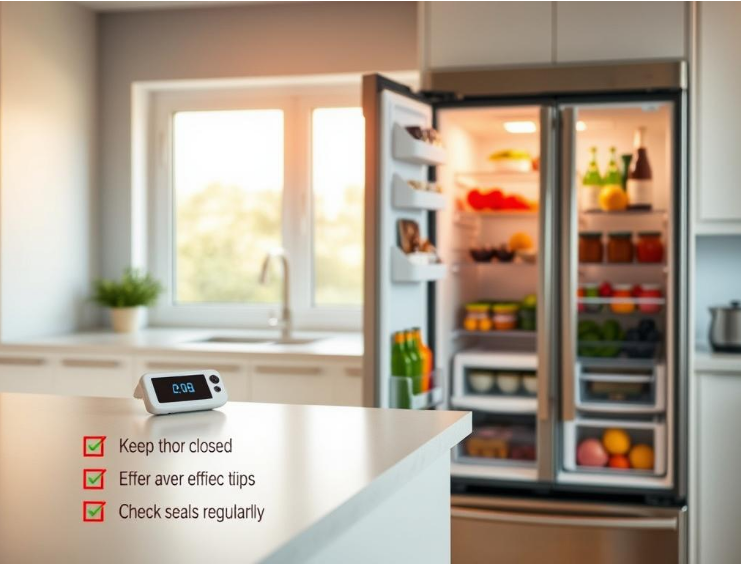
Discover the warning signs of refrigerator high energy consumption and learn how to identify if your appliance is draining power and increasing your bills.
Did you know that refrigerators consume approximately 13% of total household electricity in the United States? This surprising statistic highlights the critical importance of understanding refrigerator high energy consumption and maintaining an energy efficient refrigerator.
Every homeowner wants to reduce utility costs and minimize environmental impact. Recognizing early warning signs of excessive energy use can help prevent unnecessary spending and extend your appliance’s lifespan. Modern refrigerators are significant energy consumers, making it crucial to monitor their performance and efficiency.
Energy efficient refrigerator strategies begin with understanding how your appliance operates. Unusual electricity bills, strange noises, and frequent cycling are key indicators that your refrigerator might be working harder than necessary. These signs not only suggest potential mechanical issues but also signal potential energy waste.
In this comprehensive guide, we’ll explore the critical signs of refrigerator high energy consumption. You’ll learn practical techniques to diagnose potential problems, understand energy efficiency principles, and discover actionable steps to optimize your refrigerator’s performance.
Modern households rely on energy efficient appliances to reduce electricity costs and environmental impact. Refrigerators play a crucial role in home energy consumption, making it essential to understand their energy dynamics.
Energy efficiency represents the optimal balance between cooling performance and electrical input. High efficiency refrigerators use advanced technologies to minimize power consumption while maintaining exceptional cooling capabilities.
Energy efficiency in refrigerators involves maximizing cooling output while minimizing electrical energy input. Key factors include:
Energy Star certification helps consumers identify high efficiency refrigerators that exceed standard performance metrics. These ratings provide critical insights into potential energy savings.
| Energy Rating | Annual Energy Savings | Cost Reduction |
|---|---|---|
| Standard Model | No significant savings | Baseline costs |
| Energy Star Certified | 9-15% less energy | $50-$100 annually |
Kilowatt-hours (kWh) serve as the standard measurement for refrigerator energy consumption. Modern refrigerators typically consume between 400-600 kWh annually, compared to older models that could use up to 2,000 kWh.
Understanding these measurements helps consumers make informed decisions about their energy efficient appliances and potential long-term savings.
Detecting refrigerator high energy consumption early can save you money and prevent potential appliance breakdowns. Your refrigerator might be silently draining electricity without you realizing it. Recognizing the warning signs helps you take proactive steps to reduce energy usage and protect your wallet.
Your electricity bill can reveal critical insights about refrigerator energy efficiency. Sudden spikes in monthly charges without changing your lifestyle could signal a problem. Watch for these red flags:
Strange sounds from your refrigerator are more than just annoying – they’re potential indicators of high energy consumption. Excessive humming, clicking, or grinding noises suggest the compressor is working harder than necessary, consuming extra electricity.
A healthy refrigerator should cycle 4-8 times per hour. When your appliance starts cycling more frequently, it’s burning through energy unnecessarily. Tips to lower refrigerator energy usage include checking for:
By monitoring these warning signs, you can catch energy inefficiency early and take corrective action to reduce your refrigerator’s electricity consumption.
Controlling your refrigerator’s temperature is a crucial step to reduce refrigerator energy use. Proper temperature settings not only preserve food quality but also minimize unnecessary energy consumption.
The U.S. Food and Drug Administration recommends specific temperature ranges to ensure food safety and energy efficiency:
To accurately measure internal temperatures, use an appliance thermometer. Place it in the center of the middle shelf and wait 8 hours for a precise reading. Avoid relying solely on the control dial settings, as they may not reflect actual temperatures.
Setting temperatures too low forces the compressor to run continuously, wasting energy. Research shows that for every degree below recommended settings, energy consumption increases by approximately 5%.
Conversely, temperatures set too high can:
Inconsistent temperatures caused by faulty thermostats can lead to both energy waste and compromised food quality. When you notice persistent temperature fluctuations, it might be time to consult a professional appliance repair service to reduce refrigerator energy use effectively.
Refrigerator efficiency depends on multiple factors, and one of the most overlooked is the condition of condenser coils. These critical components play a vital role in helping you reduce refrigerator energy use by dissipating heat from inside the appliance.
Condenser coils are typically located at the back or bottom of your refrigerator. When dust, pet hair, and debris accumulate on these coils, they create a significant barrier that prevents efficient heat release.
Spotting dirty coils can help you take proactive steps to reduce refrigerator energy use. Look for these warning signs:
Cleaning condenser coils is a simple yet powerful way to improve your refrigerator’s energy efficiency. Follow these steps:
Regular maintenance can help reduce refrigerator energy use by up to 35%, making it one of the most cost-effective efficiency improvements you can make.
Pro Tip: If you’re uncomfortable cleaning the coils, consider hiring a professional appliance technician.
Door seals play a crucial role in maintaining an energy saving fridge. These rubber gaskets create an essential barrier that prevents cold air from escaping and warm air from entering. When seals become damaged, your refrigerator works harder, consuming more electricity and increasing your energy bills.
Identifying compromised door seals is straightforward with these simple methods:
Replacing door seals is a manageable DIY project for most homeowners. Follow these steps to ensure your energy saving fridge maintains optimal performance:
Pro Tip: Soften new gaskets with warm water to make installation easier and ensure a tight seal.
| Seal Condition | Energy Impact | Recommended Action |
|---|---|---|
| Minor Gaps | 10-15% Efficiency Loss | Immediate Replacement |
| Significant Damage | 25% Efficiency Loss | Urgent Replacement |
Note: If multiple seals are damaged or the door appears warped, consider professional replacement to ensure your energy saving fridge operates at peak efficiency.
Your refrigerator’s age plays a crucial role in its energy efficiency. As appliances get older, they become less effective at maintaining optimal temperatures and consume more electricity. Understanding the lifespan of refrigerators can help you make smart decisions about repair or replacement.
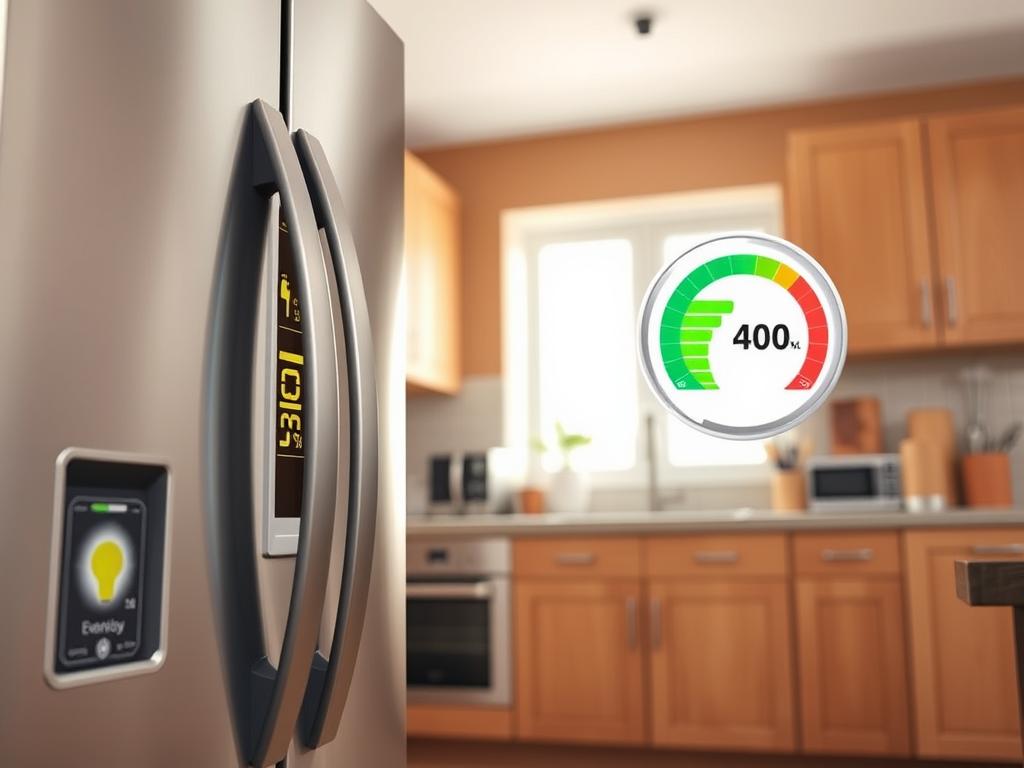
Most energy efficient refrigerator models have a typical lifespan of 10-15 years. Factors influencing longevity include:
Replacing an old refrigerator with a low energy consumption refrigerator can generate significant savings. Newer models offer substantial improvements:
Upgrading can save approximately $200-300 annually on electricity costs. Look for Energy Star certified models that guarantee superior performance and lower energy consumption.
Pro tip: Check your refrigerator’s serial number to determine its age and potential efficiency improvements.
Humidity plays a critical role in how much energy your refrigerator consumes. Many homeowners overlook this important factor when trying to reduce refrigerator energy use. Understanding the relationship between moisture and appliance performance can help you maximize efficiency and lower electricity bills.
High humidity levels can significantly increase your refrigerator’s energy demands. When moisture-laden air enters the appliance, it forces the cooling system to work harder. This additional strain leads to several energy-consuming challenges:
“In humid environments, refrigerators can consume up to 20% more energy compared to moderate climate conditions.”
To reduce refrigerator energy use, implement these practical humidity management strategies:
Proactive humidity control not only reduces energy consumption but also helps maintain optimal food preservation conditions. By understanding and managing moisture levels, you can significantly improve your refrigerator’s efficiency and performance.
Choosing the right refrigerator goes beyond aesthetic appeal. The design and configuration significantly impact energy consumption for low energy consumption refrigerators. Understanding how different models perform can help you make an informed decision that saves both energy and money.
When evaluating high efficiency refrigerators, configuration plays a crucial role in energy performance. Different designs can dramatically affect your appliance’s power consumption and overall efficiency.
Energy consumption varies significantly between refrigerator configurations. Here’s a breakdown of typical annual energy usage:
| Refrigerator Type | Annual Energy Consumption (kWh) |
|---|---|
| Top-Freezer Models | 350-500 |
| Bottom-Freezer Models | 400-600 |
| French Door Models | 500-700 |
| Side-by-Side Models | 600-800 |
Low energy consumption refrigerators can outperform these averages through advanced features like high-quality insulation, efficient compressors, and smart technology. When selecting a new refrigerator, consider both the base configuration efficiency and the specific model’s Energy Star rating.
Modern refrigerators have evolved beyond basic cooling, transforming into sophisticated energy saving fridge models that help homeowners reduce electricity consumption. Smart technology and innovative features now provide multiple ways to enhance the efficiency of an eco-friendly refrigerator.
Today’s refrigerators come equipped with advanced technologies designed to minimize energy waste and optimize performance. Understanding these features can help you make more informed choices about your appliance’s energy consumption.
Eco modes represent a significant breakthrough in refrigerator energy management. These intelligent settings offer several key advantages:
Many eco-friendly refrigerator models include specialized modes that automatically adjust cooling patterns. Vacation mode, for instance, maintains safe temperatures while dramatically reducing energy use during extended absences.
Smart refrigerators now offer unprecedented control over energy consumption through connected features:
While smart features may increase initial purchase costs, they provide valuable insights into energy usage patterns. Choosing an energy saving fridge with intelligent technology can lead to long-term savings and more efficient household energy management.
Keeping your refrigerator running efficiently requires consistent maintenance. By implementing strategic tips to lower refrigerator energy usage, homeowners can significantly reduce energy consumption and extend the appliance’s lifespan.
Regular maintenance plays a crucial role in how to reduce refrigerator energy use. Here are key tasks to keep your appliance running smoothly:
Consistent temperature management is critical for energy efficiency. Use an appliance thermometer to track internal temperatures regularly. The ideal refrigerator temperature ranges between 37-40°F, while freezers should maintain 0°F.
“Small maintenance steps can reduce refrigerator energy consumption by up to 30%” – Energy Star Recommendations
Strategic organization helps reduce refrigerator energy use:
Implementing these tips to lower refrigerator energy usage ensures optimal performance and potential long-term energy savings.
Refrigerator high energy consumption can sometimes indicate deeper problems that require professional expertise. While DIY maintenance helps, certain signs suggest it’s time to call an appliance repair specialist.
Identifying when refrigerator high energy consumption warrants professional intervention is crucial for preventing costly damage. Watch for these critical warning signals:
Selecting the right professional requires careful consideration. Not all technicians possess the specialized skills needed for complex refrigerator repairs.
Professional diagnosis can uncover hidden issues causing refrigerator high energy consumption, potentially saving significant money in long-term appliance maintenance and energy costs.
Pro Tip: If repair costs exceed 50% of replacement value, consider purchasing a new refrigerator.
Remember, refrigerator repairs involving electrical systems, sealed components, or refrigerant require certified technicians to ensure safety and prevent potential warranty voiding.
Maximizing your refrigerator’s energy efficiency doesn’t always require a massive investment. Smart homeowners can implement several practical strategies to reduce energy consumption and lower utility bills. Energy efficient appliances aren’t just about purchasing new models—they’re about optimizing what you already own.
DIY fixes can significantly impact your eco-friendly refrigerator’s performance. Simple actions like cleaning condenser coils, checking door seals, and adjusting temperature settings can yield surprising energy savings. Most of these interventions cost little more than time and minimal effort, making them attractive options for budget-conscious households.
When deciding between upgrading refrigerator components and purchasing a new unit, consider several factors. Repair costs, appliance age, and current efficiency all play crucial roles in making an informed decision. For refrigerators under eight years old with specific issues, targeted repairs might be more economical than full replacement.
Strategic upgrades can extend your refrigerator’s lifespan and improve its energy performance. Replacing worn door gaskets, installing accurate thermometers, and ensuring proper positioning can deliver meaningful efficiency improvements. By understanding these cost-effective solutions, homeowners can make smart choices that benefit both their wallet and the environment.