Our Location
1250 Beacon Street
Brookline, MA 02446
Discover which unnecessary kitchen appliance features add cost without value. Learn what to skip when buying appliances to save money and counter space.
Did you know that the average American household spends nearly $500 annually on kitchen appliances with useless features? The kitchen appliance buying guide reveals a startling trend of manufacturers cramming unnecessary technologies into devices that were once simple and efficient.
Modern kitchens are becoming cluttered with appliance features to avoid. Manufacturers have mastered the art of creating complex gadgets that promise convenience but ultimately deliver disappointment. These unnecessary kitchen appliance features often drive up prices without providing real value to consumers.
Consumer reports indicate that most home cooks use less than 30% of the advanced functions on their kitchen appliances. From WiFi-enabled toasters to smart refrigerators with touchscreens, the market is saturated with overengineered devices that complicate basic cooking tasks.
This guide will help you navigate the maze of useless appliance features. We’ll explore which high-tech additions are nothing more than marketing gimmicks and which truly enhance your cooking experience. By understanding what truly matters, you can make smarter purchasing decisions and keep your kitchen functional and streamlined.
Our comprehensive analysis will break down the most overrated kitchen technologies, helping you cut through the noise and focus on what really counts in your culinary space.
Kitchen appliance marketing has transformed the way manufacturers sell modern kitchen gadgets. The appliance industry trends now focus on creating technological spectacles that promise more than they deliver. Consumers find themselves trapped in a cycle of purchasing expensive appliance features that rarely justify their hefty price tags.
Manufacturers have mastered the art of overhyped kitchen technology by introducing complex solutions to problems that never existed. They leverage psychological triggers that make consumers believe more features equal better performance.
The reality of these technological additions is stark. Many consumers purchase high-end appliances with advanced features they rarely use. Manufacturers capitalize on the fear of missing out by creating narrative that suggests traditional appliances are outdated.
Technology doesn’t always mean improvement — sometimes it just means complexity.
Consumers should critically evaluate whether these advanced features truly enhance their cooking experience or simply drain their wallets. The appliance industry continues to push boundaries, but discerning buyers recognize that simplicity often trumps unnecessary technological complexity.
The world of smart kitchen appliances has exploded with WiFi-enabled devices that promise convenience but often deliver complexity. Connected kitchen devices are becoming increasingly common, transforming even the simplest kitchen tools into high-tech gadgets.
Manufacturers have begun embedding internet connectivity into everyday kitchen tools, creating a wave of IoT kitchen appliances that raise more questions than solutions. The trend of app-controlled appliances has reached absurd levels, turning straightforward kitchen tasks into technological challenges.
Consider the WiFi-enabled toaster, a prime example of technological overreach. These smart kitchen appliances often cost three times more than traditional models while providing minimal real-world benefits. Consumers find themselves paying premium prices for features that complicate rather than simplify their morning routine.
App-controlled appliances create unnecessary steps in simple tasks. Imagine needing to unlock your phone, open an app, wait for connection, and select settings just to brew coffee—when a single button press would suffice.
| Task | Traditional Method | Smart Appliance Method |
|---|---|---|
| Making Coffee | Press button | Unlock phone, open app, select settings, confirm |
| Toasting Bread | Set dial, push lever | Connect to WiFi, adjust app settings, monitor remotely |
These connected kitchen devices often introduce significant privacy and security risks. Manufacturers may abandon software support, leaving consumers with expensive, potentially vulnerable smart appliances.
Kitchen appliance specifications can be misleading, especially when it comes to blender speed options. Manufacturers often tout 15 or 20 variable speed appliances as a premium feature, but most home cooks only need three to four basic settings.
The reality of blender settings is surprisingly simple. Professional chefs and home cooks alike typically use only a few core speed levels:
Manufacturers create an illusion of complexity with intricate mixer speed settings. The difference between speed 7 and speed 8 is virtually imperceptible. These incremental options create unnecessary confusion for users who want straightforward kitchen appliance performance.
| Speed Range | Practical Usage | User Complexity |
|---|---|---|
| 3-4 Speeds | Ideal for most home cooking | Low |
| 10-15 Speeds | Mostly redundant options | High |
| 20+ Speeds | Marketing gimmick | Overwhelming |
When selecting a blender, focus on motor power and blade design rather than counting speed settings. Simple, reliable controls will serve you better than complex digital interfaces that promise precision but deliver confusion.
Modern kitchen technology has gone beyond practical innovation, introducing high-tech kitchen features that often complicate rather than simplify cooking experiences. Manufacturers have been pushing unnecessary appliance technology into everyday kitchen tools, creating more complexity than convenience.
Consumers are increasingly encountering touchscreen appliances and digital appliance displays that promise advanced functionality but deliver minimal practical benefits. These trendy features typically come with significant price increases while adding little real value to kitchen performance.
Touchscreen appliances have become a marketing gimmick that rarely improves user experience. Kitchen environments demand robust, easy-to-clean interfaces, yet these digital displays create multiple challenges:
Automatic dispensers represent another category of unnecessary kitchen technology. While they sound impressive, these features introduce unnecessary complexity:
| Appliance Type | Cost Increase | Practical Limitations |
|---|---|---|
| Smart Refrigerators | 50-60% | Limited ingredient flexibility |
| Automated Coffee Makers | 40-45% | Complex cleaning requirements |
These advanced features often create more problems than they solve, transforming simple kitchen tools into unnecessarily complicated machines.
Self-cleaning appliances might sound like a dream come true, but the reality often falls short of expectations. Many consumers invest in these so-called easy-clean appliances, only to discover that the maintenance features are more complicated than traditional cleaning methods.
Self-cleaning ovens, in particular, present significant drawbacks. The extreme heat cycles used for burning off residue can cause serious problems:
The appliance cleaning features marketed as revolutionary often require substantial trade-offs. A typical self-cleaning oven cycle can take 3-5 hours, consuming massive amounts of energy and producing unpleasant odors. The high temperatures can stress critical components, potentially leading to expensive repairs that far outweigh the convenience.
Other kitchen appliances with self-cleaning claims aren’t much better. Coffee makers with automatic rinse cycles and air fryers with “non-stick” coatings still demand significant manual intervention. Truly effective cleaning relies more on smart design than complicated automated systems.
Consumers should prioritize appliances with removable, dishwasher-safe parts over complex self-cleaning mechanisms. The most reliable cleaning method remains careful manual maintenance using appropriate cleaning products.
Kitchen enthusiasts often fall prey to the allure of multi-function appliances that promise convenience but deliver disappointment. These combination kitchen gadgets might seem like smart investments, but they frequently compromise quality for versatility.
The promise of all-in-one appliances sounds tempting, but reality tells a different story. Versatile kitchen tools that attempt to perform multiple tasks typically end up performing none exceptionally well.
Multi-purpose kitchen devices often suffer from critical performance issues:
Consider the typical problems with these multi-function appliances:
| Appliance Type | Promised Functions | Actual Performance |
|---|---|---|
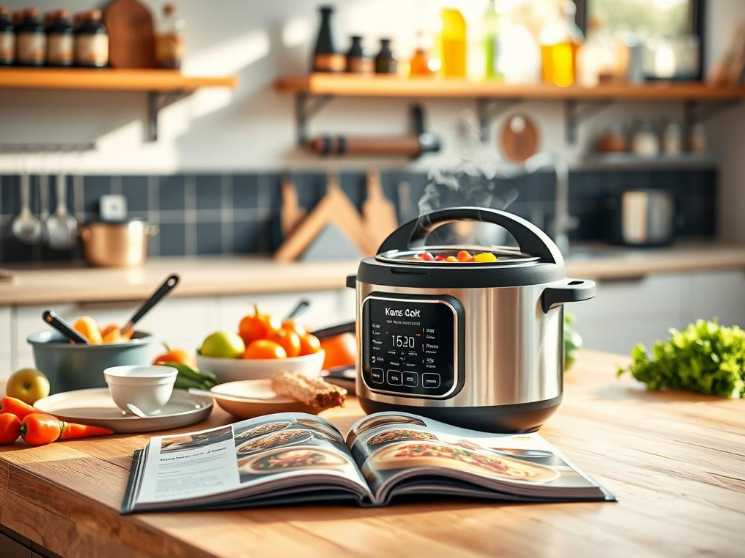
| Pressure Cooker-Slow Cooker Combo | Multiple Cooking Methods | Limited Temperature Control |
| Blender-Food Processor | Chopping, Blending, Mixing | Mediocre Results in Each Function |
| Toaster Oven-Air Fryer | Toasting, Baking, Air Frying | Uneven Cooking, Inconsistent Performance |
Professional chefs and home cooks agree: specialized tools consistently outperform jack-of-all-trades kitchen gadgets. Investing in dedicated appliances might seem more expensive initially, but they provide superior performance, reliability, and cooking results.
Before purchasing a multi-function appliance, carefully evaluate its actual capabilities. Sometimes, simplicity and specialization trump complex, all-in-one solutions.
Luxury kitchen appliances often come with eye-catching premium materials that promise sophistication but rarely deliver real value. Stainless steel appliances have become a hallmark of modern kitchens, yet their expensive appliance finishes frequently provide more style than substance.
Manufacturers leverage consumer desire for high-end looks by introducing elaborate material choices that dramatically increase prices. Brushed metal finishes, copper accents, and glass panels might look impressive, but they rarely enhance appliance construction quality.
Consumers should understand that premium appliance materials don’t automatically translate to superior performance. Well-designed plastic components can match or exceed metal counterparts in durability and efficiency.
| Material | Cost Impact | Performance Benefit |
|---|---|---|
| Stainless Steel | High | Minimal |
| Chrome Accents | Medium | None |
| Engineered Plastics | Low | Significant |
Smart shoppers recognize that functional performance trumps aesthetic embellishments. When selecting luxury kitchen appliances, prioritize practical features over expensive material upgrades that contribute little to actual cooking capabilities.
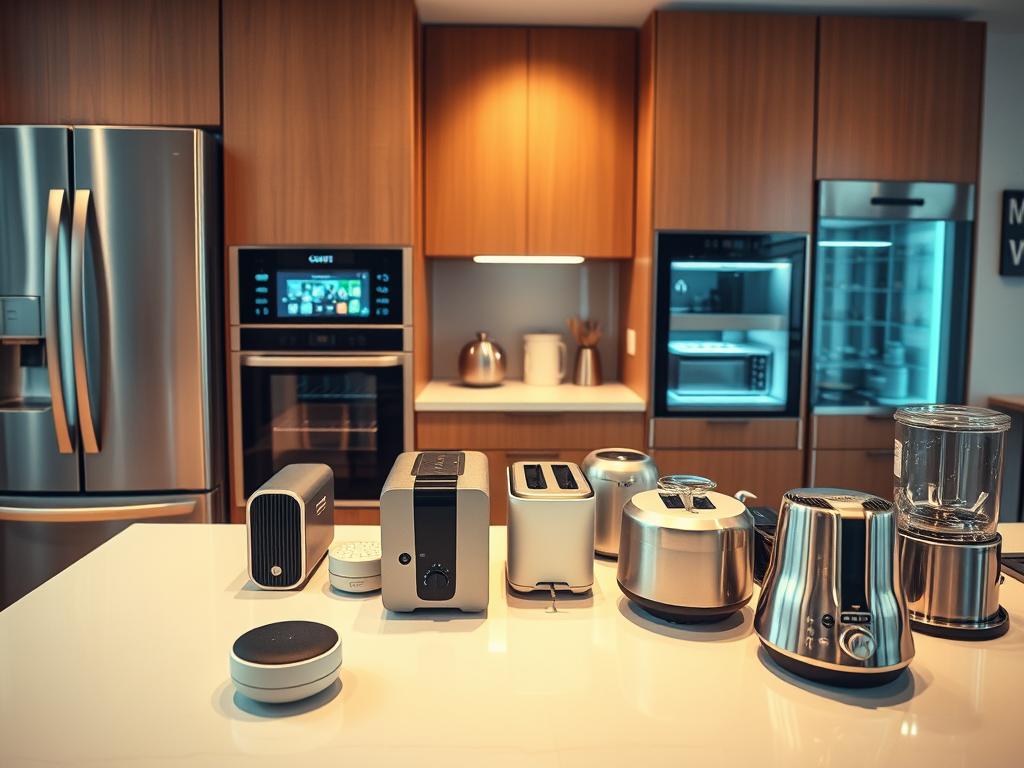
The latest trend of voice-controlled appliances and AI kitchen appliances has swept through modern kitchens, promising unprecedented convenience. Yet, the reality often falls short of the technological hype surrounding smart home integration.
Voice assistant appliances might seem cutting-edge, but they frequently introduce more complications than solutions. Kitchen environments present unique challenges for voice recognition technology:
The privacy concerns are equally significant. Always-listening microphones in kitchens raise questions about data collection and personal information security.
Artificial intelligence cooking features often represent sophisticated marketing more than genuine innovation. Many so-called AI-enabled appliances use basic algorithms disguised as intelligent technology.
While technological advancement continues to evolve, consumers should critically evaluate whether these voice-controlled and AI-integrated kitchen tools truly enhance their cooking experience or simply add unnecessary complexity.
Kitchen appliance shopping requires strategic thinking beyond flashy features. Smart appliance shopping means focusing on practical appliance features that truly enhance your cooking experience. The best kitchen appliance choices prioritize core functionality and reliability over complex technological gimmicks.
When evaluating kitchen appliance value, consider your actual cooking habits. Most consumers get trapped by marketing promises of high-tech capabilities they will rarely use. Money-saving appliance tips often revolve around selecting straightforward tools with robust construction and intuitive design. Brands like KitchenAid and Cuisinart excel by creating durable products that perform essential tasks efficiently.
Modern kitchen technology should simplify cooking, not complicate it. Look for appliances with clear controls, easy maintenance, and proven track records. Read consumer reviews that discuss long-term performance rather than initial impressions. Your goal is investing in kitchen tools that genuinely support your culinary needs without unnecessary complexity.
Ultimately, the most satisfying kitchen investments are those aligned with your personal cooking style. Resist marketing pressures and choose appliances that offer genuine utility. A well-selected, simple appliance will serve you better than a feature-laden device that promises more than it delivers.