Our Location
1250 Beacon Street
Brookline, MA 02446
Is your wine cooler not cooling properly? Discover easy checks for ventilation, thermostat settings, and door seals to get it running right.
About 40% of wine collectors face temperature issues that threaten their stored wines. These challenges silently risk the quality of cherished bottles at home.
When wine coolers fail to cool, your reds and whites can suffer. They might lose their aroma, age too fast, or change taste. The best temperature for storing many wines is between 51–55°F. Tiny temperature changes can speed up the spoilage process.
Start solving wine cooler problems by checking the basics. Make sure it’s powered and set correctly. Use an accurate thermometer to check the temperature. Also, look at the door seals and airflow. Issues often stem from thermostats, dirty coils, a weak compressor, blocked air, or heat from outside.
Some solutions are easy and can be done yourself. You might just need to clean coils or adjust a door seal. But, for bigger issues like fixing the compressor or electronics, you’ll likely need help. It’s important to know how to address cooling problems quickly. This can save your wine collection from damage and cut down on repair costs.
It’s annoying when your wine feels warm but the display reads normal. This guide explains common reasons and how to fix them.
Sometimes the settings are wrong or accidentally changed. The display’s temperature might not match inside. Check with a good fridge thermometer.
Experts often suggest keeping it between 51–55°F for various wines. If you adjust the thermostat, give it 24 hours to settle.
First, ensure the cooler is plugged in and the power works. No lights or display usually means a power issue or busted board.
Switching it off and on might fix minor problems. If power issues persist, you’ll likely need a professional’s help.
Leaks or a bad compressor can halt cooling. This isn’t as common as other issues, but it’s possible.
If the cooler is warm with odd noises from the compressor, it’s a sign. Fixing leaks or compressor troubles is pricey and needs experts.
Follow these tips if your wine fridge isn’t cool enough. Properly troubleshooting can save time and shows when to call in pros.
A wine cooler works best with good ventilation. If not, the compressor and condenser struggle, using more energy. This also shortens its life. So, checking vents and clearances is key in maintenance.
Condenser coils release heat with steady airflow. Freestanding units need 3–6 inches around the back and sides for this. If possible, they also need about 20 inches of space above. Built-in models mostly use front vents for air circulation.
When vents are blocked, cooling drops, and overheating happens. This makes wine coolers fail to cool properly.
Keep coolers away from heat sources like ovens and direct sunlight. They work best in rooms under 77°F. Avoid places hotter than 86°F.
Make sure the cooler is level. This ensures good refrigerant flow and cooling.
Dust or debris blocking air flow is a problem. So is covering vents on built-in models. A freestanding cooler in a cabinet can overheat.
For good maintenance, check the air grille regularly. Clean it and adjust the unit’s position if needed. This keeps your wine cooler working right.
Begin by making sure the thermostat works before fixing anything. A fast check can point you in the right direction. It tells you if the problem is with the unit, wires, or controls. Follow easy steps every time so you can see patterns that might explain temperature problems with your wine cooler.
Put a separate thermometer in the middle of the cooler and shut the door. Set it to a good temperature between 51–55°F and leave it alone for a few hours.
Adjust the temperature a little and listen for the sound of the compressor or fan starting. If the compressor kicks in after lowering the temperature, the thermostat is probably working fine. Keep an eye on both the thermometer and the cooler’s display for a day to see normal and odd temperature changes.
If the thermometer and the display show different temperatures, try resetting the control panel. Then do the thermostat check again. For smart or built-in controls, you might need to follow a reset guide from the user manual.
Big differences between the cooler’s display and the thermometer signal trouble. Large or constant temperature differences mean the sensor or its settings might be off.
If the compressor turns on and off too much, it could mean there’s a problem with the thermostat or control board. A thermostat that doesn’t activate the compressor or fan when it gets hot can make the cooler warm up. This is often why wine coolers don’t keep the right temperature.
Too much cooling, making it almost a freezer, is another sign. This could mean a relay is stuck or a sensor is wrong. If you think it’s a thermostat issue, fixing it can cost differently based on the cooler model. Smart systems might cost more and may need a professional from the manufacturer to fix cooling problems.
A good door seal is essential for keeping cool air in and warm air out. If your wine fridge isn’t cold enough, the gasket might be to blame. Small gaps can let in humid air, making the fridge work harder and increasing humidity.
To spot issues quickly, do some easy checks. Feel around the door for any drafts. Next, put a piece of paper between the seal and the fridge, then close the door. If the paper pulls out without effort, the seal could be damaged.
Examine the seal for any cracks or areas that look off. Check the hinges and how the door closes too. A door that doesn’t line up right can make the seal wear out faster.
How to inspect and replace seals
New gaskets are priced between $20 to $60 for brands like Frigidaire, Whirlpool, and Danby. Keeping up with gasket checks is key to avoiding issues with your wine cooler’s temperature.
After changing a seal, watch the temperature for a day or two. Make sure the cooler works as expected and that humidity drops. Keeping the door well-fitted and regular maintenance will help your wine stay in perfect condition.
Cleaning condenser coils is easy but crucial. It stops a wine cooler from not cooling right. Dust and lint cover the coils like a blanket. This makes the compressor work harder and use more energy. Keeping your wine chiller maintained means it cools better and lasts longer.
Condenser coils take heat away from the fridge. But, when they get dirty, they can’t move heat well, and the system gets too hot. Even small clogs near the compressor and fan can make the cooler not work as it should.
Before you start, gather these tools: a vacuum with a brush, a coil brush, soft cloths, mild cleaner (if allowed), and a screwdriver to open panels. Always unplug the cooler first to avoid getting shocked.
In dusty areas, clean more often, like every two months. At least, do it every three months. If you’re still having issues, a professional clean costs $20–$50. It might help when DIY doesn’t fix the cooling problem.
| Task | Frequency | Tools | Typical Cost |
|---|---|---|---|
| Basic coil vacuuming | Every 2 months in dusty areas, quarterly otherwise | Vacuum with brush, coil brush | $0 if DIY |
| Deep wipe and compressor area clean | Quarterly | Soft cloths, mild cleaner (if approved) | $0 if DIY |
| Professional condenser cleaning | Annually or as needed | Technician tools and cleaning solutions | $20–$50 |
The compressor is like the heart for a wine fridge. It works by moving refrigerant, turning low-pressure gas to high-pressure. This action helps throw out heat and keeps your wine cool. Keeping the compressor working right is key to stable temperatures and good wine.
The compressor squeezes the refrigerant, sending it to the condenser coil to lose heat. Then, the cooler refrigerant expands in the evaporator, pulling heat from inside the fridge. Fans and thermostats control this process, ensuring the inside climate stays just right.
Signs of trouble include the fridge staying warm while lights and fans work. Or, the wine cooler not cooling even though it’s on. Sounds like clicking, humming, or loud vibrations are clues too. If the compressor cycles on and off too much or won’t start, pay attention.
Start with simple checks. Clean around the compressor and condenser. Check the power source and circuit breaker. If issues don’t clear up, it’s time to call a pro. Handling compressor issues and refrigerant needs someone with the right skills and license.
wine cooler repair tips suggest making notes of any odd sounds, checking temperature changes, and sharing your fridge’s model info with the repair technician. This helps get a more exact cost estimate. Replacing a compressor might cost between $150 and $400, based on your fridge model and the work needed.
When your wine cooler isn’t cooling right, it’s often due to electrical issues. A simple check of the power and wiring could save time. It also avoids harm to your wine collection. Make sure to read the following steps before you reach out for professional help.
Begin at your home’s electrical panel. If the cooler doesn’t work or keeps turning on and off, try resetting the circuit breaker. Also, test the outlet with a lamp or toaster. Sometimes, GFCI outlets turn off without clear reasons. Just reset any GFCI to see if the cooler works well afterwards.
If resetting makes the breaker trip again while the cooler is on, stop trying to reset it. This shows there’s a stubborn problem with the cooler or your house’s wiring. Now, it’s best to call a skilled electrician or a technician who specializes in fixing wine coolers.
Look over the power cord for any damage like cuts, frays, or scorch marks. Check that the plug connects tightly to the outlet. A poorly connected cord may cause issues with the cooling cycles starting up.
Problems inside, like bad wiring, a broken control board, or a faulty power supply, might stop the compressor and fans. If there’s an error message, it’s usually about the control board. Refer to the user manual, then call the manufacturer for help obtaining the right replacement parts.
If your wine fridge keeps having electrical problems, don’t try fixing it yourself. Contact professionals from known brands like Bosch, LG, or Sub-Zero. They can safely figure out what’s wrong with control boards and PSUs. Following these tips on fixing your wine cooler can lessen risks and fix the cooling issue.
Temperature changes in a wine cooler can stress bottles and alter their flavor. Small shifts are expected when you open the door. But large or ongoing changes signal bigger issues with the wine cooler’s temperature that need fixing.
What you see inside often doesn’t match the room’s temperature. A thermometer inside, placed in the middle, shows what’s really happening around your wine.
Things like direct sunlight, ovens, or nearby appliances can raise the temperature inside the cabinet. And if built-in units don’t have enough space in front, they can trap heat, making temperature control harder.
To start, check your cooler’s temperature setting and don’t open the door for 24–48 hours. This helps stabilize it. Keeping the door closed as much as possible also stops the temperature from swinging too much, especially if you’ve been opening it a lot.
Make sure your cooler has good airflow. Clean the condenser coils often and make sure the fan works. Don’t fill the shelves too much, as that can block the air inside and make temperature issues worse.
If you still have problems, check if the thermostat is working right. If you follow these steps and still see temperature fluctuations, it might be time to call a pro. This will help you find the cause and get your cooler working right again.
| Issue | Quick Check | Action |
|---|---|---|
| Temperature swings after door use | Frequent openings; warm room | Reduce openings; keep thermometer on middle shelf |
| Wine refrigerator not cold enough | Setpoint correct but warm inside | Clean coils; verify fan; check ventilation |
| Irregular short-term fluctuations | Thermostat cycles rapidly | Test thermostat accuracy; troubleshoot wine cooler problems |
| Built-in unit runs but warm | Front vent obstructed | Ensure clearance for proper exhaust |
| Overpacked shelves causing hot spots | Poor airflow around bottles | Rebalance load; create space between bottles |
In the warmer months, a wine cooler might work harder than it’s supposed to. High temperatures make the cooling system less efficient, so it runs longer and gets hotter. This means there’s a bigger risk your wine cooler won’t keep things cold, especially if the room’s over 86°F.
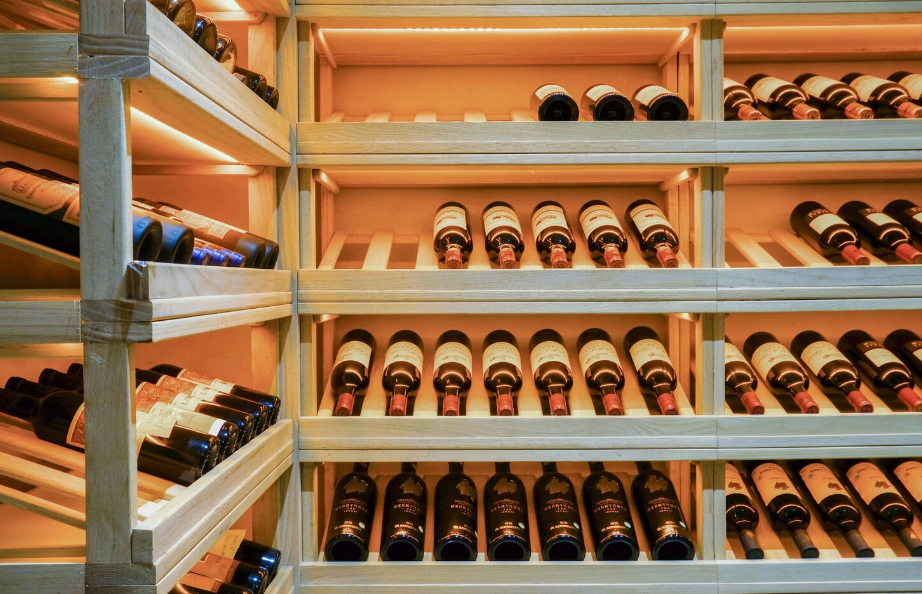
During summer, the area around your wine cooler gets hotter. This makes the cooling fluid work harder, which could harm the compressor and reduce its lifespan. If it’s really hot, the thermostat might not read temperatures correctly, leading to uneven cooling inside.
Keeping your cooler next to heat-producing appliances or in the sunlight makes cooling even harder. A tight door seal doesn’t help much if the room itself is too warm. These issues often explain why a wine cooler isn’t cooling effectively.
Changing the cooler’s location helps. Move it to a cooler spot or away from heat sources. Using a fan or adjusting your HVAC can improve air flow and fix cooling problems related to the season.
Regularly cleaning vents and coils is key for upkeep. Increase space for air to flow around the unit and monitor temperatures closely when it’s hot. If moving the cooler isn’t an option, consider a model designed for higher temperatures or have a pro check the compressor and cooling system.
Keeping your wine fridge in top shape is easy with a few habits. Regular upkeep prevents most cooling problems and makes your appliance last longer. Here’s a guide on daily tasks and a maintenance schedule for great performance.
Start simple: clean the shelves, take care of spills, and dust off the vents. Use safe cleaners like those from Sub-Zero, Frigidaire, or Bosch to avoid damage.
Next, vacuum the condenser coils and around the fan to get rid of lint and pet hair. A soft brush attachment is perfect for this. Cleaning the coils lessens the compressor’s work and prevents cooling issues.
Check and clean the door gaskets with gentle soap. A good seal keeps the cold air inside and saves energy. Make sure bottles are spaced out to let air move freely.
Set up a simple check-up calendar. Record temperatures every 1–3 months with a good thermometer. Look for any patterns in the readings.
Clean the coils every two months, or every three months if there’s not much dust. Check the gaskets every quarter and replace them if they’re worn. Fix or replace small parts like fans quickly; they usually cost between $30 to $100.
Do a general check-up every 1–3 months. Make sure the thermostat works well, listen for weird sounds from the compressor, and ensure vents are clear. Keep a log of your maintenance to catch any slow declines early, avoiding sudden repairs.
If your wine fridge still doesn’t work after you’ve checked the power, thermostat, gasket, coils, and vents, it’s time for professional help.
If it stays warm, makes odd noises, leaks refrigerant, or shows error messages, stop trying to fix it yourself. These problems usually need special tools and skills that most of us don’t have.
If your wine cooler isn’t cooling or the compressor sounds wrong, you need an expert.
Fixing refrigerant leaks, changing the compressor, and solving electrical issues are jobs for certified technicians. Also, if you see an oily spot near the cooler, cooling drops after moving, or electrical issues, call for help.
If your cooler is still under warranty, start with the brand’s support like Sub-Zero, Whirlpool, or LG.
For others, find a skilled refrigeration or HVAC expert. Look at reviews, get quotes, and check for warranties on parts and labor. Repairs might cost $20 to $100 for small parts and $150 to $500 for big jobs like the compressor.
To pick the best person for the job, make sure they’re certified to handle refrigerant, have worked on wine coolers before, and can give references. Knowing who to call can save you money and keep your collection safe.