Our Location
1250 Beacon Street
Brookline, MA 02446
Speed up laundry day! Discover practical solutions for when your washer dryer takes too long, from cycle optimization to sensor checks.
Did you know? U.S. families lose up to two hours weekly due to slow washer-dryers.
Feel like your washer-dryer drags on forever? You’re in good company. Long cycles annoy many and hike energy costs. Often, slow speeds stem from simple things like settings, how much you’re washing, or lack of upkeep.
We’re here with easy, actionable tips. Discover common slip-ups, tweak settings for quicker washes, and trim drying time. Advice comes from big names like LG, Samsung, Whirlpool, and GE, as well as expert appliance techs across the U.S.
Start with simple steps today. Try higher spin speeds, clean out lint traps, and check your vents. Look out for clues it’s time to call in an expert. Plus, learn how savvy features can speed up cycles and save power.
Having long wash or dry cycles is frustrating for busy families. A slow washer dryer turns easy tasks into big time-wasters. Here are the main reasons your washer dryer might be slow, and how each one affects the cycle.
Incorrect load size can mess with the machine’s settings. Too small loads cause the machine to add time to balance water usage. Brands like LG and Samsung suggest ideal load sizes for optimal results. Too few items cause issues with tumbling and rinsing, leading the machine to extend cycles for cleanliness.
Overloading the drum leads to a separate issue. Filling the unit too much with large items prevents effective washing. This results in less efficient spinning and leaves clothes wetter, making drying take longer. Overloading can also damage the machine over time.
Inefficient wash settings are another common, but avoidable, problem. Settings like sanitize, extra rinse, or heavy soil add to cycle time. Eco modes are designed to be longer to save resources. Also, sensors adjusting for soil level or load balance can increase cycle times, leading to the most energy-consuming operations.
These issues often combine for worse effects. For example, a too-full drum with heavy soil settings greatly extends cycles. But, properly sizing your load and choosing the right settings can make cycles shorter and your appliance last longer.
Choosing the right cycle keeps clothes fresh and tackles washer dryer efficiency issues. Here’s a guide to cycle types, their uses, and how cycle length affects results. This info is useful for fixing slow laundry appliances or optimizing daily laundry speed.
Normal/Regular uses moderate actions and a balanced spin with warm or cold water for everyday items. It gets rid of everyday dirt without harming the clothes.
Permanent Press reduces motion and slows the spin to keep clothes from wrinkling. Using warm water to wash and cool water to rinse is best for synthetics.
Delicates gently washes, spins slowly, and uses cold water to protect fragile items. This cycle avoids stretching and harm to delicate fabrics.
Heavy Duty increases movement, water temperature, and spin strength for cleaning tough items. It’s good for work clothes and heavily dirty things.
Quick Wash shortens washing and spinning times for small, not very dirty loads. It’s a time and energy saver when full wash power isn’t needed.
Eco / Energy Saver makes cycles longer but uses less water and heat. It saves energy while cleaning moderately dirty items over more time.
Steam / Sanitize uses high heat or steam to kill germs. This option usually takes more time and energy.
Timed Dry vs Sensor Dry is about drying control. Timed dry runs for a preset time, sensor dry stops when the clothes are dry.
Use Quick Wash for small, lightly dirty items to save time. It’s useful when machines are slow, but not for tough stains.
Use Heavy Duty for clothes with mud or grease, or thick towels. It cleans better with its strong actions and heat, but may take longer.
Use Delicates for items like lace and silk to avoid damage. Permanent Press is best for synthetic clothes to reduce wrinkles.
Don’t mix heavy and delicate items in the same load. Mismatching cycles can cause issues and may make the wash take longer than needed.
Longer cycles are better at removing stains, giving more rinse time, and cutting down on wrinkles. Soaking and extra rinses lift dirt from clothes.
Short cycles are quicker and use less energy but might leave residues. They’re for light washes, not deep clean jobs.
Sensor-based cycles adjust time based on how moist the load is. This helps keep the wash efficient without hurting cleaning quality.
Washer-dryer combos usually take longer than separate units. They’re gentler and combine washing and drying, which can slow down laundry tasks.
Today’s combo units and dryers use smart sensor-dry technology to save energy and protect your clothes. They measure moisture in the drum, adjusting heat and time to dry garments perfectly. Knowing how they function can help you troubleshoot problems or improve drying cycles.
Inside the drum, these machines have either metal strips or electronic probes that detect moisture levels. As clothes tumble and dry, the sensor monitors the moisture, telling the machine when to stop or keep going. Unlike timed dry, sensor dry stops when clothes are just right, saving energy and time.
Look out for these signs that your sensor might not be working right:
Before you think about replacing anything, try these simple steps. Always unplug the dryer first to keep safe.
Often, just a bit of cleaning can get your dryer back in shape. But if you’re unsure, it’s wise to call in a pro. They can fix things up and make sure your humidity sensor washer dryer runs smoothly.
Making small changes can reduce wash time and keep your clothes looking great. Select settings based on how dirty your clothes are and what they’re made of. By doing this, you can speed up your washer dryer and stop it from always running slow.
Use the Quick Wash for items that aren’t very dirty and Normal for daily clothes. Choose a high spin speed for fabrics that can handle it. This removes more water and cuts down drying time. Don’t use extra rinse or high soil settings unless you need to. This will keep cycles shorter.
For tough stains, warm water works best. Use cold water for bright colors to protect them and speed up washing on some models. Eco modes are great for saving energy without making wash times too long when you’re not in a hurry.
Deal with stains before washing to skip longer wash cycles. Enzyme removers are good for blood and grass stains. Dish soap gets grease out well.
Use an enzyme treatment for protein-based stains, then wash quickly. Doing this right the first time avoids having to wash things again, saving you from washer dryer problems caused by extra washing.
Sort laundry by how heavy and dirty items are so your machine works efficiently. Wash heavy items like towels separately from light ones. This prevents the need for longer washes to get everything clean.
If you have mixed loads, choose gentle cycles or wash items separately. This keeps clothes in good shape and makes your machine work faster. Proper sorting also means less wear on clothes and quicker cycles, helping your washer dryer work better and faster.
If your washer dryer is slow, you can make small changes to speed it up. Smart habits and practical choices can help a lot. Here, we’ll talk about how to improve spin efficiency, airflow, and the right temperature settings.
Using a high spin speed during washing takes out more water, making clothes dry faster. Choose the highest RPMs your clothes can handle. For heavy items like towels and jeans, an extra spin cycle works wonders in removing water.
It’s important to remember that combo washer-dryers usually have lower spin speeds than separate washers. Always check your model’s guide to avoid harming delicate fabrics.
A big reason for slow drying is clogged vents and ducts, which also increase fire risk. Always clean the lint screen after you use the dryer. And vacuum out the dryer vent to keep it clear, at least every few months.
You should get a pro to clean your ducts each year, especially if they’re long or tricky. Make sure the outside vent opens easily and nothing blocks it.
High heat works fast but can ruin some clothes. Try using settings that adjust based on what you’re drying. Use high heat for tough items like towels, but keep it low for delicate and synthetic fabrics.
To dry clothes faster without using high heat, dry smaller loads. Adding dryer balls also helps because they separate the clothes, improving airflow. These tips keep your clothes safe while speeding up drying time.
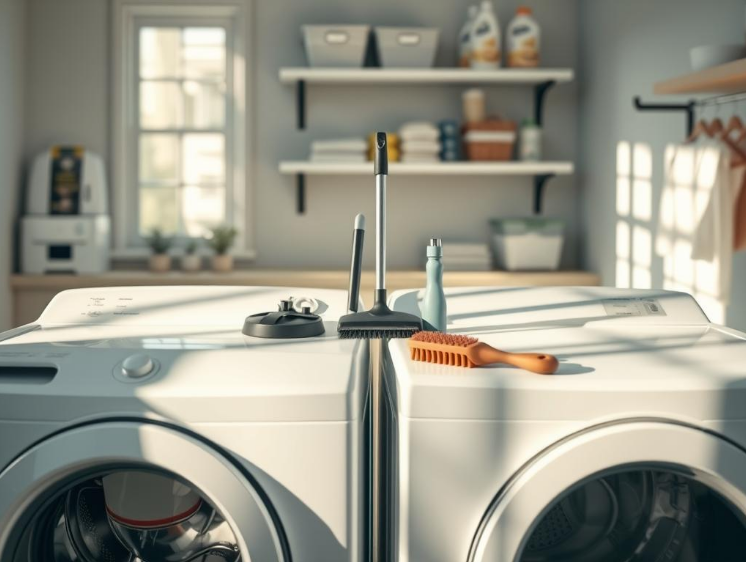
Routine care keeps a washer-dryer working well. Doing small, regular tasks avoids problems and spots issues early. Here are steps to keep drying times short and cycles efficient.
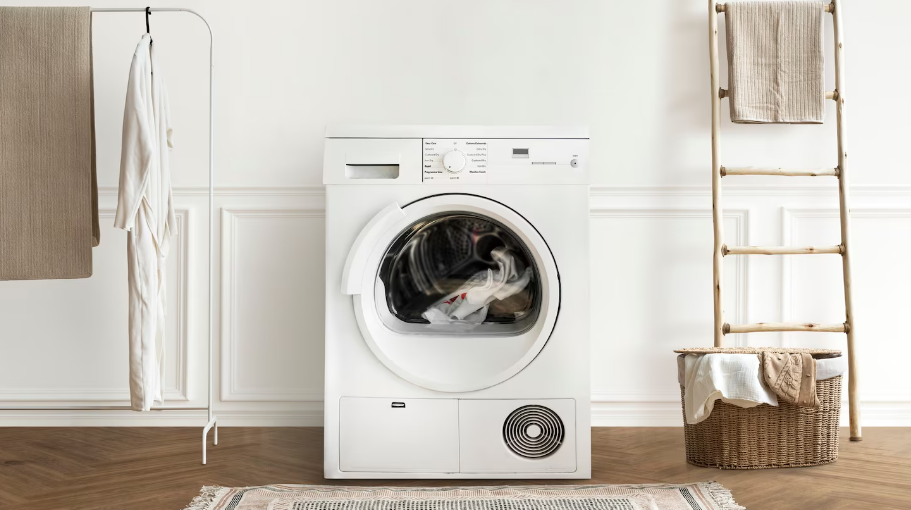
Regular Cleaning of Lint Filters
Clean the lint screen after each dry cycle to improve airflow and avoid longer drying. In combo units, check the main lint trap and any additional filters. Take out lint, wash filters with water, and dry them before putting them back.
Checking Hoses and Vents for Clogs
Look over inlet and drain hoses for any damage or blockages. Periodically remove hoses to check for obstructions inside. Use solid venting for dryers to increase airflow and reduce lint build-up.
Change rubber hoses every five years if they are brittle or cracked. Clean the vent from the dryer to outside to prevent blockages that slow drying.
Routine Inspection of Machine Components
Every few months, check door seals, bearings, belts, motor, and water screens. Damaged belts or a bad motor can slow down the spin and make cycles longer. Listen for odd noises that could mean the bearings are worn.
Use the maintenance guide in your machine’s manual, from brands like GE and Whirlpool. Keep a maintenance log of cleanings, parts changed, and fixes. This record will help identify problems and speed up repairs by technicians when needed.
Longer wash and dry times make your utility bill go up. Using the heater, motors, and longer running times means more electricity or gas gets used. Picking the correct cycle and settings can reduce wasted energy and be more cost-effective.
Extended cycles increase hours of heating and spinning. A dryer set too long can use twice as much energy. This happens versus using a cycle that stops when clothes are dry.
Choosing timed drying means the heat stays on longer than needed, costing more, especially if the dryer doesn’t stop automatically.
Fill your machine to its recommended capacity. Wash with cold water to cut down on heating costs. Use high spin speeds to remove more water, making drying quicker.
Also, choose sensor-drying to avoid running the dryer too long. Cleaning lint filters and vents makes your machine run efficiently. Avoid using extra rinses or pre-washes unless necessary. And, wash clothes during off-peak hours to save money.
Using efficient cycles saves energy and lowers your bills. Shorter cycles also mean less wear on your machine, possibly extending its life. These cycles are also gentler on your clothes.
Developing energy-saving habits and using ENERGY STAR appliances could lead to rebates. This approach saves you money and helps the planet by reducing energy waste.
If your washer dryer is slow even after simple checks, it’s time for a professional. Basic home remedies like cleaning lint or tweaking settings can help. But, if you notice ongoing delays, weird smells, or error messages, a technician should check your appliance to prevent hazards.
Here are the signs that mean you need a service call.
Watch out for cycles that drag on even after you’ve tried fixing simple issues. Be aware of unusual sounds during the spin or dry cycles. Also, if it doesn’t spin fast enough or error messages stay on, it’s a problem.
If clothes stay wet after a long cycle, you see leaks, or smell something burning, act fast. Shut off and unplug the machine immediately if you see smoke or smell a strong burning scent, for safety.
Sometimes, fixing requires special parts and tools. For example, a broken moisture sensor might make the dryer run longer than needed.
Problems can arise from faulty thermostats, heating elements, or motors, leading to extended cycles. Combo units might have clogged condensers that require taking apart. Typical repairs include fixing worn belts, control board issues, and clearing or repairing vent ducts.
Specific brands have common issues. For example, Samsung machines often have control board problems. LG combos might have issues with their humidity sensors, and Whirlpool models could suffer from venting or belt problems. Knowing these patterns helps technicians diagnose and repair more quickly.
Go for certified technicians. This includes those recognized by manufacturers or with the right certifications. Always check their reviews and confirm they have the necessary license and insurance.
Always get a written estimate. Ask them about warranties on their work and the parts they use. Choosing someone your appliance’s brand authorizes can also help protect your warranty. Plus, it ensures the right parts are used for repairs.
| Issue | Likely Cause | Professional Action |
|---|---|---|
| Washer dryer takes too long | Faulty humidity sensor or control board | Diagnose sensors, replace control module if needed |
| Solutions for slow dryer | Clogged vent or condenser, weak heating element | Clean vents/condensers, test and replace heating element |
| Persistent long wash cycles | Drain or pump failure, timer issues | Service pump, replace timer or electronic controls |
| Unusual noises | Worn motor bearings, belt, or drum supports | Inspect and replace bearings, belts, or supports |
| Damp clothes after full cycle | Spin motor problem or vent blockage | Test spin speed, clear venting, repair motor |
Modern washer-dryers have features that save time and make laundry easier. Brands like LG TwinWash, Samsung EcoBubble, and Whirlpool Adaptive Wash use fast motors and better drum designs. They also have steam cycles and sensors for a quicker wash.
Innovative Technology in Washer-Dryers
Direct-drive motors reduce wash time with steady power and less shaking. The drums are shaped to mix water and detergent quickly. Steam cycles make clothes less wrinkled, saving on ironing time. Sensors adjust settings based on the load, saving energy.
Smart Appliances: A Game Changer
Wi-Fi lets you control machines with your phone, including starting or stopping washes. You can also get alerts when the laundry is done. This means no waiting for the dryer and less re-drying of forgotten clothes. It makes laundry quicker and easier.
The Role of Smart Settings in Speed
Smart washers suggest faster cycles without sacrificing cleanliness. An app can tell you when laundry is ready, preventing damp clothes. Over time, these gadgets use less energy and make laundry day shorter.
| Feature | How It Speeds Laundry | Example Brands |
|---|---|---|
| Direct-drive motor | Faster spin speeds, reduced vibration, shorter cycles | LG TwinWash, Whirlpool |
| Advanced drum design | Improved tumbling for quicker water and detergent action | Samsung EcoBubble, Maytag |
| Steam-assist cycles | Reduces wrinkles and cuts post-wash tasks | LG, Whirlpool |
| Load and soil sensors | Adapts water and time to avoid overprocessing | Samsung, Bosch |
| Wi-Fi and app control | Remote start/stop, cycle downloads, end alerts | LG, Samsung, Whirlpool |
| Machine learning routines | Optimizes future cycles for speed and energy | Samsung, Whirlpool |
Laundry day can be quick and safe with a few simple habits. Always clean lint filters, check vents, inspect hoses, and wipe sensors. These small steps prevent big problems like long drying times, higher bills, and even fires.
Some tips are in your hands. Choose the right load size and spin speed. Pre-treat stains and don’t overstuff the machine. Regularly clear vents and filters, use smart settings, and follow your manual. This tackles issues like long drying times.
When problems don’t go away, think about repairing or getting a new machine. Replace it if it’s old, keeps breaking, or lacks modern features like sensor-dry. Look for ENERGY STAR models that save time and money.
Following these tips can make laundry day easier, cut costs, and care for your clothes. Regular maintenance and smart use can turn long waits into quick cycles. This brings better laundry results every time.