Our Location
1250 Beacon Street
Brookline, MA 02446
Get your AC summer-ready with our 30-day DIY preventive AC maintenance schedule. Ensure peak performance and efficiency all season!
Nearly 60% of homeowners in the U.S. face at least one unexpected AC breakdown in summer. This often happens during heat waves in Central Florida and other warm places. They see their thermostats soar into the 90s.
Want a practical way to keep your central AC running smoothly and efficiently? This guide offers a 30-day DIY preventive maintenance plan. You’ll do simple weekly tasks like changing filters, cleaning coils, caring for the drain line, and maintaining the condenser. Plus, you’ll get reminders to call in the pros when needed.
By following this plan, you move from fixing problems as they come to taking regular care of your AC. This helps save on energy, cleans your indoor air (which can be 2–5x dirtier than outside), and keeps your family breathing easier.
Remember, safety first. Always turn the power off before starting any work. For anything involving refrigerant or complicated electrical repairs, call a licensed HVAC technician. Even with DIY care, your AC needs a pro for an annual or biannual check-up and maintenance, especially for things you can’t safely handle.
Preventive AC maintenance involves tasks and checks before problems start. These include looking at filters, coils, drains, fans, and electrical parts. The aim is to keep the system running smoothly, make the air cleaner, and ensure everything is safe.
With regular HVAC service, homeowners avoid sudden breakdowns. They enjoy consistent operation. Cleaning filters and coils means less dust and fewer allergens. This makes the air inside healthier and more comfortable.
Preventive care makes your equipment last longer and work more efficiently. It helps avoid issues like coil freezing and compressor issues. With regular checks, airflow stays good and emergency fixes become rare.
Just changing filters and cleaning coils can use less energy. Simply replacing filters can cut energy use by 5% to 15%. This way, preventive maintenance reduces the risk of expensive problems and delays having to buy a new unit.
| Task | Frequency | Primary Benefit |
|---|---|---|
| Filter check/replacement | Monthly | Improves airflow, reduces energy use |
| Coil cleaning | Seasonal | Maintains heat transfer, prevents icing |
| Drain line inspection | Quarterly | Prevents clogs and water damage |
| Fan and motor check | Biannual | Ensures reliable operation |
| Electrical and control test | Annually | Detects faults, supports safe function |
Choosing when to schedule maintenance can vary. Some homeowners prefer monthly and seasonal tune-ups. Others may need more detailed checks. Talking to an AC pro can help plan the best schedule based on your system’s age and how much you use it.
An air conditioner often gives small hints before it breaks down. Spotting these signs early can help you avoid big problems later. Use this list to know when to check your AC at home or call a pro.
Sounds like grinding, rattling, or hissing signal a mechanical issue. A burning smell means there’s an electrical fault that needs quick action. Musty smells near the drain pan point to blockages or mold in the coils.
If you notice weird sounds or smells, turn the AC off. Then arrange for a check-up to avoid damage.
A sudden rise in your energy bill without changing the thermostat means your AC is less efficient. This could be due to dirty filters, bent condenser fins, or failing parts making your AC work harder.
When your bill goes up, get your AC checked. A technician can find the problem and fix it for efficient operation.
Rooms that stay hot or cool unevenly can mean leaks, blocked vents, or a problem with refrigerant. Short cycling and odd running times could be due to issues with the control or compressor.
Book a tune-up to test the thermostat, check the refrigerant, and look for duct leaks or blocks.
| Warning Sign | Likely Cause | Recommended Action |
|---|---|---|
| Grinding or rattling | Worn motor bearings, loose parts | Power down, schedule AC tune-up |
| Burning odor | Electrical short or overheating | Turn off system, call air conditioning service immediately |
| Higher energy bills | Restricted airflow, failing components, low refrigerant | Request AC system check and efficiency assessment |
| Uneven cooling | Duct leaks, thermostat issues, low refrigerant | Arrange AC reliability inspection and thermostat testing |
| Ice on coils | Low refrigerant or poor airflow | Stop unit, contact professional air conditioning service |
Begin with an easy plan that divides AC upkeep into weekly parts. This makes the work doable and covers everything important in 30 days. You’ll address filters, the outdoor unit, ducts and vents, and the electrical bits. Doing this four times a year keeps things running smoothly.
The first week is all about the filters and vents. Check and change filters if you must, clean the vents, and look over the indoor air handler.
In week 2, focus on the outdoor part. Turn it off first. Then, take away any leaves or rubbish, gently clean the fins, and fix any that are bent.
Week 3 moves to checking the ducts and vents. Look for any loose bits, gaps, or a lot of dust on visible ducts. Clean what you can reach and keep an eye out for leaks or bugs.
The last week is time for the electrical stuff. With everything off, test the thermostat, check wires, and make sure connections are tight. If you see any wire issues, it’s time to call for a professional check-up.
Put all these weekly tasks into a single checklist for a monthly review. Remember to change filters every month when you use the AC a lot. Also, clean the drain with vinegar and water, and check the coils and the unit’s base.
Add a reminder to ask for expert help if the air flow drops, if it gets noisy, or if there are wire problems. Planning regular checks keeps you on top of things so nothing gets missed.
Plan extra checks every season in a set month, like May, before it gets really hot. If you miss something, just reschedule it for later in the same period. And, for ACs that are used differently, think about checking them based on how much they run.
Keep track of everything in a log. Whether you prefer paper, a spreadsheet, or a simple digital tool, record when you change filters and clean stuff. This makes it easier to decide what to do next and helps fix repeated problems quicker.
| Week | Main Tasks | When to Call a Pro |
|---|---|---|
| Week 1 | Replace/check filters; clean vents; inspect indoor air handler | If filter clogs return monthly despite changes |
| Week 2 | Power down outdoor unit; clear debris; clean and straighten fins | If outdoor unit fails to start or shows refrigerant leaks |
| Week 3 | Inspect ducts for leaks; vacuum registers; check for dust buildup | When major leaks or mold are suspected in ductwork |
| Week 4 | Test thermostat; inspect wiring; tighten terminals with power off | If thermostat errors persist or wiring looks damaged |
| Monthly | Condensate drain flush (50/50 vinegar/water); visual coil check; pad level check | Schedule professional preventative air conditioner maintenance or AC tune-up if issues found |
Start week one by focusing on the basics that keep your home air clean and your system efficient. Taking small steps now can save time and money later during preventive AC maintenance. Replacing your air filter quickly and cleaning vents can reduce energy use and protect indoor air quality.
Importance of Clean Air Filters
Filters catch pollen, dust, pet hair, and other tiny particles. When filters get clogged, airflow lessens and the blower has to work harder. This extra effort increases energy bills and wears out parts faster. If you have pets or asthma sufferers at home, you should check your filters more often to protect your health.
How to Clean and Replace Filters
Always turn off power at the thermostat and breaker before you touch the unit or filter. If you hold the filter up to a light and no light passes through, it’s time to replace it. Make sure to use the same size and type that the manufacturer recommends to prevent particles from getting through. If you have disposable pleated filters, replace them. Washable filters should be cleaned according to the manufacturer’s instructions and dried completely before you put them back in.
Here are the steps for an AC system check during week one:
| Task | Frequency | Why it Matters |
|---|---|---|
| Visual filter inspection | Monthly | Detects clogging early to maintain airflow and efficiency |
| Air filter replacement | Every 30 days in heavy use; follow manufacturer for other seasons | Prevents motor strain and reduces energy costs by 5%–15% |
| Clean washable filters | As needed; dry fully before reinstalling | Extends filter life while keeping particles out of the home |
| Vacuum vents and returns | Monthly | Keeps dust from re-entering ducts and improves air quality |
| Record in maintenance log | Every service | Helps track HVAC maintenance and plan future AC system check-ups |
This week, we focus on maintaining the outdoor condenser. This part is crucial for keeping your system running smoothly. A quick clean-up can prevent future issues and prepares it for a more detailed check later.
First, safety is key. Always turn off the power at the outdoor unit first, then at the main panel. Make sure the power is completely off before touching any part of the unit. This prevents any risk of electric shock or injury.
Find the disconnect box near the condenser and turn it off. Then, go to your electrical panel and switch off the HVAC’s breaker. Confirm the power is off by trying to turn on the thermostat; it should stay off.
If there’s a lock on the disconnect, use the key or check the manual for instructions. It’s important not to just rely on the thermostat for power cut-off. This ensures any maintenance work is safe and effective.
Make sure there’s clear space around the condenser. Get rid of leaves, twigs, and anything else that could block airflow. It’s also good to trim any plants or shrubs near the unit.
To clean the fins and coils, take off the top grille as directed by the manufacturer. Then, gently rinse them with a hose. Don’t use a pressure washer as it can damage the parts.
If you can’t use a hose, try a vacuum with a brush attachment to remove dirt. You can straighten any bent fins with a special tool from a hardware store. This helps the air flow better and makes your system more efficient.
Look at the fan motor and blades too. If they need oil, follow the manual’s instructions. For tough grime on the coils, it’s best to call in a professional. They’ll clean it safely without damaging important parts.
Check if the condenser is sitting straight on its base. A slanted unit can be bad for the system. If it’s off, get a pro to fix it. Don’t try to do major fixes on your own.
After you’re done cleaning, put everything back and turn the power on. Give it about ten minutes, then check if the air coming out is cool. This step is a great addition to your maintenance routine. It makes sure everything’s working right and helps avoid big problems later.
| Task | Why It Matters | DIY or Pro |
|---|---|---|
| Power shutdown verification | Prevents electrical shocks and motor injury | DIY |
| Clear surrounding debris | Improves airflow and efficiency | DIY |
| Rinse fins and coils | Restores heat transfer; prevents overload | DIY for light dirt; Pro for heavy grime |
| Straighten bent fins | Recovers airflow lost to bent fins | DIY |
| Inspect fan motor and blades | Detects wear that can cause failure | DIY inspection; Pro for repairs |
| Level condenser pad | Prevents compressor stress and leaks | Professional |
| Post-clean operational check | Confirms success of AC tune-up tasks | DIY |
Week three is all about the unseen paths that carry cool air around your home. Checking your ducts can show you leaks, gaps, or damage that makes your home less comfy and ups your bills. This step is key for keeping your air conditioner running well.
Why duct health matters
Ducts send cooled air to each space in your house. But if they leak or lose insulation, some rooms won’t cool evenly. This makes the compressor work overtime, hurting your HVAC system and shortening the life of parts.
Bad ducts can also spread dust, mold, and pests into your spaces. This lowers the quality of your inside air and may cause allergies.
Signs of duct issues
Uneven temperatures in rooms are a big clue. For instance, if one room is hot while others stay cool, there could be duct problems.
If you see dust coming out of vents, feel weak airflow, or hear whistling, you might have leaks. Mold, nests, or pests spotted means you need a pro.
Quick home inspection steps
When to call a pro
Spotting mold, nests, big gaps, or lots of leaks means it’s time for a pro. They might use a test like a duct blaster to find leaks and fix them. This helps as part of regular HVAC upkeep.
This week is about ensuring your system stays safe and works well. Always turn off electricity at the outside switch and the main breaker before you start. If messing with wires or capacitors makes you nervous, it’s best to call an expert. A professional can help avoid danger and check your system the right way.
First, look at the thermostat and its settings. Make sure the thermostat’s mode and temperature setting are correct. If the display on battery-powered units is faint, they likely need new batteries. Also, make sure the programming fits your daily schedule to avoid unexpected system starts.
Then, test how the system responds. Lower the thermostat a bit under the room’s current temperature and listen. The blower and outside unit should start quickly and smoothly. Take note if there’s a delay, strange sounds, or if it doesn’t start at all.
Thinking about a new thermostat? A programmable or smart one might be a good idea. They can help your system run better and less often. This can prevent wear and tear and make maintenance checks easier with better data.
Next, check the wiring that you can see at the condenser and air handler. Make sure everything is turned off, then look for rust, color changes, wet spots, or loose wires. Tighten any loose connections you see. If you find burned wires or other damage, call for professional help immediately.
Look at the contactor and capacitor for any swelling, leaking, or rust. Swollen or leaking capacitors should be replaced by a professional. Write down anything unusual in your maintenance log. Call for help if you notice the same problems often, think there might be a leak, or if there’s a problem with the compressor.
Use the quick checklist below for this week’s checks. It’s also handy to give to a technician if you need one.
| Task | What to Look For | Action |
|---|---|---|
| Power shutdown | Main breaker and exterior disconnect off | Always turn off before starting checks |
| Thermostat test | Correct mode, clear display, proper schedule | Replace batteries, reprogram or upgrade if needed |
| System response | Blower and condenser start promptly | Note delays or unusual noises for AC reliability inspection |
| Wiring inspection | Loose terminals, discoloration, condensation | Tighten connections with power off; call pro for damage |
| Contactor & capacitor | Bulging, leaking, corrosion | Replace by licensed technician if abnormal |
| Documentation | Any irregularities or recurring faults | Log details and schedule professional AC maintenance or an electrical HVAC check |
Make a simple routine to keep your AC in shape and catch issues early. Follow AC maintenance tips before you use it a lot. A quick check can prevent big repairs later on.
Adjust your HVAC in spring and fall. Run it for 30 days before the hot and cold seasons hit. Switch out filters during busy months and set your thermostats for the weather.
Cut back bushes and clean around your condenser. Check the outdoor unit after bad weather or when leaves fall. Doing this keeps air flowing well and bugs away.
Check your AC every week for trouble. Look for pests near the condenser and ducts in the attic. Rodents and insects can harm wires and insulation, leading to electrical and airflow problems.
Look at condensate drains and pans for mold or algae. Clean them with vinegar and water to stop buildup and blockages. If you notice clogs, smells, ice, or leaks, turn it off and call for help right away.
Have a basic toolkit ready: extra filters, a fin comb, flashlight, gloves, vacuum parts, a hose, and tools. Keep a log of maintenance, what you see, and visits from technicians. This log helps you spot patterns and plan your AC care.
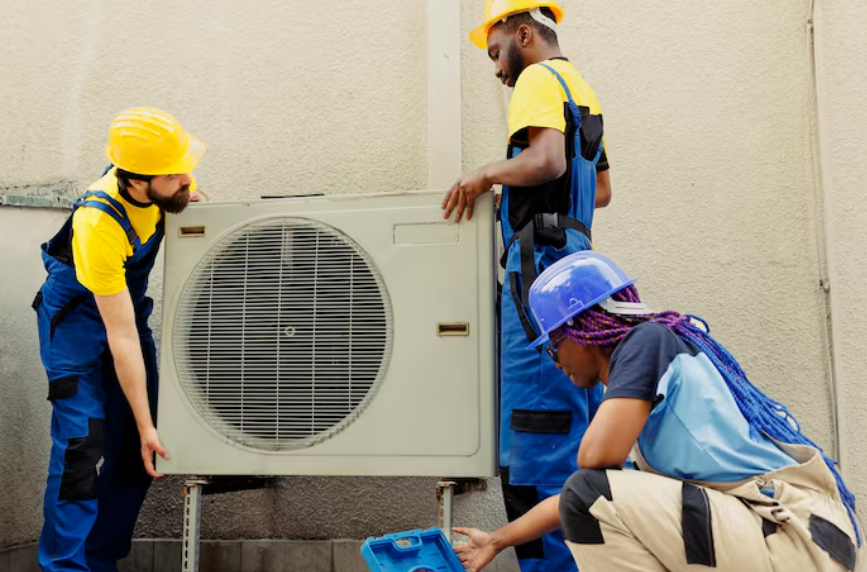
If simple checks don’t fix the issue, get a pro. Experts from Carrier, Trane, or Lennox can find and fix problems like electrical arcing, compressor issues, or leaks safely, making sure your AC works well.
Some fixes are too risky to do on your own. If your AC system looks like it’s failing, or special tools are needed, call a professional. Doing this helps avoid damage and keeps your warranty good. This guide will help you know when it’s better to let an expert handle your AC needs.
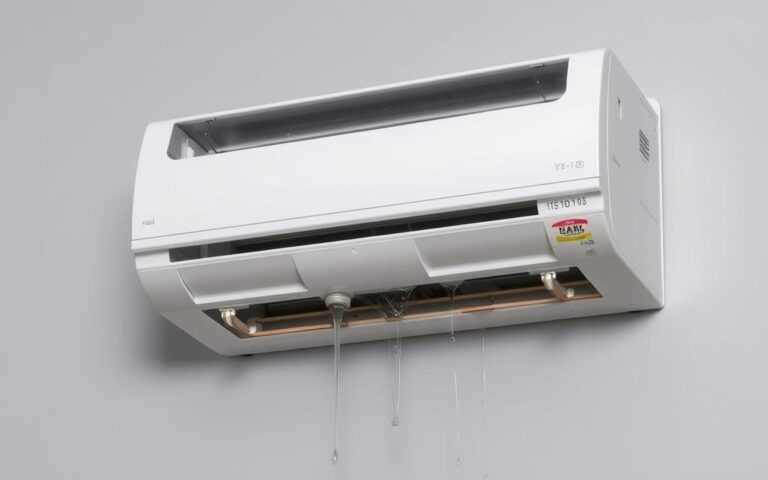
Ice or frost on the coils, warm air blowing, or damage to the coolant lines are bad signs. These issues can mean there’s a problem with the refrigerant. It’s unsafe to deal with coolant by yourself. Reach out to a pro for help with these repairs and to get your system safely refilled.
If you smell burning, your circuit breaker keeps tripping, you see sparks, or capacitors look swollen, these are signs of electrical issues. You should get a licensed professional to look at these problems right away. Trying to fix them yourself isn’t safe.
Loud noises from the compressor, a fan that won’t spin, or a compressor that turns on and off too much are big mechanical issues. Constant water leaks or an overflowing drain pan can lead to mold or even damage your home. You need an experienced technician for these kinds of problems.
Look for technicians or companies that are NATE-certified and have the right licenses and insurance. Reading reviews on Google or Yelp and asking for references can show you if they’re reliable.
Before any work starts, ask for a clear plan and a written quote. A trustworthy service provider will check your whole system as part of regular upkeep. This includes checking the coolant, electrical systems, controls, airflow, and the condition of the coils.
See if the company has a service agreement for regular maintenance. These agreements often come with benefits like being a priority customer, detailed reports, and logs for your records. These can be very helpful for keeping your warranty valid and increasing your home’s value.
Always ask for written proof of what was done and the results. Having detailed records makes it easier to take care of your HVAC system in the future.
Having a plan for HVAC care brings comfort, reliability, and savings. Regular checks prevent small issues from becoming big problems. Homeowners who do basic HVAC care and get professional help enjoy steady performance and fewer unexpected issues.
Regular checks and yearly AC tune-ups improve airflow and temperature control. This means your AC will run quietly, keep temperatures stable, and avoid sudden breakdowns.
Preventive AC care means your system works better and breaks down less often. Keeping track of things like how long it runs and when you change the filter helps avoid problems.
When your system works efficiently, it uses less energy. Keeping parts clean and charged up helps it cool better, last longer, and lowers your energy bills.
Simple maintenance tasks can make your AC last longer. Things like changing filters and cleaning parts keep the motor and compressor from getting worn out. This delays big repairs and extends your AC’s life.
Regular AC care also makes your home more valuable and keeps repair costs down. Think about getting a professional AC tune-up every year to keep your system in top shape.
Maintaining your air system well is easy with a clear 30-day plan. Preventive AC maintenance and routine tune-ups make your unit efficient. They also keep the air clean and reduce the risk of expensive breakdowns. Doing small tasks every month can save a lot of money during the cooling season.
Homeowners can easily do filter checks, flush the condensate drain, clean the outdoor unit with the power off, vacuum vents, and test thermostats. These tasks are part of basic AC service and maintenance. However, you should leave refrigerant handling, electrical repairs, and deep coil cleaning to professionals. This ensures safety and legality.
Begin the 30-day maintenance cycle before the peak cooling season, like May, in many U.S. climates. Keep a log of maintenance, have basic supplies ready, and schedule professional tune-ups for complicated tasks. Regular AC maintenance results in lower energy bills, longer equipment life, and consistent comfort all summer.