Our Location
1250 Beacon Street
Brookline, MA 02446
Solve the mystery of a noisy AC outdoor unit with our expert tips on base, blade, and vibration issues for a quieter, efficient cooling experience.
About 40% of homeowners report noisy outdoor AC units within five years. This noise is more than just bothersome.
Sounds from an outdoor AC can vary from a mild hum to loud banging or grinding. These noises might indicate problems needing immediate attention.
A loud outdoor AC unit often means there are loose parts or possible compressor issues. Not fixing a noisy AC can lead to expensive repairs or even a complete failure.
Different noises like banging, screeching, or hissing suggest various issues. A continuous high-pitched squeal or violent banging means you should turn off the AC and call a professional.
This guide combines expert advice for diagnosing issues. It explains risks associated with electrical faults and handling refrigerants. Timely expert checks can save your compressor and prolong your system’s life.
Outdoor units can create various noises, signaling different issues. A steady hum could indicate a hard-working compressor. Meanwhile, a sharp squeal might suggest problems with the fan or bearings. Solving these issues early can prevent the noise from getting worse.
The condenser coil is crucial for heat exchange and airflow. If fins get clogged or bent, airflow suffers, and the compressor works harder. This extra effort can make the unit noisier, leading to buzzing or humming.
Coils covered in dirt can overheat. Overheating parts might expand or vibrate, making odd noises. Cleaning the coils regularly helps maintain airflow and eases the system’s stress.
Fans help move air over the condenser coil. If fan blades are bent or unbalanced, they can wobble, causing clanking sounds. Old or worn bearings in the fan motors might make grinding or screeching sounds. And in older systems, a bad belt might squeal.
Issues with the fan might show as buzzing or rattling that changes with the fan speed. This often indicates problems with blade alignment or motor wear.
Vibrations from moving parts can spread to the unit’s housing and mounting areas. Problems like an unlevel base, broken isolation feet, or loose screws can make noises worse. Vibrations can also make refrigerant lines hit close surfaces, creating additional sounds.
Internal pressure issues can also lead to vibrations. A heavily loaded compressor may squeal, while refrigerant leaks can produce a hissing sound. Addressing balance and mounting issues often greatly reduces noise problems.
| Cause | Typical Sound | Quick Check | Common Fix |
|---|---|---|---|
| Clogged or damaged condenser coil | Humming, reduced airflow | Look for dirt, debris, bent fins | Clean coil, straighten fins |
| Unbalanced or bent fan blade | Clanking, wobble, intermittent buzz | Visually inspect blades while power off | Realign or replace blade, balance fan |
| Worn fan motor bearings | Grinding, screeching | Listen near motor during startup | Replace motor or bearings |
| Unlevel base or broken isolation feet | Rattling, pulsating | Check unit level and pad condition | Relevel, add vibration pads or replace feet |
| Refrigerant leak or high compressor pressure | Hissing, high-pitched squeal | Listen for hissing, check cooling performance | Repair leak, service compressor and refrigerant |
Is your AC’s outdoor unit making too much noise? A careful check can find the problem. Start by looking and listening yourself before you call for help. Always turn off the power at the breaker first. And, don’t touch the refrigerant unless you’re certified.
First, listen when the AC starts and while it runs. Hissing might mean there’s a leak or too much pressure. Buzzing or humming could point to an electrical issue, a bad capacitor, or the compressor having trouble.
Rattling and clanking often mean something’s loose, like screws or fan blades. Squealing usually is due to worn bearings or a belt that’s not tight. Grinding noises suggest major wear or even damage. If you hear pulsating thumps, the base could be shifting. Dripping sounds often mean the drain is blocked.
If there’s a clicking noise when you start the AC, it might be a bad relay or capacitor. A constant humming without the compressor starting suggests a problem with capacitors or motors. Write down when the sounds happen to help the technician fix the issue faster.
Always check the AC with the power off. Remove any debris like leaves from around the condenser. Bent blades or fins can also make noise.
Check if anything’s loose, like panels or screws. Look for oil, frost, or puddles near the fridge lines. These could indicate blockages. Make sure the AC pad and feet are in good shape. And check for any signs of electrical problems, like melted wires.
Have some basic tools ready for a simple check. Use a screwdriver to secure panels. A flashlight will help you see inside. And wear gloves to protect your hands.
A level makes sure the AC is properly set up. Rubber pads can reduce noise to check if that’s the problem. Only use a multimeter if you know how. For serious issues like hissing or grinding, it’s better to call a professional.
| Quick Check | Likely Cause | What to Do |
|---|---|---|
| Hissing at startup | Refrigerant leak or high pressure | Turn off unit and call a licensed technician |
| Persistent humming | Capacitor or motor issue | Test capacitor or contact HVAC professional |
| Rattling during operation | Loose screws, debris, or imbalanced blades | Tighten fasteners, clear debris, inspect blades |
| Squealing noise | Worn bearings or belt | Limit use and schedule repair to replace bearings |
| Grinding sound | Severe bearing wear or compressor damage | Shut down unit and arrange professional service |
| Dripping or gurgling | Clogged condensate line or drainage issue | Clear drain, check trap, or call service if persistent |
Base-related noise can make an AC outdoor unit noisy, even if other parts are okay. Small shifts or loose mounts, or a failing pad can cause noise. Fixing these issues involves stabilizing the condenser, reducing vibration, and ensuring correct installation. This helps the outdoor unit run quietly and reliably.
Leveling the AC unit
If the condenser is not level, you might hear rhythmic thumping. Use a level to check the top of the cabinet. To fix a tilt, shim under the feet or replace the pad with something solid. A stable base stops movement that causes noise.
Adding vibration dampening pads
Using rubber pads or anti-vibration mounts beneath the compressor feet cuts down on noise. Check the isolation feet and replace any that are damaged. After adding new pads, tighten the bolts to keep the compressor snug. This reduces the noise the structure might pick up from vibrations.
Ensuring proper installation
It’s important not to tighten bolts too much as it can make noise worse. Make sure lines and conduits are secure and don’t rub together. Keep enough space around the unit for air and maintenance. If noise persists, especially banging or deep knocks, it’s time to call a professional. This might indicate a problem with the compressor.
If your outdoor unit starts getting loud or you hear a buzzing sound, the condenser fan blades might be the issue. An outside air conditioner that makes noise usually has simple problems you can find. Just start by looking at it closely and follow some safe steps before you think about calling a technician.
Stuff like leaves, twigs, and small stones can sneak into the condenser housing. They hit the fan as it spins, causing noises like clicks, rattles, or a buzzing sound. Always turn off the power at the breaker before you take the cover off. Then, carefully remove the debris with a soft brush or a vacuum to keep the blades straight.
Sometimes, parts like screws, fan cage panels, or blade bolts become loose. This can make the parts shake and the noise gets louder. Make sure to tighten any bits you can reach and check the motor mounts and housing screws. If it’s still noisy after you’ve tightened everything, it might be a bigger problem. In that case, you might need a licensed HVAC professional to take a look.
A blade that’s even slightly bent can throw the fan off balance. This leads to noises like clanking or buzzing. Look closely at each blade for any damage, bends, or signs of rusting. If a blade is only a little bent, you might be able to straighten it out gently by yourself. But, if the blade is really damaged, you’ll need to replace it to avoid bigger problems. If you hear a squealing or grinding noise from the blades, it could mean the motor bearings are wearing out. Either lubricate them as the maker suggests or call a pro if the motor or bearings look bad.
Vibrations in outdoor units can start as a minor irritation but can lead to big issues. These small shakes can wear down bearings, fasteners, and parts of the compressor. This wear and tear can decrease efficiency and increase the risk of expensive problems.
If not addressed, a noisy AC outdoor unit may start to bang or grind as parts fail inside. Parts like piston pins and rods could get damaged due to constant shaking. If you notice knocking sounds, turn off the unit and call an expert HVAC technician to prevent more harm.
Vibrations can lower an AC’s cooling efficiency by putting extra stress on moving parts and loosening connections. Bearings get worn out quicker, which leads to the motor using more energy. Panels and screws that become loose can allow air to escape, reducing the AC’s effectiveness and leading to higher energy bills.
To reduce vibrations, start with the basics. Make sure the unit is level and on a solid concrete pad if possible. Adding rubber pads or spring isolators under its feet can help absorb vibrations.
Often, simple fixes can resolve most noise complaints from an outdoor unit. But, if the unit keeps pulsating or you hear internal banging, it might mean compressor issues. In such cases, turn off the system and contact a professional HVAC service for an inspection and necessary repairs.
To avoid noise problems with your AC outdoor unit, take small, frequent care steps. Regular maintenance can help parts move smoothly, reduce wear, and prevent noise from escalating.
Make sure to clear away leaves, grass, and other debris from around the unit to keep air flowing. It’s important to clean the condenser fins and straighten them if they’re bent. Doing this helps prevent the compressor from overworking and getting louder.
Examine the fan blades, motor mounts, screws, and the condensate drain thoroughly. Look for signs like oil or frost on refrigerant lines, which could indicate leaks. Catching these issues early on can keep the noise from getting worse.
It’s good to have a pro check your HVAC system once or twice a year. Technicians from companies like Carrier or Trane can do many things. They can lubricate, tighten, test, and measure to find problems before they lead to a loud AC unit.
They also look for signs of potential leaks and can manage refrigerant safely. Keeping your system properly charged can solve noise issues caused by too little refrigerant.
Change your filters every one to three months to keep the air moving and coils from freezing. Frozen coils can lead to various noises as they freeze and thaw.
If you hear hissing or noises that start and stop, your refrigerant levels might be low. An EPA-certified technician can check for leaks and refill the refrigerant, making your AC run quietly again.
Doing things like oiling bearings, securing screws, and cleaning coils often can lessen noise and make your equipment last longer.
If your outdoor AC unit keeps making noise after you’ve checked it, think about getting a pro to look at it. Sometimes you can fix a rattle by tightening screws or clearing away trash. But, if it keeps making sounds, it might have a big problem that needs an expert.
A non-stop hissing might mean the AC is leaking refrigerant. A sharp squeal could tell you the compressor’s pressure is too high. And loud bangs or grinding noises can show that the compressor is breaking down. If your AC keeps being loud after you’ve tried simple fixes, turn it off and call for help.
A relentless buzzing, even after basic repairs, could signal a dying capacitor or motor. If you smell burning or hear clicks when it starts, there’s likely an electrical issue. Seeing ice on the pipes or water pooling around also warns of big problems that need quick action.
Experts with EPA certification safely handle refrigerants and have the right tools to check the health of capacitors, contactors, motors, and compressors. They can tell if your noisy AC needs a new motor, compressor work, or just a tweak.
They make sure fixes are done right, following electrical and building codes. This lowers the risk compared to DIY, especially with electricity or refrigerants. Getting it right the first time saves you time and stops small issues from becoming big failures.
Simple fixes, like new vibration pads or tightening things up, don’t cost much. Changing a capacitor or fan motor is a bit more expensive. But, replacing a compressor can be very costly, sometimes almost as much as getting a new AC.
Always ask the tech to compare the cost of fixing versus replacing. Getting a clear estimate helps weigh repair costs against the benefits of a newer, more efficient system. If the compressor is really damaged, getting a new one might be cheaper in the long run.
| Issue Seen or Heard | Likely Cause | Urgency | Typical Cost Range (USD) |
|---|---|---|---|
| Continuous hissing | Refrigerant leak | High | $150 – $600 (depends on leak and refrigerant type) |
| High-pitched squealing | High compressor pressure or belt/motor issue | High | $200 – $1,200 |
| Loud banging or grinding | Compressor internal failure | Immediate | $1,000 – $3,500+ |
| Persistent outdoor AC unit buzzing | Capacitor, contactor, or motor problem | Medium | $150 – $700 |
| Noisy air conditioning unit outside after DIY checks | Hidden electrical or mechanical fault | Medium to High | $150 – $2,000 (depends on diagnosis) |
Upgrading your AC can make your home quieter and more comfortable. If your outdoor AC unit is loud, it might be old or poorly designed. Choosing a quieter model helps reduce noise outside and inside. Think about features, costs over time, and reliable brands when upgrading.
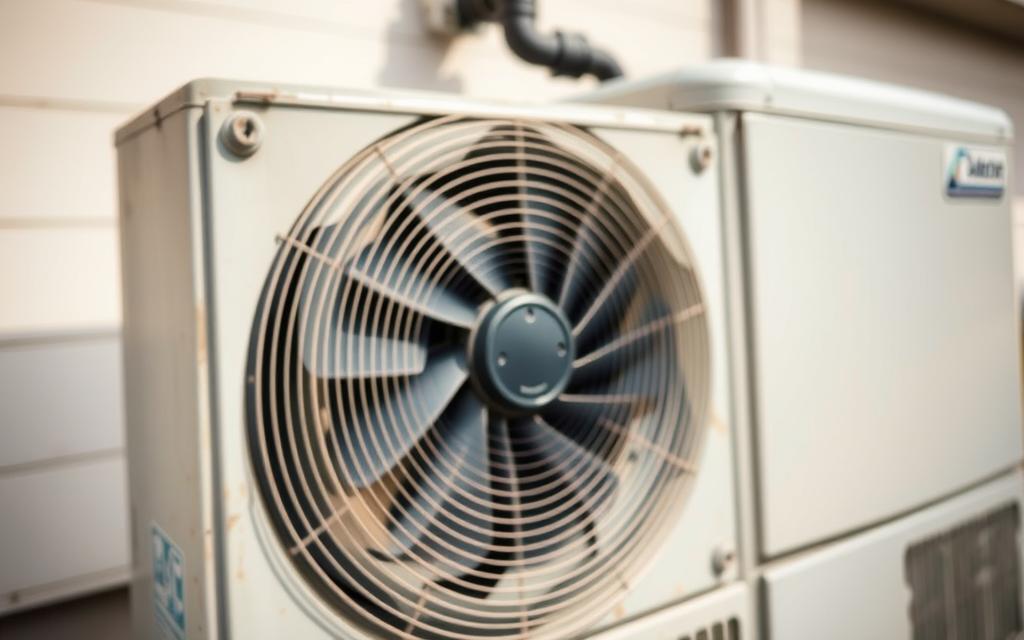
Find models with variable-speed or inverter compressors for less startup noise. They also run smoother when not at full power. Sound blankets and rubber mounts lessen vibration and noise.
Look for quiet fan motors and better insulation in the unit. Isolation feet and quality mounting reduce noise from the unit’s base.
Newer, quieter ACs cost more initially but save money with higher efficiency. An old noisy unit can end up costing more because of compressor issues.
Consider rebates, lower energy bills, and better comfort. The right size and expert installation keep it running quietly and prevent future noise issues.
Brands like Carrier, Trane, Lennox, Goodman, and Rheem have quiet models. They list their noise levels for you to compare. Look at Sones and decibels to avoid a noisy AC.
Ask installers about models that are quiet in real life. A good choice can make your yard quiet and keep neighbors happy.
Listening to the manufacturer helps prevent outdoor unit noise from getting worse. Always check the owner manual for setup details and care instructions. This includes info on clearances, pad types, and mounting needs. Don’t forget to follow the maintenance schedule for things like oiling, changing filters, and seasonal inspections.
Install the unit on the specified pad to ensure steady airflow and reduce shaking. Use the bolts and mounts the maker recommends. This stops noise from loose parts.
Follow the service timetable strictly. Tightening fan bolts and changing old rubber mounts can keep the unit quiet over time.
Warranties need proof of expert setup and regular care. Keep all receipts from licensed repair people to back up claims for pricey parts.
Trying to fix it yourself or unauthorized service can make the warranty useless. If your outdoor unit starts making noise, check the warranty first before you replace big parts.
Parts made by the Original Equipment Manufacturer fit perfectly. They match exactly and help keep your unit working quietly and last longer. Use OEM parts like capacitors and compressors.
Non-OEM parts might not fit right and could lead to more noise. Have a record of all services showing what parts were used and when. This will help technicians in the future.
Where you place an outdoor AC unit affects its loudness. Even small changes can make a quiet system noisy near bedrooms. Choosing the right spot reduces noise and keeps the unit working well.
Installing a loud air conditioner close to a bedroom or on a deck is bad. Units on concrete pads shake less than on wood. It’s best to put air conditioners far from living areas to decrease noise.
Make sure there’s enough space around the unit—12–24 inches on the sides and 3–5 feet on top. This prevents the compressor from overworking, which can increase noise and damage.
Fences and plants can block sound without harming airflow. A solid fence or thick shrubs can reduce noise. But don’t let plants touch the AC unit.
Sound barriers like acoustic fences lower noise but need careful planning to avoid overheating. Keep trees trimmed to stop branches from making noise against the AC.
Other machines like generators or neighbor’s ACs add noise, making it tough to pinpoint your AC’s sound. Vibration can spread if devices share a mounting space.
Spacing devices apart or using separate pads can prevent vibrations from mingling. Using foam or rubber on connecting parts minimizes clangs against the house or deck.
Here’s a handy guide for reducing noise from outdoor units and enhancing comfort:
| Factor | Effect on Noise | Practical Fix |
|---|---|---|
| Placement near windows or decks | Raises perceived volume inside living spaces | Move unit to a concrete pad away from bedrooms |
| Flexible mounting surfaces | Amplifies vibration and rattles | Install vibration isolators or rubber pads |
| Tight landscaping | Can block airflow and increase fan noise | Maintain 12–24 in. side clearance and trim plants |
| Acoustic barriers | Reduces sound but risks heat buildup | Use professional-installed acoustic fencing or sound blankets |
| Nearby appliances | Creates combined background noise and vibration | Space units apart and add separate pads |
| Line and bracket contact points | Produces rubbing or buzzing | Add foam or rubber sleeves where lines touch walls |
Small efforts can greatly lower the noise if your AC’s outdoor unit is too loud. Begin with easy fixes and then tackle the harder ones if the noise doesn’t stop. Always turn off the power at the breaker before handling any parts for safety.
Turn off the AC first. Then, remove any leaves, grass, and debris from around the fan and coil. Make sure screws and panels are tight to stop any rattles. Level the unit’s pad and place rubber pads under it to lessen noise from the base.
Wrap refrigerant lines in foam sleeves to reduce whining sounds. Change old screws on the access panel and clean the coils. Add lubrication to the motors if the maker allows it and you’re sure how to do it following the guide.
Set up a stand-alone louvered panel or acoustic fence to block noise from reaching your home. Plant thick bushes a little way off to soak up sound and also make your yard look better. For a quick fix, use a sound blanket over the condenser. But, ensure it has enough space around it to prevent overheating.
Avoid completely enclosing the AC unit to maintain good airflow. Tight spaces can overheat and harm the compressor. Keep barriers a few feet away to allow for maintenance and airflow.
Plan inspections seasonally. Clean coils and condenser in the spring. Change filters three times a year at most, and clean condensate lines with vinegar. Annually, check the fan blades, motor bearings, and test other components to avoid failure noises.
Maintain a record of all maintenance, fixes, and visits from techs. If the AC still makes noise after these steps, the problem might be electrical or with the refrigerant, or even a failing compressor. These issues require a skilled HVAC technician.
| Action | What it fixes | Frequency | DIY or Pro |
|---|---|---|---|
| Clear debris and clean coils | Fan noise, reduced airflow | Seasonal | DIY |
| Tighten panels and screws | Rattles and loose parts | As needed | DIY |
| Level unit and add vibration pads | Base vibration and rumble | One-time, check annually | DIY |
| Insulate refrigerant lines | High-pitched line noise | One-time, replace if damaged | DIY |
| Install acoustic fence or panels | Reduce sound path to seating areas | One-time | DIY or Pro |
| Annual electrical and compressor check | Persistent outdoor AC unit buzzing, major faults | Annual | Professional |
Starting with easy, regular care is key to a quiet yard. You can spot and prevent many causes of a noisy AC unit outdoors. Keeping condenser coils clean, ensuring fan blades are balanced, and having a stable base reduce noise. Also, replace worn parts like capacitors quickly to prevent loud noises or breakdowns.
Regular maintenance saves both time and cash. Do simple checks yourself every season. Also, have a pro do yearly check-ups. Change filters as needed, lubricate according to your manual, and save service records. This helps avoid outside noise from your air conditioner and makes it last longer.
Loud noises like hissing or banging are bad signs. Turn off the AC and get a pro to look at it right away. This keeps worse damage from happening. Proper setup, regular care, smart yard choices, and quick action when needed make your cooling system quieter. This leads to a more peaceful home.