Our Location
1250 Beacon Street
Brookline, MA 02446
Discover how to tackle a fridge that smells bad with our guide on using activated carbon and thorough drain cleaning to freshen up your refrigerator.
About 60% of people find that forgotten containers or spills are why their fridge smells bad. This odor can quickly affect milk, cheese, and other foods.
Bad fridge smells making your leftovers taste odd? Worried about food safety? You’re not the only one. These smells usually come from old leftovers, unseen spills, or containers that let smells through. Moisture can also get trapped, letting bacteria or mold grow.
Cleaning is often the best first step to get rid of bad fridge smells. A good clean, checking the drain pan, and changing absorbents often do the trick. This can make your fridge smell fresh quickly.
But some issues, like the “new fridge smell” or stubborn smells near the ice maker, need more effort or even a professional. We’ll cover useful tips later. These include using activated carbon and checking the drain pan, plus when to call in an expert.
A bad-smelling fridge often points to simple issues. Quick checks help find the cause, showing if you need a deep clean, better food storage, or a part inspection. We’ll cover the main reasons and signs for bad fridge smells. This way, you can stop and prevent them from getting worse.
Old leftovers, sour milk, and bad produce are usually to blame. They rot and let off gases, making your fridge smell. Check use-by dates and throw out food that looks bad, smells weird, or has changed color.
Mark and organize leftovers to avoid forgotten food. Cleaning your fridge every week helps get rid of smells early and keeps your fridge fresh.
Open containers let odors spread and mix. Even clean surfaces can hold smells that affect other foods.
Choose sealable containers and mark them with dates. This keeps your fridge smelling clean and protects food.
Mold and bacteria love damp places like crisper drawers. A musty smell often means there’s hidden mold.
Check tight spots and around seals if you smell something strange. Mold in certain areas can harm your water and need special cleaning or a new part.
Different smells help you find the problem fast. Sour smells often come from dairy or old meals. Musty odors point to mold. Chemical smells could mean an issue with parts. Knowing these signs helps you act quickly to keep your fridge smelling fresh.
Activated carbon is top-notch for getting rid of fridge odors. Sold as pouches or deodorizers, it offers lasting benefits. It works well placed in key spots to battle stubborn smells.
Activated carbon, or charcoal, is a type of carbon that’s very porous. Brands like Moso Natural and Ever Bamboo make easy-to-use pouches for your fridge.
These products, whether bags, pouches, or inserts, are seen as better than baking soda for tough odors. While baking soda is fine for lighter smells, activated carbon is more durable.
Activated carbon gets rid of odors by trapping gas and smell particles. This makes it great for eliminating strong fridge odors without covering them up.
These carbon pouches can keep working for many months. Some even last up to a year, depending on usage. It’s important to replace or refresh them as the manufacturer suggests to keep them effective.
For best results, put one or two pouches in the middle or back of your fridge. Choose unscented options to truly remove smells, not hide them. After cleaning your fridge, activated carbon is a great choice for keeping odors away long-term.
| Feature | Activated Carbon | Baking Soda |
|---|---|---|
| Mechanism | Adsorption of odor molecules | Neutralizes some acids and bases |
| Form Factors | Pouches, bags, molded inserts | Open box, sachets, tubs |
| Duration | Several months to up to a year | About 1–3 months |
| Best Use | Stubborn, long-term smells; recommended among best odor removal for refrigerator choices | Short-term, everyday odor control |
| Notes | Neutralizes rather than masks; ideal for activated charcoal fridge solutions | Affordable and accessible; works well after cleaning |
Begin by making a plan to remove fridge odors and bring back that clean smell. Tackle the task step by step so that deodorizers will work well later. Always wear gloves when you have to handle spoiled items to stay safe and clean.
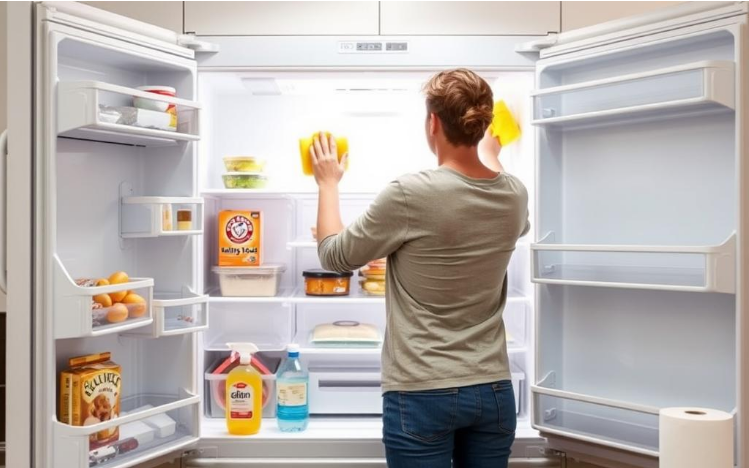
First, empty your fridge. Look at the expiration dates on jars, condiments, and old meals. Throw away anything moldy, slimy, or expired. Group similar items together and repackage leftovers in clear containers with their dates on them.
Immediately toss out anything that looks suspicious. If you need time to decide, keep perishables in a cooler. This is key to removing the cause of bad smells before you start cleaning.
Take out shelves, drawers, and any bins in the door as the maker suggests. Clean them in warm, sudsy water and rinse well. Make sure to get into crevices and around seals where dirt collects and odors linger.
A soft brush or toothbrush works well for tight spots and drains. Dry everything completely to avoid moisture, which could cause odors to come back. Air out the fridge with the doors open or a fan to dry faster.
Create a paste with baking soda and water to tackle tough stains and odors. Clean with a mix of equal parts white vinegar and water to kill germs and get rid of smells. For very bad smells, leave a bowl of pure white vinegar in the fridge overnight; its smell will go away quickly.
In extreme cases, you can mix a little bleach with water and soap for non-porous areas. Make sure the room is well-ventilated. After cleaning, rinse well and dry. To keep your fridge smelling fresh, leave an open box of baking soda or activated charcoal inside.
| Step | What to Do | Why It Helps |
|---|---|---|
| Remove Food Items | Empty fridge, check dates, discard spoiled food, label leftovers | Removes main odor sources and prevents recontamination |
| Wipe Down Surfaces | Wash shelves, drawers, bins; clean gaskets and crevices; dry fully | Eliminates residue where bacteria and mold thrive |
| Use Natural Cleaners | Apply baking soda paste, vinegar solution, or dilute bleach for tough cases | Neutralizes odors, disinfects, and prevents return of smells |
| Air Out | Prop doors open and use a fan if needed | Speeds removal of trapped air and helps deodorizers work |
| Ongoing Care | Store food in sealed containers and use a deodorizer like baking soda | Maintains clean fridge smell and helps eliminate refrigerator odor over time |
The drain pan or drip tray is often forgotten but causes fridge smells. Cleaning it regularly stops water and food leftovers from creating bacteria and mold homes. When ignored, your fridge can smell bad even if its inside is clean.
Where is the drain pan located?
The drain pan is usually at the fridge’s bottom or back. It might be hidden behind a kick plate or under the compressor. For safe access, check your manual for its exact location and how to remove it.
Signs of drain pan issues
If you see standing water, dirt, or black spots, be alert for mold. A musty or sewage smell often means there’s an issue with the drip tray. If your fridge still smells after cleaning inside, the problem might be the drain pan.
Basic cleaning steps
Preventive tips
Include cleaning the drain pan in your regular fridge care. Check the pan either weekly or monthly. If it’s damaged, replace it or get a technician for hard-to-reach parts. Frequent maintenance can keep bad smells away.
Making your fridge smell clean needs smart choices and regular habits. Mix natural and store-bought deodorizers for quick freshness. Combine immediate solutions with consistent upkeep to prevent odors from coming back.
Put an open baking soda box on the back shelf to take in smells. Change it every 1 to 3 months for the best effect.
Activated charcoal pouches tackle strong, lasting odors and can work for a long time, up to a year. Pick items without scents to avoid covering up odors with other smells.
Coffee grounds in a bowl can catch bad smells and are easy to change every couple of weeks. If you garden, compost the old grounds.
To fight intense smells, a shallow vinegar bowl works overnight to beat odors. Use crumpled newspaper or charcoal briquettes for serious issues, swapping them daily for best results.
Clean spills right away. A wet cloth and gentle soap stop stains and smells from building up.
Wash the inside of your fridge every week or after any spills. Take out shelves and drawers to clean them with soapy water.
Always seal and place raw meats on the bottom shelf to avoid leaks. Mark and date leftovers to ensure nothing stays too long.
Replace water filters as the maker recommends. Filters usually last 3 to 6 months and keeping them fresh helps avoid smells.
Inspect and clean the door seals for trapped food or mold. If odors stick around after cleaning, think about changing shelves or seals that hold smells.
If a strong odor lingers, air out the fridge. Keep the doors open and use a fan. Always have something inside to absorb odors.
| Option | How It Works | Replacement Interval | Best Use |
|---|---|---|---|
| Baking Soda | Neutralizes acids and bases that cause smells | Every 1–3 months | Everyday odor control |
| Activated Charcoal Pouches | Adsorbs volatile compounds that create odors | Months to 1 year | Persistent or strong odors |
| Coffee Grounds | Masks and absorbs some odors naturally | Every few weeks | Short-term freshening |
| White Vinegar | Neutralizes alkaline and acidic odor molecules | Single-night treatment | Strong, stubborn smells |
| Newspaper / Charcoal Briquettes | Absorbs heavy, persistent odors | Daily for extreme cases | Severe odor events |
Using these tips will help with fridge smells alongside regular cleaning. Matching the right solution to your issue ensures the best removal of odors. This way, you avoid merely hiding them with scents.
If your fridge still smells after cleaning and using deodorizers, get expert help. Bad smells coming back quickly, mold in hard-to-see spots, or odors from the evaporator or ice maker mean deeper issues. Take notes on cleanings and when the smell returns to tell the technician.
Signs You Need Help
Notice recurring smells even with baking soda or charcoal. Leaks under the fridge, blocked drain tubes, or water on the floor show drainage issues. Error messages, ice-maker trouble, or issues after losing power mean it’s time for professional service.
Common Professional Solutions
Experts like those from Sub-Zero, Whirlpool, or GE can take apart the evaporator, fan, and ice maker to find the problem. They might pull the fridge out for a closer look and change old gaskets, broken shelves, or drains. Cleaning or changing water filters and systems helps remove odors right from the source.
Call for repair based on problem severity and how long it lasts. If smells remain despite your efforts, or if you see leaks and error codes, reach out to customer support or an approved service spot. Always check your warranty or insurance before paying for big repairs.
Organizing your fridge smartly makes it work better. By focusing on how things are arranged and using simple storage ideas, you avoid areas with too much moisture and stop smells from spreading. This keeps your fridge smelling fresh and helps it maintain a steady temperature for longer.
Don’t pack things too tightly. Leave space between items for air to move around. Shelves crammed full can block air vents and lead to hot spots where food spoils quickly.
Always store raw meats on the bottom shelves in containers that seal well to avoid drips and stop germs from spreading. Using trays underneath them can catch any leaks, making it easier to clean up afterwards.
Put similar items together. Arrange dairy products in one spot and sauces in another. Place items you use a lot near the front so the door doesn’t stay open too long.
Using containers that seal tightly and jars can help keep smells in and keep your food fresh longer. Containers that are clear and can be stacked make it easy to see what you have and save space.
Label and date your leftovers. This simple step can reduce waste and help you notice what needs to be thrown away sooner. Having special bins for fruits and dairy can contain spills and makes cleaning easier.
| Problem | Practical Storage Solution | Benefit |
|---|---|---|
| Overcrowded shelves | Stackable organizers and clear bins | Better airflow and easier access |
| Cross-contamination | Sealed containers for raw meat and trays | Safer food and fewer odors |
| Hidden leftovers | Labeling, dating, and transparent containers | Less waste and quicker identification |
| Moisture buildup | Dedicated produce bins with airflow vents | Reduced mold growth and fresher produce |
Packing leftovers in clear, labeled boxes helps you remember to use them and reduces waste. These storage tricks don’t just save space; they also keep your fridge smelling clean.
By rearranging your fridge for better airflow, you make it cool more efficiently. This makes spotting and tossing out bad food easier. A neat fridge leads to less hassle and keeps your foods fresh daily.
Keeping your fridge smelling fresh is all about habits. Taking small steps when you shop, store, and clean can stop smells. Here are tips to keep bad odors away and your food safe.
Only buy food you will eat soon. Look at expiration dates on dairy and deli goods when shopping. Make sure produce is not bruised or soft before adding it to your cart.
Use a first-in, first-out method. Put new groceries behind old ones so the older food is used first. Mark and date leftovers in clear containers to help plan meals and cut down on waste.
Throw out food that seems off. Food that is rotting or looks suspicious can cause smells and spread germs.
Keep your fridge between 37–40°F and your freezer at 0°F. This slows down bacteria. Reset these settings after power outages and when the weather changes.
If unsure, check the temperature with a thermometer. Warm air leaking in means you might need to check your fridge’s door seals. Replace them if they are damaged to keep the temperature steady.
High temps lead to food spoiling and bad smells. Keeping an eye on this prevents problems and keeps food fresh longer.
Using other tips can also keep your fridge fresh. Replace water filters every three to six months as recommended. Clean up spills right away. Do a deep clean of your fridge regularly depending how often you use it. An odor absorber like baking soda can capture and neutralize smells.
| Action | Benefit | How Often |
|---|---|---|
| Label and date leftovers | Reduces waste and confusion | Every time you store food |
| Check temperatures with a thermometer | Ensures safe storage and slows spoilage | Monthly or after power events |
| Inspect door seals | Prevents warm air entry and odor buildup | Quarterly |
| Change water filter | Improves ice and water taste; prevents bacteria | Every 3–6 months |
| Use baking soda or activated carbon | Absorbs lingering smells | Continuously, replace every 3 months |
When you’re trying to get rid of a bad fridge smell quickly, simple fixes are usually the best. DIY fridge deodorizers are made with common kitchen items. They help get rid of odors, clean stains, and keep your fridge smelling fresh.
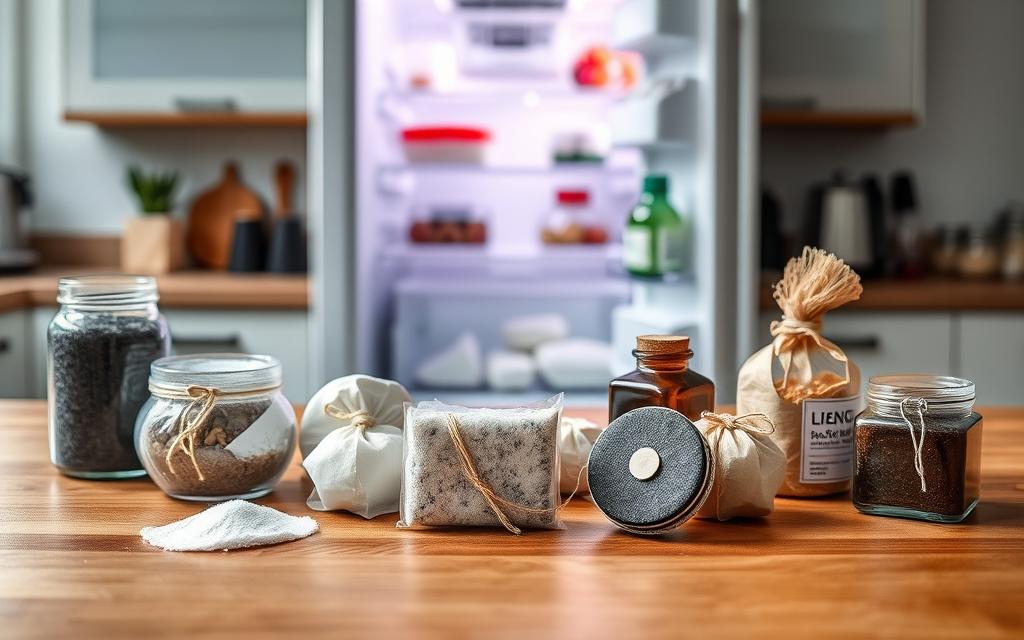
Here are some easy recipes and tips. They are all safe, cheap, and gentle on your fridge. You can switch between methods based on how strong the smell is and what you have at home.
Baking soda is a trusted way to fight fridge smells. Just put an open box in the back to soak up odors.
To cover more area, spread baking soda on a plate and put it on a shelf. Change it out monthly, or every three months if the smells aren’t too bad.
If you have sticky spots or stains, mix baking soda with a bit of water to make a paste. Scrub softly, rinse with a wet cloth, and dry it. Baking soda takes away smells instead of just covering them up.
White vinegar gets rid of smells and cleans surfaces. Mix it with water in a spray bottle and clean the shelves, drawers, and door seals with it.
For really tough smells, leave a bowl of pure white vinegar in the fridge all night. Take it out in the morning. The vinegar smell goes away fast, making your fridge smell better.
Don’t mix vinegar with bleach or other cleaning products. After using vinegar, rinse and dry the surfaces to avoid streaks and residue.
There are other DIY methods too. Put a bowl of fresh coffee grounds in your fridge to soak up smells. Or use newspaper or charcoal for quick fixes. Activated charcoal can be put in cloth pouches to make reusable deodorizers. And always compost your used coffee grounds.
| Method | How to Use | Best For |
|---|---|---|
| Open box of baking soda | Place at back shelf; replace every 1–3 months | General odor control and ongoing maintenance |
| Baking soda paste | Mix with water, scrub stains, rinse and dry | Removing stains and trapped smells on surfaces |
| Vinegar spray | Mix 1:1 vinegar and water; wipe surfaces and seals | Disinfecting and neutralizing odors from spills |
| Undiluted vinegar bowl | Place bowl overnight; remove in morning | Strong, lingering odors that need a deep neutralizer |
| Coffee grounds | Place fresh grounds in a bowl; replace every few weeks | Absorbing odors while adding a subtle scent |
| Charcoal or activated charcoal pouches | Fill cloth pouches with charcoal; place on shelves | Long-term odor absorption for severe cases |
| Crumpled newspaper | Line a tray or bowl with rolled paper; replace as needed | Temporary absorption after spills or for transit |
Keeping your fridge clean does more than just smell nice. A bad smell can mean hidden dangers for your meals and health.
Odors often start with mold or bacteria from spills or the fridge’s parts. These germs can spread to foods you don’t cook, water, and ice. A clean fridge keeps flavors pure and lowers the risk of using spoiled food.
Good habits keep food safe. Throw away old items and clean up spills right away. Changing water filters every 3–6 months and cleaning parts keeps your fridge healthy. This keeps food tasting right and safe to eat.
Microbes cause both bad smells and food spoilage. Decomposing food smells sour or rotten because of bacterial action. It’s not the smell that’s bad; it’s the microbes and their toxins that can harm your health.
When weird smells pop up, act quickly. Get rid of smelly food, scrub surfaces, and check your ice and water. If smells linger or come from the ice maker, get a professional clean to eliminate bacteria.
Keeping food fresh isn’t just about a nice-smelling kitchen. It’s crucial for stopping sickness and keeping your food at its best.
It’s easy to keep your fridge smelling fresh with the right steps. Start by getting rid of spoiled food. Then, clean the shelves, seals, and drawers thoroughly. Also, clean the drain pan and tubes to prevent bad smells.
Use things like baking soda, activated carbon, coffee grounds, or vinegar to keep odors away. These should be used between deep cleaning sessions.
Make sure to arrange your fridge for good airflow. Put foods in containers that let air in but are still sealed. Keep your fridge at the right temperature and change the water filters regularly. This helps stop odors from spoiled food and old water. If cleaning doesn’t get rid of the smells, you might need a professional to check the fridge parts.
A clean fridge means your food tastes better, lasts longer, and there’s less chance of getting sick from it. Simple actions like cleaning spots every week and using baking soda can make a big difference. These steps are key in keeping your fridge odor-free and working well.
If the power goes out or you’re away for a while, throw out any perishable food and clean your fridge well. This helps avoid bad smells later. By following these simple steps, you can keep your fridge smelling nice. If you’re not sure what to do, ask the manufacturer or a professional technician for help. This ensures your food and fridge stay in good condition.