Our Location
1250 Beacon Street
Brookline, MA 02446
Learn to inspect and safely replace old appliance brittle wires to ensure home safety and extend the life of your cherished appliances.
Did you know that a lot of old appliances have wiring that can get brittle? This is especially true for things made before the 1980s. These items used rubber or cloth for insulation. But after many years, they can break down.
Old wires in appliances are dangerous, not just annoying. When insulation gets brittle, wires can be exposed. This increases the risk of shocks, overheating, and electrical fires.
Many old appliances were made with now-outdated materials. The rubberized cloth insulation breaks down over time. Copper conductors can also oxidize. Connections may become loose.
This article will help you find brittle wiring. It gives a checklist for inspection and lists the tools you need. You’ll learn how to safely replace wires, whether you do it yourself or hire an expert. It also talks about codes and how to throw away old parts in an eco-friendly way.
Old appliances might look okay outside but inside, their wires can be dangerous. The insulation around the wires weakens over time. Knowing why this happens and what signs to look for is key to keeping your home safe.
Old wiring used materials like rubberized cloth, which gets less flexible as it ages. Using these appliances makes this worse. Also, the wires can get damaged by being squeezed or rubbing against sharp edges.
Also, rodents or bugs can chew through the wire covering. Wires from the 60s and 70s made from aluminum can loosen over time, causing more stress. And bad repairs can make these problems happen sooner.
Be on the lookout for cracked or peeling insulation on wires. Seeing bare wires or wires hanging loose is a bad sign. Also, a burning smell or melted plastic around electrical parts is a warning.
If your appliance stops working randomly or causes breakers to trip, it might have bad wiring. An old three-prong cord on a two-wire system could mean it’s not properly grounded, raising the risk of shock.
If you see damaged insulation, overheat signs, sparks, or black marks on appliances, it’s time to check the wires. Houses with very old wiring setups should be checked with extra care.
Insurance and loans may be harder to get with old wiring or a low-amperage service. If you have brittle appliance wires, getting an inspection before selling your house or when your insurance asks is smart.
Checking cords, plugs, and connections often makes homes safer. Older places and old appliances have their own dangers. Watching out for wiring problems lets you find issues before they turn serious.
Worn insulation can reveal live wires, leading to short circuits. Open wiring ups the risk of fires and motor damage. Touchable metals without grounding can shock you. Too small or bad wiring can overheat, melt stuff, and start a fire.
Old electrical panels might not support new gadgets well. Overused circuits trip for no good reason and wear out parts. Not noticing these problems could greatly increase fire risks or damage to stuff.
Check your appliances yourself every 3–6 months. Look for busted insulation, worn cords, and shaky plugs before using them a lot. Sniff for odd smells when they’re on. These easy steps can help keep old appliances safe.
Get a detailed inspection by a pro electrician every 3–5 years. Or do it before selling your home, remodeling it greatly, or after buying a place. Experts find hidden issues that you might miss with just looking.
You can do simple checks, make sure plugs fit right, and smell for burns safely on your own. These efforts can spot many usual problems and help decide if fixes are needed. Write down what you find and take pictures for insurance or when taking out a loan, if you have to.
But, testing wires, checking insulation, and looking at old connections need special skills and tools. A qualified electrician should do grounding checks, fit safety outlets, and fix old wiring. They make sure everything meets standards and suggest changes if they spot dangers.
Kitchen and laundry machines get used a lot and face high heat, which wears down their wires quicker. Checking them regularly lets you find and fix wire issues before they turn dangerous. Watch out for odd sounds, smells, and damage near plugs and cords.
Refrigerators and freezers are always on. Their compressor and motor parts can get brittle wires from constant temperature changes. Signs include uneven cooling, buzzing sounds, burn marks on the plug, or circuits that trip when turned on.
Washers and dryers shake a lot when running. This movement can strip the wires at connection points of their protective layer. The cords of dryers, especially older models, may fray or wear near the plug or heater. Too much lint increases fire risks.
Microwaves and small appliances have high-voltage parts tightly packed inside. Their wiring can become brittle and dangerously short out. Toasters, coffee makers, and blenders with old-style cords often start fires if their cords get frayed.
Kitchen and laundry devices wear out faster because of heat, moisture, and frequent use. To keep them safe, inspect their cords and connections for damage. Fix broken wires quickly to avoid accidents.
| Appliance | Common Wiring Issue | Signs to Watch For |
|---|---|---|
| Refrigerator / Freezer | Brittle insulation at compressor and motor terminals | Intermittent cooling, buzzing, scorch marks, tripped circuit |
| Washing Machine | Abraded wires at strain reliefs and terminal blocks | Burning smell, arcing sounds, machine stops mid-cycle |
| Dryer | Frayed dryer cords and worn out appliance wiring near heater | Overheating, slow drying, visible cord damage, lint accumulation |
| Microwave | Degraded internal leads and cracked insulation near transformer | Sparking, unusual humming, failure to start, burned smells |
| Toaster / Coffee Maker | Cloth-insulated or frayed cords | Sparking at plug, exposed wires, persistent burning odor |
Gather what you need before opening any panel to safely check old appliances. Having the right tools helps find wiring problems. It also reduces risks if you’re thinking about fixing appliance wires yourself.
Recommended safety equipment
First, wear insulated gloves meant for home electrical projects. Also, wear safety glasses and have a flashlight for seeing in small places. A non-contact voltage tester lets you find live wires without touching them. Don’t forget a GFCI outlet tester and a first-aid kit.
Essential tools for homeowners
A multimeter is key for checking voltage and if a circuit is complete. Bring wire strippers, pliers, electrical tape, and cable ties for safe and neat repairs. You’ll also need screwdrivers and a clamp meter for examining panels and loads. For replacing parts, pick UL-listed cords and items from trusted brands like Leviton or Southwire.
When to hire a professional
If you need to open something with high-voltage parts, like a microwave, call an electrician. Professionals are best for specific tests, replacing wiring, or dealing with old or unsafe wiring types. They’re also needed for major upgrades, inspections for insurance, and getting permits. Electricians can make sure everything is connected right and safe. They often offer free quotes and options for fixing issues.
| Task | Recommended Tool | Why It Matters |
|---|---|---|
| Detect live wires | Non-contact voltage tester | Allows safe detection without touching energized parts |
| Measure voltage/continuity | Multimeter | Confirms power presence and circuit continuity for diagnosis |
| Check load on circuits | Clamp meter | Identifies overloads that cause appliance wiring issues |
| Handle wiring and splices | Wire strippers, needle-nose pliers, screwdrivers | Enables clean, secure connections for DIY appliance wire repair |
| Verify outlet safety | GFCI outlet tester | Detects ground faults and miswired outlets that threaten electrical safety in old appliances |
Begin by taking a calm, detailed look at the old machine. Always put safety first. Make sure to unplug it and keep your workspace bright. This will get you ready for the next steps.
First, unplug the machine and closely examine the power cord. Look for any cracks, frays, or brittle parts. Also, check for exposed wires, discoloration, or signs of melting.
Next, inspect the plug prongs for any signs of rust or looseness. Make sure to look at strain reliefs, connections, and covers to find any missing or broken pieces.
When it’s safe, open any panels you can reach. Search for burn marks, loose screws, or fragile insulation at terminal points. Also, keep an eye out for any damage from rodents around wires.
To safely check wires, use a non-contact voltage tester first. This helps to ensure no circuits are live before you touch them.
Then, use a multimeter to check if the electricity flow and voltage are correct at the plug and inside the machine. A clamp meter can tell you if the machine is using too much power when it’s on.
If you can, use an insulation resistance tester (megger) to measure if the insulation is still good. However, if you’re not trained in using a megger, it’s best to let a professional handle it.
Be on the lookout for immediate dangers like exposed wires, burnt insulation, sparks, or unusual burning smells. Charred outlets are a bad sign too.
Also check if the machine causes circuit breakers to trip, gives shocks, or has unexplained wire splices. Be wary of mixed wire sizes, aluminum to copper connections without the correct connectors, and old wiring mixed with new. These are all risky.
If you come across any hazards, unplug the device right away. Label it as unsafe and don’t use it until a skilled technician has fixed the issue.
| Inspection Step | Tool or Method | What to Look For | Action If Found |
|---|---|---|---|
| Initial Visual Check | None (unplug first) | Cracks, frays, brittle insulation, discoloration | Unplug, tag unsafe, schedule repair |
| Plug and Cord Test | Visual + multimeter | Loose prongs, oxidation, continuity issues | Replace cord or plug; consult electrician for hardwired units |
| Internal Terminal Inspection | Screwdriver, flashlight | Loose screws, scorch marks, brittle wires | Tighten terminals if safe; otherwise stop and call pro |
| Non-Contact Voltage Check | Non-contact voltage tester | Live wiring when device is supposed to be de-energized | Cut power at breaker and reassess; do not touch live parts |
| Load and Continuity Testing | Multimeter, clamp meter | Open circuits, abnormal current draw | Document readings; replace wiring or call technician |
| Inspection Resistance Test | Insulation resistance tester (megger) | Low insulation resistance indicating degradation | Leave testing to professionals; plan rewiring if needed |
Old appliances need fixes to be safe. It’s key to match wire types with the appliance needs. Use the right size copper conductors: #14 AWG for 15A and #12 AWG for 20A circuits. Choose wires with modern insulation, like PVC, that can handle heat. Stay away from aluminum wires unless they’re up to code and connected properly.
Choosing the right wire
Make sure to check ampacity and temperature ratings before you buy any wire. If you need cords, pick ones that are UL-listed and fit right. For things like washers and dryers, go for wire insulation that can handle more heat it will last longer.
Professional replacement services
Getting a licensed electrician is best for safe rewiring and correct splicing. They know how to replace cords, add grounded outlets, and upgrade panels correctly. A professional makes sure everything meets code, is grounded right, gets the needed permits, and provides documents helpful for insurance or selling your home.
DIY replacement tips
DIY wire repair is for those who really know what they’re doing. Always turn off power first and check with a multimeter. Use the right UL-listed parts and make sure to get wire gauge and polarity right. Don’t mix aluminum and copper without the right connectors. Make everything tight, secure it, and test it out before using it normally.
Be careful: some repairs can be very risky. Microwave capacitors can be deadly even when off. Bad repairs might make warranties void and leave you without insurance coverage. With high-voltage parts or microwaves and dryers, it’s safer to call a pro. They’ll make sure everything’s done safely.
Maintaining older machines carefully and upgrading them wisely keeps them safe. This approach protects those at home and makes your appliances last longer. Follow these steps for a solid plan on maintaining old appliances, ensuring electrical safety, and protecting them against power surges.
Create an easy maintenance calendar. Every three months, inspect cords, plugs, and any visible wires. Make sure to tighten any loose connections and check that all parts are firmly in place.
Always clean out lint traps and vents on dryers, and dust off your refrigerator coils. If power cords are damaged, replace them right away. For added safety, use GFCI outlets in kitchens and laundry rooms to reduce the risk of electric shock.
Position older appliances away from any loose insulation to avoid overheating. Doing small maintenance tasks regularly prevents big repairs later and keeps your appliances working well longer.
Install a whole-home surge protector to guard all circuits from sudden spikes. Also, use quality surge protectors for appliances with sensitive electronics.
This dual-layer protection helps avoid stress on internal components, extending their lifespan. But, surge protectors are not a substitute for proper grounding and wiring. Keep those in good shape too for the best results.
Swapping out very old appliances can greatly improve safety. New models have better safety features like grounded cords and efficient motors that reduce risks.
If you’re upgrading several big appliances, it might be time to check your electrical panel. A newer 100–200 amp service can handle more, offering better safety for your home’s electrical system.
Mixing regular maintenance with smart upgrades, like better grounding and surge protection, makes appliances last longer and decreases the risk of electrical problems.
Local electrical codes are rules for safely working on home wiring. They are based on the National Electrical Code with additional state or city changes. Knowing these rules helps avoid surprises during wire replacements or upgrades.
In many places, permits are needed for changing electrical panels, upgrading services, major rewiring, and replacing some appliance circuits. Such work usually requires a licensed electrician and a final inspection. Not getting permits can affect insurance and home sales.
Find out if you need permits for changing appliance circuits or rewiring. Reasons might include service upgrades, adding circuits, or removing old wiring systems. Inspectors check for grounding and safety protections as required by codes.
Start by contacting your local building department about any wiring changes. Ask about necessary permits and inspections. It’s important to hire electricians who get the needed permits and provide paperwork.
Keep all permits, inspection reports, and electrician certifications. These are important for dealing with insurers and mortgage companies. When insurers question unsafe wiring, a licensed electrician’s inspection and fix often meets their requirements.
Use the NEC as your basic reference and check with your local code office for added rules. The Electrical Safety Foundation International offers easy-to-understand homeowner resources. Your local building department and electricians can detail specific permit and inspection needs.
| Issue | Typical Permit Trigger | Recommended Action |
|---|---|---|
| Service upgrade (e.g., 60A to 200A) | Required in most jurisdictions | Hire licensed electrician, pull permit, schedule inspection |
| Replacing wires in old appliances | May require permit if fixed wiring is altered | Confirm local rules, use licensed pro for circuits, keep paperwork |
| Knob-and-tube or aluminum wiring | Often flagged by insurers | Get certified inspection, follow remediation plan to restore coverage |
| Adding dedicated appliance circuit | Common permit requirement | Install per code with GFCI/AFCI as required, document inspection |
| DIY repairs | Unpermitted work creates liabilities | Avoid for fixed wiring; hire professionals to ensure compliance |
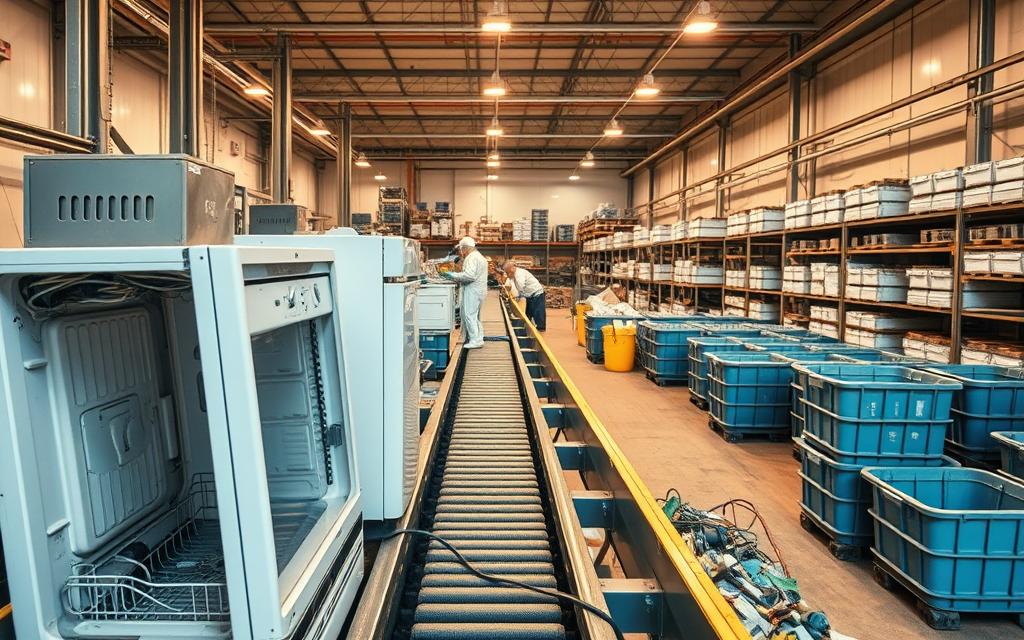
Removing an old or broken appliance can be tough. It’s important to choose ways that keep your place and the planet safe. Here are useful steps to throw away old appliances in an eco-friendly way.
Responsible recycling options
Your town or local stores might offer to recycle old appliances. Places that recycle e-waste or scrap yards take items like fridges and washing machines. They safely take care of harmful parts and recycle useful materials.
Donation and repurposing ideas
If fixing an appliance can make it work again, think about giving it to organizations like Habitat for Humanity ReStore or Goodwill. Such groups often fix up these items to help families in need.
DYI enthusiasts can use parts from old appliances for new projects. Always make sure to safely turn off and disassemble the appliances before using parts.
Local disposal programs and initiatives
Look into your area’s garbage service for special pickup options or recycling centers for big items. Sometimes, when you buy a new appliance, the store or utility will recycle your old one. Always have a pro remove any harmful gases before getting rid of it.
Save all receipts and documents from recycling or donations. They can help during home sales or inspections, showing you disposed of appliances responsibly.
Old appliances with brittle wires can be dangerous if not checked. Inspecting them regularly can help find issues like frayed cords before they cause problems. Use tools like a non-contact voltage tester and always turn off any appliance that seems unsafe.
Look closely at cords and connections often. Use the right tools to check for dangers, and never mix different types of metals without the proper connectors. If you need to change wires, either follow the maker’s advice or get a pro to help ensure everything’s done right.
Dealing with old appliance wires early on can help avoid fires and shocks. Doing regular checks, fixing things on time, and hiring experts for tricky jobs can keep everyone safe. It’s also a good idea to update electrical panels and add safety features to meet insurance needs.
If you need help with old wires, reach out to a pro electrician. Your local building department and resources like the National Electrical Code can also offer guidance. Appliance experts can give advice specific to your needs.
Making sure your appliances are safely wired keeps your home safe and follows safety rules. Taking action early can help avoid bigger issues in the future.