Our Location
1250 Beacon Street
Brookline, MA 02446
Discover how to choose energy-efficient kitchen appliances that lower utility bills and reduce environmental impact. Learn key features to consider.
Did you know that kitchen appliances consume nearly 40% of a home’s total energy usage? In an era of rising utility costs, selecting energy-efficient kitchen appliances has become more critical than ever for American homeowners seeking to reduce their environmental impact and save money.
Choosing efficient appliances isn’t just about being environmentally responsible—it’s a smart financial strategy that can significantly lower your monthly utility bills. This kitchen appliance guide will walk you through the essential steps of selecting energy-saving appliances that deliver performance without excessive energy consumption.
Modern consumers are increasingly aware that the initial investment in energy-efficient kitchen appliances can translate into substantial long-term savings. By understanding energy ratings, comparing efficiency labels, and making informed purchasing decisions, you can transform your kitchen into a model of sustainability and cost-effectiveness.
Our comprehensive guide will explore everything from decoding ENERGY STAR certifications to calculating potential utility bill reductions. Whether you’re planning a kitchen renovation or simply looking to replace aging appliances, this resource will empower you to make intelligent choices that benefit both your wallet and the planet.
Navigating the world of kitchen appliances can be overwhelming, especially when trying to make energy-efficient choices. Two critical tools help consumers make informed decisions: ENERGY STAR certification and EnergyGuide labels. These energy certification standards provide valuable insights into an appliance’s performance and potential energy savings.
Consumers looking to reduce their energy consumption and utility bills should become familiar with these important appliance energy labels. Let’s break down what these ratings mean and how they can help you make smarter purchasing decisions.
ENERGY STAR appliances represent the gold standard in energy efficiency. This voluntary program, backed by the U.S. Environmental Protection Agency, identifies products that:
“By choosing ENERGY STAR certified appliances, you’re not just saving money – you’re making an environmentally responsible choice.” – U.S. Department of Energy
The yellow EnergyGuide labels provide critical information about an appliance’s energy efficiency ratings. These federally mandated labels help consumers compare energy consumption and estimated annual operating costs across different models.
Key details on EnergyGuide labels include:
Pro tip: Always check the EnergyGuide label before making a purchase to understand the long-term cost implications of your appliance choice.
Kitchen appliances play a crucial role in home energy consumption. Selecting energy-efficient models can dramatically transform your household’s energy profile, offering substantial benefits for both your wallet and the environment.
The benefits of energy-efficient appliances extend far beyond simple cost savings. These smart devices help reduce energy consumption while delivering superior performance. Homeowners can experience significant home energy savings through strategic appliance choices.
Modern energy-efficient kitchen appliances leverage advanced technologies to minimize waste. Variable-speed compressors, enhanced insulation, and smart sensors work together to optimize energy use. Refrigerators, dishwashers, and ovens with high efficiency ratings consume less electricity without compromising functionality.
The appliance efficiency benefits extend beyond immediate financial gains. By choosing energy-efficient models, homeowners contribute to broader environmental sustainability efforts. Each kilowatt-hour saved represents a direct reduction in greenhouse gas emissions from power generation.
Investing in energy-efficient appliances is not just a personal choice—it’s a commitment to a more sustainable future.
Many states offer attractive rebates and tax incentives for ENERGY STAR-certified appliances, making the initial investment more accessible. These incentives can significantly offset purchase costs while delivering long-term savings.
Understanding the true cost of kitchen appliances goes far beyond their initial price tag. An energy savings calculator can reveal surprising insights into your long-term financial investment. Homeowners often overlook the significant impact that appliance operating costs can have on their monthly utility bills.
When evaluating kitchen appliances, a comprehensive lifetime cost analysis becomes crucial. The difference between standard and energy-efficient models can translate into substantial utility bill reduction over several years.
Kitchen appliances consume varying amounts of energy, which directly impacts your household expenses. Consider these key factors when calculating annual energy costs:
Long-term appliance savings can dramatically offset higher upfront costs for energy-efficient models. Let’s examine a practical comparison:
| Appliance Type | Standard Model Annual Cost | Energy-Efficient Model Annual Cost | 5-Year Savings |
|---|---|---|---|
| Refrigerator | $120 | $60 | $300 |
| Dishwasher | $80 | $40 | $200 |
| Range | $100 | $50 | $250 |
“Investing in energy-efficient appliances is not an expense, but a strategic financial decision for your home.” – Energy Conservation Expert
By carefully analyzing potential energy savings, homeowners can make informed decisions that benefit both their wallet and the environment. The key is to look beyond the initial price and focus on total cost of ownership.
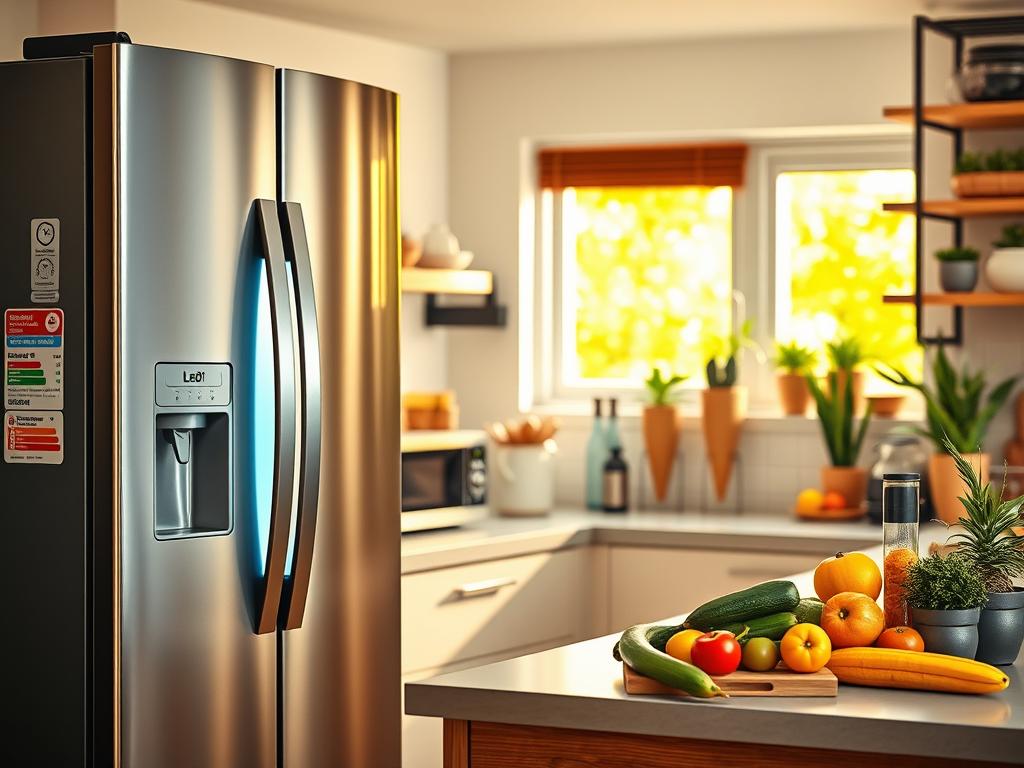
Selecting the right energy-efficient refrigerator can significantly reduce your household’s energy consumption. Modern best energy-saving fridges come packed with innovative technologies designed to minimize refrigerator energy consumption while keeping your food fresh.
When shopping for energy-efficient refrigerators, consider these critical features:
Smart technologies make a substantial difference in refrigerator energy ratings. Variable-speed compressors adapt cooling output based on actual needs, while LED lighting consumes less electricity and generates minimal heat.
| Feature | Energy Savings Potential |
|---|---|
| Variable-Speed Compressor | Up to 30% energy reduction |
| LED Interior Lighting | Up to 10% energy reduction |
| Smart Defrost Systems | Up to 15% energy savings |
Efficient refrigerator features extend beyond basic cooling. Digital thermostats, separate climate zones, and humidity-controlled crisper drawers not only enhance energy efficiency but also improve food preservation.
Pro tip: Avoid through-the-door ice dispensers unless absolutely necessary, as they compromise insulation and increase energy consumption. Proper installation—maintaining adequate clearance and keeping the refrigerator away from heat sources—further enhances overall energy performance.
Modern kitchen efficiency starts with choosing the right appliances. Water-efficient dishwashers have revolutionized home cleaning, offering significant advantages over traditional hand-washing methods. ENERGY STAR-certified models can dramatically reduce both water consumption and energy costs.
Efficient dishwashers provide multiple cycle options designed to maximize cleaning performance while minimizing resource usage. Eco-friendly dishwashers typically include specialized settings that optimize energy and water consumption:
Dishwasher energy ratings help consumers understand potential savings. Advanced models feature intelligent soil sensors and filtration systems that reuse water during cycles, further enhancing overall efficiency.
Maximizing your dishwasher’s efficiency requires strategic loading techniques. Proper arrangement ensures optimal cleaning and prevents unnecessary repeat cycles. Key loading tips include:
By selecting water-efficient dishwashers and implementing smart loading strategies, homeowners can significantly reduce energy consumption while maintaining excellent cleaning results.
Selecting the right cooking appliances can significantly reduce your home’s energy consumption. Energy-efficient ovens and ranges are not just about saving money—they’re about creating a smarter kitchen environment.
Induction cooktops represent the pinnacle of cooking range energy efficiency. These innovative cooking surfaces use electromagnetic technology to heat cookware directly, delivering remarkable benefits:
Convection ovens offer another excellent solution for energy-conscious homeowners. By circulating hot air using built-in fans, these efficient cooking ranges can reduce cooking temperatures by 25°F while maintaining optimal cooking performance.
When shopping for energy-efficient ovens, consider these key features:
Pro tip: Match your cookware size to burner dimensions and minimize oven door openings to maximize range energy efficiency.
Investing in modern, energy-efficient cooking appliances not only reduces utility bills but also contributes to a more sustainable kitchen environment.
Kitchen small appliances play a significant role in household energy consumption. Understanding microwave energy use and small appliance efficiency can help you make smarter choices that reduce electricity waste and lower utility bills.
Modern kitchens are filled with various small appliances that contribute to phantom energy consumption. These devices continue drawing power even when not actively used, creating what experts call standby power consumption.
Several common small appliances are known for their high standby power draw:
Implementing simple strategies can significantly reduce phantom energy waste in your kitchen:
By focusing on microwave energy use and overall small appliance efficiency, homeowners can cut their electricity consumption without sacrificing convenience. Selecting energy-efficient models and being mindful of standby power can lead to meaningful savings over time.
Selecting sustainable kitchen appliances goes beyond personal savings—it’s a critical step in reducing our carbon footprint. Residential energy consumption contributes approximately 20% of U.S. greenhouse gas emissions, with kitchen appliances playing a significant role in this environmental equation.
Green kitchen appliances offer substantial environmental benefits:
An ENERGY STAR-certified refrigerator can prevent thousands of pounds of carbon dioxide emissions over its lifetime. This reduction is equivalent to taking a car off the road for several months. Eco-friendly kitchen appliances are designed with comprehensive environmental considerations, including:
When evaluating environmental impact appliances, consumers should consider the entire lifecycle—from manufacturing to disposal. Water conservation is another crucial aspect, with efficient appliances significantly reducing water and energy consumption.
Every sustainable kitchen appliance choice contributes to a larger environmental solution.
By prioritizing energy-efficient and environmentally responsible appliances, homeowners can actively participate in carbon footprint reduction while enjoying modern kitchen technology.
Choosing efficient appliances is more than just a purchasing decision—it’s an investment in your home’s future. The kitchen appliance decision guide you’ve explored provides a comprehensive approach to selecting energy-efficient equipment that balances performance, cost savings, and environmental responsibility.
Energy-efficient kitchen tips are not just about reducing utility bills but creating a sustainable living environment. By understanding ENERGY STAR ratings, comparing long-term operational costs, and focusing on specific efficiency features, homeowners can make informed choices that benefit both their household budget and the planet.
Smart appliance choices extend beyond initial purchase price. They require careful consideration of usage patterns, efficiency modes, and potential rebate programs. Retailers like Best Buy and Home Depot often provide resources to help consumers navigate these complex decisions, ensuring you select appliances that meet your specific needs while minimizing energy consumption.
Your individual choices matter. Each energy-efficient appliance contributes to reduced energy demand and lower carbon emissions. By staying informed about evolving technology and efficiency standards, you become an active participant in creating a more sustainable future—one kitchen appliance at a time.