Our Location
1250 Beacon Street
Brookline, MA 02446
Troubleshoot your kettle shutting off randomly with our guide on base contact issues, thermostat faults, and dealing with scale buildup.
A survey on kitchen gadgets showed that 30% of the troubles with kettles involve them stopping unexpectedly. This issue can mess up morning routines and tea times.
Electric kettles are popular for their speed and convenience. Yet, they often turn off by themselves. This happens before the water even boils.
Some common issues are: a kettle stopping during its cycle, it turning off and not restarting, or it not heating up at all.
We’re going to look at the main reasons behind these problems. They include issues with the kettle’s base, thermostat failures, limescale buildup, and troubles with the power supply.
You will learn how to fix these problems step by step. We will cover regular cleaning, when to fix or get a new kettle, and how to keep it working well.
Remember to always unplug your kettle and let it cool down before checking it. If it needs an internal fix, call a pro or reach out to the kettle’s maker.
Imagine you’re waiting for a cup of tea, but your kettle turns off by itself. This can mess up your timing and make you worry about safety. We’ll explain why this happens, how the auto shut-off works, and what you can check yourself.
A big reason is the thermostat or its switch failing. If the thermostat trips too early, your water won’t boil.
Sometimes, the ON/OFF switch is sticky or doesn’t work right. Or, the baseplate connection is bad, making the kettle stop during use.
Other issues like blown fuses, a broken heating element, or damaged controls can also cause problems. Even low power from your home can affect the kettle, making it warm but not hot enough to boil water.
Electric kettles have a metal tube by the handle. Steam warms this tube until the thermostat says the water is boiling, then it shuts off.
If the lid isn’t on right, steam escapes and the thermostat won’t get hot enough. This can make the kettle turn off unexpectedly or not turn off at all.
Checking a few things can help find the problem. No light or sound means it’s not getting power. If the kettle is warm but not hot, look into power issues or bad circuits. Touching near the kettle with the back of your hand can show if it’s heating right. If it’s not getting hot, the element or fuse might be the issue.
GFI/GFCI outlets by sinks help keep you safe around water. But, if they get old or trip, they can cut power to your kettle. Try pressing the reset button. If that doesn’t fix it, you might need to replace the outlet.
When a kettle shuts off by itself, it often points to a fault at the connection point. Issues like loose or corroded contacts, dirt, or a bent plug can mess with the power flow. This makes the kettle act unpredictably.
Start with the basics. Make sure the base is properly connected to a power source. Check the outlet for any burn marks. If you find some, get a new outlet installed before you do more tests.
Look at the power cord and the plug for any damage or missing parts. If there’s damage, don’t use the kettle until it’s fixed or the damaged part is replaced.
With the power off, check the contacts for dirt or anything sticky. If things feel sticky, clean them according to the instructions provided by the maker. A good cleaning can often solve minor connection issues and stop the kettle from turning off on its own.
Make sure the kettle sits correctly on the base and listen for the sound that signals it’s working. If the kettle keeps turning off, it might not be sitting right. Check that it’s stable and doesn’t rock.
If the lid doesn’t align or the base isn’t placed right, it can mess with the steam reaching the sensor. This might cause the kettle to turn off suddenly while boiling. Ensure the lid fits properly and the kettle is fully on its base.
| Check | What to Look For | Quick Fix |
|---|---|---|
| Outlet condition | Scorch marks, loose socket | Replace outlet; test kettle on known-good outlet |
| Power cord and plug | Cuts, bent or missing prongs | Stop use; replace cord or plug per manufacturer |
| Base contacts | Debris, sticky connection, corrosion | Unplug and clean per instructions; if corroded, replace base |
| Seating and alignment | Wobble, misaligned lid, not fully seated | Reseat kettle; ensure lid and handle fit correctly |
| Swap test | Test on another base or outlet | Helps isolate kettle base contact issues from outlet faults |
If cleaning and reseating doesn’t fix the power problem, and there’s corrosion or damage, it’s often safer to replace the kettle. Use these checks to figure out if the base is at fault. It will help you decide whether to repair the auto shut off or contact a professional.
When kettles act up, thermostat problems are usually to blame. The thermostat switch detects steam and temperature to shut off the kettle automatically. Issues might be caused by a broken thermostat, a switch that doesn’t work, or a blocked steam path which prevents the sensor from detecting heat. If a lid doesn’t close properly or a latch is damaged, steam might leak. This can trick the sensor.
A bad thermostat might be why your kettle doesn’t click when the water boils. If your kettle doesn’t stop boiling, it could be because the switch is stuck open. A kettle stopping too soon could mean the sensor isn’t reading the temperature right, or the steam path is blocked. Even a lid hinge that’s not straight can mess with steam flow, making the kettle turn off unexpectedly.
If there’s no click or the kettle doesn’t stop boiling, the thermostat might be broken. The kettle turning off before the water boils could mean the sensor is getting the temperature wrong. A lid that won’t close right or a latch that’s not tight could lead to the kettle stopping too early, again and again. Sometimes, if the thermostat control is messed up, you’ll have to reset the switch by hand.
Start with easy checks: make sure the lid is on right, clean out any blockages in steam paths, and try boiling water again. If the problem doesn’t go away, the thermostat or its switch could be broken. Some brands let you replace the control part, but often, the thermostat is built-in and you can’t fix it yourself.
Fixing it yourself might mean dealing with dangerous wires. To stay safe, it’s best to ask the maker of the kettle or talk to someone who knows what they’re doing. Getting professional help lowers the risk and makes sure everything is done right.
| Issue | Likely Cause | Suggested Action |
|---|---|---|
| No auto shut-off after boil | Dead thermostat or failed switch | Test with lid reseated; seek professional thermostat repair electric kettle service if unchanged |
| Shuts off before boiling | Sensor misreads temperature or steam escape | Check lid hinge/latch and steam path; retest; consult service if problem continues |
| Click sound missing at boil | Faulty thermostatic switch | Do not use long-term; arrange replacement or manufacturer repair |
| Intermittent random shutdowns | Loose switch contact or wiring issue | Avoid continued use; professional inspection recommended to prevent kettle shutting off without warning |
Mineral deposits from hard water can slowly ruin your kettle’s efficiency. A pale gray crust forms, blocking heat transfer. This means slower boil times, loud noises, and strange thermostat actions. It could cause the electric kettle to shut off randomly.
Calcium and magnesium create limescale, acting like a blanket that makes the kettle work harder. The thermostat might not read temperatures properly, leading to it turning off too soon or not at all. If the scale gets too thick, it can even corrode metal parts, meaning you might have to replace your kettle.
Regular descaling makes your kettle work better and stops it from turning off on its own. Mix distilled white vinegar with water, boil it, then let it cool. For serious buildup, some leave this mixture in the kettle overnight. Always rinse well and repeat if necessary.
Using lemon juice or a baking soda mix can also help. Add 2 tablespoons of baking soda to boiling water, wait 30 minutes, then rinse. If your water is hard, clean your kettle every 2-4 weeks. With softer water, every few months is okay.
Always pour out unused water and don’t overfill your kettle. Use filtered or bottled water if yours is very hard. It’s also good to follow the maker’s care instructions. This will help your warranty and extend your kettle’s life.
If scale has damaged the kettle too much, replacing it or parts of it might be necessary.
Is your kettle turning off by itself or losing power? The problem might start with the outlet. Check if the circuit or wall socket is giving stable voltage. Use a voltage tester for about 110–120V, or test the outlet with a lamp. Look for burn marks or color changes on the outlet.
Outlets with GFCI and AFCI trip to protect homes from faults. Hit the reset button and try your kettle again. If it’s still not working, it might be time to call a pro to fix or replace the outlet.
First look at the kettle’s plug and cord. Issues like frayed wires or bent prongs can cause bad connections. A damaged cord may be why the kettle stops working at times.
Brands like Cuisinart or Hamilton Beach say to get cords checked by experts. Places like Breville service centers can safely fix cords. Don’t use a kettle if its cord looks damaged.
If your kettle heats up but doesn’t boil, your home’s voltage might be too low. When many appliances perform poorly, ask your utility service or an electrician to check your voltage and wiring.
Use short, strong cords that match the kettle’s amperage if you can’t plug it in directly. Long or thin cords can cause heating problems and turn the kettle off. This is what many kettle owners complain about.
Pick an extension or adapter that’s strong enough and has the right amp rating. Avoid adapters that can get too hot. The safest bet is to plug your kettle straight into the wall.
Keep track of what you try when fixing a kettle outage – like checking outlets, hitting reset, and inspecting cords. Sharing these details helps fixers find the problem fast and avoid guessing why the kettle keeps stopping.
A clean kettle works well and avoids shutting off when you need it. Regular cleaning stops scale and keeps parts like switches working. It’s important to clean gently to protect the kettle’s safety features and heating element.
Always empty your kettle after using it and don’t fill it past the max line. This prevents mineral build-up. Too much water can make your kettle shut off unexpectedly.
Clean the outside and the base with a wet cloth when it’s not plugged in. Check the lid and its parts for any damage, and follow the maker’s guide if you need to replace anything.
Make checking the cord and plug a habit. Damaged cords or loose plugs can mess with the power, making the kettle turn off on its own. Clean sticky buttons carefully with a cotton swab and alcohol.
To clean inside the kettle, mix white vinegar and water in equal parts. Boil it, then let it cool down for up to 30 minutes before you rinse it out. This will help keep the element clean and stop shutdowns.
If you need a gentler clean, use lemon juice or baking soda with water. Boil, wait for 30 minutes, and rinse. This is really important in places with hard water, doing it every 2 to 4 weeks is best.
Stick to safe cleaners for the outside and avoid rough cleaning tools. A good cleaning routine keeps your kettle’s switches and contacts clean. This means no jammed buttons or other issues.
| Task | Frequency | Why It Matters |
|---|---|---|
| Empty after use | Every time | Prevents mineral buildup and bacteria growth |
| Wipe exterior and base | Weekly | Removes grime that can trap moisture and damage switches |
| Inspect lid, washers, indicator | Monthly | Detects cracks that lead to leaks and steam loss |
| Descale electric kettle | 2–4 weeks in hard water, monthly otherwise | Restores heating efficiency and reduces random shutdowns |
| Clean power button contacts | As needed | Prevents stuck switch and fixes kettle auto shut off issues |
| Replace worn parts | When damaged | Maintains seal integrity and safe operation |
Most electric kettles have safety systems to stop them when they boil. They keep you safe from overheating, fires, and damage. It’s good to know how these work, so you can spot when there’s a real problem, like when a kettle shuts off too early.
A thermostat in the kettle turns it off when it senses steam or reaches a certain temperature. If there’s no water, a special feature shuts it down to avoid damage. Brands like Cuisinart, Hamilton Beach, and Breville all use these safety features.
When there’s scale on the element, it gets too hot and might turn off unexpectedly. This usually means the kettle is tricked by too much heat or steam.
If the lid’s not right or the kettle’s base is out of shape, steam might escape. This can make the kettle turn off when you don’t expect it.
Fixing this can be as simple as adjusting the lid or cleaning the kettle with vinegar. If there’s damage or the switch is broken, you might need it fixed by someone official.
It’s a bad idea to mess with the kettle’s safety features. Tampering with them could lead to fires, damage, or shock. If you keep having issues, it might be time to get a new one or talk to the company’s service center.
| Issue | Likely Cause | Quick Fix |
|---|---|---|
| Kettle shuts off shortly after starting | Loose lid or steam escaping from hinge | Reseat lid, test again |
| Sudden shut off kettle during boiling | Scale buildup raising element temperature | Descale with vinegar or citric acid |
| Kettle shutting off without warning on a full fill | Faulty thermostatic switch or damaged sensor path | Inspect for damage, contact manufacturer |
| Dry-boil trips when empty | Normal safety activation to prevent damage | Allow unit to cool; do not restart empty |
| Electric kettle shuts down randomly | Intermittent electrical or sensor failure | Check power connection; seek repair or replace |
Over time, a kettle’s performance can change. You might see small leaks, fading, or a base that doesn’t fit right anymore. These signs suggest your kettle is getting old. If your kettle turns off by itself, it might be because it’s worn out.
Check for rust, cracks, or holes, especially where the base joins the kettle. Seals and washers can dry out and change shape. The heating parts and controls also get worse over time. These problems can make fixing it more expensive than getting a new one.
Knowing if you have a warranty is crucial. Contact the manufacturer if the warranty still applies before replacing parts or the whole kettle. If it’s out of warranty, see how the cost of fixing it compares to buying a new one from trusted brands like Cuisinart or Breville.
If your kettle keeps shutting off after you’ve cleaned it and checked everything, that’s a warning sign. If parts like the thermostat or switch keep failing, or if it doesn’t heat up, you’ll likely keep having issues. If you can’t find parts for it, buying a new one is your best bet.
Here’s a quick list to help you decide whether to fix or replace:
It’s often smarter to buy a new one. Guides and manufacturers agree that fixing some internal parts isn’t worth it. If your kettle isn’t working as well as it used to and it costs a lot to keep fixing it, consider getting a new, more efficient model.
| Issue | Signs | Repair Likely? | Recommended Action |
|---|---|---|---|
| Corroded body or base | Rust spots, holes, leaking | No, often not | Replace old kettle |
| Worn seals and washers | Drips, poor lid fit | Yes, inexpensive | Replace seals or service |
| Thermostat/control failure | Kettle keeps shutting off randomly | Sometimes | Get a quote; consider replacement if frequent |
| Failed heating element | Water stays cold, no heat | No, often sealed unit | Replace kettle |
When you’re choosing a kettle, it’s about finding balance. Consider how often you’ll use it, your water type, and what features you need. You can go for a kettle with advanced options like variable temperatures or stick to simple designs. This will guide you in picking between the latest or more traditional kettles.
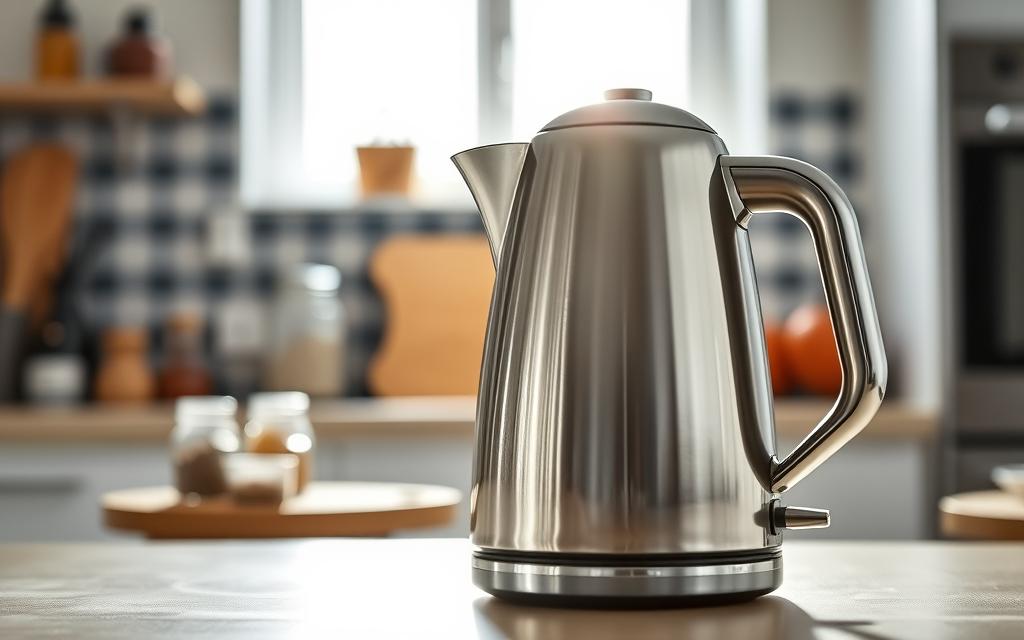
Electric kettles bring water to a boil quickly. They come with features like fast boiling, setting the temperature, and turning off by themselves. These benefits make them perfect for those who have busy kitchens or love specialty teas.
Stovetop kettles are simpler, needing just a burner. They’re reliable because they have fewer parts that could break. For those concerned about electric kettles shutting off by themselves, stovetop models remove this worry.
Think about what’s important to you before deciding. If quick boiling and presets are essential, an electric kettle might be right for you. If you prefer fewer electrical parts, consider a stovetop kettle instead.
Choose a kettle that boils quickly and keeps the heat. Kettles that let you select the temperature can save energy. This means you use less electricity every time you boil water.
Look at the energy use and how fast it boils. Although ENERGY STAR doesn’t rate kettles, you can find efficient ones by their boil time.
In areas with hard water, pick a kettle that’s easy to clean. Check reviews for issues like it turning off unexpectedly. Kettles that let you replace parts and have clear warranties are great choices.
Below is a quick comparison to guide choice.
| Feature | Electric Kettle | Stovetop Kettle |
|---|---|---|
| Speed | Fast boil times, often under 5 minutes for 1 liter | Slower, depends on stovetop heat and pot size |
| Safety Features | Auto shut-off, dry-boil protection, temperature control | No electronic safety features; whistle alerts when boiling |
| Reliability | Good brands like Cuisinart and Breville offer reliable parts and service | Simple design means fewer failure points and easier DIY fixes |
| Energy Efficiency | Energy efficient kettle models with insulated bodies reduce heat loss | Efficiency depends on stove type; induction can be efficient |
| Maintenance | Descale access and removable parts ease cleaning in hard water | Easy to clean, minimal parts to replace |
| When to Avoid | Avoid models with repeated reports of electric kettle shuts down randomly | Avoid if you need unattended, automated boiling and precise temps |
When your kettle shuts off randomly, a structured check can often find the issue. First, make sure there’s power at the outlet with a tester or another appliance. Inspect the cord and plug for damage. If there’s a reset button, use it, and don’t use thin extension cords, which can be problematic.
Make sure the kettle sits right on its base and the contacts connect well. Test for any warmth on the outside carefully to check heating. And make sure the lid is on right so the steam can trigger the thermostat. Regular descaling, based on your water type, and cleaning sticky switches are key steps too.
If you notice sparking, smells like burning, or it keeps failing, get help from the manufacturer or a pro. It might be time for a new kettle if it’s rusty, the heater’s broken beyond repair, or it keeps having control issues. Always check the warranty before getting a replacement.
To keep your kettle working well, stick to a care routine. Empty it after each use, don’t overfill, descale it often, plug it into the right outlets, and pick a kettle that’s easy to maintain with good brand support. Don’t ignore safety features and for any wiring fixes, always call a certified technician. Following these steps will help you avoid sudden stops and keep your kettle running smoothly.