Our Location
1250 Beacon Street
Brookline, MA 02446
Combat a bad smell in washing machine with our deep cleaning guide – refresh your laundry experience with simple, effective solutions!
Almost 30% of homeowners find their washer has a bad smell, even after many washes. This issue can make clean laundry smell bad and shorten the life of your washer.
This guide will show you how to deep clean your washer drum and seals. By doing this, you can get rid of the mildew smell and keep your clothes fresh. You’ll learn why odors start, how to spot them, the best cleaners to use, and how to clean both front-load and top-load washers step by step.
By following these steps and tips, you can get rid of laundry machine odors. This will help your washer work better and stop the smell from coming back. The advice here is for anyone in the United States who needs an easy solution to this common issue.
A washer’s bad smell has several common causes. Knowing them helps you find the right solution. It also stops the problem from getting worse.
Unused water in your washer can turn into a breeding place for bacteria and mold. This is especially true for front-loaders because they seal tightly and use less water.
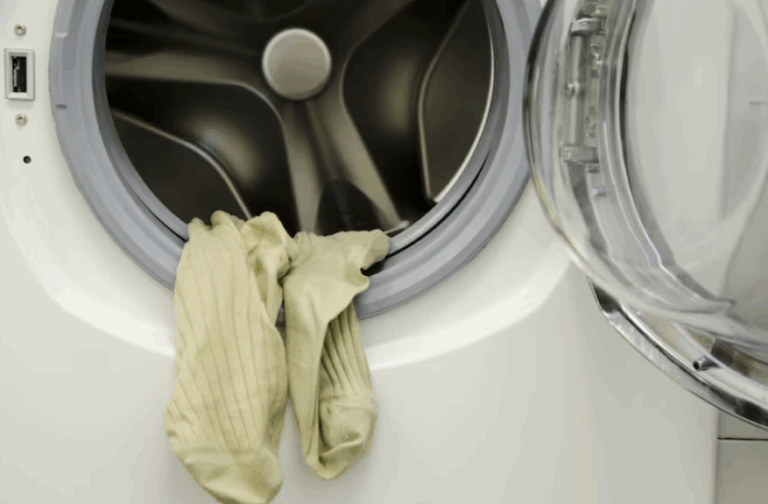
Leftover detergent and fabric softener can also cause bad smells. They can sour and break down over time. Lint, hairs, and things like forgotten socks contribute to the stink too.
Smells like sewage or rotten eggs might mean a sewer gas issue or bacteria in the drain. Often, this comes with blockages or slow drains.
Using too much detergent can cause residue build-up. Regular detergent in high-efficiency (HE) machines leaves a film that feeds bacteria. Some liquid detergents trap organic materials.
Powder detergents are better but can clump in cold water. Fabric softeners create a coat that bacteria can stick to. Choosing the right detergent is key to stopping bad odors.
A warm, moist laundry room encourages mold and mildew. Washing in low temperatures doesn’t remove all dirt, feeding bacteria.
Machine design affects this too. Front-loaders use cooler water and less of it, leading to more residue. Top-loaders rinse better but can still have residue build-up over time.
Brands like Whirlpool and LG say moisture, residue, and detergent choice are major causes of washer odor. According to Consumer Reports and technicians, front-loaders need regular cleaning to avoid musty smells.
Not all bad smells or stains mean you need a new machine. Sometimes, they warn us about dirt stuck inside, too much soap, or germs growing. Spotting these signs early can save you time and make sure your clothes stay fresh.
If your clothes don’t smell clean after washing, or the drum smells bad, it could be moisture or bacteria hiding inside. A musty smell after a hot wash means mildew might be in the seals or hoses. If it smells after using cold water, it might be leftover soap or softener. Checking regularly can help stop these issues from getting bad.
Check the rubber gasket, door seal, soap tray, and the edges of top-load machines for dark or green marks. If you see slimy water or black dots on your clothes, it’s a clear warning. Spotting mold or mildew on any part means it’s time for a thorough clean to stop it spreading and protect your clothes.
If clothes smell even after being washed, it could be the machine isn’t rinsing well or there are germs in the drum. Having to wash items over and over points to a bigger problem than just a stain. Clothes that still smell after washing tell you it’s time for a deep clean.
When you spot any of these problems, start deep cleaning your machine right away. To prevent these issues, clean your front-loader every month and your top-loader every three months. This will help avoid future problems and keep your clothes smelling fresh.
Before starting a deep-clean, get the machine ready. This prep prevents damage and makes cleaning effective. Do simple checks and gather your supplies for a smoother process.
Take out clothes and loose items. You might find coins, hairpins, or socks in the drum or gasket. Look under the rubber seal of front-loaders and check every part with a flashlight.
If you see lint or debris, run a quick rinse cycle. This step loosens particles, making it easier to clean later.
Write down what you need and collect your cleaning supplies. Use natural cleaners like white vinegar, baking soda, and optionally, lemon juice for a fresh scent.
Commercial cleaners like OxiClean, Affresh, or Clorox are also good. Check if they’re okay to use with your washer type. Always read what the manufacturer says.
Get your tools ready. This includes microfiber cloths, a soft brush, spray bottle, gloves, and a few other items. Remember, never mix bleach with vinegar; it’s dangerous.
Look at the hoses and filters for any faults. If hoses are too old, replace them to prevent leaks and bad smells.
Find and clean any filters. Take out debris and give them a good rinse. If things smell bad or drain slow, try a safe enzyme cleaner.
For detailed help, check guides from Whirlpool, Samsung, or LG. They tell you how to find and fix parts on your model.
| Task | What to Check | Recommended Supplies |
|---|---|---|
| Drum inspection | Clothing, coins, gasket folds, foreign objects | Flashlight, microfiber cloth |
| Initial rinse | Loose debris, lint | Machine rinse cycle |
| Cleaning supplies | Natural and commercial cleaners, tools | Vinegar, baking soda, Affresh, OxiClean, gloves, brush |
| Hose inspection | Kinks, sediment, mold, age of hoses | Replacement hoses, bucket |
| Filter and trap care | Lint, coins, pump debris | Sink access, small brush, clean water |
| Odor or slow drain | Biofilm, sewer gas signs | Enzyme cleaner safe for plumbing |
Start keeping your washer fresh by picking the right cleaners. This guide compares home and store options. Learn how to get rid of mildew smell and clean your drum.
Vinegar as a Natural Cleaner
White distilled vinegar, with 5–8% acetic acid, melts away mineral deposits and odors. Pour two cups into a hot cycle in the washer. It’s cheap and effective for routine washes.
But, don’t use vinegar too much. Frequent use with high concentration can damage rubber parts. Consider vinegar as an occasional cleaner rather than daily use.
Baking Soda Benefits
Baking soda removes odors and scrubs off residue gently. Mix one-half to one cup directly into the drum. You can use it after a vinegar cycle or by itself.
For best results, don’t mix baking soda and vinegar in one wash. Baking soda is safe for most washers thanks to its non-toxic nature.
Commercial Deodorizers Reviewed
Many people look for good washing machine cleaners in stores. Here’s a quick comparison to help you find a good product based on what it’s made of and what it does.
| Product | Key Action | Best For | Notes |
|---|---|---|---|
| Affresh Washing Machine Cleaner (tablet) | Enzyme-based tablets that break residue | Monthly maintenance for front and top loaders | Good balance of safety and effectiveness; follow maker’s schedule |
| Tide Washing Machine Cleaner | Formulated to remove odor-causing residues | Regular deep cleaning cycles | Effective when used per directions; safe on most tubs |
| Clorox Washing Machine Cleaner (chlorine) | Kills mold and mildew quickly | Stubborn mold or heavy mildew cases | Powerful; avoid use on colored parts and some fiberglass tubs |
| Enzyme Cleaners (Bio-Clean, Zep) | Targets organic buildup and biofilm | Drains, hoses, and persistent organic odors | Follow manufacturer guidance; excellent for hard-to-reach buildup |
When looking at a cleaner review, check if it fits your washer type. Always read safety labels carefully. Don’t mix bleach with acidic cleaners like vinegar. Use one cleaning method at a time and rinse well.
To fight bad smells, switch between natural cleaners and commercial products. This strategy helps remove the stink while keeping parts safe.
Front-loading machines keep clothes crisp and save water. But they can hold moisture in their seals and where detergent goes. Below are steps to thoroughly clean your front-loading washer. These will help you remove mildew and get rid of odors for good.
Step-by-step cleaning process
Start by wiping the gasket folds and door with a microfiber cloth. This removes hair and lint. Pull back the rubber boot to clean trapped debris and water.
Next, run a hot-water cycle without any clothes, adding 2 cups of white vinegar in the drum or detergent drawer. This dissolves mineral buildup. Do a second hot cycle with 1/2–1 cup baking soda to get rid of odors and make the drum smell fresh.
Take out the detergent drawer and let it soak in warm, soapy water. Use a toothbrush to scrub it, then rinse, dry, and put it back.
Clean the filter or pump trap as your manual instructs. Open it, remove coins, lint, and pilling, then rinse. Make sure the cover is back on tight.
Finally, wipe the drum and door from the inside with a dry cloth. Leave the door open to air it out. Do this every month or when the odor comes back.
Special considerations for front loaders
Front loaders use less water and have sealed doors. While this is efficient, it can keep moisture inside. Make sure to let the drum air out after doing laundry to stop mold from growing.
Always use HE (High Efficiency) detergents at the right amount. Using less liquid fabric softener helps too. Instead, consider ball-style softeners or dryer sheets to reduce residue.
Look behind the gasket and in small spaces for mold. For bad mold problems, use an enzyme cleaner or diluted bleach based on what the maker suggests.
Cleaning the rubber gasket
Check inside each fold of the boot and clean out any water, coins, or lint with a cloth. Use a 1:1 mix of vinegar and water to spray the area, or use a cleaner OKed by the maker. Scrub gently with a soft brush, then dry it off.
If you find black mold that won’t go away, apply a bleach solution carefully if the manual says it’s OK. Be sure to rinse well and dry to keep mold from coming back.
By following these steps, you’ll clean the rubber gasket well, remove mildew, and stop odors. This keeps your laundry smelling fresh and clean.
Top-loading machines need care to stay clean. Follow steps to clean your machine and remove musty smells without harsh chemicals. Regular cleaning keeps clothes smelling fresh and avoids expensive repairs.
Put the washer on the hottest, largest setting and let it fill up. Then, add 4 cups of white vinegar and mix it by running the agitator for a minute. Pause the cycle and let it sit for one hour.
After soaking, run the rest of the hot cycle. Do another cycle with 1 cup of baking soda to neutralize smells and remove grime. Clean the inside, agitator, and lid with vinegar and dry everything well.
Agitation loosens dirt from the drum and agitator. Choose cycles with agitation for better cleaning.
If you have an impeller, clean under it with a brush. This avoids future smells.
Check dispenser trays and softener areas. Wash them in hot, soapy water to remove buildup. This gets rid of residue that causes mold and smells.
For hard deposits, use baking soda paste and a soft brush. Also clean lint screens and filters for better water flow and less residue.
Do this cleaning every three months or when you smell odors. If you have hard water or do a lot of laundry, you might need to clean more often. This keeps your machine fresh and avoids musty smells.
If simple cleaning fails to fix persistent smells in your washing machine, try advanced solutions. These methods tackle hidden grime and bring back a fresh scent to your laundry space. Choose treatments that fit your appliance and always follow the manufacturer’s safety advice.
A steam cleaning washer or handheld steam device can soften and remove biofilm and germs. They work well on the rubber parts, seals, and hard-to-clean areas that collect dirt.
Avoid using steam on plastic parts and look at your washing machine’s guide before starting. When done properly, steam can clean without harmful chemicals.
Essential oils can add a gentle fragrance to your machine after you clean it. Tea tree oil fights germs, and lavender leaves a clean smell.
Put a few drops on a moist cloth and rub it on the drum or put it in a safe spot for rinses. Always do a spot check first to prevent damage. But remember, oils can’t take the place of disinfectant cleaners.
To stop odors from coming back, keep up with your appliance’s upkeep. Clean deeply once a month if you have a front-loader and check a top-loader every three months.
Look at hoses and filters every six months and make notes on maintenance. Think about getting a water softener or filter if hard water is a problem. If you can’t get rid of a smell, you might need a professional to treat your drains or change a hose.
Keeping a washer fresh requires easy, regular steps. These steps fight mold and bad smells, so clothes stay fresh and bright.
Do not fill the drum too much. Too many clothes reduce the machine’s ability to rinse and trap dirt, leading to odors. Shake out all pockets and remove tissues to avoid extra lint and bits of paper.
Separate very dirty clothes and treat stains first. Transfer wet clothes to the dryer or hang them up quickly. Moving clothes quickly helps stop bacteria and mildew, which can create bad odors and keep your machine smelling clean.
If you have a high-efficiency machine, use an HE detergent and follow the dosing instructions closely. Using too much detergent can leave behind a residue that feeds bacteria and causes a sour smell.
Choose a detergent that matches your washing temperature. For cold cycles, pick one made for cold water. Consider powder over liquid; it typically leaves less residue that could lead to smells in your washer.
Leave the door slightly open and the detergent drawer out after washing. This lets air flow, drying the drum and reducing moisture.
If your laundry area is small or packed, a small fan or better air flow can help dry things quicker. Clean lint and traps regularly to lower residue and help keep your washer’s interior dry and odor-free.
To keep a washer fresh, start with small habits and a clear plan. Follow a simple routine. Note changes to keep odors away. Keeping a brief log helps track what works best and when to increase care.
Regular cleaning schedule
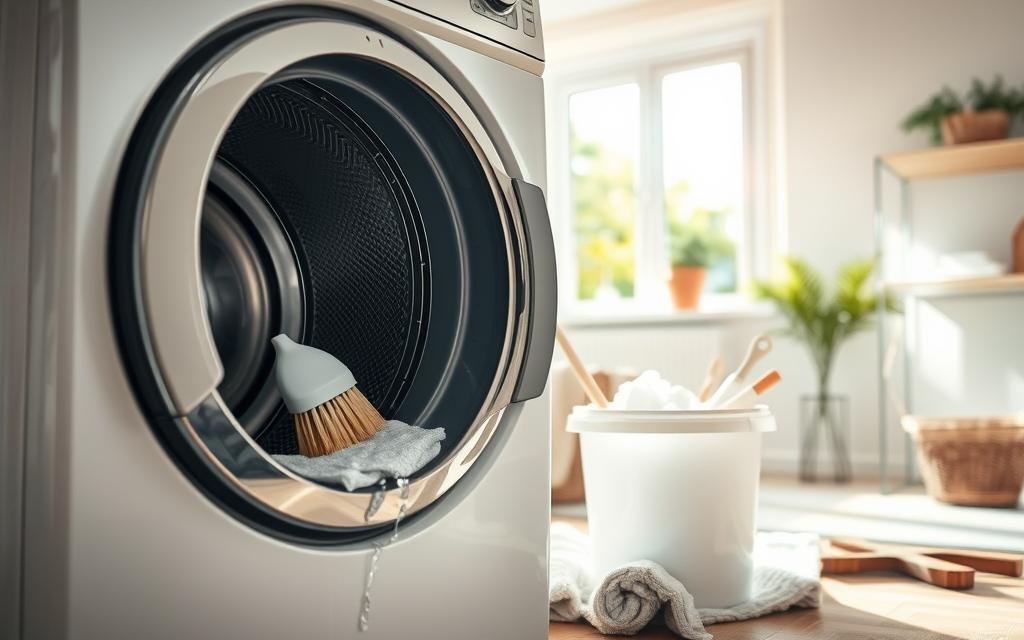
Every month, clean the rubber gasket, door, and dispenser. If you usually do cold washes, run a hot maintenance cycle. Every three months, do a full deep-clean with an enzyme cleaner or a commercial cleaner. Also, clean filters and dispensers at this time. Once a year, check the hoses and replace any that are five years old or show wear. Set reminders on your phone or calendar for these maintenance tasks.
Seasonal deep cleaning
Plan for seasonal washer cleanings in spring and fall. This counters the changes in humidity. Do an extra deep clean before summer and winter. Before summer, to combat high humidity, and before winter, to handle increased indoor moisture. Also, check for dust behind the washer and look for pests. If there’s a dryer next to your washer, check the vent when you do these seasonal inspections.
Monitoring water conditions
Hard water can cause mineral deposits, trapping bad smells. Test your water for hardness. You might need a water softener or to descale periodically. Change your cleaning schedule if your water supply changes. Install filters to protect the screens and hoses of your washer. Make it a habit to check the water conditions to avoid buildup.
Keep a short log of when you clean, what you use, and any smells that come back. This log makes it easier to find patterns. It also helps you give detailed info to a technician if you need help.
| Interval | Task | Purpose |
|---|---|---|
| Monthly | Wipe gasket, door, dispensers; run hot cycle if needed | Remove surface residue and reduce mold growth |
| Quarterly | Full deep-clean cycle; clean filters and dispensers | Eliminate trapped detergent, oils, and bacteria |
| Biannual (Seasonal) | Spring and fall deep cleans; check vents and area | Address humidity changes and dust buildup |
| Annual | Inspect/replace hoses; consider professional inspection | Prevent leaks and hidden buildup inside hoses |
| As needed | Test water hardness; add softener or descaler | Reduce mineral deposits that harbor odors |
If your washer still smells bad after trying home solutions, get a tech to check it. They can safely find and fix hidden problems. Call for help if bad smells stay, if your washer leaks, or if it starts making weird sounds.
Bad smells like sewer or rotten eggs after cleaning could mean issues with your sewer line or vents. If mold and mildew keep coming back even with regular cleaning, it’s a sign you need professional help.
If your washer drains slowly, makes grinding sounds, or if you see corrosion or leaks, it’s time for an expert check. These problems can trap residue and need fixing.
Technicians from companies like LG, Samsung, and Whirlpool will take apart certain parts to clean or replace them. They’ll check the pump, drain lines, and run tests to make sure everything works right.
They might use strong cleaners, steam, and original parts to fix your washer. This type of service can keep your warranty safe and stop bad smells from coming back.
Typically, a professional cleaning costs between $75 and $200 in the U.S. If you need new parts like gaskets or hoses, or if plumbing needs fixing, the price can go up.
Just the parts can cost $50 to $200, not including the work to put them in. Always get a few price estimates, check the technician’s qualifications, and ask about guarantees on their work. This info helps you decide when to get professional help for washer smells or try cleaning it yourself again.
Getting your washer to smell fresh is easy with a good plan. First, find the cause of the smell. Then, get vinegar, baking soda, or a cleaner that’s safe to use. It’s important to pick the right cleaning method, whether you have a front-loader or top-loader. Also, make sure to clean parts like the rubber gasket, detergent dispenser, and filters. Run some maintenance cycles to get rid of the source of the odor.
Start with a step-by-step cleaning plan. Check hoses and drains first, then get your cleaning supplies ready. Next, do a thorough clean, focusing on the important parts. Using vinegar and baking soda or a trusted cleaning product usually works well. Make sure to also clean gaskets and soap dispensers. This stops any leftover soap from making smells worse.
Doing small things regularly helps prevent musty smells. It’s good to wipe down surfaces every month. Plan deeper cleans every few months, and always leave the door open a bit after each use. Most of the time, you can handle odor problems yourself. But if you keep having issues, even after cleaning well, it might be time to call a pro.
Be careful not to mix different cleaners, and always follow what the machine’s maker says. This will keep parts from getting damaged. If you have an HE machine, use the right detergents and measure them correctly. Keeping a maintenance checklist and setting reminders can also help. If you keep having problems, take notes on the smells, when they happen, and what you’ve tried. This info will help a repair person figure out the issue faster. By following these steps, you can get rid of nasty washer smells and have nice-smelling laundry.