Our Location
1250 Beacon Street
Brookline, MA 02446
Discover the keys to selecting an eco-friendly air conditioner with our guide on energy efficiency cooling labels. Save money and the planet!
When you look for an air conditioner, the labels on it are very helpful. They show how much electricity a model uses. This makes it easy to compare different options and choose the most energy-efficient one.
This guide will help you find a green cooling system that fits your budget and home. You’ll learn about SEER, EER, HSPF, and Energy Star certification. These are important when picking eco-friendly air conditioning.
We’ll explain what these terms mean and how to read labels. You’ll also find out which energy-efficient cooling units are best for different homes. The guide covers insulation, smart thermostats, maintenance, sizing, incentives, common myths, and new trends in cooling technology.
By the end, you’ll have easy steps to pick cost-effective cooling technology. This technology saves energy and helps the environment. Making these choices can lower your HVAC costs now and reduce energy use in the long run.
Understanding how your air conditioner works is key to making smart choices. It measures how much cooling you get from each watt or kilowatt-hour. This ratio helps with both buying and saving money in the long run.
Energy efficiency in cooling is measured by EER and SEER. EER shows how well it works right now, based on BTUs per watt. SEER looks at how well it works all season, giving a real-world view. Checking both helps you make a better choice.
Efficient cooling uses less electricity and cuts down on emissions. The U.S. Department of Energy sets standards for SEER to encourage better systems. The EPA also rewards the best models.
Choosing efficient systems also saves you money as energy prices go up. They put less strain on the grid, helping avoid power outages during hot spells.
Energy-efficient cooling systems offer clear benefits. You’ll see lower bills, better temperature control, and tighter humidity. This means more comfort.
These systems also last longer and need fewer repairs. Homes with efficient systems sell better. Plus, they can get rebates or lower rates for using less power during peak times.
| Benefit | How It Helps | Typical Impact |
|---|---|---|
| Lower utility bills | Uses fewer kWh to produce the same cooling | 10–30% annual savings vs. older units |
| Improved comfort | Sustains stable temps and controls humidity | Fewer hot spots and quicker recovery after setbacks |
| Extended equipment life | Shorter run cycles reduce wear | 5–10 years extra service life in many cases |
| Environmental gains | Lower emissions from reduced electricity demand | Smaller carbon footprint for your household |
| Incentives and resale value | Qualifies for rebates and attracts buyers | Rebates vary; resale premiums depend on market |
Think of HVAC energy savings and sustainable cooling as the same choice. Choosing efficient cooling cuts costs and supports cleaner energy for your home and community.
Labels help you compare cooling options. They show data on energy efficiency. This makes it easier to choose eco-friendly and energy-efficient units that fit your needs.
Look for the ENERGY STAR certification from the U.S. Environmental Protection Agency. The Department of Energy lists SEER and EER values on spec sheets. The Federal Trade Commission requires the yellow EnergyGuide label, which shows estimated energy use and cost.
Start with the EnergyGuide label. It shows estimated yearly energy cost and compares it to similar models. Note the model number and key features.
SEER and EER numbers show cooling performance and energy use. Higher numbers mean better efficiency. Compare these with capacity, in BTU or tons, to match unit size to your space.
Third-party verification ensures claims are true. Look for ENERGY STAR, AHRI ratings, and DOE compliance. These marks are trustworthy. They can also save you money through rebates and tax credits.
| Label | What It Shows | Why It Matters |
|---|---|---|
| ENERGY STAR | Verified efficiency above federal standards | Confirms eco-friendly air conditioning and eligibility for incentives |
| EnergyGuide | Estimated yearly energy use and operating cost | Helps compare running costs of energy-efficient cooling units |
| DOE SEER/EER | Seasonal and instantaneous efficiency ratings | Allows direct comparison of energy efficiency cooling performance |
| AHRI Certificate | Independent performance verification | Gives confidence in rated capacity and efficiency |
You have many ways to cool your home and save on energy bills. Choose a system that fits your home, climate, and comfort needs. Here are some common energy-efficient cooling systems and why they’re good choices for sustainable cooling.
Central models with modern upgrades
Today’s central air conditioning units have variable-speed compressors and two-stage systems. They adjust cooling based on demand. Air-handling units and coils improve heat transfer, and zoning lets you cool only occupied areas.
Proper duct design and sealing reduce leaks and losses. This can help you save more on energy costs. Look for units with SEER ratings from 14 to 26+ SEER for better efficiency.
Flexible no-duct comfort
A ductless mini-split offers zoned comfort without ducts. These systems often have high SEER ratings, like 20+ on some models. They’re great for additions, older homes, or rooms with different temperatures.
Choose reputable brands like Mitsubishi Electric, Daikin, and Fujitsu for reliability and strong warranties.
Low-energy evaporative cooling
Evaporative coolers, or swamp coolers, use water evaporation to cool the air. They use much less electricity than mechanical refrigeration in dry climates. They’re a good green cooling option in the Southwest.
But, their performance drops in humid areas. Make sure to check local humidity levels before choosing this option.
| System Type | Key Features | Typical SEER / Efficiency | Best Use Case |
|---|---|---|---|
| Central air conditioning units | Variable-speed compressors, two-stage systems, matched AHU/coils, zoning, ductwork considerations | 14–26+ SEER | Whole-home cooling with existing ducts; homes seeking high-efficiency central solutions |
| ductless mini-split | Zoned control, no ducts, high SEER, low distribution loss, compact indoor heads | Often 20+ SEER | Additions, historic homes without ducts, room-by-room comfort |
| Evaporative coolers | Water-based cooling, low electrical use, simple maintenance, low operating cost | Not measured by SEER; very low energy use in arid climates | Dry, arid regions such as the Southwest where humidity is low |
SEER is a key metric for comparing cooling system efficiency over a season. It measures cooling output in BTUs against electric input in watt-hours. This gives a clearer view of performance than a single test.
What is SEER?
SEER stands for Seasonal Energy Efficiency Ratio. It measures how well an air conditioner or heat pump cools your home over months. A higher SEER means less electricity used for the same cooling, saving on energy costs.
How to Calculate SEER
Manufacturers calculate SEER from tests simulating different temperatures. These tests use specific temperature bins and weights for a seasonal average. Think of SEER as the ratio of cooling output to energy used: higher SEER means less electricity for the same cooling.
Recommended SEER Ratings for Different Climates
In mild climates, units with 13–15 SEER are often a good balance of cost and savings. In hotter areas like the Sun Belt, 16–20+ SEER models can save more on monthly bills.
Federal and DOE standards have changed over time. Always check local building codes and utility incentives before buying. Higher SEER units cost more upfront but save on operating costs. The payback time depends on electricity rates, system usage, and your home’s insulation and shading.
When choosing energy-efficient cooling, consider SEER along with other factors. Pair a good SEER unit with proper sizing and regular maintenance for the best efficiency and savings.
Choosing the right cooling system is more than just specs and price. Energy Star certification shows a product meets strict EPA standards. This means it saves energy and is better for the environment. Look for the label to compare real performance, not just marketing.
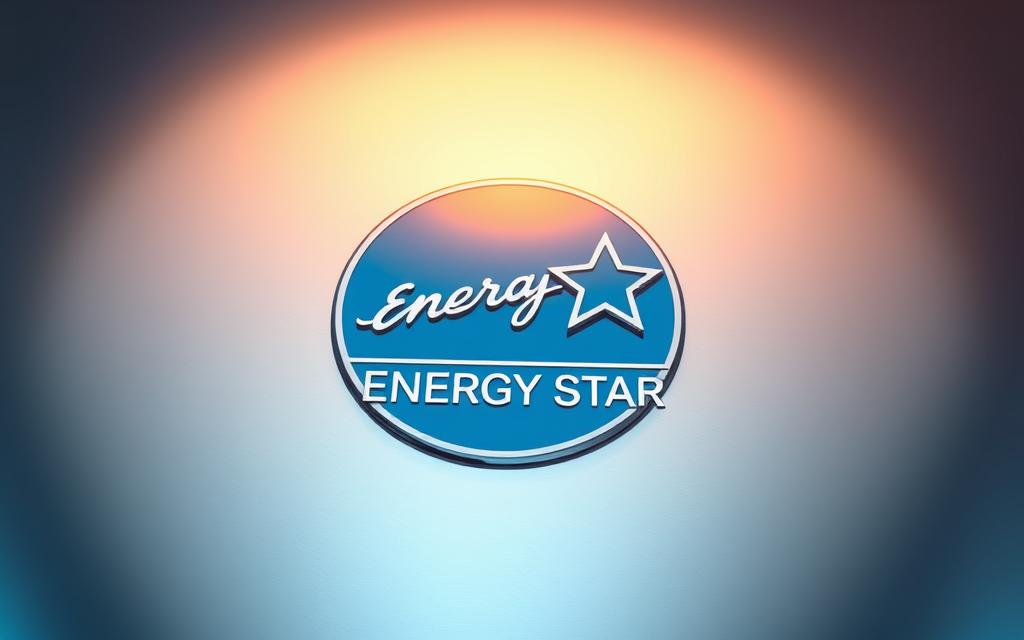
The EPA’s Energy Star program rates and certifies appliances for energy efficiency. Only products that pass independent tests get the label. They use less electricity and still keep you cool.
Energy Star-certified equipment cuts your energy bills. It uses advanced parts and controls. You might get rebates or tax credits for choosing these products.
Certified units also perform well over time. This means you get consistent cooling without worrying about costs. Plus, you help clean the air by choosing eco-friendly air conditioning.
Many high-efficiency air conditioners, heat pumps, and ductless mini-splits have the Energy Star label. Brands like Carrier, Lennox, Trane, Daikin, and Mitsubishi are often listed.
Here’s a quick comparison to help you choose among energy-efficient cooling units.
| Category | Typical Benefits | Common Brands | When to Choose |
|---|---|---|---|
| High-efficiency central AC | Top SEER ratings, whole-home comfort, lower running costs | Carrier, Lennox, Trane | Homes with existing ductwork and larger spaces |
| Heat pumps (cold-climate models included) | Heating and cooling in one package, excellent seasonal efficiency | Daikin, Trane, Mitsubishi | Regions with mild winters or where heat pump incentives apply |
| Ductless mini-splits | Zoned cooling, minimal duct losses, flexible installation | Mitsubishi, Daikin, Fujitsu | Additions, older homes, or rooms needing independent control |
| Packaged and specialty units | Space-saving, tailored solutions for specific applications | Carrier, Lennox | Small commercial spaces or single-room replacements |
Use the Energy Star product finder to find current certified models. Choosing verified eco-friendly air conditioning and energy efficiency cooling solutions helps you save energy. It also makes you eligible for incentives and ensures reliable service.
Good insulation makes your cooling system work less hard. It slows down heat gain in summer and heat loss in winter. This reduces peak demand and boosts energy efficiency cooling in your home.
When walls, attics, and ducts are well-insulated, you enjoy more comfort for less energy. This is because a well-sealed building envelope works better together.
Insulating your attic and walls means your air conditioner runs less. This reduces wear and tear on the equipment and lowers your bills. Improving insulation is often the fastest way to get a return on investment, making it a smart choice for saving energy.
Fiberglass batts are a common choice in U.S. homes. They fit between studs and joists and offer R-values from R-11 to R-38. Blown-in cellulose is great for attics and irregular cavities, providing R-30 to R-60.
Spray foam comes in open- and closed-cell types. Open-cell foam offers air sealing and moderate R-value. Closed-cell foam has higher R-value and adds moisture resistance. Rigid foam board is good for foundation walls and rim joists. Reflective radiant barriers help in hot climates by reducing radiant heat when installed under roof decking or in attics.
Better insulation can significantly lower cooling demand. This might let you choose a smaller, less expensive air conditioner while keeping your home comfortable. Air sealing is key to preventing leakage that defeats insulation.
Attic ventilation balances moisture and heat, ensuring insulation works as intended. Insulating ducts and sealing them prevents cooled air from warming up before it reaches your rooms. This, combined with an efficient HVAC unit, can multiply savings and support sustainable cooling options like high-SEER systems and heat pumps.
For the best results, use a whole-home approach. Pair insulation and cooling efficiency upgrades with smart thermostats and regular maintenance. This maximizes energy savings and extends the life of your equipment.
Smart thermostats bring modern control to home cooling. Devices from Nest, Ecobee, Honeywell Home, and Emerson Sensi connect to Wi‑Fi. They learn your daily routines and let you change settings from your phone.
They pair with home automation systems and zoning equipment. This helps reduce wasted runtime while keeping your home comfortable.
These are programmable thermostats with sensors and software. They adapt to your behavior. They use occupancy sensing, geofencing, and adaptive scheduling to set temperatures.
Many models show detailed usage data. This lets you track savings and tweak preferences.
Smart thermostats cut run time by learning when to lower or raise setpoints. They adjust based on weather and integrate with zoning systems. This steers cooling to the rooms you use most.
This lowers compressor cycling. It supports variable-speed equipment. It improves energy efficiency cooling without sacrificing comfort.
You can expect measurable HVAC energy savings. The Department of Energy and EPA estimate savings of 8–15% on heating and cooling costs. This is when you use a smart thermostat correctly.
Remote diagnostics reduce service calls. Utility companies often offer rebates for qualifying installs.
Adopting smart thermostats is a cost-effective cooling technology choice. It’s for homeowners who want lower bills and better control. These devices pair well with energy-efficient cooling units.
They play a clear role in reducing energy use in cooling across the home.
Small changes can lead to big savings. Follow these tips to keep your home comfy and save on cooling costs. These habits help your cooling system work better and save energy over time.
Get a yearly check-up from a licensed HVAC pro. Technicians from Carrier and Trane ensure your system runs efficiently.
Change or clean air filters every 1–3 months. This helps your system work better and improves airflow.
Keep condenser coils clean and outdoor units free of debris. A clean coil helps your system cool more efficiently.
Have your technician check refrigerant levels and ducts for leaks. This keeps your system running smoothly and saves energy.
Turn up the thermostat when you leave. The U.S. Department of Energy suggests 78°F when you’re home and higher when away.
Use ceiling fans to feel cooler. They let you raise the thermostat without losing comfort.
Program your thermostat with a smart device from Nest or ecobee. This matches your schedule and saves energy.
Close blinds during the hottest sun and avoid cooking in the late afternoon. Zoning helps cool only the rooms you use.
Use Manual J load calculations for accurate sizing. This ensures your system works right and controls humidity.
A system that’s too big will cycle too much and lose efficiency. A system that’s too small will struggle to cool and run all the time.
Work with licensed HVAC pros who use ACCA Manual J and S. They help choose the right size and equipment for your home. This saves you money in the long run.
By following these tips, you can make your cooling system more efficient. This saves you money and keeps your home cool and comfy.
Using available incentives can lower costs and speed up payback. Federal, state, and local programs, along with rebates from utilities, can make high-efficiency equipment more affordable. Before you buy or install, find out what incentives apply to your project.
Federal tax credits
The federal government offers credits for certain heat pumps, air conditioners, and insulation upgrades. These credits can cover part of the costs of equipment and installation. Make sure to check IRS guidance and current program details to see if your equipment and installers qualify.
State and local programs
States and cities offer sales tax exemptions, rebates, and financing options like PACE for energy upgrades. These programs vary by location and change often. Use resources like state energy offices or the DSIRE database to find local offers and application steps.
Utility company rebates
Utilities offer incentives for ENERGY STAR systems, programmable thermostats, duct sealing, and tune-ups. Some utilities give rebates instantly at purchase. Others need mail-in forms or pre-approval and a certified installer. Contact your local electric or gas company to learn about eligible products, required documentation, and processing timelines.
Combining federal tax credits with state incentives and utility rebates can make energy upgrades more affordable. This reduces your operating costs and shortens the payback period on more efficient systems.
| Incentive Type | Typical Eligible Items | How to Access | Impact on Costs |
|---|---|---|---|
| Federal tax credits | Heat pumps, central AC, insulation, some HVAC components | Claim on federal tax return; verify IRS rules and qualifying models | Reduces tax owed; can offset a significant share of upgrade costs |
| State and local incentives | Sales tax exemptions, rebates, low-interest financing (PACE) | Apply through state programs or municipal energy offices | Varies by state; often lowers upfront price or monthly payments |
| Rebates from utility companies | ENERGY STAR systems, smart thermostats, duct sealing | Instant at point of sale or mail-in with proof of purchase/installation | Immediate out-of-pocket savings; speeds return on investment |
Many homeowners face confusing claims when shopping for cooling equipment. You deserve clear facts to choose systems that save energy and money. This guide tackles common misconceptions about energy efficiency and shows how to separate marketing from reality.
Myth: A higher SEER always guarantees big savings. Fact: SEER matters, but climate and usage determine actual savings. In hot, long-season regions, higher SEER yields more benefit than in mild climates.
Myth: Bigger units cool faster and better. Fact: Oversized equipment short-cycles, lowers comfort, and cuts system life. Proper sizing by qualified HVAC technicians is crucial for true energy efficiency cooling.
Myth: Anyone can install an HVAC system to make it efficient. Fact: Improper installation erases manufacturer gains. Trust licensed professionals and check AHRI matchups to confirm performance.
High-efficiency units often cost more up front. You should weigh initial price against lifetime operating costs. Estimate annual energy cost differences using local rates and typical cooling hours.
Factor in rebates, Energy Star incentives, and federal tax credits to lower net purchase cost. Calculate a simple payback period: divide the price premium by annual energy savings to see when investment starts paying off in long-term savings HVAC.
Rely on authoritative sources such as ENERGY STAR, the U.S. Department of Energy, AHRI, and trusted local utility pages. These resources verify claims for energy-efficient cooling systems and provide test data you can trust.
Avoid buying based on ads alone. Cross-check manufacturer specs with AHRI listings and Energy Star product lists. Accurate data and professional assessments reduce risk and help you maximize HVAC energy savings.
The future of cooling is bright, thanks to new tech and clear policies. You’ll see quieter, more energy-saving cooling systems become common. New refrigerants and cool tech like magnetocaloric cooling are on the horizon.
Smart HVAC systems are coming, using AI to save energy. They learn your habits and adjust to save energy without losing comfort. Pairing these with solar power and batteries can cut costs and emissions.
Building codes are getting stricter, pushing for more energy-efficient homes. New standards and green certifications focus on cooling wisely. This makes sustainable cooling more affordable for everyone.
Keeping up with changes can help you choose the best cooling for your home. By embracing new tech, renewable energy, and stricter codes, your home will stay cool and eco-friendly.