Our Location
1250 Beacon Street
Brookline, MA 02446
Discover when it's time to replace your refrigerator with these top 7 indicators that signal a fridge upgrade is due for your home.
If your fridge can’t keep food cold, runs all the time, or uses a lot of energy, it might be time for a new one. This guide will help you know when it’s better to replace your fridge than fix it again and again.
Big names like Samsung, LG, and Whirlpool say it’s time to think about replacing when your fridge is over ten years old or has ongoing issues. Getting a new fridge can keep your food safe, save you money on energy, and stop the need for expensive repairs.
In the next parts, we’ll look at seven key signs to watch for. We’ll also cover issues like bad lighting, faulty door seals, and strange smells. Use this list to figure out if you should fix your fridge, get a replacement, or upgrade to something better for your kitchen and wallet.
If your fridge is over 10 years old, it’s time to think about replacing it. Modern fridges last 10–15 years. Older models use more energy and run longer than newer ones.
Older fridges have aging compressors and thin insulation. This makes them less efficient. They often run non-stop, increasing energy use and repair needs.
Older fridges lack inverter technology. Newer Samsung and LG models have it. This improves energy use and temperature control.
Older Whirlpool, GE, Frigidaire, or KitchenAid fridges may not cool evenly. Running constantly raises your energy bill. Replacing parts can be expensive and may not fix the issue.
Look out for signs of a failing fridge. These include constant running, uneven cooling, and frequent noises. You might also see yellow paint, rust, or broken electronics.
Parts for older fridges can be hard to find. This makes repairs slow and costly. If your fridge shows several of these signs, it might be time for a new one.
| Factor | Typical Older Models (10+ yrs) | Newer Models (ENERGY STAR / Inverter) |
|---|---|---|
| Energy use | Higher, runs longer | Lower, more efficient cycling |
| Cooling consistency | Uneven, warm spots | Stable, precise temps |
| Common failures | Compressor wear, failed ice-maker, brittle seals | Fewer mechanical failures, software diagnostics |
| Repair cost/availability | Parts scarce, higher long-term cost | Parts available, lower lifecycle cost |
| Typical brands affected | Older Whirlpool, GE, Frigidaire, KitchenAid models | Recent Samsung, LG, updated KitchenAid lines |
Your fridge should hum quietly. Odd noises mean it’s time to check. A quick listen can help you decide if a fix or a new fridge is needed.
A soft hum and clicks are normal. Gurgling from refrigerant flow is okay, but sloshing sounds need attention.
Loud buzzing might mean the compressor or start relay is failing. Grinding or screeching could be a worn fan motor or compressor bearings. Knocking or rattling usually means loose parts or a condenser fan issue.
Persistent mechanical noise often means a failing compressor. Technicians often see loud sounds before compressor failure. Replacing a compressor can be expensive, similar to replacing the whole fridge, for older models.
Worn fan motors, damaged compressor mounts, or malfunctioning defrost timers can cause noise. Try leveling the fridge, cleaning coils, and checking fans for blockages.
If noise persists after simple fixes, get a professional’s opinion. When repair costs are high, consider replacing the fridge. This avoids future breakdowns.
When your fridge uses more electricity, your bill shows it. Older fridges often use more power than new ones. You might see your utility costs go up without changing your habits.
Old fridges can use 100–800 kWh more each year than energy-saving models. This extra use shows up on your bill. Issues like bad compressors, poor seals, low refrigerant, and inefficient defrost cycles make fridges work harder.
New fridges save energy with better compressors, insulation, and lights. Brands like Whirlpool and LG offer energy-saving models. These can save you hundreds of dollars over time.
Use online tools to compare fridges. A simple rule: if repair costs and higher bills are more than the new fridge’s price difference, replace it. This can save you money in the long run.
Seeing a fridge as an investment is smart. It saves money, keeps food fresh, and is quieter. Look at estimates, compare brands, and check warranties to choose wisely.
Repeated service calls can be frustrating and expensive. Small fixes can quickly add up. It’s important to know when to repair and when to replace your fridge.
Common repairs include compressor swaps, sealed-system fixes, and ice maker failures. Compressor and sealed-system repairs are usually the most costly. For older models, these fixes can be as expensive as a new fridge.
Costs vary by region and model. Gasket or hinge repairs are often under $150. Ice maker fixes or thermostat work cost between $150 and $400. Compressor or sealed-system repairs can range from $400 to $1,200 or more.
Use simple rules to decide. The “50% rule” suggests replacing if a repair costs 50% or more of a new fridge. The “age rule” suggests replacing if your fridge is over 10 years old. Repeated thermostat or defrost service calls often indicate a failing system.
Here are scenarios to guide you:
Get multiple professional quotes before deciding. Compare repair bids to costs for refrigerator replacement service and new fridge installation. Consider warranties, energy savings, and the convenience of a full fridge change-out service.
Request estimates from trusted brands like Whirlpool, GE, Samsung, or LG dealers and certified local technicians. This will help you compare repair expenses to the long-term value of a new refrigerator.
Seeing frost or thick ice inside your freezer or between compartments is a warning sign. It can start from a blocked drain or a worn-out door gasket. If ignored, it can damage the compressor and corrode coils, leading to costly repairs.
Failed automatic defrost systems are a common cause. Issues with the defrost timer, heater, or thermostat can occur. A blocked defrost drain also traps melt water, turning it into thick ice.
Damaged door seals let humid air in, causing moisture to freeze. Older models may lose their frost-free feature as parts wear out.
Begin with simple checks you can do yourself. Check and replace worn-out door gaskets to keep warm air out. Clear the defrost drain with a gentle flush or a soft wire if it’s clogged.
Test the defrost heater and timer if you’re comfortable with electrical work. If not, call a qualified technician. Manual defrosting by unplugging and letting ice melt is a temporary fix.
If ice returns after repairs, or if the evaporator and coils show heavy corrosion, it’s time for a change. Consider upgrading or renovating your refrigerator for long-term reliability and energy savings.
When your groceries spoil faster than usual, it might mean your fridge isn’t keeping the right temperature. Look for signs like uneven cooling, thawed ice cream, or milk that sours quickly. These are signs of temperature issues that can lead to wasted food and money.
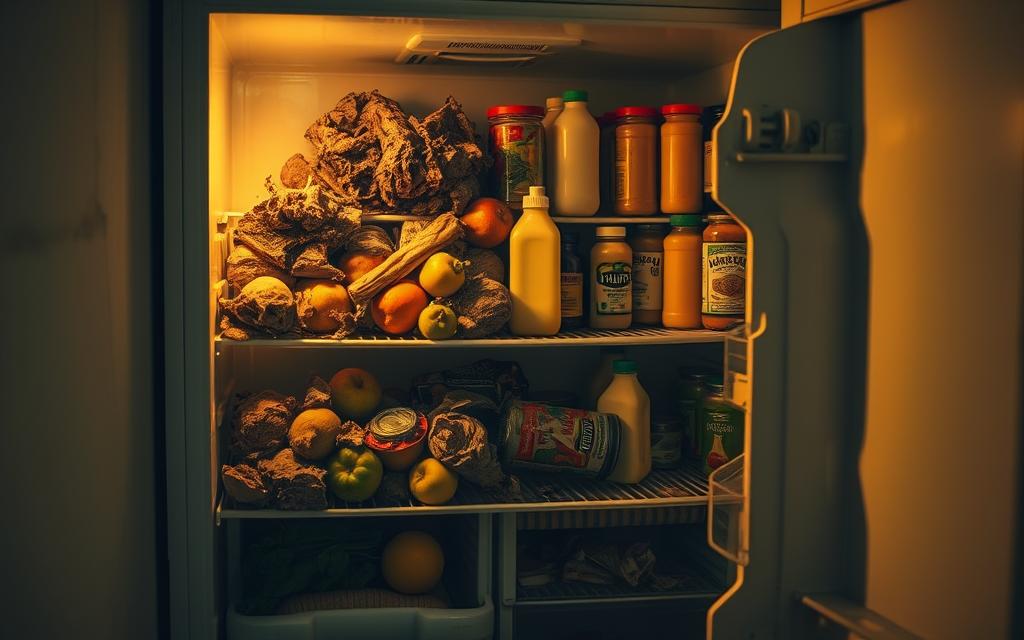
Check if milk and deli meats spoil sooner than they should. Also, look for frozen items in the fridge or produce that feels warm. If some shelves are colder than others or ice cream softens too fast, it’s a problem. Use a built-in temperature display or an appliance thermometer to confirm these issues.
Keep your fridge at or below 40°F (4°C). The freezer should be at 0°F (-18°C). These temperatures slow down bacterial growth and keep food fresh and safe.
If your fridge’s temperature keeps changing, even with the right settings, check the vents, door seals, and condenser coils for dust. Use an appliance thermometer to track temperatures in different spots over 24 hours. If cleaning, replacing seals, or adjusting settings don’t solve the problem, it might be time for a new fridge. A fridge change-out is needed when thermostats, compressors, or sealed systems fail beyond repair.
Seeing small puddles, fogged shelves, or drips in your fridge is a warning sign. Moisture can stem from several common issues. You might try simple fixes, but if the problem persists, it might be time for a full fridge makeover or to call a pro.
A blocked defrost drain can send meltwater into the fridge instead of the drain pan. A cracked or misaligned drain pan will leak, causing puddles. A worn-out door gasket lets warm, humid air in every time you open the door.
Defrost heaters or timers that don’t work right can also cause water buildup. If your fridge is not level, water won’t drain properly, leading to puddles on shelves. High humidity and opening the door a lot can make these problems worse.
Moist, cool places are perfect for mold and mildew to grow. Fresh produce can spoil quickly. Mold spores can harm people with allergies and lower air quality.
Water can damage cabinet finishes and warp particleboard. It can also stain floors and cause long-term damage. Damp areas attract pests like silverfish and ants, which seek out food and cardboard.
Begin with targeted repairs. Clear the defrost drain, replace a damaged pan, and swap old gaskets for new ones. These steps often stop leaks and restore normal operation.
If moisture keeps coming back after repairs, look for internal corrosion or repeated failures. At this point, it’s wise to replace parts or the whole fridge. Contact a certified service when corrosion or complex failures threaten food safety and your home’s surfaces.
| Issue | Quick Fix | When to Replace |
|---|---|---|
| Blocked defrost drain | Flush with warm water and remove debris | If clog recurs after cleaning or drain is damaged |
| Cracked drain pan | Replace the pan with OEM part | If pan mount is corroded or leaks persist |
| Door gasket failure | Install a new gasket and test seal | If frame warps or seal keeps failing |
| Defrost system failure | Repair heater or timer | If electronic controls or evaporator are damaged |
| Structural corrosion or multiple faults | Short-term patching to protect food | Consider refrigerator renovation or full replacement |
Good interior lighting helps you find items fast, cuts the time the door stays open, and makes your appliance feel higher quality. Old bulbs fail more often and emit heat. Modern LED lights last longer and use less energy. If you notice dim or flickering light, this could be a simple bulb change or a sign of deeper electrical issues.
Proper lighting reduces wasted cold air from long open-door searches. You spend less time with the door open when you spot items quickly. This saves energy and protects food quality. Many modern models from Samsung and LG use LED strips that stay bright for years.
Good lighting also signals reliable electronics. If light behavior is erratic, you may have an intermittent power issue. This can point to control board failure, which often costs more to fix than a fridge replacement or a new fridge installation on older machines.
Follow these steps before calling a technician. Always unplug your appliance before checking internal wiring or control boards.
If troubleshooting reveals failing electronics, repeated intermittent faults, or costly control board repairs on an older unit, you should weigh repair costs against a fridge replacement. A new fridge installation can restore reliable lighting, cut energy use, and reduce long-term repair needs.
| Issue | Quick Fix | When to Consider Replacement |
|---|---|---|
| Burned-out bulb | Swap for appliance-rated LED | No, unless repeated failures occur |
| Faulty door switch | Replace switch assembly | Consider replacement if switch failures recur with other electrical faults |
| Intermittent lighting | Inspect wiring and outlet; test power | Yes, if control board faults appear on older models |
| Lights stay on | Check door alignment and gasket; fix hinge | Consider new fridge installation if sealing problems persist and repair costs add up |
If your fridge’s sides or top feel warm, or if the air near the compressor is hot, it’s a warning. A fridge that runs all the time and blows heat wastes energy. It can also shorten its life. Look for obvious reasons before deciding to replace or upgrade your fridge.
Identifying poor insulation
Warm cabinet surfaces, hot condenser coils, and a compressor that never shuts off mean bad insulation or a failing compressor. Dust and pet hair around the condenser make it harder for heat to escape. Older insulation lets more heat through.
What to do about a hot refrigerator
Start by pulling the fridge away from the wall and cleaning the condenser coils. Make sure it has enough space for air to flow. Check the condenser fan motor; if it’s noisy or not working, replace it.
After cleaning, watch the coil temperature and compressor cycling. If the fridge still gets too hot, a technician should check the compressor and insulation. In poorly ventilated kitchens, a hot fridge can raise the room temperature and energy costs. This might mean it’s time for a new fridge.
If cleaning and minor repairs don’t solve the problem, it’s time to replace your fridge. Getting a new one can make your kitchen safer, more efficient, and save you money in the long run.
A faulty door gasket may seem small, but it impacts cooling, energy use, and food safety. Spotting problems early is easy with a quick visual check and a simple test. If the seal looks old, you might need to repair it or replace your fridge.
Signs of a Worn-Out Seal
Look for cracks, warping, sticky residue, or gaps when the door is closed. Run your fingers along the edge to check for uneven pressure. Try closing the door on a folded dollar bill and pull it out; if it slides out easily, the seal needs fixing.
How a Faulty Seal Affects Performance
Warm air can leak in through a bad seal. This makes the compressor work longer, increasing energy use and shortening appliance life. You might see frost in the freezer, uneven cooling, and faster food spoilage.
Replacing the gasket is often affordable and works well if the fridge is in good shape. If the gasket keeps failing, the door frame is warped, or repairs don’t stop leaks, it might be time to replace your fridge. You could also talk to a refrigerator replacement service to see if a new fridge is needed.
Persistent smells in your fridge can tell you a lot about hygiene and hidden problems. Sometimes, a good clean can solve the issue. But, some smells might mean you need to fix or replace your fridge.
Odors can come from spoiled food, spills in plastic bins, mold in drip pans, or decomposing items. Sweet or chemical smells might mean a refrigerant leak. If smells come back fast after cleaning, it could be trapped in insulation or sealed areas.
Here are steps to tackle most odors and know when it’s time for fridge repairs or a new one.
Deep cleaning steps
Try a monthly quick cleanup to prevent buildup. Remove spoiled items right away and keep strongly scented foods sealed in airtight containers.
If odors keep coming back after a full clean, check for stains in liners or insulation. Stubborn mold, a sealed-system leak, or chemical smells mean you might need to replace parts or renovate your fridge. For suspected refrigerant issues, call a certified technician. If repairs are too expensive or your fridge is old, it might be time for a new one.
| Problem | Quick Fix | When to Replace |
|---|---|---|
| Spoiled food smell | Remove items, clean shelves, baking soda absorber | Persistent smell after cleaning or repeated spoilage |
| Mold in drip pan or drain | Clean drain line, sanitize with vinegar, dry | Mold inside insulation or inaccessible cavities |
| Absorbed smells in plastic/linings | Deep wash, baking soda soak, charcoal | Stained liners that retain odor after cleaning |
| Chemical or sweet refrigerant smell | Evacuate area and call a technician | Confirmed refrigerant leak; consider refrigerator replacement service |
If your fridge keeps food cold but doesn’t fit your lifestyle, it’s time to upgrade. New models from LG, Samsung, Whirlpool, Bosch, and GE have features that can change your daily routine. Before you decide to replace your fridge, think about what features would make your life easier and save energy.
Look for energy-saving inverter compressors, dual evaporators, and fast-chill zones. These improve cooling and lower your bills. Adjustable shelving, humidity-controlled crispers, and door-in-door designs offer more storage flexibility. Stainless and fingerprint-resistant finishes keep your fridge looking good.
Through-the-door ice and water or smart features like Wi‑Fi alerts add convenience.
Choose features based on your family size and cooking habits. If you cook a lot or entertain often, a fridge with adjustable storage and larger capacity might be right for you. If you live alone or rarely cook, a simpler model could be better.
Think about your kitchen layout, water and electrical hookups, and whether a new fridge will fit. Measuring your opening, checking hookups, and confirming installation and haul-away options are practical next steps. Balance the features you need, energy savings, and warranty coverage when upgrading or replacing your fridge. This way, your upgrade is a smart investment in convenience and savings.