Our Location
1250 Beacon Street
Brookline, MA 02446
Experiencing a clicking noise in your AC? Learn what relays and expansion sounds mean, and when it's just a minor issue not worth fretting over.
Almost 40% of homeowners hear clicks from their HVAC or car dash without any clear reason. These sounds can be a sign of something minor or a serious electrical problem.
This piece sheds light on clicking noises in AC units. It talks about which sounds are okay and which ones mean you should call for help. Sometimes, the clicks are just the system or its parts responding to temperature changes.
In cars, clicking often comes from poor connections, broken relays, or jammed parts. These car issues give us clues about AC noises at home. For instance, relays and parts in your HVAC can click in similar ways.
Usually, these clicks are normal or due to the system working as it should. But, if you hear clicks with smoke, power loss, or a burn smell, act fast. We aim to offer clear advice to homeowners and renters. This way, you’ll know which noises are fine and which need a closer look.
A clicking noise in an AC unit can worry you. Some clicks don’t mean much. But some mean a part needs looking at. We’ll explain the usual reasons for these sounds and how to figure out their meaning.
Clicks can come from loose screws, fan blades hitting their casing, or debris. Corroded electrical connections might sound like faulty relays. Often, clicking noises come from old actuators or stepper motors in HVAC doors as they move.
Car forums talk about clicks related to the central locking system or AC issues in the dash. They share stories of how bad grounds under the battery tray can cause weird sounds. This issue can happen in houses too if the connections aren’t good.
Relays are switches that help turn parts of your AC on or off. A bad one will make a clicking sound over and over as it tries to work. Clicking when the AC starts often signals relay troubles.
If a relay gets stuck or dirty, it may keep clicking, even if you turn the power off and on. This can empty car batteries or harm home electrical systems. In houses, you might hear a steady click from the AC compressor when the contactor has issues.
Parts made of metal or plastic grow or shrink with temperature changes. These shifts make popping or clicking sounds, worse on hot days or when cooling quickly. These clicks are mostly nothing to worry about.
If you hear clicks when it gets hotter or cooler, it’s probably just the materials moving. But if these sounds happen with other problems, like your AC not cooling or lights flickering, mention it when checking for AC noise issues.
Not every click is a sign of trouble, but watch out for certain patterns. Be alert if clicking sounds come with smoke, a burning smell, flickering lights, or if the cooling suddenly stops. These could be signs of electrical issues needing quick action.
Rapid, repetitive clicking might mean a problem like relay chatter or a bad control board. If the clicking doesn’t stop even when the AC is off, it could be due to stuck relays. This drains power and is a common find in AC clicking noise checks.
If you hear clicking with tripped breakers, blown fuses, or if your car won’t start, it’s similar. These clicks can warn of serious electrical issues. If there’s smoke, a burnt smell, or the system quits cooling, call a pro immediately.
Normal clicking happens with temperature changes or when the compressor kicks on or off. These clicks are brief, evenly spaced, and stop when the system is steady. This kind of clicking usually isn’t a major worry.
But be wary of fast, long, or non-stop clicking, especially if the AC blows hot air or won’t start. These symptoms mean something’s wrong inside. It could be the relays, capacitors, or the control board, and it needs checking by an expert.
| Symptom | Likely Cause | Urgency |
|---|---|---|
| Single click on cycle start | Normal compressor start or thermostat relay | Low — monitor |
| Rapid repetitive clicking | Relay chattering or weak capacitor | High — inspect/repair |
| Clicks with burning smell or smoke | Overheating electrical component or short | Emergency — shut off power and call technician |
| Clicks continue when unit is off | Stuck relay or control board fault | High — AC clicking noise repair recommended |
| Clicking plus loss of cooling | Compressor not engaging or control failure | High — immediate AC clicking noise diagnosis |
Begin with easy checks before delving into the electrical parts. Pay attention to when and where the click occurs, and its pattern. Knowing this makes fixing AC clicks faster and helps you choose between DIY or calling a pro.
1. Note the timing: at start-up, during operation, when shutting off, or with temperature changes. This helps quickly identify sporadic issues.
2. Find where it’s coming from: inside air handler, outside unit, control panel, or vents. Move slowly to find the source.
3. Look for visible issues: unsecured panels, brackets, debris, or damaged fins can cause clicking. Secure all loose parts and clean away debris.
4. Listen for a steady tapping. It often points to issues with relays or contacts. Recognizing them is key in diagnosing AC clicks.
5. Check electrical connections and fuses for signs of corrosion, similar to a car’s battery. Corroded connections can cause clicks.
6. Examine the start capacitor and contractor in the outdoor unit. If relays or actuators are faulty, replacing them may fix the clicking.
If you smell something burning, see sparks, or the breakers flip often, call an HVAC tech. Constant clicking with the AC off could mean wiring problems that require expert help.
For tasks like accessing the control board, compressor work, or electrical replacements, get a certified professional. They ensure safety and meet warranty and code standards.
Always turn off power at the main breaker or disconnect before doing home system work. For car HVAC, disconnect the battery first to prevent shorts.
Regular care makes your air system work quietly and reliably. It helps find worn parts early. This way, they don’t cause noisy interruptions. Routine maintenance also avoids the need for repairs due to AC clicking sounds later.
It’s important to inspect electrical connections during each visit. You should clean and tighten terminals. Replace any corroded grounds or wires. Also, keep contactors and relays clean.
If panels, fasteners, or belts are loose, they can cause parts to rub. This makes a disturbing clicking noise in your AC. To avoid this, check them regularly.
Always lubricate fan bearings and moving parts. This helps prevent noises from the motor. Also, make sure to check condensate drains and fan belts. They should be clean and properly aligned. These steps reduce the chances of having to fix AC clicking sounds.
Schedule a check-up before it gets really hot. Experts from companies like Carrier, Trane, or Lennox will catch issues early. They can fix failing parts so your system runs quietly and efficiently.
Getting your system checked before the season changes is smart. It helps your system run better and last longer. It also avoids sudden troubles and expensive repairs. Replacing old parts early usually costs less than fixing them in an emergency.
It’s helpful to know what’s inside your air conditioner to identify unusual sounds. Recognizing each part lets you figure out the cause of clicking noises quickly.
The compressor is key in both split and central AC systems. It starts cooling when the thermostat signals, making a clicking sound. This click is normal and expected during start-up.
Rapid, repetitive clicking or a stuttering noise might mean a problem with the start capacitor or contactor. If the compressor struggles to start, these parts could be worn or failing. Watching for consistent starting issues can help pinpoint electrical or start-up problems.
Indoor blowers and outdoor fans often cause clicking sounds. As bearings age, they tend to click or tick more.
Fan blades hitting the unit’s casing or debris create a distinct clicking noise. If mounting brackets come loose, motors may shift and make clicking sounds while running.
Coils affect noise through airflow. When evaporator or condenser coils get dirty, they restrict air flow. This makes motors work harder, possibly leading to clicking or stuttering noises.
Devices like actuators, dampers, or zone controls direct airflow and can click when moving. If these parts stick or malfunction, they might click audibly. Controllers from companies like Honeywell or Ecobee might make clicking sounds as dampers adjust.
Here’s a clear comparison to help you figure out why your AC might be clicking. It can guide your troubleshooting steps.
| Component | Typical Click Type | Common Cause | Suggested Check |
|---|---|---|---|
| Compressor | Single click at start or rapid chattering | Normal contactor engagement; failing start capacitor or worn contactor | Listen at startup; test capacitor and contactor; call certified technician if chattering |
| Outdoor Condenser Fan | Intermittent clicks or ticking | Worn bearings, blade damage, or debris contact | Inspect blades and clear debris; check motor bearings; tighten mounts |
| Indoor Blower Motor | Rhythmic clicks during cycles | Bearing wear or misaligned fan wheel | Shut power, inspect wheel alignment, consider motor replacement |
| Coils | Accompanying motor noises and reduced smooth operation | Dirty coils causing airflow restriction | Clean coils and filter; assess airflow after maintenance |
| Dampers / Actuators | Short, repeated clicks when changing zones | Sticking actuator, lost calibration, or failing motor | Cycle dampers manually; recalibrate or replace actuator if persistent |
Changing weather impacts how your AC works. Shifts in temperature and humidity can cause parts inside to shift. This might create sounds. Not all noises signal a problem. But noticing when they happen helps you figure out what to do.
Seasonal Changes and Expansion
Metals and plastics respond differently to heat. A sunny day after a cool night can make parts of the AC move. This often leads to a short clicking sound.
Starting your AC after it’s been off can also cause clicks. These sounds are typically okay. They come from parts expanding or shrinking. Tracking when these sounds occur can show you if it’s a regular pattern.
Humidity’s Role in AC Sounds
High humidity affects how certain parts of the AC fit together. It can make materials swell. This might lead to more rubbing or rattling noises. Such conditions might make the clicking you hear louder.
Moisture over time can also cause parts to rust. This rust can make the clicking louder, especially from certain electrical parts. Check areas likely to be damp after wet weather.
Cold Weather Effects
Colder weather can thicken lubricants and make parts stick. When these parts start moving again, they might click. The outside part of the AC can also make noises as it gets frosty or thaws out.
Notice if clicks happen more during times when it gets very cold, then warms up. Write down when it happens. Use this info to see if you need to do something about the noise.
When to Monitor and When to Inspect
If you hear clicks only with big temperature changes and they stop soon, just keep an eye on it. If the noise gets louder or your AC isn’t working right, call a professional.
| Weather Factor | Typical Cause | Likely Sound | Suggested Action |
|---|---|---|---|
| Day/Night Temperature Swings | Thermal expansion of metal/plastic parts | Soft clicking or popping at startup or sunrise | Log occurrences; monitor for escalation |
| High Humidity | Swollen seals, amplified rattles, accelerated corrosion | Intermittent clicks and increased rattle | Inspect seals and fasteners; dry and tighten components |
| Freezing Temperatures | Sticking actuators, frost on condenser parts | Sharp clicks as parts free or ice melts | Check for ice buildup; warm system slowly; troubleshoot if persistent |
| Rapid Weather Change | Combined stresses on mounts and electrical contacts | Repeated clicking over several cycles | Schedule inspection if clicks persist after cycles |
Write down when the clicking sounds happen and under what weather conditions. This info can help you figure out the issue. Or it can help a technician fix your AC.
Different types of air conditioners make unique sounds. Knowing which sounds match which unit helps solve AC clicking noises faster.
Central air systems often produce louder clicking sounds. This is due to their contactors, relays, or zone damper actuators. Their larger compressors and the act of switching high current make these sounds clearer.
A repeating click in central systems may remind you of a car’s HVAC issue. It happens when a damper motor tries to adjust but fails to find its spot.
Window air conditioners, on the other hand, have smaller relays and compressors. The plastic around them can make expansion and contraction sounds louder. Fixing these usually takes a short time. You might need to replace a start capacitor or tighten some panels.
Portable air conditioners pack their components into small spaces. Clicks in these units often come from fan motor bearings, control relays, or vent-moving stepper motors. A malfunctioning stepper motor might make short, repetitive clicks as it struggles to adjust a vent.
For any AC type—be it central, window, or portable—solving a clicking noise starts with figuring out the sound’s nature. If it’s electrical, it may be a relay or capacitor issue. Mechanical sounds might come from loose parts, worn-out bearings, or jammed dampers.
Electrical faults in an AC system often show up as clicks, clacks, or rapid chattering. These sounds mean failing relays, weak capacitors, loose terminals, or a circuit breaker under stress. Knowing why your AC clicks lets you fix it faster.
Relay and capacitor behavior
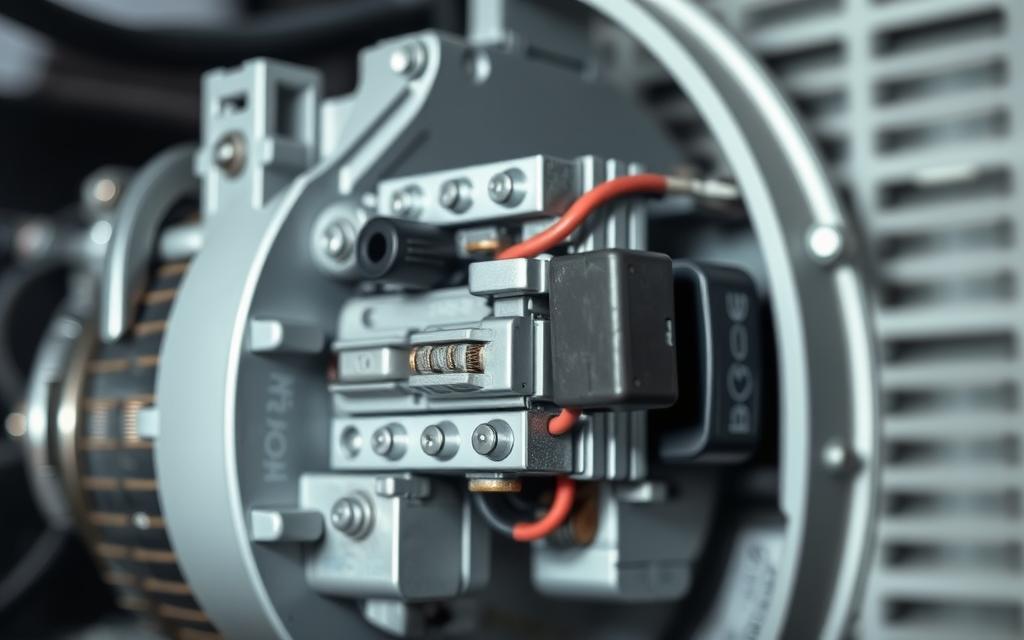
Relays make a click sound when they start working. A good relay clicks once clearly. But a bad one makes a lot of fast clicks, wearing out the compressor.
A weak capacitor makes the compressor start, stop, and start again. This causes a continuous clicking and more power use.
Circuit breaker and overload signs
If clicking happens when a breaker trips, it might be an overload. The compressor loses power and clicks when trying to start again. One fault can lead to other problems in the system.
Corrosion and grounding faults
Corrosion and bad connections cause random clicks. In houses, bad connectors act like in cars with rusty battery areas. Good connections lower false clicks and make things work better.
How to troubleshoot AC clicking noise safely
Fixing AC clicking starts with finding the cause and testing carefully. This way, you don’t waste parts and your AC lasts longer.
As air conditioners get older, they start sounding and running differently. Worn parts can make a once quiet system noisy with clicks and stutters. While small repairs might help, frequent issues could mean it’s almost time to say goodbye to your AC.
Old parts vibrate more, leading to noisier operation. This includes loud clicking when turning on or during compressor cycles. Worn bearings in fans can also create a clicking sound that gets worse over time.
Electrical components have their own aging problems. Contacts can stick, capacitors weaken, and control boards might fail. These problems often cause noises, pointing to needing new parts, not just fixing installation errors.
Look out for frequent clicking when starting, longer times to get running, and less cooling power. If energy bills go up but settings stay the same, your system might be struggling to maintain temperature.
Corrosion, oil leaks near the compressor, and constant error messages are clear signs of trouble. Repeated noises and lower performance might mean big repairs or needing a new unit soon.
Choosing between fixing noises or replacing the AC comes down to costs and issues. Simple part replacements can be affordable and extend your AC’s life. But ongoing problems and less efficiency might make a new, quieter unit a better choice. Look for models from reputable brands like Trane, Carrier, or Lennox.
Small changes can make your AC quieter. Start with easy fixes and later consider bigger upgrades. Doing this can make your AC silent without disrupting your day.
Wrap your ducts in foam to stop clicks and rattles. Fix any loose parts with screws or rubber grommets to prevent metal from hitting metal. For outdoor units, use mounts that reduce noise when they turn on.
Acoustic panels in rooms with machinery can lessen noise from your AC’s heavy parts. Tighten any loose metal fasteners and replace old clips. These steps effectively reduce common AC noises.
Change out noisy parts in your AC with better ones to reduce clicking. Use special grease on connections to avoid rust and ensure strong connections. Bad connections can cause noise, similar to issues in cars.
During maintenance, consider replacing old capacitors and parts. Early inspections can spot failing parts that make noise. This helps in addressing AC noises sooner.
When it’s time for a new AC, compare sound levels of different brands. Seek out features like soft-start compressors and advanced technology for a smoother, quieter start. This reduces noise when the AC turns on or off.
Inverter technology adjusts the compressor speed, which minimizes sudden noises. This is a longer-term way to ensure your AC runs quietly. Choose AC units with good warranties and features for quiet operation.
Have your AC checked annually to identify and fix loose parts or worn-out components. Regular checks can prevent sudden, noisy surprises from your AC unit.
Start with simple updates like better mounts or quieter parts and add insulation where needed. These improvements are less expensive than buying a new AC but can significantly reduce noise levels.
Quick sounds from your air conditioner shouldn’t worry you much. A click when the AC starts generally means a part is working properly. Clicking can also happen as the temperature changes, causing metal parts to move.
A click or two when the AC kicks on is nothing bad. These sounds might also come from your thermostat adjusting or when it’s getting warmer or cooler outside. If your AC still cools or heats properly, the noise isn’t a danger sign.
When to let it be
Keep an eye on rare, soft clicks if everything else seems fine, and there’s no smell of burning. If there’s no electrical issues, the AC is working fine, and the sound doesn’t get more frequent, don’t worry. Car owners might notice similar noises when changing settings, which is typically okay unless something else seems wrong.
Warning signs to watch for
Pay attention to what’s usual. If clicks are rare, happen with startups or temperature changes, and your AC works fine, it’s probably okay. But if the clicking changes or you notice other issues, it’s time to call a pro to check things out.
Living with HVAC noise gets easier if you know what to do. We talked about why your AC might click — it could be relays, actuators, or the metal changing with the temperature. We also looked at when this clicking is okay and when it’s a sign of trouble. Plus, you learned how to figure things out yourself and basic care tips to stop the noise without calling for help.
Clicking when your AC starts or stops is usually fine. But if it clicks a lot or very quickly, relays, capacitors, or the compressor might be failing. You need to look at this right away. To handle the clicking, check the mounts and covers, note when and how often it happens, and make sure to turn off the power before you start fixing things.
If you live in the U.S., it’s good to keep track of any strange noises and make sure your AC gets checked when it should. Think about replacing parts that wear out before they break, and choose quieter options when getting new equipment. If you still have troubles with clicking sounds or the compressor, get a skilled HVAC person to help. This keeps your home comfortable and safe, and makes your system last longer.