Our Location
1250 Beacon Street
Brookline, MA 02446
Struggling with an air conditioner not cooling? Learn to troubleshoot with our filter, gas, and coil guide for quick fixes and efficient cooling.
Every summer, about 25% of homeowners face AC problems, turning ordinary days into costly emergencies.
This checklist will guide you through fixing the three main issues: air filter, refrigerant, and coils. Often, the problem is simple, like dead thermostat batteries, a tripped breaker, or a flipped switch making the AC fail.
Begin by doing some easy checks: Make sure the thermostat is set right, examine the filter for dirt, and look for any refrigerant line issues. A useful test is measuring the temperature difference across vents—it should be between 16–20°F. Also, ensure the condensate drain is clear and the outside unit is operating.
Using this checklist can help you solve issues quicker, reduce your cooling costs, extend your system’s life, and avoid breakdowns during summer. It’s designed for U.S. homeowners looking to fix an underperforming AC, learn simple troubleshooting, and understand when to call a professional.
Air conditioners seem mysterious but actually work on a simple process. This guide explains the basics of how air conditioners work. It focuses on the refrigerant’s role and common issues that can arise.
The system pulls heat from your room and dumps it outside. A fan inside blows room air over a coil filled with refrigerant. This coil absorbs the heat, turning the refrigerant from a liquid into a gas.
The compressor sends this warm gas to the outdoor unit. A fan outside blows air over another coil, cooling the refrigerant down. It turns back into a liquid.
An expansion device then reduces its pressure and temperature. All parts like the blower, compressor, and thermostat work together. This makes sure your place stays cool.
Refrigerant is key for moving heat. The right amount is crucial for keeping temperatures right.
Too much or not enough refrigerant makes the system work poorly. It can freeze the coil or hurt the compressor. Technicians use digital tools for accurate readings, leading to better fixes.
If your AC isn’t cooling, several things might be wrong. Dirty filters or coils block air. Leaks can lower refrigerant levels, affecting cooling. Leaky ducts also mean less cool air in rooms.
Problems like wrong thermostat settings or dead batteries affect how often your AC runs. Broken parts can keep your system from working. Clogged drains might even shut it down. AC units that don’t fit your space right also don’t cool properly.
To fix cooling issues, start simple: clean filters, check the thermostat, and make sure coils and outdoor areas are clear. If these steps don’t help, call a pro for help with refrigerant and electrical checks.
| Component | Function | Common Faults |
|---|---|---|
| Evaporator Coil | Absorbs indoor heat into refrigerant | Dirty coil, ice build-up, reduced heat transfer |
| Compressor | Pumps refrigerant through system | Overheating, seized motor, inefficient compression |
| Condenser & Fan | Releases heat to outside air | Blocked airflow, fan failure, dirty fins |
| Expansion Device | Reduces refrigerant pressure and temperature | Clogs, improper metering, erratic cooling |
| Blower Motor | Distributes cooled air through ducts | Weak airflow, noisy bearings, electrical faults |
| Thermostat | Controls temperature setpoint and cycles | Wrong settings, calibration errors, dead batteries |
Notice if your AC isn’t cooling well to fix issues early and avoid big damage. Look at how it feels, sounds, and works. Checking your air conditioner at home can show if it needs a new filter or professional help.
First, compare the temps of supply and return vents. Let it run for 15 minutes, then check both. A good temperature difference is 15–20°F. If the air is warm or the gap is less than 16°F, it might mean airflow issues, low refrigerant, or compressor problems.
Blocked airflow can be caused by a dirty filter, closed vents, or blocked grilles. Low refrigerant or a bad compressor makes it hard for the AC to cool. Use a thermometer or HVAC gauge for better accuracy.
An AC working too hard uses more power, making your bill go up. Dirty filters, blocked coils, duct leaks, or bad parts increase power use and reduce cooling.
Check the AC’s amperage with a clamp meter to spot high power use. High amps suggest a stressed motor or compressor. Fixing small issues early helps decrease runtime and energy costs quickly.
Listen for buzzing, clicking, rattling, grinding, or squealing sounds. Buzzing or clicking might mean electrical problems. Rattling shows something like an unbalanced fan or damaged base.
Grinding and squealing could mean the motor or bearings are failing. Sometimes, pests or trash damage wires and parts. Any strange noise should be checked quickly to stop more wear.
| Symptom | Quick Check | Possible Causes | Action |
|---|---|---|---|
| warm air blowing from vents | Measure supply vs return temps after 15 minutes | Dirty filter, low refrigerant, compressor fault, blocked vents | Clean/replace filter, check airflow, call HVAC tech if refrigerant or compressor suspected |
| increased energy bills | Compare monthly usage; measure unit amperage | Dirty coils, duct leaks, failing motor or compressor | Inspect coils and ducts, tighten electrical connections, schedule professional service |
| unusual noises from the unit | Note type and location of sound | Electrical contactor, loose fan, bad bearings, pests or debris | Tighten mounts, clear debris, replace damaged parts, contact technician for motor issues |
Cleaning your air filter regularly helps keep your HVAC system in top shape. It stops dust from building up, ensures steady airflow, and makes it easier to fix issues when the AC doesn’t cool properly.
Replace disposable filters every month when it’s hot. During cooler times, changing them every 2 to 3 months works. If you have pets, are renovating, or live in a dusty area, you might need to change them more often.
Other types of filters, like those with higher MERV ratings or systems from Aprilaire and Lennox, have their own schedules. Even top-notch filters like AccuClean need regular checks and sometimes need to be replaced or serviced.
Signs include less air coming from vents and dust covering the filter. If there’s dust near the registers, that’s a warning sign. If your system cycles too often or the blower motor feels hot, your filter might be blocked.
Seeing ice on the evaporator coil means it’s time for a new filter. Use fan-only mode to defrost coils before you turn your cooling back on. This can fix cooling problems caused by limited airflow.
A dirty filter can block airflow, making the blower motor work harder. This uses more electricity and can wear out the motor and other parts quicker.
This blockage can also cause the evaporator coil to freeze, impacting the system’s ability to cool. This leads to more energy use, increased bills, and a shorter lifespan for your equipment. Keeping filters clean reduces these risks and helps fix cooling issues without extra service calls.
Refrigerant is crucial in cooling our homes. It moves heat outside, letting the evaporator and condenser work right. By keeping it at the right level, we avoid ice buildup, protect the compressor, and ensure our systems run smoothly.
Refrigerant picks up heat inside and lets it go outside. Having the right amount is key for it to work properly. If there’s too little, it won’t cool well, might freeze up, or wear out the compressor. Too much, and it’s inefficient and could damage parts.
Start by looking for easy signs. The suction line should be cold to the touch and maybe sweaty. Warmth here, or ice on the coil, means there could be a problem. Different room temperatures might also signal an issue.
A pro will use specialized tools for an exact check. They look at pressures and temperatures to figure out the right refrigerant level. But, dealing with refrigerant can be dangerous without proper training and an EPA certification.
You might hear hissing or see bubbling, or find oily spots on connections. These all suggest leaks. Less cooling or a frozen evaporator coil are also warning signs. And, if the suction line feels off, think leak.
Issues like missing caps or broken insulation can make things worse. If ice doesn’t melt after changing the filter or just running the fan, get a certified expert to check it out.
| Check | What to Look For | Action |
|---|---|---|
| Insulated suction line | Cold and sweating when running | Normal operation; monitor for changes |
| Evaporator coil | Ice formation or frost | Stop cooling, run fan-only; call technician |
| Fittings and connections | Oily residue or visible damage | Suspect leak; schedule repair |
| Hissing or bubbling sounds | Audible near line sets | Shut off system and contact service |
| Overall cooling | Rooms stay warm; air conditioner not cooling as before | Combine filter and fan checks; if problem persists, checking refrigerant level and leak repair may fix air conditioner cooling problem |
Clean coils make an air conditioner work better. They help save energy, reduce operation time, and ease stress on parts. Regular care of the evaporator and condenser coils avoids many problems. It also makes figuring out cooling issues simpler.
Dirty coils stop heat from moving properly. This makes the system strain to cool your home. It results in more electricity use and can harm parts like capacitors and motors.
Things like outdoor dirt, plant bits, or pet urine can really damage a condenser. Inside, dust and mold can block air and might pollute your home’s air if not cleaned.
First, clean the outdoor unit by removing debris. Use a special brush and cleaner to get rid of dirt. Carefully fix any bent fins to get air flowing well again. Make sure there’s enough space around the unit after cleaning.
Turn off the power before you clean the indoor coil. Use a cleaner meant for light dirt that doesn’t need rinsing. Don’t rinse with high pressure as it can hurt the fins or push dirt into the ducts. Change filters before cleaning to prevent dirt from coming back fast.
Call an expert if the coils are very dirty, have pet urine stains, or are iced over. Professionals can do heavy cleaning, replace coils, and handle complicated issues.
They also tune-up the system, check coolant levels, inspect parts, and test temperature differences. It’s best to do this in spring. This helps avoid summer problems and makes it easier to fix cooling issues.
Before you call for help, check the thermostat settings yourself. A small error in setting can change how comfortable you are. This quick step may solve your AC troubles without needing special tools or spending money.
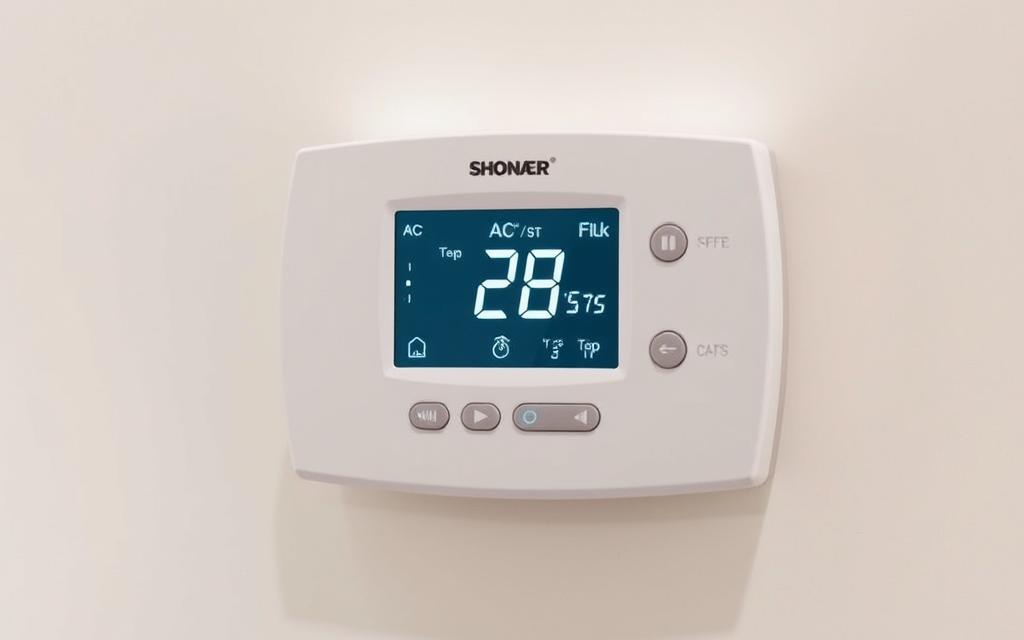
How to set your thermostat properly
Turn the AC mode to Cool and the fan setting to Auto. Pick a temperature that’s lower than the room’s current temperature. After making changes, wait for 10–15 minutes to see if it works. You should also check the temperature of the air from your vents.
Common thermostat problems
Thermostat issues often come from dead batteries or incorrect settings. If your wiring is wrong or it’s set to Heat, AC won’t work. Thermostats sometimes read temperatures inaccurately, or their energy-saving settings limit cooling. Also, smart thermostats might ignore your settings if changed remotely. Regularly checking wires and changing batteries can prevent these problems.
Upgrading your thermostat
Think about getting a programmable or smart thermostat for more control and better scheduling. Smart thermostats can even detect issues by tracking performance, helping with troubleshooting. Make sure your new thermostat matches your HVAC system and is set up right. Choose reliable brands like Honeywell, Nest, or Ecobee for solid support and helpful features.
Leaky or blocked ducts can weaken an air conditioner even if the system is fine. Small tears and disconnected seams cut airflow. Such issues might seem like your air conditioner is faulty, hiding the real problem.
If airflow at vents drops or some rooms stay warm, watch out. Long run times with little cooling suggest lost capacity. Visible dust or outdoor air from vents signal leaks, causing discomfort and higher bills.
Seal seams with HVAC mastic or metal tape to prevent air loss. Make sure vents are clear of obstacles and change filters regularly. This keeps debris out and reduces blockages.
Insulation around ducts in attics and garages keeps temperature stable. Checking and cleaning grills and registers helps airflow. Doing these things avoids many issues and maintains system performance.
Technicians find leaks by pressure testing and check airflow balance. They spot leaks in air handlers and issues with duct size or install. Fixes found in inspections can improve comfort and lower costs.
A professional check minimizes wrong diagnoses of an inefficient air conditioner. Targeted repairs are quicker and last longer than guessing the issue.
Beyond filters, refrigerant, and coils, some electrical and mechanical issues can stop your AC from cooling. These tips can help homeowners recognize problems early. They also show what technicians check during a visit.
Capacitors help start the compressor, fan, and blower motors. If a capacitor fails, these motors may have trouble starting, could short cycle, or might stop working.
Technicians use a meter to check capacitor strength and replace them if needed. This is because bad capacitors are a common reason for repair calls. They cause symptoms that look like other problems.
Problems like tripped breakers or a flipped disconnect switch can prevent the outdoor unit from working. These issues may cause the outdoor fan to not start, even though indoor parts seem fine.
First, check the circuit breaker panel and the outdoor disconnect. If these parts trip often or get hot, it could mean there are serious power supply problems. These issues need a skilled electrician or HVAC pro.
The compressor is crucial for the outdoor unit. Signs of trouble include using too much power or not cooling properly. It might also not push out hot air as expected.
Compressor issues are complex and fixing them can be expensive. If the compressor uses too much power, it might be failing. This can also happen if there’s not enough airflow or refrigerant.
It’s crucial to know when to call an expert to keep your home safe and your cooling system working well. Trying simple fixes first is good, but if you’re still concerned, calling sooner rather than later can prevent more serious damage. Here’s how to know when it’s time for professional help.
Signs You Need Expert Assistance
Benefits of Professional AC Maintenance
Emergency AC Services
To troubleshoot an AC that’s not cooling, start with simple steps but don’t hesitate to call experts if you see warning signs. Knowing when to reach out to a professional can save money and ensure your family’s safety.
Keeping an air conditioner running smoothly starts with simple habits. Routine checks and timely tune-ups are key. They help avoid AC problems and make fixing issues easier before they lead to breakdowns. This approach saves energy, cuts repair costs, and makes your equipment last longer.
Schedule a professional tune-up yearly or every two years, ideally in spring. This is before the AC gets heavy use in summer. Technicians check many parts during a 20-point AC tune-up, like refrigerant lines, insulation, and filters. Also, during the hot months, check your filters every month. This supports good AC maintenance and prevents airflow problems.
Have a seasonal AC checklist. For spring: clean around the outdoor unit, replace filters, test the thermostat, and run a system check. For summer: check filters monthly, look out for less cooling or strange sounds, and keep vents clear. For fall and winter: follow the manufacturer’s advice to protect the outdoor unit, do a final check, and finish any repairs before the cooling season starts again. These steps reduce the chance of issues and mid-summer breakdowns.
Opt for programmable or smart thermostats to better control schedules and set temperatures higher when not home. Make sure your ducts are sealed and insulated, keep the condenser clear and shaded, and use high-efficiency filters if possible. If your unit is too small or old, consider getting a professional’s opinion on the right size for a replacement. Using energy-efficient practices reduces bills and lessens wear on your AC, making it easier to manage when problems pop up.