Our Location
1250 Beacon Street
Brookline, MA 02446
Discover key indicators for technician assistance and learn when to call a technician for home repairs. Get expert help when you need it most!
One in five homeowners might face a repair that’s risky to do on their own. These repairs can turn costly or dangerous quickly.
Most home projects start well, inspired by a YouTube guide. Yet, spotting when DIY won’t cut it is crucial for safety. This part highlights the signs when contacting a repairman is wise.
Risks to your health are at the top. If you see mold bigger than 10 square feet or it comes back after cleaning, get help. The same goes for any carbon monoxide worries.
Next are safety and legal issues. Problems like sparking outlets, often-tripping breakers, or bad wiring need expert attention. Same with refrigerant leaks, which only those with EPA certification should handle.
Then there are complex issues needing pros. If your furnace or boiler keeps failing, or if there’s a big problem like a sewer collapse, don’t wait. Major HVAC issues, bad water damage, or serious pests like termites mean it’s time to call.
The next parts offer advice on the right timing, staying safe, and the costs. It also explains finding and checking the right professional, so you’ll know the best moment to reach out.
Some projects seem easy but get complicated fast. Look out for signs you need a pro so small issues don’t turn into big expenses. Knowing when to call for help saves time and lowers risks.
Some tasks call for special tools, permits, or skills. You need EPA certification for fixing refrigerant systems. And understanding combustion and pressure is vital for working on furnaces or boilers.
HVAC ductwork, replacing big sewer lines, and fixing serious water damage often need advanced equipment. These tasks might require local permits and checks, so doing it yourself can be risky.
If problems keep coming back, it might signal deeper issues. If clogs, mold, pests, or HVAC troubles keep happening, it’s time to call in a technician.
Many homeowners face plumbing issues that keep returning. These could indicate hidden damage, sewer problems, or mold under flooring. A professional can find the real problem instead of just treating symptoms.
Some projects have risks that need a professional right away. Electrical issues can lead to shocks or fires. The NFPA notes thousands of fires each year due to electrical problems.
Carbon monoxide from a broken heat exchanger is harmful and needs quick action by a certified tech. Big water leaks can harm your house’s structure or cause mold. If you smell gas or hear hissing, turn off the gas, leave the house, and call for help.
In emergencies: turn off water for leaks, cut electricity for shorts, and vacate the area if alarms go off. Then, call experts to check things out.
DIY projects are great for saving cash and learning new skills. But, some errors could hint at bigger issues or even make things worse. Here are common mistakes to tell you when it’s time to call a pro.
Mismatched tools and techniques
Choosing the wrong tools or cleaners can quickly damage your home. For example, chemical drain cleaners work fast but harm pipes. And mixing natural soaps with cooking oils can clog your sink in ways simple home remedies can’t fix.
Messing with your HVAC system can risk electrical problems and might cancel your warranty. DIY tries at fixing refrigerant problems are often illegal and harmful to both your system and the environment. This is when it’s smarter to call a professional.
Underestimating the scope of the problem
What seems minor might be hiding major damage. For instance, mold beneath vinyl flooring is a bigger issue than it appears. And a quick clean won’t get rid of mold lurking inside walls.
Things like flickering lights or losing water pressure can signal serious problems. An electrician or plumber can spot issues you can’t. Their tools and skills are key to finding the real problem.
If the same issues keep popping up, or you smell something off, these are signs you need an expert. Getting help early on can save you money and keep your house safe.
Some tasks might look easy but are actually risky. It’s smart to know when to call a technician. This can save you time, protect your house, and keep you safe. Here are the main types of repairs that usually need a professional’s touch.
If a pipe bursts, you need to act fast. Turn off the main water supply and call a plumber immediately. Big leaks and sewer backups need special tools that most people don’t have. Also, hardened grease in kitchen drains can damage pipes if not removed right.
When your whole house has low water pressure, it could mean a serious issue. Problems with water heaters involve dangerous electric or gas work. To fix things safely and properly, it’s best to get in touch with a licensed plumber instead of trying to fix it yourself for too long.
Sparking outlets and constant breaker trips are signs of trouble. Lights that flicker when using big appliances mean there might be wiring or load problems. Outlets that feel hot or tingly are dangerous and need quick action.
Bad rewiring or circuits that are too full can lead to fires or shocks. Many house fires start with electrical issues, according to the National Fire Protection Association. Hiring a licensed electrician ensures the work meets safety codes and is done right.
Refrigerant leaks and freezing systems need technicians with EPA certification. If your HVAC doesn’t heat or cool evenly, there might be hidden flaws or duct problems.
Unusual smells or sounds could mean something is failing. Furnaces and boilers that don’t run smoothly or turn on and off too much need a check-up. Getting regular maintenance from professionals can make systems more efficient, lower bills, and help avoid sudden repairs.
Before you decide to fix things on your own, think about your past DIY projects. Checking your skills carefully can help you know when you need a pro. This way, small errors won’t turn into big issues.
Think about simple tasks you’ve done well, like changing a lightbulb or fixing a leaky faucet. These successes show you have skills you can count on.
Remember times you needed a professional’s help. If you often call for pros like plumbers or electricians, be careful with similar projects in the future. Needing a lot of help from others is a sign you might need a pro.
If the job requires permits, special training, or tools you don’t have, it’s probably time to call a technician.
Safety should always come first. Don’t take risks with electricity, dangerous gases, or the structure of your house. It’s smarter to call a technician than to risk injury or damage.
Legal and financial risks are important too. You could face fines or have to redo work if you don’t follow the rules. Small errors can lead to big expenses.
Be honest about your skills, tools, and confidence. If you’re unsure or unprepared, admit that DIY might not be enough. Knowing when to step back can save you time and money.
| Factor | DIY Suitable | Call a Technician |
|---|---|---|
| Skill level | Basic electrical swaps, minor plumbing fixes | Complex wiring, gas line work |
| Safety risk | Low risk like painting or caulking | High risk like structural repairs or potential carbon monoxide |
| Legal/permit need | No permits required | Projects requiring permits or EPA certification |
| Tools & diagnostics | Common hand tools, basic testers | Specialized meters, refrigerant gauges, diagnostic software |
| Cost risk | Low-cost mistakes easy to fix | Mistakes that can increase repair costs significantly |
Knowing when to seek help is key to protecting your home and family. Some troubles need quick action. Others can wait for a scheduled check-up. This advice helps you know when to call for emergency help or just routine service.
Emergencies that can’t wait
If there’s a strong gas smell or the carbon monoxide alarm goes off, act fast. Leave the area, then call 911 and a licensed technician. Seeing sparks, smoke, or smelling something burning? Turn off the electricity and get an electrician right away.
For burst pipes or major water leaks, turn off the water and call a plumber quickly. If there’s a big sewer problem, lots of mold, or an AC leaking refrigerant, get help fast. Call experts immediately for serious bug problems that could hurt your home or health.
What to do before help arrives
There are simple steps to lessen damage. For gas or carbon monoxide leaks, get out safely. Turn off electricity during a fire only if it’s safe. Take pictures for your insurance. Keep everyone and pets away from danger until it’s safe.
Seasonal maintenance routines
Stop emergencies by keeping up with home care. Get your HVAC checked once or twice a year. Ensure your smoke and carbon monoxide alarms work at season’s start.
Check your furnace before it gets cold. After storms, clean your gutters and look at your roof to prevent leaks. An annual plumbing check can prevent big problems.
| Issue | Immediate Action | Who to Call |
|---|---|---|
| Carbon monoxide alarm or symptoms | Evacuate home, call 911 | HVAC technician or emergency technician services |
| Strong gas smell | Evacuate, avoid using switches, call 911 | Licensed gas technician |
| Burst pipe or flooding | Shut off main water, move valuables | Plumber or emergency water mitigation |
| Active electrical sparking or smoke | Turn off power if safe, evacuate | Electrician or emergency technician services |
| Major sewer backup | Avoid contact, limit water use | Plumber with sewer expertise |
| Large or recurring mold | Isolate area, avoid disturbance | Certified mold remediation and plumber |
| AC refrigerant leak signs | Turn off AC, ventilate area | HVAC technician |
| Severe pest infestation | Restrict access, protect food | Pest control plus repair contractor |
Wondering when to call a technician? Check the list above. For less urgent issues, plan ahead. Call a repairman before the busy season. Preventive maintenance helps avoid emergencies and saves money over time.
Home repairs can save money and make you proud of your home. But, always put safety first. Look out for signs that you might need a pro’s help. Trust your gut if something feels wrong. This guide will point out key dangers and ways to stay safe.
Faulty wiring is a big shock risk. Flickering lights and burning smells are red flags. Homes with old wiring styles should get checked by an expert from companies like Square D or Siemens.
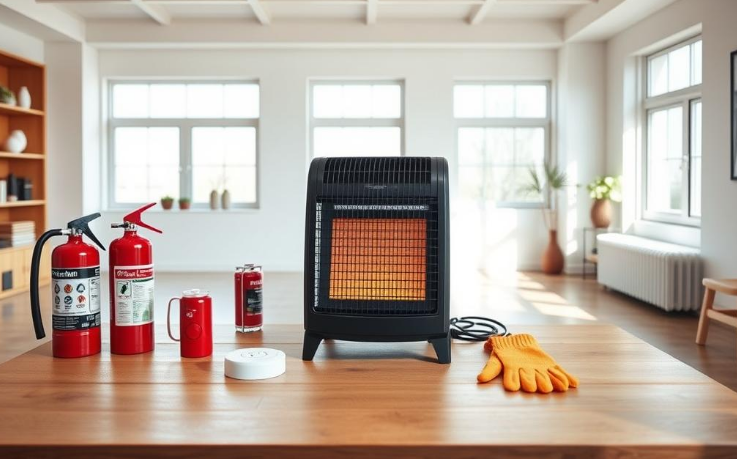
Furnaces and boilers could leak deadly carbon monoxide. Signs include poor ventilation and strange flame colors. Always have a carbon monoxide detector near bedrooms and test it regularly along with smoke alarms.
Mold can grow under floors and inside walls. If you smell mustiness or see stains, mold might be hiding. For large mold areas or sewage issues, get professional cleaners with the right tools.
HVAC systems use refrigerants that must be handled carefully. If you hear hissing or the cooling drops, pros need to check it. Only those with EPA certification should deal with refrigerants.
Be careful with structural and roof repairs. They can be very dangerous. If you notice sagging or damage, call a licensed expert. Watch for plumbing issues and appliance problems as signs too.
If you think there’s carbon monoxide, get everyone out and call 911. Turn off utilities safely if possible. Use gloves and masks for small mold spots, but leave big cleanups to the experts.
Don’t use chemical cleaners for blocked drains. They’re risky and can ruin pipes. Turn off water and call a plumber. They use cameras to check pipes without cutting into them.
Professionals know the rules and have the right tools. Electricians use safe parts for wiring. HVAC experts deal with refrigerants correctly. And specialists in water damage use advanced moisture meters and dryers.
Keep contact info for reliable technicians handy. Explain what’s wrong and what you’ve done before they come over. If in doubt, call a professional to stay safe.
Choosing DIY or professional help involves looking at cost now versus value later. Small DIY repairs might seem cheaper, but errors can lead to extra costs. Consider both the professional’s fee and safety to decide when you need a technician.
Using the wrong cleaning solution or method can harm pipes. If you mistakenly use harsh chemicals on a grease clog, you might worsen pipe wear. Trying to unclog by yourself can also push debris further, causing more complex problems like needing sewer camera checks or pipe replacements.
Not completely removing mold lets it spread, increasing cleanup costs. This might also mean having to clean your HVAC to prevent mold air spread. Bad electrical repairs can lead to fires, costing much more than the initial issue to fix.
Incorrect appliance installations can cancel out warranties for things like water heaters. If you don’t follow local codes, you could pay more to fix your work. Messing with your HVAC can lessen its efficiency and lead to higher bills or even a total system failure.
Certified technicians use tools like moisture meters and sewer cameras for accurate problem solving. This prevents swapping parts you don’t need and multiple repair visits, saving time and money in the long run.
Getting a professional for repairs helps your systems last longer. For example, yearly check-ups for your furnace or AC keep them running well. This means a Carrier or Trane unit fixed professionally uses less energy and lasts longer than if you tried to fix it yourself.
Professionals can also improve how efficiently your systems use energy. Plus, a plumber or HVAC tech might offer warranties on their work, giving you peace of mind. These promises can save you money on any additional fixes.
When DIY doesn’t cut it, paying for a pro upfront can avoid bigger problems later. Weighing the initial cost of professional help against future emergency expenses and safety issues is key. This will help you figure out when to hire a technician or when a DIY weekend project makes sense.
Starting with a plan is crucial when choosing a professional. Think about what’s wrong, your timeline, and the certifications needed. Having clear goals helps you find a technician who fits your home repair needs and budget.
Begin with a checklist before calling. Look for professionals with the right licenses and certifications. Make sure the company has insurance and bonding to protect your home.
Check if they have experience with your specific issue, like mold or sewer line repair. Ask about handling local codes and permits. Inquire about warranties and follow-up services too.
Look at multiple review platforms for feedback. Use Google, Yelp, Angie’s List, and HomeAdvisor to see what others say. Also, talk to neighbors or local groups for referrals.
When contacting a candidate, ask for references and past work samples. Make sure they offer emergency services and clear pricing. Knowing the right time to call a technician saves both time and money.
Getting ready for a service call can save you time. It also helps the technician figure out the issue quicker. Having things organized before they get there eases stress and makes for a more precise estimate. Here’s a checklist to help you prepare and decide when to call a professional.

Questions to ask before they arrive
Information to provide about the issue
Knowing when to call a tech can help you decide what’s important to talk about and what to leave for the professionals. By preparing info and asking the right questions, you increase the chance for a fast, exact fix. This also helps avoid needing more visits.
Knowing what to expect from a technician can make repair visits smoother. They follow clear workflows and use standard tools. They’ll also explain each step and discuss the costs and timelines.
Mold remediation starts with a thorough check. Workers set up safe zones, take out damaged materials, and use HEPA filters and dehumidifiers. This limits mold spread and protects your home.
Plumbers find leaks with cameras and moisture meters. They check pipes, suggest fixes, and tackle urgent repairs first to dodge future problems.
Electricians test circuits and panels for faults. They fix or replace wires, ensure connections are safe, and check the work meets safety standards. Safety inspections are done before any final touches.
HVAC technicians check coolant levels, thermostats, and electrical parts, and they look at ducts. They often suggest yearly check-ups to keep your system running well and prevent sudden problems.
Experts in all trades take safety seriously, wear the right gear, and use accurate tools. They’ll talk to you about any dangers, needed permits, and how long the repair should last.
Always ask for a written quote and service contract that explains what’s covered. Many trusted companies offer warranties, lasting from weeks to years, depending on the job and parts used.
Service contracts usually cover repeat problems within the warranty time. Get your warranty in writing and keep your receipts for any future claims.
Plan for follow-up checks: yearly for HVAC, regular plumbing reviews, and inspections after big repairs help avoid sudden tech calls. These check-ups help catch problems early.
These tips can help you know when to call for help and recognize early warning signs. Having clear expectations and written promises can make hiring pros more dependable and budget-friendly.
| Service | Common Steps | Warranty Typical Length | When to Call |
|---|---|---|---|
| Mold Remediation | Assessment, containment, removal, HEPA filtration | 30–90 days for labor; longer for materials | Visible mold, musty odor, water damage |
| Plumbing | Camera inspection, leak repair, pipe replacement | 90 days to 2 years depending on parts | Recurring leaks, low water pressure, water stains |
| Electrical | Diagnostic testing, wiring repair, code compliance | 1 year common; longer for major panel work | Flickering lights, tripped breakers, burning smell |
| HVAC | Refrigerant check, electrical test, duct inspection | 90 days to 1 year on service; parts vary | Poor cooling/heating, strange noises, high bills |
Calling a technician can feel stressful. Yet, clear talk makes it easier. Explain your issue simply, noting symptoms, start times, and any self-repairs. Ask direct questions about fixes, options, and safety to grasp what’s involved.
Always get estimates and timelines in writing before starting. Be there for an initial walkthrough as the technician arrives. Give them any manuals, warranty cards, or old service notes to make figuring things out faster. These steps avoid confusion and make future calls to a specialist smoother.
Building trust with technicians includes keeping a record of who’s reliable and when they helped. Remember those who did great work, gave clear bills, or were happy to be referred. Think about getting routine checks for heating or plumbing to dodge sudden problems and get quicker help when needed.
A respectful, ongoing relationship makes everything less of a hassle and can save money. Look at local reviews and listen to recommendations to keep a list of pros you trust. Plan regular check-ins to stop problems before they start, making your home care more reliable.