Our Location
1250 Beacon Street
Brookline, MA 02446
Ensure your family's safety with our comprehensive home electrical safety checklist for before, during, and after repairs. Stay secure, prevent hazards.
About 50,000 home fires in the U.S. each year come from electrical issues. That’s why having an electrical safety checklist is key. This guide offers easy steps to avoid shocks, burns, and fires. It also helps to prevent injuries that come from these accidents.
Electricity in our homes can be deadly. For instance, changing a bulb in a lamp that’s still plugged in can be risky. Electricity will travel through the easiest path back to its source. And since humans can conduct electricity, a small mistake can be serious.
Knowing the dangers is the first step to staying safe. Electrocution, severe electric shocks, and burns can happen easily. These can lead to other injuries from falls, especially if the shock causes a sudden muscle reaction.
Use this electrical safety checklist regularly. Do it every six months, when moving to a new place, or during daylight saving time changes. It’s a way to keep your home safe from electrical hazards and protect your family.
Making your home safe starts by knowing about electricity and its dangers. Safe electrical practices keep people, property, and devices safe. Following simple tips can lower the risk of injuries and expensive fixes.
Electric current moves through things like copper wires and can go through the human body. Touching live wires or completing a circuit with your body can lead to shocks or worse.
Arc flashes and blasts are big dangers. An arc can make intense heat, flames, and harmful radiation. It can harm skin, eyes, and even cause lung injuries or hearing loss.
Being in wet or damp places increases the risk of shocks. It’s very risky to work near power lines. Always stay at least 49 feet away and check local rules first.
Old or damaged tools and equipment are risky too. Worn cords, unsafe use of extension cords, and not having safety features can be dangerous. Checking your tools often and using them right are key tips for staying safe.
Ignoring safety can be deadly, causing things like electrocution and severe burns. These terrible situations can happen in an instant when someone touches a live part.
Damages to property and other injuries are also common. Too much electricity or wrong fuses can start fires. An electric shock can make someone fall from a ladder, causing serious injuries.
Not following the rules can lead to big problems with the law and insurance. Missing safety devices or breaking electrical codes can cause insurance issues and costly fixes. The U.S. Consumer Product Safety Commission warns about these dangers.
Not being careful can lead to emergency repairs, damaged devices, and long power outages. Preventing electrical hazards saves money and keeps your home and family safe.
Are you ready to start an electrical project at home? First, take a moment to plan. This reduces risks and keeps your project going smoothly. Make sure to follow safety rules and check a safety list for homeowners before starting.
Only use tools certified by NRTL, like UL or ETL. This includes non-contact voltage testers, multimeters, and more. Make sure to get the right parts, like the correct fuses and wire sizes.
Also, have your PPE ready, including safety shoes and gloves. Put these on your checklist to ensure you’re prepared.
Label your panels and breakers clearly and keep them easy to reach. Check your wiring for any signs of damage or overheating.
Ensure your junction boxes aren’t too full and have GFCIs where needed. Also, verify that AFCIs are installed correctly and test your system’s grounding.
Pay special attention to any appliance that shocks you or smells like it’s burning. These need a professional’s look immediately.
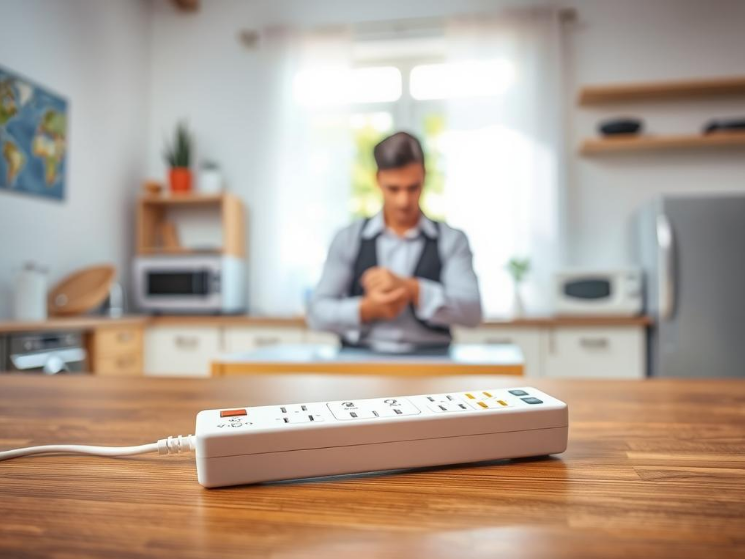
Look out for hazards like frayed wires or overloaded outlets. Be wary of warm outlets or too many devices plugged into one strip.
Be mindful of water near electrical sources and ensure outdoor outlets are covered. Always call a professional if you’re near utility lines or in an emergency.
Remember, using this checklist helps you build safe habits. Taking simple steps and using the right tools can prevent accidents. It also makes your work easier and keeps your home safe.
A tidy work space is safer and makes fixes faster. Before you start any work, go through a simple electrical safety checklist at home. This will help you avoid big risks and keep safety first in mind.
First, move all flammable stuff like papers and fabrics away from heaters and lights. Make sure there’s a 3-foot gap between heaters and anything that could catch fire.
Then, keep paths clear and free from things you could trip over. If you must use extension cords, tape them down properly. Avoid using nails or staples since they can damage the cord. Also, ensure nothing blocks your way to electrical panels or fuses for quick access.
For tasks like soldering or grinding that make heat or fumes, ensure good airflow. Open the windows or use fans to keep the air clean and prevent fire risks from vapors.
Never use power tools near flammable gases unless they’re designed to be safe in such environments. Good ventilation is key to keeping both you and your property safe.
It’s crucial to know where your main power shutoff and circuit labels are. Keep a phone charged and emergency numbers, like 911 and your utility’s help line, visible on the wall.
Have a fire extinguisher and first aid kit ready, and know what to do during an electrical emergency. For example, don’t touch someone being electrocuted—turn off the electricity first. If a car hits a power line, stay inside until it’s safe. In case of fire, jump out without touching the ground and shuffle away with your feet together.
Follow these steps in the electrical safety checklist as a routine. By doing so, electrical safety becomes simple and practical for every house owner.
Turning off power before starting any electrical work is essential. It’s a key part of your home’s electrical safety steps. Having a clear plan helps make the job safer and quicker. Make sure to read your panel, check labels are clear, and keep the area around it accessible. This lets you quickly turn off power in emergencies.
First, locate the main panel or fuse box. Also, check the main disconnect and any subpanels in spaces like garages or basements. It’s important to label each breaker. This shows which area, plug, or appliance each one controls. Proper labeling reduces guessing and minimizes the risk of leaving power on by mistake.
If your home has more than one panel, make a plan showing each one. Include where the meter and main shutoff are. Keep the space in front of these panels free from clutter. If it’s hard to reach your breaker, use a safe flashlight and a ladder suitable for electrical tasks.
Always check for live wires before starting work. Use a tool that can detect live electricity without touching the wires. For detailed voltage information, use a multimeter. Always make sure your tester is working correctly by checking it on a circuit you know is live.
When dealing with special outlets like GFCI or AFCI, check their safety features with the right testing tool. Remember to follow safety steps: turn off your tools, disconnect and lock the main power, and mark it with a tag. Always double-check that the power is really off where you’re working.
Stop working and call a pro if power stays on after you’ve turned the breaker off. These tips are basic but very important for keeping you and your home safe from electrical harm.
Before you start any electrical work, make sure to gear up properly. Your safety checklist should mention all the gear you need for the job. Wearing the right Personal Protective Equipment (PPE) makes it safer for families fixing things or upgrading their home’s electrical systems.
Safe footwear choices
Pick shoes that don’t conduct electricity, like rubber-soled shoes or boots made for electricians. These help prevent electric currents from passing through you. You shouldn’t work on electrical circuits while on wet or metallic surfaces.
For work near electrical sources, choose ladders made of fiberglass. Unlike wood, which can get damp, or aluminum, which conducts electricity, fiberglass keeps you safer.
Gloves and safety goggles
Use gloves designed to protect against electric shocks and wear leather protectors for extra safety. These gloves are essential when you’re handling wires.
Your eyes need protection from sparks and flying debris. Wear safety goggles for simple tasks, and for more dangerous work, use face shields that meet specific safety standards.
Use of fire-resistant clothing
If your work involves risks from electrical arcs, put on fire-resistant clothes. These are special fabrics designed to protect you from burns.
Stay away from synthetic clothes as they can melt onto your skin. Also, remove any metal items and make sure your clothes aren’t loose to avoid accidents.
| Item | When to Use | Key Benefit |
|---|---|---|
| Insulated footwear (rubber-soled or electrician boots) | Any on-ground electrical work or wet conditions | Reduces path to ground, lower shock risk |
| Fiberglass ladder | Working near overhead wires or energized panels | Non-conductive support, safer elevation |
| Insulated electrical gloves with leather protectors | Live circuit work or handling conductors | Prevents shock and adds cut protection |
| Safety goggles / arc-rated face shield | Panel access, cutting, soldering, arc-risk tasks | Protects eyes and face from debris and flash |
| Fire-resistant (FR) clothing | High-energy panel or feeder work | Reduces burn severity, resists ignition |
Before you start, make sure to check your electrical safety list. Plan each step carefully. Make sure to turn off the correct breaker, check the circuit is safe with a tester, and keep your tools close. Small, careful steps keep your home safe and maintain electrical safety.
When you replace a light fixture, first check the box can hold its weight. Ensure the cable clamps are tight. Take down the old fixture and look at the wires for damage like heat harm or bare wires. If the insulation looks melted or brittle, throw away the fixture and put in new wiring if needed.
To prevent overheating, use bulbs that match the fixture’s wattage. If unsure, go with 60W or less, says the U.S. Consumer Product Safety Commission. For fixtures with small bulbs and no labels, use 25W bulbs or follow the label. Make sure to connect the right wires together, and tuck them in neatly.
Don’t forget to add a canopy or faceplate to cover all the wire connections. Make sure it’s mounted tightly so the fixture won’t shake. After turning the power back on, test the fixture with the wall switch. Watch out for any strange heat or flickering. These are key steps for safe electrical maintenance at home.
Fixing outlets starts with the same safety checks. Turn off the breaker and check the outlet is off before you start. Change out any broken outlets. Put in child-safe outlets if kids are around. Always check the power is off with a tester before you touch any wires.
Make sure the wire connections are tight and correctly done. Loose connections can be dangerous. Change any outlet that feels loose. For old two-prong outlets, only use a grounded adapter if it’s connected right.
Put GFCI outlets in kitchens, bathrooms, garages, and outside where needed. Test each GFCI with the test button once installed. Remember, extension cords are not a long-term solution. Following these tips helps keep your home safe.
| Task | Key Safety Step | Common Pitfall |
|---|---|---|
| Replace light fixture | Shut off breaker; verify de-energized; use rated junction box | Using wrong bulb wattage or ignoring damaged wiring |
| Install tamper-resistant outlet | Turn off circuit; confirm wiring polarity and tightness | Loose terminations that cause overheating |
| Upgrade to GFCI | Follow location code; test GFCI after powering up | Failing to test or miswiring the load and line connections |
| Grounding adapter use | Connect grounding tab or wire to cover screw when needed | Defeating grounding by removing the third prong |
Before starting advanced electrical fixes, plan carefully and stick to the rules. Use a homeowner’s electrical safety list. Have tools, labels, and a tester ready. These small steps can prevent big problems later on.
Wiring new outlets
Make sure your work follows the National Electrical Code (NEC) and local guidelines. Choose the right wire size—14 AWG for 15 amperes, 12 AWG for 20. Use correct junction boxes and cable clamps. Label circuits and calculate wire fill correctly. Ground and use tamper-resistant outlets where needed. Put in GFCI outlets in places like kitchens and bathrooms. Check your work with a tester and keep records.
Installing ceiling fans
Pick a ceiling box made for fans to handle the weight and movement. Turn off the right circuit and test for no voltage. Follow the instructions for connecting wires from the fan’s guide. Use good connectors and secure the wires well. After putting the fan up, make sure the blades are balanced. This prevents problems and keeps connections safe. Choose the correct breakers for the fan and lights. Add AFCI protection in living areas if the rules say you should.
Adding circuit breakers
Before you add any breakers, check if there’s room and if it’s allowed. Use parts approved by the panel’s maker and NRTL. Correctly wire, ground, and bond each new breaker. Clearly label every new circuit. Test AFCI and GFCI breakers as the maker says. Look for overheating with thermal imaging to find loose or too many connections. For big jobs like service interruption, get a professional electrician to help. This keeps your place safe from fire risks and meets code.
Always follow electrical safety steps for every repair job. Use the homeowner’s checklist to keep track. Building safe habits can save lives and homes as you do complex repairs.
Finding problems early can keep your family and home safe. This guide connects common issues with simple checks for your safety checklist. Use these tips to avoid dangers and keep electrical safety in mind always.
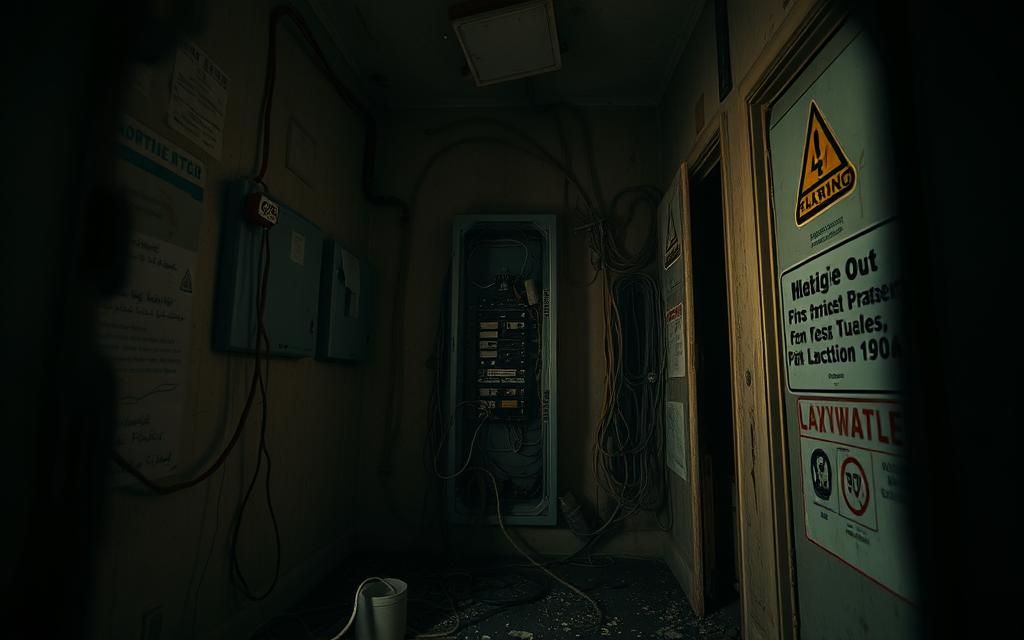
Flickering lights can mean many things like loose wires, too much load, or failing bulbs. If lights flicker often, it could lead to a fire because of arcing.
Check if bulbs are the right wattage. Make sure lamps and fixtures are tight, and switches work well. Dimmer switches getting warm is usually fine, but if it’s too hot, you might have unsafe wiring.
Breakers tripping a lot could mean overloaded circuits or faulty appliances. Don’t ignore it. Find which breaker is tripping, unplug things on that circuit, and see if any appliance is broken.
Each breaker tells a different story. GFCI protects from water risk, and AFCI warns about sparks in wires. If a regular breaker trips, it’s likely too much is plugged in. Check GFCI and AFCI monthly, replacing any that don’t work.
See a pro if you notice burning smells, hot outlets, sparks, cracked outlets, or shocks from appliances. These are serious and go beyond basic checks, needing an expert look to keep you safe.
After replacing wiring or devices, do systematic checks for safety and function. Use a simple checklist that includes everything for home electrical safety. This ensures everything is safe at home.
Using a Multimeter
First, turn the power off. Then, use a multimeter to check for voltage or continuity. Always measure voltages at outlets and check the breaker outputs.
With a continuity mode or tester, make sure grounding is correct. Use a GFCI tester or the test/reset buttons on the device. Note the times and dates of the tests. For panels with high loads, thermal imaging can help find any hot spots.
Visual Inspections
Check for tight wire nuts and no exposed wires. Ensure wires are not under rugs or squeezed by furniture. Remember, extension cords should not be for permanent use.
Make sure devices have a safety mark from NRTL like UL, ETL, or CSA. Check that everything is installed right. Turn on lights and fans to check if they work properly. Listen for strange sounds from breakers.
Update the labels on any changed circuits. Write down when you did the work. If you find warm outlets or smell burning, turn the power off right away. Call a pro if you find any issues. This keeps your repairs safe and your home’s electricity secure.
Keeping systems in check saves money and ensures safety. Make a simple plan to record inspections and tests. This plan should include everyday electrical safety steps for families. Small, consistent checks can stop big problems.
Inspect each room every six months. Look at lights, heaters, and cords. Check outlets and switches too. Make sure bulbs fit the fixture’s wattage.
Replace cords if they’re frayed or plugs if they’re damaged. If cords get warm, replace them. Use extension cords only for short periods. Match the cord’s gauge to the load. To avoid risk, don’t plug many power strips into one outlet.
Stay updated with the National Electrical Code. Follow its rules when adding circuits or renovating. Some areas need more protection in living areas and kitchens.
Keep track of all electrical checks, GFCI/AFCI tests, and panel inspections. These records help with insurance and when you sell your home. They also make future maintenance simpler.
Look out for new safety tech from reliable brands. Products like smart breakers and wireless monitors increase safety and convenience.
Hire a pro for inspections, especially in older homes. They can check everything meets current safety standards.
Use this brief checklist to keep up with electrical safety. It helps include safety routines in daily life.
| Task | Frequency | Why It Matters | Recommended Tools/Brands |
|---|---|---|---|
| Room-by-room visual inspection | Every 6 months | Find frayed cords, warm plugs, and improper bulbs | Klein Tools flashlight, general checklist |
| GFCI/AFCI testing | Monthly | Ensures life-saving devices trip when needed | Leviton/GFCI test button, Fluke multimeter |
| Panel and grounding assessment | Every 2-5 years or after renovations | Verifies safe connections and proper bonding | Licensed electrician, Fluke tester |
| Replace damaged cords/plugs | As needed | Prevents shorts and fire hazards | Heavy-gauge cords, approved replacement plugs |
| Upgrade outlets to tamper-resistant or GFCI | When updating rooms or per code | Improves child safety and moisture protection | Eaton tamper-resistant outlets, Leviton GFCI |
It’s key to know when to call an electrician to keep your home safe. Having a quick guide and an electrical safety checklist can help. This ensures minor issues don’t evolve into big risks. Check your home’s electrical safety regularly. Write down any problems before contacting a professional.
Recognizing your limits
Some tasks need a licensed electrician. These include major projects like main service work, panel upgrades, and more. Never work on live circuits or hidden wiring yourself.
If appliances shock you, or you smell burning, it’s serious. Also, watch for warm outlets or frequent breaker trips. These signs mean you need to call an expert quickly. Water damage in your panel is also a big red flag.
Don’t try to handle live power line issues on your own. These situations are very dangerous. Only trained crews should deal with them.
Questions to ask an electrician
Make sure the electrician has the right license and insurance. It’s smart to check their references and make sure they follow local codes. They should offer a detailed plan and estimate. This plan should include the work needed and when it’ll be done.
Find out if they use approved materials and will check safety devices after. They should give you a report of all tests and work done. Make sure they practice safe work habits and explain how new devices work.
For your home’s future safety, ask about certain updates. Things like AFCI/GFCI retrofits and surge protection are important. Adding these to your checklist can help keep your home safer in the long run.
Reliable guidance makes following electrical safety at home simpler. Begin with key standards like the U.S. Consumer Product Safety Commission (CPSC) documents and the National Electrical Code (NEC). These are core to any electrical safety checklist for the home, helping to find common dangers.
The CPSC has checklists for each room, advises inspecting electrical goods every six months, and explains how to properly use GFCIs, ensure heater safety, and take precautions with appliances. The NEC and local building departments set the rules for electrical installations, where GFCIs/AFCIs must be, grounding, bonding, and permits. For local NEC changes, talk to your city’s permitting office.
For more detailed guidance, OSHA and OSH Answers give info on arc flash hazards, comparing static and dynamic electricity, and how to control risks for dangerous home projects. For advice aimed at consumers, the Electrical Safety Foundation International (ESFI) offers tips on avoiding fires and electric shocks.
Include info from makers and testers of products—UL, ETL, and CSA—for safety certification specifics. Also, Fluke and Klein Tools have advice on safe testing ways. Local utility companies can give tips on working near overhead lines and what to do in emergencies. Using these resources helps you stick to CPSC’s guidance, monthly test your GFCIs, meet NEC and local requirements, and maintain a record of inspections and repairs for a thorough home electrical safety plan.