Our Location
1250 Beacon Street
Brookline, MA 02446
Troubleshoot your wine cooler not cooling properly with our guide – learn to check ventilation, thermostat, and seals for optimal storage conditions.
Did you know nearly 30% of wine lovers have had trouble with their wine coolers? This leads to uneven temperatures, which can harm their valuable wines. Keeping your collection at the right temperature is key. The best range is 51–55°F. Any temperatures outside this can ruin your wines.
If your wine cooler isn’t keeping things cool, it’s time to look into the problem. This guide will help you find out why your wine fridge isn’t staying cold. We’ll give you tips to fix the issue, so your wines stay in perfect shape.
Your wine cooler might stop cooling properly for various reasons. It’s crucial to find these issues quickly. Knowing the usual causes helps in fixing or adjusting your wine cooler.
Poor ventilation can lead to cooling problems. Wine coolers require space for air to flow around them. If vents are blocked by dust or items, the unit might overheat, affecting its cooling ability.
Setting the temperature wrong can also cause cooling issues. Always check and adjust the temperature to your liking. Wrong settings can make your wine cooler ineffective.
Dust and dirt on condenser coils are common issues. Clean coils lead to better heat exchange and efficiency. Ignored coils decrease the cooler’s ability to function properly.
When your wine cellar isn’t cooling, it’s important to check the thermostat. A right thermostat setting keeps your wine cool and safe. Wine coolers should usually be between 51–55°F.
First, check the cooler’s temperature with a thermometer. Compare it to the cooler’s display. If they don’t match, the thermostat might be broken. A bad thermostat can cause temperature problems, ruining your wine. If fixing the temperature becomes a frequent task, consider getting a new thermostat. Replacements vary in price from $50 to $300, based on your cooler’s model.
Setting the right temperature is easy but crucial. Use the dial or digital controls to set it between 51°F and 55°F. Wait a few hours, then check the temperature again. Make slow adjustments to let the cooler stabilize. This ensures your wine stays in perfect condition.
Knowing when your thermostat is failing is key to avoiding trouble. Keep an eye out for these signs:
Catching these signs early helps find quick fixes. This keeps your wine stored just right.
A good door seal is key for your wine fridge’s ideal temp. If the seal is bad, warm air can get in. This raises humidity, impacting your wine. Checking the seal helps avoid cooling problems.
Spotting issues early is an easy way to keep your fridge working well.
The seal is vital to keep cold air in the wine fridge. A bad seal causes temp changes, which harms aging wine. A stable environment inside helps your wine stay in top shape. So, always check the seal for your fridge’s best performance.
It’s easy to test the seal’s strength. Simply run your hand along the door’s edges while it’s shut. Feeling drafts means air is leaking in. Doing this check often saves you from big repair costs later.
Seals can be replaced for $20 to $60. This is a smart way to keep your fridge running right.
The place you put your wine cooler is super important. If it’s in a bad spot, it might not cool your wine right. This can mess up your wine’s taste. Knowing the best conditions for your wine cooler fixes most cooling issues.
Pick a place that helps your wine cooler work its best. Make sure the spot:
Direct sunlight and too much heat can really mess with cooling. UV rays can ruin your wine, and too much heat can cause cooling problems. A spot that isn’t too hot or bright is best for keeping your cooler working right.
Keeping your wine cooler in top shape is key for it to work right and keep your wine chilled just how you like it. A good plan for cleaning and routine upkeep can stop common problems, such as the cooler not staying cold. These steps will help your wine cooler last longer and keep your wine in the best condition.
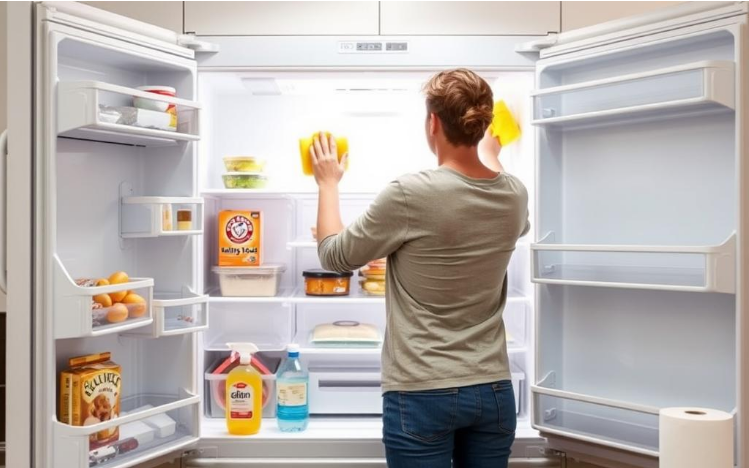
Setting up a regular cleaning schedule is crucial for your wine fridge’s best performance. You should clean inside it every three months or so. Make sure to clean off the shelves often to keep residue from messing with your wine’s quality. Pair this deep clean with your regular home upkeep for best results.
Dust gathering on your cooling coils can make your wine fridge work harder than it needs to. For those who like to maintain their own appliances, regularly clean these coils every few months. A vacuum or brush works well for this. This easy step can help with air flow and make sure your fridge runs efficiently, keeping your wine just right.
If your wine cooler isn’t working right, it’s smart to check for electrical issues first. Checking the basics might fix your cooler’s cooling problems. Knowing what signs to look for can tell you if you need an expert.
Some signs can tell you what’s wrong with your wine fridge. Not turning on could mean a problem with the fuse or circuit board. Also, odd sounds or blinking lights on the control panel are clues of electrical issues. It’s important to deal with these signs quickly.
If there are ongoing electrical problems or your simple fixes don’t work, call in a pro. Certified technicians can find and fix complex electrical issues safely. Getting help early can prevent more damage and save you money.
The refrigerant is very important for a wine cooler to work right. If the refrigerant gets low, your wine cooler won’t stay cold enough. Knowing how refrigerant works helps keep your wine cooler running well.
It’s crucial to keep enough refrigerant for your cooler to work well. If it’s low, there might be a leak. Checking often helps avoid problems with storing your wine. Always follow the maker’s advice on the right refrigerant type and amount.
Knowing what to look for helps you catch problems early. Hearing hissing or seeing frost on the evaporator lines means there might be a leak. Fixing it fast keeps your wine fridge working right.
The fan in your wine fridge is key for keeping the perfect temperature. It moves cool air around inside. If your fridge isn’t cooling right, start by checking the fan. A broken fan can cause uneven cooling, which can harm your wine.
Listen for any noise from the fan while the fridge runs. Also, see if the fan blades spin well. If the fan doesn’t move or make sound, it might be blocked or broken. You can try cleaning it or removing blockages to fix it. Sometimes, you might need to replace the fan.
There are a few usual issues with fans in wine fridges:
Fixing or replacing a fan can cost between $30 and $100. It’s important to handle these issues quickly to keep your wine in the best condition.
As wine coolers get older, they often start to work less efficiently. This can lead to issues like uneven cooling. Problems with staying at the right temperature can harm wine quality. If your cooler isn’t keeping cool and it’s older than ten years, age might be the issue.
Over time, parts inside a wine cooler can wear out. This makes it hard for the cooler to reach the needed temperature. Older units also use more energy and need more repairs. Spotting these signs early can help you save time and money.
If your wine fridge is more than ten years old and having many problems, think about getting a new one. New wine coolers have better technology. They are more efficient and keep a stable temperature. A modern cooler can keep your wines in perfect condition.
Many people care about energy efficiency when choosing wine coolers. An energy-efficient wine cooler doesn’t only cut down your electric bills. It also improves how well your wine is stored. The best ones keep your wine perfectly cool without using too much energy.
Picking a wine cooler with an Energy Star rating means it meets strict energy savings standards. Look for advanced cooling tech and good insulation. These features help use less energy. Plus, they offer better temperature control and last longer, which is smart spending.
Buying a new appliance has many benefits. Getting a greener wine cooler saves a lot of electricity and money over time. Newer models also have smart features that make them more efficient. This not only saves energy but also keeps your wine in top condition while helping the planet.
If your wine cooler keeps having issues, it’s important to know when to get help from a pro. Some small problems can be fixed on your own, but big issues might need a trained tech’s help. Telling the difference between a DIY fix and when to call a pro can save both time and money.
Start with easy fixes like adjusting the temperature or cleaning the coils. But if these steps don’t fix your cooler’s cooling issues, it’s time to call a professional. They can do a deep check to find electrical problems, leaks, or mechanical failures that need special skills to fix.
When a technician comes over, they’ll do a full check of your wine cooler. The repair could cost between $100 to $500, based on what needs to be fixed. They’ll make sure every part is working right, giving you confidence in your cooler’s performance. Getting a pro’s help at the right moment can stop more damage and save on future repairs.