Our Location
1250 Beacon Street
Brookline, MA 02446
Experiencing a fridge not cooling bottom part? Explore our 7 quick checks guide to troubleshoot your refrigerator issues before seeking professional help.
Did you know almost half of all fridges have cooling problems at some point? If your fridge’s bottom part is warm while the top freezes well, you’re not alone. This can cause food to go bad and your energy bills to rise. But, you might not need to call a repair service just yet.
In this article, we’ll show you seven quick ways to figure out common fridge issues. By trying these steps, you might fix the issue yourself. This can save you both time and money.
Knowing how your fridge cools is key to fixing cooling problems. It has many parts that work together to keep items cold. When everything works right, food stays fresh. But if there’s a problem, the bottom part of the fridge may not cool well.
Refrigerators use thermodynamics to cool stuff. The heart of the system, the compressor, squeezes refrigerant gas. This makes the gas hot. Then, it cools down in coils, turns into a liquid, and absorbs heat inside the fridge. This cools down the inside and turns the liquid back into gas. Knowing this helps understand fridge problems.
The cooling system has several key parts:
| Component | Function |
|---|---|
| Compressor | Compresses refrigerant gas to initiate cooling. |
| Condenser Coils | Dissipate heat and convert refrigerant to liquid. |
| Evaporator Coils | Absorb heat, cooling the air inside the fridge. |
| Fans | Enhance airflow for efficient cooling. |
It’s vital to know when your fridge isn’t cooling right to keep your food safe. Many signs can show you if something’s wrong. Spotting these early means you might avoid bigger problems.
Several common signs may hint at cooling problems with your fridge. These include a warm bottom shelf, food spoiling quickly, and wet walls inside. You might also hear strange sounds like buzzing, pointing to a possible compressor issue. Changes in how cold your fridge gets are a warning, often due to blocked airflow.
If problems like increased food spoilage or constant temperature issues keep happening, it’s time to take action. Watch how often these problems occur. Not dealing with them can lead to expensive fixes or even needing a new fridge sooner. Fixing problems as soon as they pop up can save you time and money.
Finding out what’s wrong with your fridge might seem hard at first. But, starting with simple checks can make it easier. Look at the temperature settings and the fridge’s vents first. This can fix issues without needing a repair person.
First, make sure your fridge’s temperature is set right. Different models have their ideal settings. If you adjust the temperature to what’s recommended, you might fix cooling problems right away. Keeping the right temperature also keeps your food safe and your fridge working well.
Then, check the vents for any blockages. Things like food packages can block the vents and cut down on airflow. This makes your fridge work harder to stay cool. Just by looking and moving things away from the vents, you can help air move better and your fridge work better.
It’s key to keep your fridge air moving well to keep food fresh. If items block airflow, your fridge might not stay at the right temperature. This can make cooling uneven, especially at the bottom of your fridge.
Packing your fridge too full can block airflow. To avoid this, check how you arrange food. Make sure nothing blocks the vents. Here’s how to fix blockages:
Good air movement is crucial for keeping your fridge at a steady temperature. If the air doesn’t flow well, food can spoil and your fridge might use more energy. Checking the airflow regularly helps your fridge cool evenly and last longer.
Condenser coils are key to your fridge’s cooling ability. They help heat escape from the refrigerant, keeping the inside cool. If dust builds up, they can’t work well, making your fridge less efficient. Cleaning them regularly makes a big difference in how well your fridge works.
Finding the coils is the first step to solving any issues. You can usually find them at the back or bottom of your fridge. Checking them often ensures they work right. This helps avoid big cooling problems later on.
Cleaning the coils boosts their performance. Here’s how to do it:
Regular cleaning not only makes your fridge work better but also saves money on energy. This maintenance step is crucial for a well-running cooling system.
The evaporator fan is key to keeping your fridge cool. It moves cool air around the fridge and freezer. This helps keep everything cold. If the fan stops working, your fridge might not stay cool, even if everything else is working.
If your fan is failing, you’ll notice a few signs. The first sign is less airflow, making the cooling uneven. You might also hear weird noises from the fan. If you think something’s wrong, check the fan to see if it’s the problem.
To check the fan, you’ll need to take off some panels or shelves. Always turn off the power first for safety. Look for any debris that could block the fan. A clean fan is important for your fridge to work well.
Keeping your fridge cool relies a lot on the door seals being in good shape. When these seals are damaged, warm air sneaks in. This makes your fridge work overtime. Checking these seals often guarantees your fridge works well.
Start by checking the seals closely for any wear or damage. Look for cracks, gaps, or any changes that might affect the seal. Try the dollar bill test: close the door on the bill; if it comes out easily, the seals need fixing. Keeping seals in good shape means your fridge uses less energy and lasts longer.
Found a problem with your seals? No need to worry; replacing them is usually easy. Just follow these steps:
Taking care of damaged seals quickly by replacing them helps keep your fridge working efficiently. This helps with temperature control.
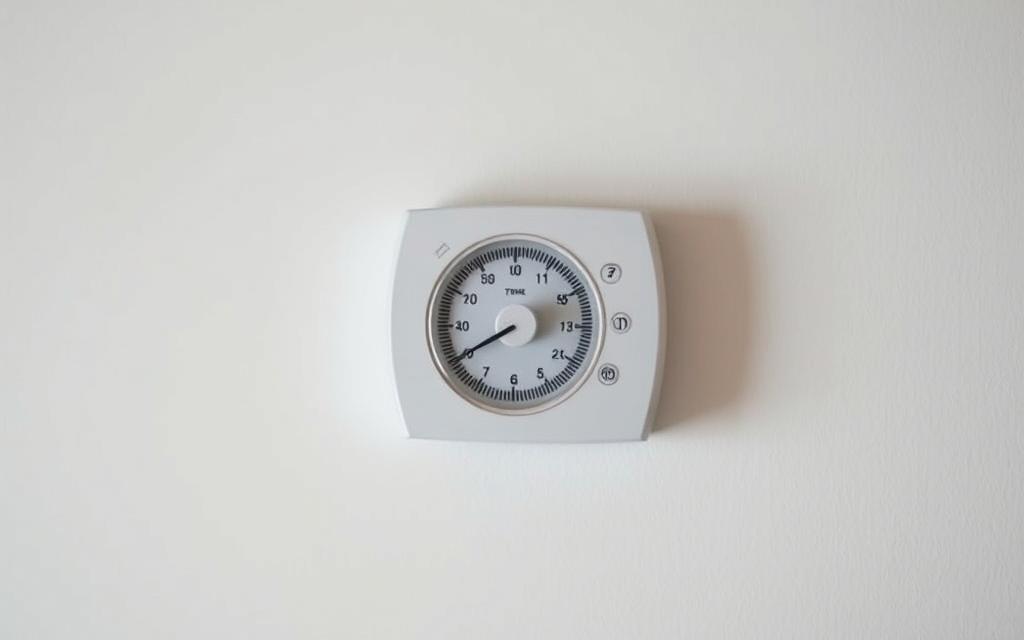
The thermostat is key in keeping your fridge at the right temperature. If it fails, you could face problems like poor cooling or even spoiled food. To spot cooling problems, it’s important to know how the thermostat works. You might need to check and adjust it often to make sure it’s working right.
Start by testing the thermostat’s effectiveness. Here’s what to do:
If the readings don’t match up, you should look into it more. This will make sure the thermostat is working correctly.
If your thermometer shows a big difference from the thermostat setting, you might need to adjust the thermostat. Here’s the right method:
Calibrating your fridge regularly keeps it running efficiently. Plus, it helps in keeping your food fresh.
Ice buildup in your refrigerator or freezer is quite common. It disrupts the cooling process. It’s vital to monitor frost buildup, as it can really limit airflow. This, in turn, makes the cooling system less effective. Checking regularly for ice can prevent bigger issues later.
Check for frost around the evaporator coils or vents. These should be clear for the fridge to work well. If there’s a lot of frost, it could mean the defrost system isn’t working right, leading to ice blockages. Temperature changes can also signal a problem.
To deal with ice blockages, first defrost your appliance. This means unplugging it and waiting for the ice to melt. Then, check for and fix the root problems, such as:
Doing these steps not only fixes the current ice issues but also helps keep your appliance cooling smoothly. This way, you avoid frost problems in the future.
Knowing how to spot electrical issues quickly is key to fixing fridge cooling problems. Checking various electrical parts helps us find the main issues. Learning to inspect fuses and the compressor makes fixing them faster.
First, look at the circuit breakers and fuses that power your fridge. Sometimes, power issues come from circuit breakers that tripped or fuses that blew. It’s vital to regularly check fuses to make sure electricity flows well.
If you see damaged fuses or a tripped breaker, fixing or replacing them can solve the problem.
The compressor keeps your fridge cold. If it’s not working right, the fridge might not stay cool. You might hear strange noises like clicks or buzzes, or it might get too hot.
| Component | Common Issues | Signs of Malfunction |
|---|---|---|
| Circuit Breaker | Tripped or faulty | Breaker refuses to reset; flickering lights |
| Fuses | Blown or damaged | No power to the fridge |
| Compressor | Overheating or failure | Unusual sounds; not cycling on |
Knowing when to call in an expert is key. You might fix some problems on your own, but others need a pro’s touch. If your fridge isn’t cooling right, even after you’ve tried to fix it, that’s a red flag. Hearing weird noises, seeing leaks often, or noticing the temperature goes up and down? These are signs it’s time to get help from someone with skills.
It’s important to find a trusted repair service when your fridge has big problems. Look for a service with good reviews and experts in your fridge’s brand, like Whirlpool, GE, or Samsung. Choosing the right service saves time and prevents more issues. Getting help from pros offers relief and quick fixes for your fridge troubles.
Taking steps early on can really help your fridge last longer and keep it from having cooling problems. Making sure to do regular check-ups means your fridge will work better. It also means you’re less likely to have it break down when you least expect it.
Cleaning the condenser coils often is important because dust can make them work poorly. It’s also key to check the door seals for any damage. If the seals are bad, warm air can get in and make the fridge not cool as well.
Make sure food is placed well inside to keep air moving. And, checking the temperature settings now and then is a must. These steps help make sure your fridge stays in top shape.
Don’t stuff your fridge too full. This lets air move around better. Try not to open the door too much to keep the temperature stable. Making sure your fridge has enough room to “breathe” makes it work better. These easy steps can make your fridge last longer and work better, which saves you worry and keeps your food fresh.