Our Location
1250 Beacon Street
Brookline, MA 02446
Discover the optimal replacement schedule for your small appliances with our guide on how often you should really replace them for safety and efficiency.
This guide will tell you when to replace small appliances for safety. It covers things like toasters, blenders, coffee makers, and hair dryers. You’ll learn when it’s time to get a new one.
We aim to provide tested replacement times, highlight safety risks of old appliances, and show when to replace them. We also consider how replacing can save money and help the environment for people who own or rent homes. This advice will help you know when to get new appliances to keep things safe and efficient without spending too much.
We use advice from brands like KitchenAid and safety groups like the U.S. Consumer Product Safety Commission. This helps us suggest realistic times to replace your appliances based on expert advice and normal use.
The guide helps you understand when to fix your appliances and when to replace them for safety and saving money. You’ll get a clear plan on when to get new appliances for your home.
Small appliances vary a lot in how long they last. They can work from three to twelve years. Things like how well they’re made, how often you use them, and taking good care of them affect their lifespan.
It’s smart to keep track of some basic info. Saving receipts, manuals, and when you bought something helps manage maintenance and warranties easier. This way, you know better when it’s time to get a new one.
Regular maintenance prevents small issues from becoming big, expensive problems. For example, cleaning a coffee maker every few months reduces mineral deposits and keeps it working well.
Changing filters is important too. For vacuums and air purifiers, you might need new filters every few months. Doing this keeps them working better for longer.
It’s also key to check power cords and plugs often. If they’re damaged, they could be dangerous. Fixing or replacing these parts can make appliances last longer and stay safer.
Lack of maintenance can be unsafe. Worn cords, too-hot motors, and buildup can lead to shocks, fires, or making food unsafe. Checking these things often can make your home safer.
Appliances can also become less efficient as they age. Older kettles and ovens might slow down, and vacuums can lose suction. Watching for these signs helps you know when to get a new one.
| Appliance | Typical Lifespan | Key Maintenance Intervals | Signs to Check |
|---|---|---|---|
| Coffee maker (drip/espresso) | 3–8 years | Descale every 1–3 months; replace water filters every 2–6 months | Slower brewing, off flavors, leaks |
| Blender / food processor | 4–10 years | Clean seals after each use; inspect blades yearly | Wobbling blades, motor strain, burning smell |
| Toaster / toaster oven | 5–12 years | Empty crumb trays monthly; check heating elements annually | Uneven toasting, smoke, sparking |
| Vacuum cleaner | 4–8 years | Replace filters every 3–6 months; clean brush roll monthly | Loss of suction, unusual noises, overheating |
Small kitchen appliances come in different qualities and uses. Knowing their lifespans helps homeowners plan for new purchases. It also helps avoid risks. Here we discuss how often they break and how to keep them running smoothly.
Toasters and toaster ovens
Basic toasters last about 5–10 years. Toaster ovens can go for 7–12 years, depending on use and brand. Common issues include burnt elements and jams that can start fires.
To make them last, clean trays and inside surfaces. Also, avoid using metal in them. Knowing when to replace toasters can prevent unexpected problems.
Blenders and food processors
Blenders and food processors usually work well for 6–10 years. Brands like KitchenAid last even longer with good care. Look out for dull blades and leaks.
Keep them in shape by washing parts by hand and not overworking them. Replacing old parts can keep them running well in busy kitchens.
Coffee makers
Cheaper drip coffee makers work for 3–5 years. Better ones last 5–10 years with regular service. Main issues include scale build-up and pump problems.
Cleaning with vinegar and changing filters keeps them in good condition. Keeping track of components’ lifespans ensures safe and tasty drinks.
| Appliance | Typical Lifespan | Common Failures | Simple Maintenance |
|---|---|---|---|
| Toaster (pop-up) | 5–10 years | Burnt elements, stuck lever, thermostat faults, crumbs | Empty crumb tray, wipe interior, avoid metal tools |
| Toaster oven | 7–12 years | Heating element failure, uneven heat, crumb buildup | Clean trays, check door seals, schedule gentle deep cleans |
| Blender | 6–10 years | Blade dulling, motor overheating, seal leaks | Hand-wash blades, avoid overload, replace gaskets |
| Food processor | 6–10 years | Motor strain, blade wear, bowl seal issues | Use pulses, clean seals, store blades carefully |
| Basic drip coffee maker | 3–5 years | Scale buildup, warming plate faults, inconsistent brew | Descale regularly, replace filters, daily rinses |
| Espresso / high-end drip | 5–10 years | Pump failure, temperature drift, scale | Follow service intervals, descale, replace filters |
Appliances hint when they’re about to fail. Spotting those signs early prevents damage, saves money, and secures the home. This guide highlights key signs and a sensible replacement timeline for small appliances.
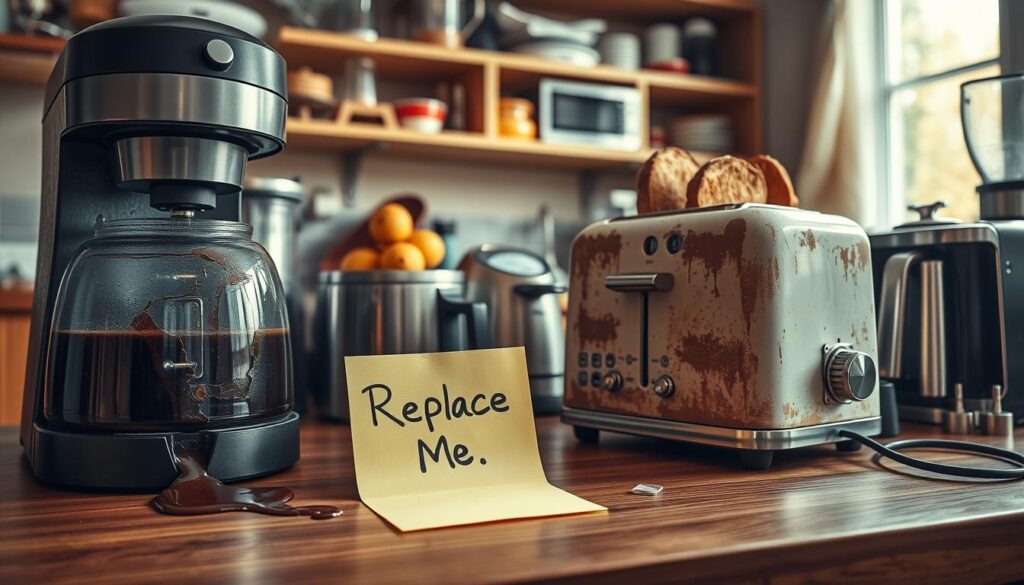
Unusual sounds or smells
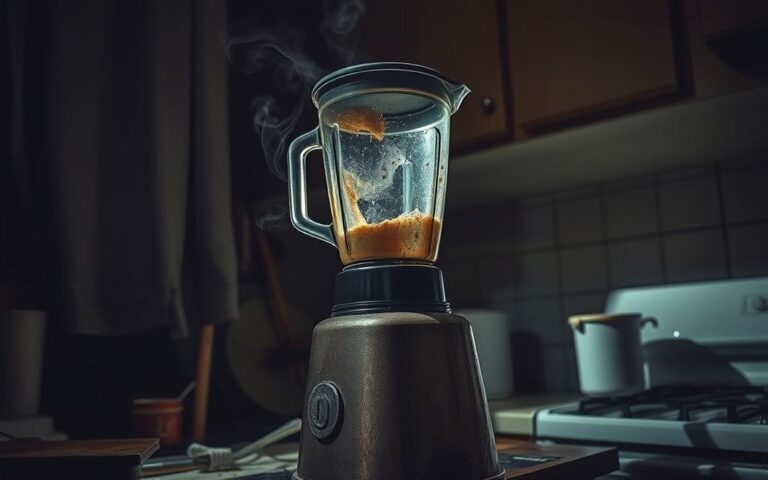
Blenders, mixers, and vacuums make grinding, buzzing, or screeching noises when failing. A burning smell suggests electrical issues. Upon seeing sparks, immediately unplug and stop using the appliance.
Odors that linger after cleaning might mean internal damage. It’s often safer to replace than to keep using these appliances. Such warnings tell homeowners when it’s time for a new one.
Lack of efficiency
Appliances that work slower use more energy and cost more to run. Examples include toasters needing more time, vacuums with less suck, or coffee makers that don’t brew hot. These signs indicate it’s time to consider a replacement.
Keeping track of how often appliances break down or lose efficiency can guide replacement decisions. A simple timeline, based on the appliance’s age and efficiency, helps plan for upgrades.
Frequent breakdowns
When appliances often break down or repairs cost more than half of a new one, it’s time to replace. Many issues in a short time can mean an appliance is becoming unreliable.
A log of repairs and their costs can help decide when to replace. If parts are hard to find or pricey, consider replacing an appliance sooner for peace of mind.
Old appliances can be dangerous, hiding risks that threaten homes and families. Checking them regularly helps find problems early. It’s wise to have a maintenance plan and know when to replace things to keep your kitchen safe.
Big worries include fires from old parts, electrical problems from old wiring, and food risks from appliances not working right. Each issue is different and needs its own action plan.
Appliances can cause fires if they have frayed cords or blocked vents. Items like toaster ovens and space heaters are often to blame, particularly the old ones without auto-shutoff. The U.S. Consumer Product Safety Commission and NFPA suggest getting rid of appliances that are damaged by heat or spark.
Keep vents open and cords safe to avoid fires. If an appliance gets too hot, smokes, or often causes power to go out, unplug and check it immediately.
Old wiring and switches can lead to electric shocks or fires. Older appliances might not be as safe as newer ones, needing special care. Using GFCI outlets in wet areas helps prevent electric shocks.
An electrician can check for safety issues like bad wiring. It’s best to replace appliances that cause electrical problems to avoid accidents.
Appliances that keep water can grow mold and bacteria. This is common in coffee makers and food processors. Also, if appliances don’t keep the right temperature, it can leave food undercooked.
Following FDA tips for cooking safely helps avoid food problems. If an appliance doesn’t keep food hot enough or can’t be cleaned well, you should get a new one.
| Risk Area | Common Signs | Immediate Action | Long-term Step |
|---|---|---|---|
| Fire hazards | Smoking, sparks, burning smell, hot exterior | Unplug device, avoid use, inspect vents and cords | Replace unit and follow an optimal replacement schedule |
| Electrical issues | Frequent breaker trips, tingling shocks, exposed wiring | Stop use, test outlets, consult electrician | Upgrade to UL-listed models with modern safety features |
| Food safety concerns | Standing water, mold, uneven cooking temperatures | Deep clean, sanitize, discard contaminated food | Choose replaceable parts or buy new model with better seals |
Knowing when to replace items at home helps avoid unexpected breakdowns. The guidelines mix expected lifespans with how you actually use items and safety tips. Look at these ranges to figure out the best time to replace something. And check the manual for your specific item.
Kitchen gadgets wear out quicker than big appliances. For small gadgets like toasters and blenders, pay attention to odd smells or sparks. These signs will tell you it’s time to get a new one before you check a calendar.
Cleaning gadgets and items for personal care have their own replacement signs. Things like battery wear, buildup of minerals, and motor issues reduce their lifespan. Regular cleaning helps them last longer but you’ll still need to plan when to replace them.
Toasters should be replaced every 5 to 10 years. Get a new one right away if you see smoke, sparks, or wires sticking out. This balances safety with saving money.
Toaster ovens need a new one every 7 to 12 years. Replace sooner if they can’t keep the right temperature or if parts stop working.
Replace blenders and food processors every 6 to 10 years, depending on how much you use them. Those used a lot might need replacing earlier to keep working well.
Coffee makers last about 3 to 5 years for simple models. Fancy coffee machines can last 5 to 10 years if you get them serviced. Replacing when needed prevents bad coffee and electrical problems.
Countertop microwaves last 7 to 10 years based on use and their magnetron’s health. Replace them if they start making odd noises or heat unevenly.
Vacuums last between 5 to 10 years, but battery vacuums only about 3 to 5 years because of battery wear.
Steam cleaners have a life of 4 to 8 years. Descaling can help them last longer, but you’ll still need to replace them at some point.
Handheld steamers last 3 to 6 years. Using them often or with hard water makes them wear out faster.
Hair dryers should be replaced every 3 to 6 years. If they get too hot or smell burnt, replace them right away.
Electric shavers and trimmers have a life of about 3 to 7 years. Swap out dull blades as recommended to keep them working well.
Electric toothbrush bases last 3 to 5 years. Change the brush heads every three months for cleanliness and keep an eye out for wear.
| Appliance | Typical Lifespan | Key Replacement Triggers |
|---|---|---|
| Toaster | 5–10 years | Smoke, sparking, uneven heating |
| Toaster oven | 7–12 years | Faulty thermostat, failed heating elements |
| Blender / Food processor | 6–10 years | Motor strain, wobbling blades, burning odor |
| Coffee maker (basic) | 3–5 years | Poor brew, leaks, electrical faults |
| Microwave (countertop) | 7–10 years | Uneven heating, loud operation, sparking |
| Upright / canister vacuum | 5–10 years | Motor failure, loss of suction, burnt smells |
| Stick vacuum (battery) | 3–5 years | Battery degradation, short runtime |
| Steam cleaner | 4–8 years | Scale buildup, reduced steam output |
| Hair dryer | 3–6 years | Overheating, burning smell, power issues |
| Electric shaver / trimmer | 3–7 years | Blunt blades, motor noise, poor cut |
| Electric toothbrush (base) | 3–5 years | Charging failure, motor decline |
These timelines help you know when to replace things. Safety problems, repair costs, or wasting energy might mean you should replace an item sooner than planned. Compare the costs of fixing something with the benefits of getting a new one and how long it should last. This helps you decide the best time to replace an item.
Deciding whether to repair or replace small appliances is important. It influences energy use and environmental impact. Consider energy efficiency, recycling, and how easy it is to fix a device before replacing it.

Old appliances use more power, even when not in use. Upgrading to ENERGY STAR-rated products, like coffee makers or vacuums, reduces electricity usage and lowers bills.
Newer vacuums and coffee makers use less power when idle. This saves energy every day, especially for items we use a lot.
To decide, calculate the break-even point. For instance, if a new appliance saves $50 yearly in energy but costs $250, it pays for itself in five years.
Recycling appliances correctly is key. Many cities offer e-waste programs to recycle household devices safely.
Stores like Best Buy have take-back programs for recycling. Donating items that still work, to places like Habitat for Humanity ReStore, also helps.
In the U.S., there are laws for disposing of batteries and other hazardous parts safely. Removing batteries and handling dangerous parts carefully reduces harm to the environment.
| Consideration | Action | Environmental Benefit |
|---|---|---|
| High energy draw | Compare energy efficiency ratings and choose ENERGY STAR models | Lower electricity use and greenhouse gas emissions |
| Standby power loss | Buy devices with programmable auto-shutoff | Reduce wasted energy during idle periods |
| Working but outdated | Donate to ReStore or local shelters | Extend product life and cut waste |
| Broken or hazardous | Use municipal e-waste or retailer take-back programs | Safe disposal of batteries and harmful components |
| Repair vs replace | Weigh repair costs, energy consumption, and recycling availability | Minimize lifecycle environmental impact |
Deciding when to get a new small appliance involves looking at numbers and habits. It’s important to think about the buying price, how much energy it uses, the chances it will need repairs, and how often you’ll have to replace it if you use it a lot. A simple overview can help families decide if it’s the right time to buy a new model.
Initial investment vs. long-term savings
Getting a new ENERGY STAR coffee maker can use less electricity and water than one that’s 10 years old. To figure out if it’s worth it, first take off any money you get back from selling or recycling the old one from the new one’s price. Then, divide that by how much you’ll save every year to see how long until it pays for itself. If it pays off within its expected lifetime, it’s a good save over time.
Having to fix it less and it working better can save hidden costs. For things you use every day, less breakdown time and saving time are real benefits. People should look at how much energy they’ll save with brands like Breville and KitchenAid versus fixing old ones.
Warranty benefits
New appliances often come with warranties that cover issues and sometimes even parts or service for up to five years. These warranties can reduce the worry of immediate repairs and can make the cost seem less scary.
Thinking carefully about extended warranties is key. For cheap toasters and simple blenders, the extra cost might be more than any repairs needed. But for high-end espresso machines and the best blenders, paying more for more coverage can be wise if fixing them is expensive.
Understanding warranty details is crucial. Knowing what’s covered, how you need to get it serviced, and if it has to be by certain professionals helps show the true value. A good warranty can be a reason to replace an old unit that keeps breaking.
Financing, incentives, and budgeting
Sales, deals, and credit card offers can make buying easier on your wallet. Sometimes, there are rebates for choosing energy-saving models, which makes them more cost-effective, especially for big items. Families should plan for when they’ll need to replace heavily used appliances and think about how long they’ll last in their budget.
Thinking about the costs now versus savings later, plus warranty perks and how often you’ll need a replacement makes a sound buying plan. This helps readers make smart, safe choices that fit their money situation and daily life.
Homeowners weighing repair or replace choices should focus on clear, practical factors. This guide helps decide, using rules for small appliances. These rules apply to items like toasters and vacuums.
Start with the 50% rule: if repairs cost nearly half of buying new, consider replacing. This rule varies based on appliance age and its special value.
Look into part availability for brands like KitchenAid. Older models might not have parts or could lead to higher costs. Remember, multiple repair trips and downtime add to the expense.
Safety comes first. Replace immediately if repairs can’t eliminate risks like fire or electrical issues.
Devices used daily, like coffee makers, may need replacing sooner if they start failing. Failure impacts daily routines and adds to energy costs.
Seasonal items, like popcorn makers, could be repaired if parts are affordable. This saves money and is less wasteful.
Think about what the appliance can’t do anymore. If it doesn’t fit your current needs, getting a new one could offer more value over time.
By following these steps, people can make better decisions. They can weigh repair costs against how they use the appliance. This guide helps decide when to replace an item, avoiding unnecessary spending.
When shopping, how long things last is as important as how they work. This guide looks at well-known brands, how to keep them running longer, and when it’s time for a new one.
KitchenAid is known for durable stand mixers that can last for years. They have strong motors and gears you can replace. To keep them working well, use them as recommended and always choose real KitchenAid parts.
KitchenAid blenders and food processors are also reliable. They’re easy to fix thanks to good repair services and parts availability. Regularly check belts and seals to prevent breakdowns and know when to replace them.
Cuisinart offers a good balance of price and quality. The life of their products varies; professional models last longer than cheaper ones. Keep blades sharp and seals intact to extend their lifespan.
It’s easy to find parts for Cuisinart, so fixing instead of replacing is an option. Monitoring how much you use them and their warranty can help decide when it’s time for an upgrade.
Breville makes high-quality, advanced appliances for those who are willing to spend more. Their espresso machines and blenders last long with regular care. Features like PID controls keep them working precisely.
While they might be pricier, they offer value through their durability and ease of repair. Stick to the recommended maintenance schedule for the best performance and to know when replacement is necessary.
This table simplifies how these brands compare in lifespan, maintenance needs, and replacement signs.
| Brand | Typical Lifespan (home use) | Common Service Items | Signs to Consider Replacement |
|---|---|---|---|
| KitchenAid | 10–30 years (stand mixers); 5–12 years (small appliances) | Planetary gears, belts, motor brushes, seals | Grinding noise, speed loss, cracked housings |
| Cuisinart | 5–15 years depending on line | Blade sharpening, seal/gasket replacement, motor service | Reduced chopping power, overheating, persistent leaks |
| Breville | 7–20 years for premium models | Thermostats/PID calibration, pump service, bearings | Temperature drift, pressure loss, electronic faults |
When it’s time to replace small appliances, look for clear signs and plan wisely. Consider their age, strange noises, higher energy costs, and repair expenses. While a 3–10 year lifespan is common, it’s just a guide, not a strict rule to follow.
If you see electrical issues, overheating, strange smells, or sparks, replace the appliance right away. It’s about safety first. But, you can also be smart about money. Keep track of how old your appliances are.
This way, you can plan for upgrades without breaking the bank. Think about when it makes sense to replace things. Consider energy savings and warranty benefits too.
It’s smart to know about the latest in appliances. This helps you pick models that save energy and are safer. Look for features like energy-saving motors and systems that turn off automatically.
Read reviews and use ENERGY STAR info to make smart choices. Don’t just look at the price tag. Think about all costs over time.
Write down when you bought each appliance and keep up with their care. Stick to a schedule for replacing them based on this advice. For items you’re getting rid of, consider recycling or donating. This helps others and cuts down on waste.