Our Location
1250 Beacon Street
Brookline, MA 02446
Discover electrical appliance warning signs to protect your home. Learn how to identify issues in small appliances before they become dangerous problems.
Every year, approximately 51,000 home electrical fires occur in the United States, with small appliances contributing significantly to these dangerous incidents. Understanding home appliance safety is crucial for protecting your family and property from potential electrical hazards in appliances.
Small kitchen and household devices like toasters, coffee makers, hair dryers, and microwaves are essential in daily life. Despite their convenience, these appliances can develop electrical problems that may escalate into serious safety risks if not detected early.
This comprehensive guide will teach you how to recognize warning signs of electrical issues before they become critical. You’ll learn to identify sensory clues, understand root causes, and make informed decisions about whether to repair or replace potentially dangerous devices.
Electrical problems rarely happen without warning. By developing keen observation skills and knowing what to look for, you can prevent potential fires, electrical shocks, and costly property damage. Your awareness and proactive approach are key to maintaining a safe home environment.
Electrical safety in your home is not just a recommendation – it’s a critical responsibility for protecting your family and property. Small appliances have become an integral part of daily life, but they can pose significant risks if not properly maintained.
Preventing electrical accidents starts with understanding the potential dangers lurking in your everyday devices. The U.S. Fire Administration reports that electrical malfunctions cause approximately 24,000 residential fires annually, resulting in substantial property damage and potential loss of life.
The consequences of overlooking electrical safety can be devastating. Faulty appliances can lead to:
| Risk Category | Potential Impact |
|---|---|
| Fire Hazards | Extensive property damage |
| Electrical Shock | Serious personal injury |
| Equipment Failure | Costly replacement of devices |
Proactive electrical safety is not about creating fear, but about empowering homeowners to protect their loved ones and investments. By understanding warning signs and maintaining your appliances, you can dramatically reduce the risk of electrical accidents in your home.
Your home appliances communicate potential electrical problems through various sensory signals. Understanding these faulty appliance symptoms can prevent serious safety hazards and expensive repairs. Learning to recognize warning signs early protects both your devices and your household.
Appliances should operate relatively quietly. Unexpected noises often indicate underlying electrical issues:
A burning smell from appliances is never normal. Acrid odors from burning plastic or electrical insulation demand immediate attention. Distinguish between:
Appliance overheating presents significant risks. Watch for these warning signs:
When you notice multiple symptoms, unplug the appliance immediately and consult a professional technician to prevent potential electrical fires or device failure.
Understanding the root causes of appliance electrical issues can help homeowners prevent unexpected breakdowns and potential safety hazards. Electrical fault detection starts with recognizing the primary factors that contribute to appliance failures.
Several key elements impact the electrical performance of small home appliances:
Manufacturing defects can create silent problems that emerge long after the warranty expires. Internal electrical components like capacitors, heating elements, and motors are particularly vulnerable to gradual deterioration.
| Cause of Failure | Impact on Appliance |
|---|---|
| Power Surges | Damages sensitive electronic circuits |
| Dust Accumulation | Reduces cooling efficiency |
| Voltage Fluctuations | Stresses electrical components |
Environmental factors play a significant role in electrical fault detection. Kitchen appliances face unique challenges from grease, heat, and frequent use. Dust and moisture can accelerate component degradation, creating potential electrical risks.
User behavior also impacts appliance longevity. Improper storage, physical damage, and using devices beyond their intended purpose can trigger electrical problems. Regular maintenance and careful usage are crucial for preventing unexpected failures.
Electrical appliances rely on power cords to function safely, but these critical components are often overlooked until serious damage occurs. Power cord damage can transform a simple household device into a potential safety hazard. Understanding the risks associated with damaged electrical plugs is crucial for preventing accidents and protecting your home.
Electrical cords endure significant stress through daily use. They get bent, pulled, and twisted, which gradually weakens their protective insulation. Recognizing the warning signs of power cord damage can help you prevent dangerous electrical incidents.
A thorough visual inspection can reveal critical issues with power cords. Look for these key warning signs:
Damaged electrical plugs present multiple safety risks. Potential hazards include:
Never attempt temporary repairs with electrical tape. Damaged power cords and plugs should be professionally replaced or the appliance should be discarded to ensure home safety.
Safety Tip: Regular inspection of power cords can prevent potential electrical hazards and protect your home and family.
Circuit breaker tripping can be a frustrating and potentially dangerous electrical issue in your home. When an appliance consistently triggers your circuit breaker, it’s a critical warning sign that demands immediate attention.
Understanding circuit breaker tripping helps protect your home from electrical hazards. The circuit breaker acts as a safety mechanism, interrupting electrical flow when it detects unsafe conditions.
Diagnosing the cause of circuit breaker tripping requires careful investigation. Here are key scenarios to consider:
| Tripping Pattern | Potential Cause | Recommended Action |
|---|---|---|
| Immediate Tripping | Internal Short Circuit | Stop using appliance, consult professional |
| Delayed Tripping | Overheating Component | Check for wear, potential repair needed |
| Multiple Appliance Tripping | Overloaded Circuit | Redistribute electrical load |
Safety tip: Never ignore repeated circuit breaker tripping. Persistent electrical issues can lead to potential fire risks or equipment damage. When in doubt, always consult a qualified electrician to diagnose and resolve the problem.
Proactive steps can prevent dangerous electrical situations. Unplug the problematic appliance, test it on a different circuit, and carefully observe its performance. If circuit breaker tripping continues, professional evaluation becomes crucial.
Electrical sparking dangers are serious threats that can transform an ordinary household appliance into a potential hazard. Understanding the signs of electrical sparks and arcing can protect your home and family from dangerous situations.
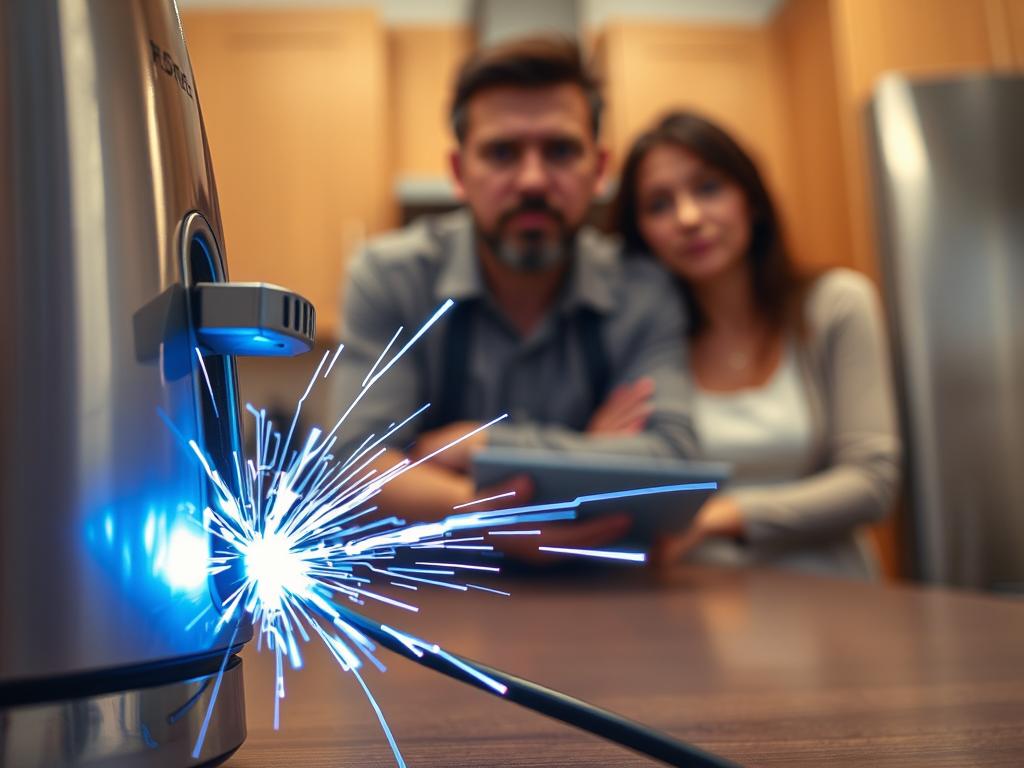
Not all sparks are created equal. Some small, brief sparks when plugging or unplugging devices can be normal. Electrical sparking dangers become critical when sparks occur during regular appliance operation.
Multiple factors can trigger dangerous electrical sparking:
Recognizing electrical sparking dangers requires immediate action. Stop using an appliance if you observe:
| Spark Type | Potential Risk | Recommended Action |
|---|---|---|
| Small plug-in sparks | Low risk | Monitor device |
| Large operational sparks | High risk | Unplug immediately |
| Repeated arcing | Extreme risk | Professional inspection required |
Always prioritize safety. Unplug sparking devices carefully and consult a professional electrician to prevent potential electrical fires or personal injury.
Recognizing appliance performance problems is crucial for maintaining home safety and preventing potential electrical hazards. Small appliance troubleshooting starts with understanding how your devices behave under normal conditions.
Electrical issues often manifest through subtle changes in appliance performance. Identifying these warning signs can help you address potential problems before they escalate into serious safety risks.
Some key performance indicators to watch for include:
| Appliance | Performance Problem | Potential Electrical Issue |
|---|---|---|
| Toaster | Uneven browning | Failing heating element |
| Hair Dryer | Weak airflow | Motor drawing insufficient current |
| Blender | Struggles with normal loads | Degraded electrical components |
When troubleshooting small appliance performance problems, start with simple checks:
Professional evaluation becomes necessary when performance issues persist or are accompanied by other warning signs like unusual heat, strange odors, or unexpected sounds.
Always prioritize safety when dealing with electrical appliances. When in doubt, consult a professional electrician.
Water and electricity create a dangerous combination that can severely impact home appliances. Water damage to appliances poses significant risks to both device functionality and user safety. Understanding how moisture interacts with electrical components is crucial for protecting your valuable household equipment.
Moisture can devastate electrical appliances through several critical mechanisms:
Water damage to appliances typically occurs through various scenarios:
Protect your appliances from water damage by following these critical guidelines:
Remember: When in doubt about water exposure, have a professional inspect the appliance before use.
Water damage to appliances can be irreversible. Some devices might require complete replacement to ensure safety and prevent potential electrical hazards.
Maintaining home electrical safety requires regular appliance safety inspection. Homeowners can perform simple yet effective checks to identify potential electrical risks before they become serious problems.
Start with a comprehensive visual examination of your small appliances. Look for critical warning signs that might compromise electrical safety:
During your home electrical safety inspection, perform these functional tests:
Pro tip: Use simple tools like outlet testers and infrared thermometers to enhance your appliance safety inspection.
Consider professional testing for appliances that have experienced water damage, been dropped, or are older than five years. Some hardware stores and electrical service providers offer comprehensive safety evaluations to ensure your home’s electrical systems remain secure.
Safety first: Always unplug appliances before inspection and never attempt complex diagnostics without professional training.
Deciding when to replace appliances can be a challenging process for homeowners. The choice between repairing an electrical device or purchasing a new one involves careful consideration of multiple factors, including cost, safety, and long-term value.
Conducting a financial assessment helps homeowners make informed decisions. Consider the following factors when evaluating whether to repair or replace:
Safety must always be the primary concern when deciding to repair or replace appliances. Certain electrical problems warrant immediate replacement, such as:
Remember: When in doubt about an appliance’s safety, replacement is always the most prudent choice.
Professional assessment from certified technicians can provide definitive guidance on whether to repair or replace electrical devices, ensuring both economic efficiency and household safety.
Protecting your home appliances requires proactive care and smart maintenance strategies. Implementing effective appliance maintenance tips can significantly extend the life of your devices while preventing potential electrical hazards.
Regular maintenance is crucial for keeping your electrical appliances in top condition. Here are key strategies to ensure safety and optimal performance:
Your appliance maintenance tips should include specific care for different device types. Kitchen appliances need frequent cleaning to prevent grease buildup, while bathroom devices require protection from moisture.
Critical maintenance practices include:
Professional servicing can be beneficial for complex or expensive appliances. Consider annual safety inspections to catch potential issues before they become serious problems. By investing a few minutes in regular maintenance, you protect both your appliances and your home’s electrical safety.
Electrical safety in home appliances is not just about preventing accidents—it’s about protecting your family and property. Throughout this guide, we’ve explored critical warning signs that signal potential electrical hazards in small devices. From unusual sounds and burning smells to visible cord damage and intermittent performance, these indicators demand immediate attention.
The key takeaway is proactive vigilance. Regular inspection of your electrical appliances can prevent dangerous situations like electrical fires, shocks, and equipment failures. Develop a routine of checking your devices for signs of wear, listening for strange noises, and monitoring their overall performance. Small steps in maintenance can make a significant difference in home safety.
Remember that no appliance is worth risking your family’s well-being. When in doubt about a device’s condition, consult a professional or replace the item. Your diligence in identifying and addressing potential electrical problems is the most effective defense against unexpected accidents. By staying informed and attentive, you can ensure a safer, more secure home environment.
Take action today: walk through your home, examine your small appliances, and commit to ongoing electrical safety awareness. Your proactive approach is the best protection against potential electrical risks.