Our Location
1250 Beacon Street
Brookline, MA 02446
Discover essential appliance safety certifications like UL, ETL, and CSA to ensure your home products meet rigorous standards for protection and reliability.
Did you know that nearly 51,000 home electrical fires occur annually in the United States, with many caused by uncertified or faulty appliances? Understanding appliance safety standards is crucial for protecting your home and family from potential electrical hazards.
When shopping for certified appliances, consumers must look beyond price and features. Safety certifications from recognized testing organizations provide critical assurance that products meet rigorous electrical safety standards. These marks aren’t just decorative stickers—they represent comprehensive testing and validation of product safety.
Different certification bodies like UL, ETL, and CSA play a vital role in ensuring appliance safety. Each organization conducts extensive tests to verify electrical components, material durability, and potential risk factors. By choosing appliances with these trusted certifications, homeowners can significantly reduce the risk of electrical accidents and equipment failures.
This guide will explore the most important safety certifications that every smart consumer should understand before making a purchase. From understanding testing processes to identifying key safety marks, you’ll gain essential knowledge to make informed decisions about the appliances protecting your home.
Home appliance safety is a critical concern for every household. Uncertified products pose significant risks that many consumers overlook. Electrical hazards, fire dangers, and potential mechanical failures can turn everyday appliances into serious threats.
Consumer product safety certifications provide crucial protection for homeowners. These rigorous testing standards help prevent potential accidents and ensure appliances meet strict safety requirements.
The statistics are alarming. Approximately 51,000 home electrical fires occur annually in the United States, causing substantial property damage and potential life-threatening situations. Certified appliances dramatically reduce these risks by undergoing extensive safety testing.
| Certification Type | Safety Impact |
|---|---|
| UL Certification | Reduces fire risk by up to 85% |
| ETL Certification | Ensures electrical component safety |
| CSA Certification | Meets North American safety standards |
Insurance companies often require certified appliances to process claims related to home damages. This additional layer of protection demonstrates the critical importance of selecting properly certified home appliances.
Safety isn’t expensive—it’s priceless.
When shopping for new appliances, prioritize home appliance safety by checking for recognized certification marks. These symbols represent comprehensive testing and provide peace of mind for you and your family.
Product safety testing is a critical process that protects consumers from potential hazards. Safety testing laboratories play a crucial role in ensuring appliances meet rigorous safety standards before reaching store shelves.
Third-party testing provides an unbiased evaluation of product safety. These independent laboratories follow strict protocols to examine every aspect of an appliance’s design and functionality.
The evaluation process involves several comprehensive steps:
“Safety certification is not just a label – it’s a promise of quality and consumer protection.” – Safety Testing Expert
While safety testing focuses on potential risks and hazards, performance testing evaluates an appliance’s operational efficiency. Safety testing laboratories prioritize identifying potential electrical, mechanical, and thermal risks that could harm consumers.
| Safety Testing | Performance Testing |
|---|---|
| Checks for potential hazards | Measures operational efficiency |
| Prevents consumer risks | Evaluates product functionality |
| Mandatory for certification | Optional quality assessment |
Consumers can trust certified appliances knowing they have undergone rigorous third-party testing to ensure maximum safety and reliability.
The UL certification mark represents the pinnacle of electrical safety standards in North America. Established in 1894, Underwriters Laboratories (UL) has become the most trusted name in product safety testing and certification.
When shopping for appliances, the UL certification mark is your guarantee of rigorous safety evaluation. This distinctive logo indicates that a product has passed comprehensive testing for electrical safety, fire resistance, and overall user protection.
UL offers multiple certification marks that consumers should understand:
Critical household appliances like refrigerators, washing machines, microwaves, and kitchen electronics benefit most from UL certification. The mark provides peace of mind that your devices have undergone stringent electrical safety standards testing.
UL certification isn’t just a one-time stamp of approval—it’s a continuous commitment to consumer safety.
When shopping for home appliances, safety certifications play a crucial role in protecting consumers. The ETL Listed mark represents a powerful safety certification that many homeowners may not fully understand. Administered by Intertek, this certification provides a reliable indicator of product safety and compliance with national standards.
ETL listed appliances undergo rigorous testing to ensure they meet critical safety requirements. Intertek’s testing process is comprehensive, examining electrical, mechanical, and performance characteristics that impact user safety.
The ETL certification process evaluates multiple critical aspects of product safety:
Many consumers wonder about the differences between ETL and UL certifications. Both are recognized NRTL certification programs by OSHA, which means they carry equal legal weight and safety assurances.
| Certification Aspect | ETL Listed | UL Certified |
|---|---|---|
| Legal Recognition | OSHA Approved | OSHA Approved |
| Safety Testing Depth | Comprehensive | Comprehensive |
| Industry Acceptance | Widely Recognized | Widely Recognized |
Consumers can confidently purchase ETL listed appliances, knowing they meet the same rigorous safety standards as UL-certified products. The ETL mark provides peace of mind by ensuring electrical products have been professionally tested and verified for safe use.
Navigating the world of appliance safety certifications can be complex for consumers. These certification marks serve as critical indicators of product safety and reliability. Understanding appliance safety certifications helps protect your home and family from potential electrical and mechanical risks.
Consumers should know the primary certification marks when shopping for appliances:
Certification marks are typically found in three key locations on appliances:
While not legally mandated for every product, most retailers and insurance companies effectively require appliance safety certifications. These marks indicate that an independent testing laboratory has verified the product meets rigorous safety standards.
Verification is easier than ever. Consumers can check certification status through online databases provided by Nationally Recognized Testing Laboratories (NRTLs). Always look for official certification marks before purchasing any electrical appliance.
Pro tip: If certification information isn’t clearly displayed, ask the retailer or manufacturer for documentation proving the product’s safety certification.
Different appliance categories might have varying certification requirements. Built-in appliances, for instance, often face stricter safety standards compared to portable devices. Gas and electric appliances may also have unique certification protocols.
CSA Group stands as a critical player in product safety certification across North America. As a recognized testing and certification organization, CSA plays a vital role in ensuring CSA certified products meet rigorous safety certification requirements for consumers.
The CSA certification mark represents more than a simple label. It signals that a product has undergone comprehensive safety testing and meets strict North American standards. Manufacturers seeking to demonstrate product reliability depend on CSA’s thorough evaluation process.
CSA Group operates with exceptional credibility across both Canadian and United States markets. Their certification process involves multiple critical steps:
Recognized as a Nationally Recognized Testing Laboratory (NRTL) in the United States, CSA provides consumers with confidence in electrical, mechanical, and other critical product safety dimensions.
“Safety isn’t expensive, it’s priceless” – CSA Group Philosophy
CSA certified products must satisfy stringent safety certification requirements that protect consumers from potential hazards. The certification process involves meticulous examination of product design, materials, and performance under various conditions.
For consumers, choosing CSA certified products means selecting items that have been rigorously tested and verified to meet the highest safety standards in North America.
Energy Star certification goes beyond simple energy efficiency. While many consumers view this label as purely an indicator of power savings, it plays a crucial role in the appliance certification process. The U.S. Environmental Protection Agency designs this program to ensure appliances meet rigorous standards for both energy performance and safety compliance.
To earn the Energy Star label, manufacturers must first demonstrate that their products pass comprehensive safety testing. This means appliances must already hold certifications from recognized bodies like UL, ETL, or CSA before qualifying for Energy Star status.
Smart consumers understand that the Energy Star label represents more than just potential energy savings. It signifies a commitment to quality, safety, and performance. Appliances bearing this mark typically undergo more rigorous evaluation, giving buyers additional confidence in their purchase.
“Energy Star certification is your assurance of both efficiency and safety” – U.S. Department of Energy
When shopping for home appliances, look for both safety certification marks and the Energy Star label. This dual approach ensures you’re selecting products that are not only energy-efficient but also meet the highest safety standards in the industry.
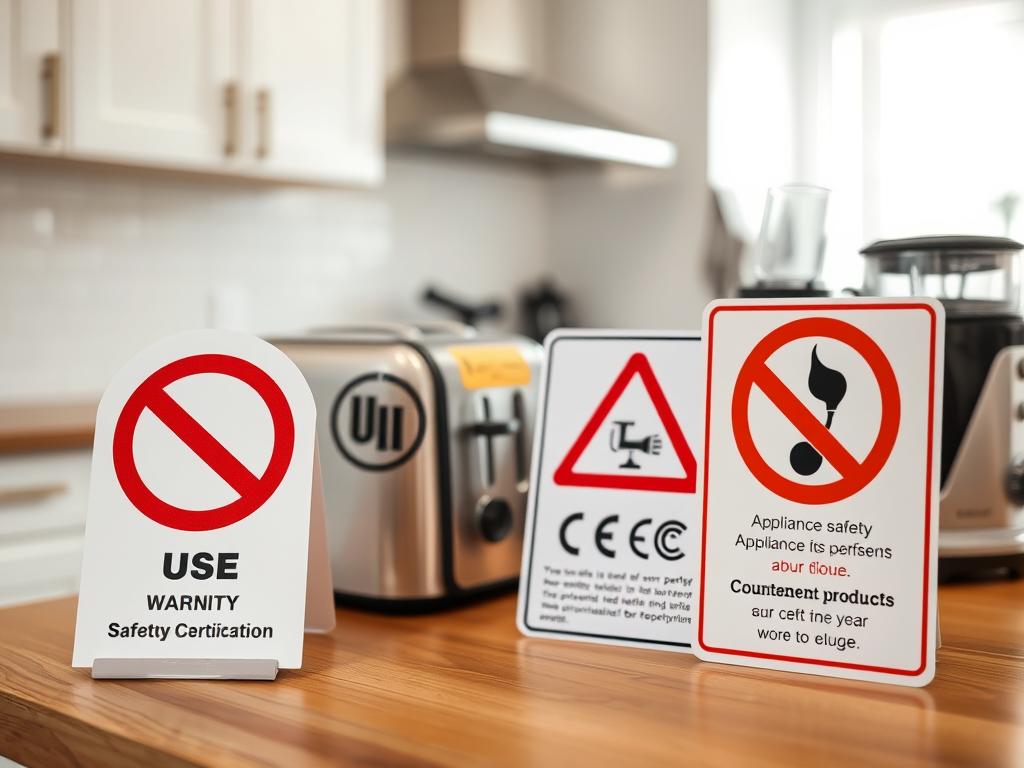
Not all appliances are created equal when it comes to safety. Understanding the critical differences between certified vs non-certified appliances can protect your home from potential fire hazards and electrical risks.
Consumers face increasing challenges in identifying potentially dangerous products, especially when shopping through non-traditional retail channels. Appliance fire safety begins with recognizing key warning signs of uncertified merchandise.
Non-certified appliances pose significant risks to household safety. These products may:
Pro tip: Always verify certification marks and purchase from reputable retailers to ensure your family’s safety.
Navigating the world of appliance safety labels doesn’t have to be complicated. An effective appliance buying guide empowers consumers to make smart, safe purchasing decisions. Understanding certification marks like UL, ETL, and CSA provides critical protection for your home and family.
When shopping for new appliances, prioritize safety over price. Look for recognized safety certification marks from trusted organizations. These labels represent rigorous testing and compliance with strict electrical and performance standards. An informed consumer knows that investing in certified products is the best way to safeguard against potential electrical hazards.
The digital age brings new challenges to appliance safety. Smart devices now require more than traditional electrical certifications. Consumers must consider both physical safety and cybersecurity when selecting home appliances. Energy Star certifications offer additional efficiency benefits, but they should complement—not replace—core safety certifications.
Your appliance safety knowledge is a powerful tool. Share what you’ve learned with friends and family. A few minutes of careful research can prevent potential risks and ensure your home remains a safe environment. Remember, certified appliances are an investment in your family’s security and peace of mind.