Our Location
1250 Beacon Street
Brookline, MA 02446
Encounter microwave sparks inside? Learn the causes of this common issue and find out how to safely resolve it with our expert fixes and tips.
About 10% of people with microwaves will see sparks inside them at some point. These sparks can be surprising but usually mean there’s a problem you can fix. Without fixing, these sparks could start a fire or damage the microwave more. It’s important to know why sparking happens. This knowledge lets you fix the issue safely and easily. Learn here how to keep your microwave safe and working well.
Why do microwaves spark inside? Knowing the reasons can help avoid dangers. The main issues include metal inside the microwave, damaged parts, and problems with food. Spotting these problems early can make fixing a sparking microwave easier and safer.
Metal in the microwave can cause sparks. Items like forks, spoons, or aluminum foil can lead to electrical arcs. These sparks could harm the appliance or even start a fire. It’s crucial to check and remove any metal pieces for safety.
Broken or old parts inside the microwave might also cause sparks. If the waveguide cover is cracked or if parts like the diode or magnetron fail, sparking could happen. Checking these parts often helps keep the microwave running safely and lowers sparking risks.
Sparks can also come from moisture and leftover food inside the microwave. When food accumulates, it can cause sparking. Too much moisture might also lead to arcing. Cleaning up spills and covering food well is key to a safe microwave.
| Cause | Description | Preventative Measures |
|---|---|---|
| Metal in Microwave | Presence of forks, spoons, or aluminum foil. | Avoid placing any metal items inside. |
| Damaged Components | Cracked waveguide cover or faulty parts. | Regular inspections for wear and tear. |
| Food and Moisture Issues | Food debris and excessive moisture causing arcing. | Keep interior clean and cover food properly. |
Microwave safety is vital. It helps to avoid sparking and electrical hazards. Simple practices can make using your microwave safer and help solve problems when they pop up.
Always unplug your microwave before inspecting or cleaning it. This avoids electrical shocks and keeps you safe. By unplugging, you can safely tinker without worrying about it turning on.
Never use metal containers in the microwave. They can cause sparks or even fire, which is dangerous. Instead, use glass or ceramic that’s safe for microwaves. Knowing which materials are safe is key to microwave safety.
Cover food correctly to keep in moisture and avoid messes. Use microwave-safe covers to prevent sparking from too much steam. Covering food properly is crucial for a safe microwave use.
Knowing when your microwave is acting up is key to stopping more problems. If you hear weird noises, smell something burning, or see sparks, these could be signs. They suggest something is wrong inside the microwave.
If your microwave is buzzing, grinding, or rattling, it might have a problem. These sounds can mean parts are not where they should be or are wearing out. Watching your appliance closely if you hear these noises is good.
A burning smell from your microwave is not a good sign. It could mean wires are getting too hot, parts are broken, or food has burnt inside. You should take any burning smell seriously. It could mean your microwave or even your house is at risk.
Seeing sparks inside your microwave needs quick action. Sparks happen when metal parts or other things inside catch fire. Not fixing this can badly damage your microwave or make it unsafe to use.
It’s crucial to regularly check your microwave to ensure it’s safe and works well. A detailed inspection can help avoid the need for repairs later. Look closely at the inside, the door seal, and the waveguide cover when you check your microwave.
Start by looking for any damage inside, like scratches, cracks, or chips. These issues can cause sparks when you use the microwave. Check the microwave’s walls and floor for anything unusual that might need fixing.
The door seal is key to keeping the microwave working right. Make sure it’s aligned correctly and not worn out. If the seal is bad, microwaves might leak out, causing problems. If the door doesn’t shut tight or the seal looks old, you might need to replace it.
Don’t forget to check the waveguide cover for damage or grease build-up. This cover helps focus the microwaves on your food but can get greasy. If it’s dirty or damaged, it might cause sparks or heat food unevenly. It’s an important part of keeping your microwave in good condition.
Keeping your microwave clean is key for it to work right and stay safe. A clean microwave cuts down on spark risks. These come from food bits and spills. A regular cleaning schedule stops buildup, keeping your microwave safe and in top shape.
After each use, clean the inside of the microwave. This stops bad smells and lowers the risk of sparks. For cleaning, use a gentle soap and water mix on a soft cloth.
The waveguide cover is essential for your microwave to perform well. Wiping it with a damp cloth removes grease and dirt that can gather. This keeps your microwave working smoothly without getting too hot.
To keep your microwave looking and working great, try these tips:
Learning how microwaves work is key to fixing them right. They heat food through the use of electromagnetic waves. Knowing this helps tackle common issues that may come up.
Microwaves make water molecules in food vibrate, creating heat. This lets food cook quickly and evenly. If the microwave doesn’t work right, food may not cook well or it could even spark.
The magnetron is crucial in a microwave. It creates the waves that heat up our meals. A broken magnetron means the microwave won’t heat properly, calling for repairs.
The turntable is key for even cooking. It moves food through the energy field of the microwave. If it breaks, food won’t cook evenly. This shows how important it is to keep an eye on your microwave’s parts for any signs of trouble.
| Component | Function | Potential Issues |
|---|---|---|
| Magnetron | Generates microwaves for heating | Failure can result in no heat or sparking |
| Turntable | Rotates food for even heating | Stopping or malfunctioning causes uneven cooking |
| Interior Cavity | Houses the food and helps in heat distribution | Damaged surfaces may lead to sparking |
Seeing sparks in your microwave can be scary. It’s crucial to act fast for safety and to figure out how to fix it. Knowing what steps to take and when to ask for help is key with a sparking microwave.
When you see sparks, first unplug the microwave. This stops electrical dangers. Next, check inside for obvious problems. Look for:
Sometimes, it’s not clear why the microwave is sparking. If you think it’s an electrical issue—like a bad diode, magnetron, or transformer—get in touch with an expert. Trying to fix these by yourself could cause more harm. A professional knows how to safely repair your microwave.
Choosing between fixing it yourself or buying a new one needs thought. Consider these:
| Factor | Repair | Replacement |
|---|---|---|
| Age of Microwave | Under 5 years, should be fixable | Over 10 years, better to replace |
| Cost of Repair | Lower cost can be worthwhile | Higher cost may not justify |
| Reliability | Can restore functionality | Brand new appliances offer peace of mind |
Choosing the right containers for microwave use is very important. It keeps the microwave safe and makes sure food stays good. Knowing which materials to use can help your microwave work better.
Glass and ceramic dishes that are microwave-safe are usually the best picks. They can handle the heat well and don’t put bad stuff into your food. Make sure the products say they’re safe for microwave use to follow safety rules.
Some plastics can get damaged by the heat and might put harmful chemicals in your food. Look for a label that says it’s safe for the microwave. Only use plastics made for the microwave to avoid any risks.
Metal and aluminum foil are not safe for the microwave. They can spark and even start fires. Even dishes with small metal parts can be dangerous. It’s crucial to use containers without any metal for safety.
| Container Type | Microwave Safe | Comments |
|---|---|---|
| Glass | Yes | Optimal choice; look for microwave-safe labels. |
| Ceramic | Yes | Check for any metal accents. |
| Plastic | No (unless labeled) | Avoid non-microwave-safe types; use only designated containers. |
| Metals | No | Always avoid; can cause sparks and fires. |
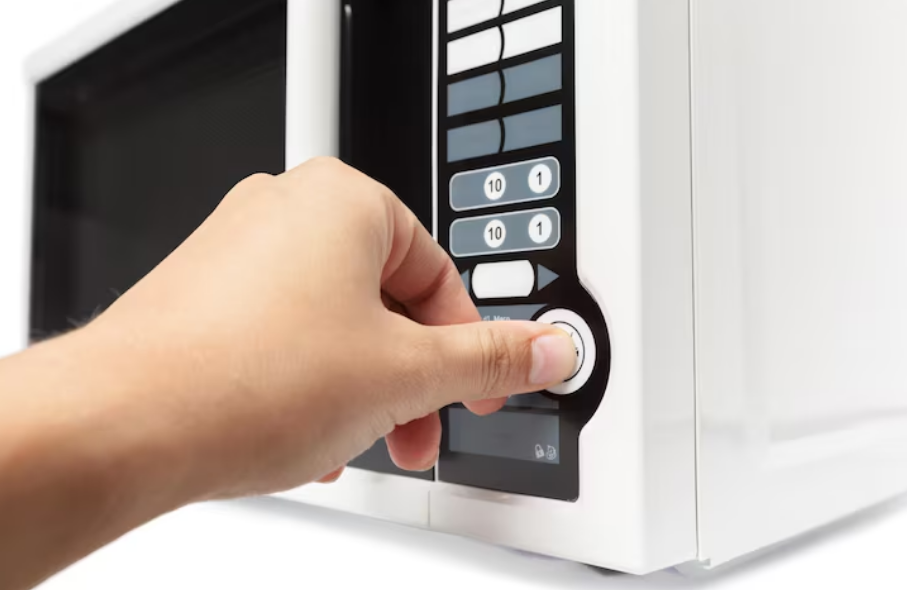
Microwaves need quick checks when sparks fly to keep them safe and working right. Figuring out why it’s sparking is key to fixing it fast. Often, the sparks come from damage inside the microwave, or because of how it’s used.
To find where sparks start, look for metal or foil inside. It’s also smart to check the waveguide cover for any harm. And don’t forget to see if there’s anything wrong with the magnetron or diode.
When your microwave acts up, it might mean something’s broken. Knowing what’s wrong helps make fixes easier. It lets users know what needs changing and how to do it without further damage.
If you need to change a fuse, making sure it fits your microwave is important. Knowing how to swap parts correctly can keep your microwave from getting damaged. Plus, taking care of your microwave regularly means less trouble down the road.
Ensuring your microwave lasts long is important for its performance and safety. Good maintenance is key to avoid problems like sparking. By keeping up with maintenance, you can reduce risks and improve how well your microwave works. Here are important tips for every microwave owner.
Checking your microwave often helps spot any wear and tear quickly. You should look for:
Cleaning your microwave often is crucial for its safety. A clean microwave runs better and has less chance of breaking down.
It’s important to make sure your microwave has enough air around it. Make sure there’s:
Good airflow stops it from getting too hot and prevents damage, which is better for your microwave’s care.
Using your microwave correctly can make it last longer. Be sure to:
By following these tips, you keep your microwave safe and working well. It helps avoid sparking and other issues.
Deciding when to replace your microwave isn’t always easy. It’s important to notice certain signs. You also need to think about repair costs compared to getting a new one. This helps make a better decision about your kitchen gear.
Think about repair costs versus buying new. Repairs add up, especially for old models with hard-to-find parts. Sometimes, a new model is a smarter choice for your money.
Energy use is key when picking a microwave. Old ones use more power, which means higher bills. Newer ones save energy, cutting costs and helping the planet. Upgrading can lower your energy use and save you money.
To keep your microwave safe, it’s key to stick to regular safety and upkeep routines. By using the advice from this article, you can cut down on the risk of microwave problems. Knowing safety rules and doing frequent checks helps make microwaves safer.
It’s vital to follow key safety tips, like not using metal in the microwave and fixing any sparks right away. Doing upkeep, such as cleaning the waveguide cover and checking for damage, helps stop many problems. Staying alert and fixing issues quickly can save money and trouble.
If you notice strange sounds or sparking, act fast. This could mean checking the microwave yourself or calling an expert. Solving issues quickly keeps you safe and helps your microwave last longer.
Keeping a microwave in good shape isn’t just about it working right; it’s also about safety. By following top tips and understanding how microwaves work, you can use yours with confidence. This reduces the chance of problems and makes your microwave more efficient.