Our Location
1250 Beacon Street
Brookline, MA 02446
Learn to manage Small Appliance Cords effectively: Know when to repair, replace, and avoid tripping hazards with our expert how-to guide.
This guide is all about keeping small appliance cords safe in homes and workplaces. We talk about cords for things like toasters, blenders, and hair dryers. You’ll learn when it’s okay to fix a cord and when you should really get a new one.
Cord safety is super important because broken cords can shock people, start fires, or break your appliances. The U.S. Consumer Product Safety Commission warns that damaged cords cause a lot of home electrical problems. It’s also important to keep cords tidy so no one trips over them, especially in busy places like kitchens.
We’ll show you how to spot cord issues, give you some repair tips, and tell you when to call in a pro. There’s advice on finding new cords, keeping cords organized, making eco-friendly choices, understanding warranties, and checking your cords regularly.
If you’re a homeowner, renter, or someone who manages a place and uses small devices, this guide is for you. It’s written in a way that’s easy to understand, focusing on safety first.
Small appliance cords are crucial for powering kitchen and home devices. They connect mixers, coffee makers, and personal electronics to electricity. The right cord choice can impact the device’s safety, efficiency, and longevity.
Some appliances, like blenders and toasters, have non-detachable cords. Others, such as certain microwaves and vacuum cleaners, use detachable power cords. These may have unique plugs or IEC-style connectors.
For temporary needs, people often use extension cords or power strips. However, they’re different from original appliance cords. Specialty cords might have two-prong or three-prong plugs. Some brands, like KitchenAid, use unique connectors.
Appliance cords may use solid or stranded copper. Stranded copper is flexible, suiting handheld devices. Solid copper is for less flexible needs.
Different materials protect these cords. PVC is common for many cords. Thermoplastic elastomers and rubber offer better flexibility and heat resistance. Some cords have a braided fabric cover, giving a unique look.
Strain relief and molded plugs help prevent cord damage. This design keeps the cords safer and longer-lasting.
The typical home voltage in the U.S. is 120 V. Small devices might need just 0.5 A, but larger kitchen appliances could need up to 12 A. Using the correct cord ensures the appliance operates safely.
Appliance nameplates show the required voltage and ampacity. Using this info makes sure the chosen cord is safe and effective. It helps meet performance standards.
Different appliances need different cords. Grounded cords are necessary for certain appliances. Double-insulated ones use a special symbol and don’t need grounding.
| Cord Type | Common Uses | Materials | Typical Amp Rating | Notes |
|---|---|---|---|---|
| Non-detachable molded | Toasters, blenders, irons | Stranded copper, PVC jacket | 5–12 A | Durable strain relief; replacement often a Small Appliance Parts service |
| Detachable IEC / appliance-specific | Coffee makers, some vacuums | Stranded copper, TPE or PVC jacket | 2–15 A | Easy replacement; check plug shape and ampacity |
| Extension cords / power strips | Temporary power for small devices | Stranded copper, heavy-duty PVC or rubber | Up to 15 A | Not all rated for Kitchen Appliance Cables use; match rating to load |
| Specialty / braided | Designer appliances, heat-prone equipment | Stranded copper, braided fabric or rubber jacket | 3–12 A | Offers heat resistance and style; ensure correct Cord for Small Electric Device specs |
Small appliance cords can stop working and become a hazard. It’s smart to check them regularly. If something seems off, don’t use the appliance until you’ve checked the cord and plug.
Frayed wires or exposed parts are bad signs. Cracked insulation and bent prongs mean wear. Small damages can lead to big problems when the cord moves or gets bent.
Cords that look squished or have burn marks have been stressed or overheated. It’s important to look where the cord enters the appliance. Damage there can lead to broken wires inside.
When power cuts in and out, or an appliance works only sometimes, it might be a wire issue. A plug that falls out easily also shows a problem.
If you have to hold the cord just right to make it work, the appliance needs fixing or a new cord. Using it without fixing can harm the appliance or other cords.
A burning smell or warmth from an appliance means trouble. Overheating, short circuits, or insulation problems could be happening. Turn it off and don’t use it again until it’s checked.
Noises like crackling or buzzing from the plug are serious. Report it, safely unplug, and have it checked before using any replacement parts.
| Sign | What to Look For | Suggested Action |
|---|---|---|
| Visible Damage | Frays, cuts, exposed wires, cracked insulation, bent prongs | Stop use; inspect cord; choose repair or Replacement Power Cords |
| Mechanical Wear | Loose plug, damaged strain relief, separation at plug head | Secure connections; replace cord or fit approved Small Appliance Accessories |
| Electrical Symptoms | Intermittent power, flicker, appliance needs specific plug position | Unplug; test with multimeter; repair or replace Electrical Appliance Cords |
| Thermal/Olfactory | Burning smell, hot spots, scorch marks | Unplug immediately; do not use until inspected by a technician |
| Audible Warnings | Crackling, buzzing, sparking sounds | Unplug and report hazard; seek professional service |
Deciding if you should fix a cord needs careful examination and safety first. Always unplug the appliance and straighten the cord first. Doing a thorough check will reveal any cuts, twists, or wear on the cord.
Start by examining the whole cord, from the plug to where it connects to the appliance. Bend the cord gently to spot hidden cracks or stiffness. Look at the plug for any bent pins, loose parts, or melted areas.
Check where the cord meets the appliance for breakage, which often happens due to pulling. If the outer covering is torn but the wires inside are okay, fixing it might be possible. If there’s damage to the plug or the spot where the cord attaches is loose but the inner wires are fine, you can usually repair it. But if you smell burning or see black marks, don’t try to fix it yourself.
Short-term fixes should only be used until you can make a permanent repair. Cover any damaged outer covering with special electrical tape or a sleeve for a while. But know that this tape won’t bring back the cord’s original strength.
For a lasting fix, you might need to replace the whole cord with one the company suggests or mend it correctly if the design permits. If you know what you’re doing, solder the wires, cover them properly, and ensure the cord is securely attached again. Always use parts recommended by the maker to avoid voiding the warranty.
However, some repairs must be done by the manufacturer or professionals, especially if the problem is inside the appliance. Always disconnect the power before trying any repairs yourself. If you’re not sure, better to call an expert.
People often have to decide whether to fix or replace a worn cable. Small appliance cords don’t all wear out at the same pace. How often you use them, heat, and bending can make them break faster. Devices used a lot in the kitchen or those you use all the time tend to break down quicker than something you rarely use, like a lamp or radio.
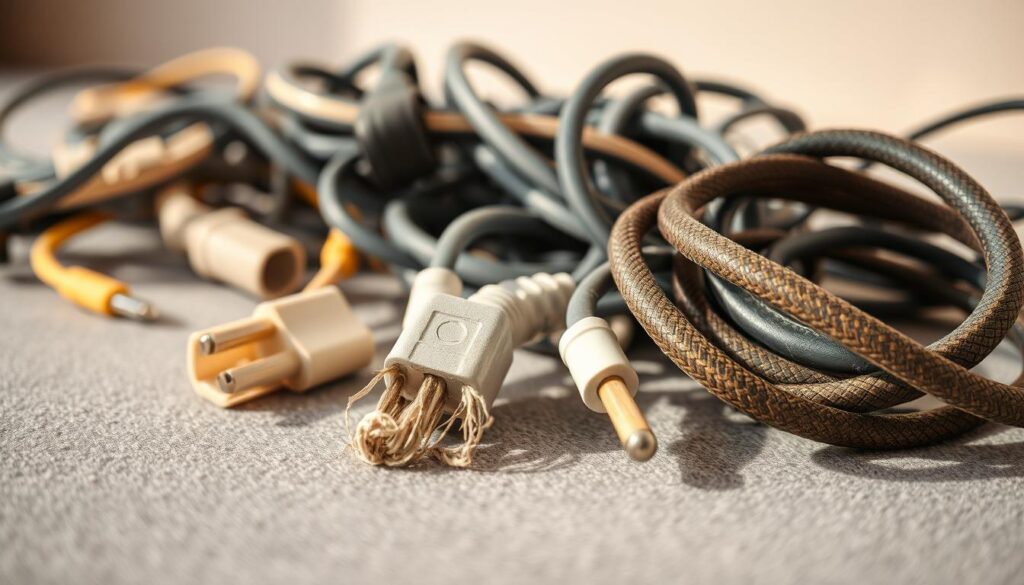
With careful handling and keeping them away from heat, cords can last years. Daily use items like microwaves, coffee makers, and stand mixers wear out faster than something like a toaster that you hardly use. The quality of the cord also matters. Stronger wires and sturdy plugs last longer. It’s good to check cords every few months for any wear like fraying, kinks, or changes in color.
Getting a new cord fixes worn-out insulation and keeps you safe from shocks and fires. A new cord can also fix hidden issues that simple repairs might miss. Using the right replacement cord keeps your warranty valid and your appliance running well. Choosing recommended accessories can also make your appliance more reliable.
Compared to getting a whole new appliance, a new power cord is usually not too expensive. Official manufacturer (OEM) cords match your appliance perfectly. While cheaper, aftermarket cords still need to meet safety standards like UL or ETL. Paying a pro for installation might cost more but is safer for cords that are hard to replace.
| Option | Typical Cost | When to Choose | Key Advantage |
|---|---|---|---|
| OEM Replacement Power Cords | $10–$40 | When exact fit and warranty retention are needed | Guaranteed compatibility and safety certification |
| Universal Power Cord for Kitchen Appliance | $8–$25 | When connector type and ratings match appliance | Flexible options and lower price |
| Aftermarket Small Appliance Accessories | $5–$20 | For low-cost, quick replacements with verified specs | Budget-friendly if safety standards are met |
| Professional Repair or Rewire | $50–$150 | Non-detachable cords or complex internal wiring | Expert installation and liability protection |
If cords are damaged, with bare wires or burnt plugs, replace them right away. Choosing to replace small appliance cords is usually the safest and most cost-effective choice. Always dispose of old cords at places that handle e-waste or recycling properly.
Keeping cords safe helps protect homes and kitchens. This guide talks about important standards, how to use cords right, and how to take care of them. It talks about what grounding is, why certification matters, and how to stay safe from shocks, fires, and tripping over cords.
Underwriters Laboratories (UL) and Intertek’s ETL mark check if cords can handle electricity safely and are insulated well. It’s important to follow the National Electrical Code (NEC) to make sure your home’s wiring and how you use cords are safe for your appliances. Using cords that are certified makes them less likely to fail when used with appliances that use a lot of power.
Appliances with a certification mark have been tested and are safe for heat and have good grounding. Look for the UL or ETL mark on replacement cords and on appliance power cords before buying them.
Grounding is crucial if an appliance has metal parts that can be touched. The third prong on a plug directs any extra current away, which reduces the chance of getting shocked. Appliances that are double-insulated are designed to be safe even without a ground and have a two-prong cord.
Make sure you use the right type of cord if you need to replace one. Using the wrong cord can remove important safety features and be dangerous. Always get cords and parts that fit right and are certified.
Don’t put cords under carpets or across places where people walk. Keep them away from water and hot things. Pull plugs out by the plug, not the cord, to keep them working well. Make sure plugs go all the way into outlets and don’t put too many things in one outlet or use a power strip for big appliances.
Wind cords loosely to store them and avoid bending them too much, which can hurt the cord. Check often for any damage and get a new cord if you see any wear. Keep cords where pets can’t get to them. Use covers for outlets and cord shorteners to keep kids and pets safe.
If a cord causes problems like sparking, smoking, or tripping the breaker a lot, unplug it and don’t use the appliance. If the breaker won’t reset or if there is smoke, leave the area and call for help. For less urgent problems, a professional can check the appliance and cord to see if they can be fixed safely.
| Topic | Recommended Action | Why It Matters |
|---|---|---|
| Certification (UL / ETL) | Choose certified replacement cords | Ensures testing for current, insulation, and heat resistance |
| Grounding vs. Double-Insulation | Match cord type to appliance class | Maintains required safety protection |
| Placement | Avoid rugs, doorways, heat, and water | Prevents wear, overheating, and trip hazards |
| Storage | Coil loosely; avoid tight bends | Prolongs life of Electrical Appliance Cords and Small Appliance Cords |
| Child and Pet Safety | Use covers and shorteners; secure loose cords | Reduces chewing and accidental contact |
| Emergency Signs | Unplug, stop use, call electrician or emergency services | Prevents fire and injury from malfunctioning cords |
Make sure floors and counters are not cluttered. This prevents falls and keeps devices safe. Managing cords better can reduce mess and help Small Appliance Cords last longer. It also makes kitchens and living areas safer. Being careful can prevent trips and stop Power Cords for Kitchen Appliances from getting damaged.
Keep cords along walls and behind furniture so they’re not in the way. Stick cords down with cable clips and use Velcro to keep them organized.
If cords are too long, wrap the extra length. Or tuck it away in the appliance itself. Consider using cable sleeves for keeping several cords tidy.
Use thin cord covers on floors where wires need to cross. Pick covers that are okay for people to walk on and meet safety standards in public places.
In door areas, put down ramps that let cords cross without tripping people. Be careful not to cover cords that need to stay cool, like those for Kitchen Appliances.
Put appliances close to plugs to avoid long cords. Think about outlets that hide under cabinets or ones that pop up to keep counters clean. This also means you don’t need long cords.
When designing kitchens, add extra outlets. Or ask an electrician for help with special plugs for the island. This keeps you from needing to stretch cords across the room.
| Prevention Step | Recommended Item | Best Use |
|---|---|---|
| Route along walls | Adhesive cable clips | Keep Small Appliance Cords out of pathways |
| Bundle excess length | Velcro ties, cord winders | Store extra cable behind appliances |
| Floor crossings | Low-profile cord covers | Protect Power Cord for Kitchen Appliance at doorways |
| Temporary events | Gaffer’s tape | Short-term taping of cords; remove after use |
| Permanent solution | Additional outlets or in-wall wiring | Eliminate long runs for Cord for Small Electric Device |
| Kitchen safety | Under-cabinet outlets, pop-up outlets | Keep cords away from sink and stove edges |
Fixing small appliances yourself can make them last longer. This guide will show you the tools you need and give you step-by-step instructions. Make sure to get Replacement Power Cords and Small Appliance Parts that are the right match for your appliance.
Start by gathering tools like insulated screwdrivers, wire strippers, a multimeter, and heat-shrink tubing. You might also need crimp connectors and a soldering iron. It’s important to use parts and tools that meet safety standards, including UL-listed replacement plugs and cords. Don’t forget about personal safety gear like insulated gloves and safety glasses.
First, unplug the appliance and make sure you’re working in a safe area. Always check the appliance with a multimeter to ensure there’s no electricity before you start working on it.
It’s vital to never work on appliances that are plugged in. Stay away from appliances with sealed parts or high voltage unless you’re a pro. Always use Replacement Power Cords and Small Appliance Parts that are adequately rated and certified for safety.
If you’re unsure about any wiring or connections, it’s better to check the manual or call an expert. Be aware that DIY repairs might affect your warranty. If you notice significant damage or dangerous conditions, stop and seek professional help.
When a small appliance has internal damage or the cord is burned, calling a professional is the safest step. Certified technicians can find hidden faults that quick fixes might miss. They have access to official parts and power cords that fit the manufacturer’s specifications.
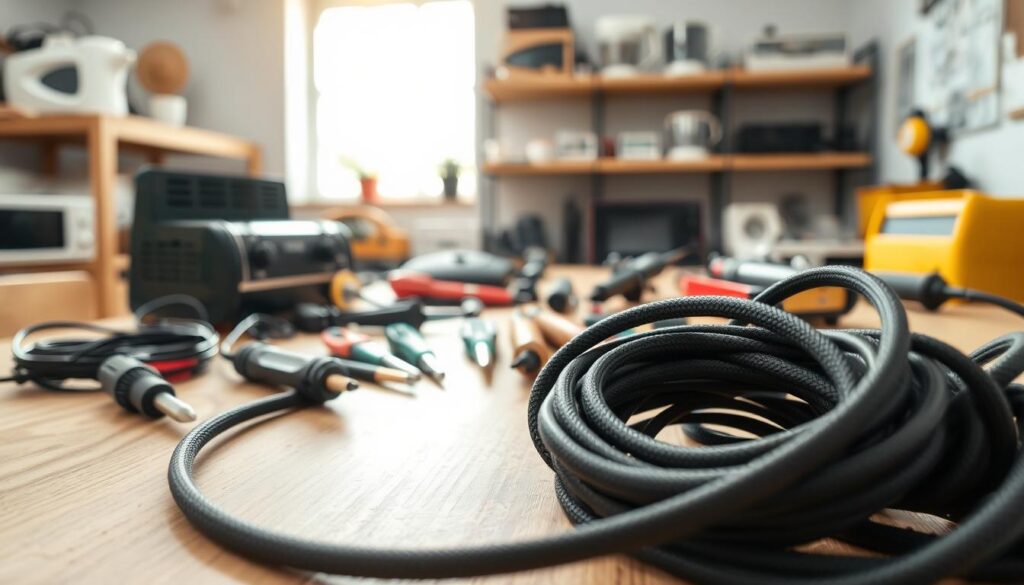
If an appliance like a countertop oven or a heavy-duty blender draws too much power, get help. Don’t try to fix it yourself if parts are melted, wiring has failed, or the cord can’t be easily accessed. For warranty issues or complex problems, certified service is needed to keep your warranty good.
Professionals do safety checks and give advice on the best fix. They tell you if it’s better to replace the appliance or just parts of it.
Look for service centers approved by brands like KitchenAid and Breville. Good independent shops and licensed electricians are also options. Make sure they know about your appliance’s brand and wiring needs.
A tech will consider the costs of repair versus replacement and give you clear advice. Always ask for a written quote and warranty details. This helps avoid any surprises and ensures your appliance’s repair lasts longer.
Checking cords and plugs can keep your kitchen safe and make sure appliances work well. By inspecting regularly, you can find problems early, before they get worse. This reduces the risk of fires and shocks. It also makes appliances last longer and avoids issues from loose wires. Both small and large appliances need this kind of attention.
Start checking before times of heavy use, like before the holidays. Also, check every month for items you use daily. Inspect again if there’s a spill, or if something feels wrong electrically. For those renting out spaces, keeping a log of these inspections can help with upkeep and making claims on warranties.
It’s smart to check appliances when you’re already cleaning the kitchen. Make sure to look at all appliance cords and accessories. If cords are over five to ten years old, think about replacing them. This is especially true if they’re used near heat or are heavily used.
Watch out for visible damage like cuts or burns. Touch the cords to check if they feel too hard or soft. Make sure plugs are not loose and that there are no exposed wires.
Listen for any strange sounds when devices are on. Test all switches to see if they work right. Use a working outlet or a tester to make sure kitchen outlets are safe and correct.
Look for damage from pests, such as bite marks. Also, keep an eye out for tripping dangers from cords on the floor. Keep a log with the date, any problems found, and what you did about them. This record is helpful for dealing with warranties and managing a property.
Choosing greener Small Appliance Cords helps cut waste and supports longer appliance life. A repair-first approach keeps functioning parts in use and reduces the need for Replacement Power Cords. When replacement is necessary, selecting materials that last and can be recycled matters.
Look for cords with recyclable copper conductors and PVC-free insulation like TPE, silicone, or thermoplastic rubber. These materials reduce toxic output and make recycling easier. Braided fabric jackets resist wear and extend service life, cutting down on waste.
Repairing worn plugs or replacing only the damaged section keeps usable components in circulation. Remanufactured OEM cords and refurbished appliances reduce e-waste and often meet safety standards.
Buy from manufacturers and retailers that disclose material sourcing and offer recycling or take-back programs. Companies that sell durable Small Appliance Accessories and spare OEM cords support repairability. Call2Recycle and local e-waste programs accept cords and small electronics for responsible disposal.
When shopping, prefer items with UL or ETL certification and clear repair policies. Choosing reputable suppliers helps ensure Replacement Power Cords and Small Appliance Cord Options are durable, safe, and easier to recycle.
| Feature | Eco Benefit | What to Look For |
|---|---|---|
| Recyclable copper conductors | Lower material waste, easier recovery | Copper core listed in specs, recyclable labeling |
| PVC-free insulation (TPE, silicone) | Fewer toxic additives, safer recycling | Material callout in product details |
| Braided fabric jackets | Longer service life, less frequent replacement | Durability ratings, abrasion resistance noted |
| Remanufactured OEM cords | Reduces new production, supports circular use | OEM part numbers, warranty on remanufactured parts |
| Retailer take-back programs | Proper recycling, prevents landfill disposal | Local program details, drop-off locations |
The warranty world for small appliances can be tricky. Many brands offer limited warranties, typically for a year, that cover material and workmanship flaws. However, they don’t cover damage from misuse or accidents. It’s smart to register your new appliance with companies like KitchenAid, Cuisinart, or Breville. This makes claiming faster and support more accessible.
Warranties spell out what’s covered and what’s not. For instance, if a motor breaks due to a defect, the manufacturer usually fixes it for free. But, if a damaged plug caused the problem, you might not get help. Keeping receipts, serial numbers, and dated pictures is vital for successful claims.
Extended warranties alter the deal. Stores like Best Buy and Home Depot sell plans that cover accidental damage. Amazon provides different protection options through marketplace sellers and third parties. Always read the specifics to see if cords or parts are covered.
Manufacturers fix original defects. They often provide OEM Replacement Power Cords or authorize repairs at specific centers. Sticking to OEM parts ensures everything works right and stays safe. Repairs with off-brand parts or unauthorized services can cancel warranties.
Retailers manage returns and extra protection. Their return policies allow swap or money back for bad items. Their protection plans often include accidents, drops, and spills. But, it’s key to check if a Power Cord for Kitchen Appliance is excluded from the plan.
| Provider | Typical Coverage | Common Exclusions | Best Practice |
|---|---|---|---|
| Manufacturer (e.g., KitchenAid) | Defects in materials/workmanship; possible OEM part replacement | Wear-and-tear, misuse, non-authorized repairs | Register product; keep serial number and proof of purchase |
| Retailer (e.g., Best Buy, Home Depot) | Return windows; optional protection plans with accidental coverage | Plans vary; some exclude cords and consumable parts | Read plan terms; keep receipts and plan documentation |
| Third-party Repair/Parts Supplier | After-warranty fixes; access to Replacement Power Cords and Small Appliance Parts | May not honor original warranty; quality varies by supplier | Choose authorized parts suppliers; request warranty on repairs |
| Consumer Protection Agencies | Help with disputes and deceptive practices | Do not provide repairs or parts | Contact FTC or state agency if warranty claim is denied unfairly |
When a warranty ends, you have options like manufacturer repair centers, approved providers, and local shops for Replacement Power Cords. Using OEM parts is safer when getting a new Power Cord for Kitchen Appliance.
Always document your claim process. Keep email records, RMA numbers, and mailing proofs. This documentation helps with disputes and proves you’re covered for cords or parts.
Checking cords and connectors regularly improves kitchen safety. They should examine Small Appliance Cords often. Quick action is needed if they find fraying, heat marks, or unstable power.
When wires are showing or there are burn marks, choose to replace the cord. It’s safer than trying to fix it.
Always choose manufacturer-approved parts or a licensed electrician for serious issues. Make sure grounding is correct and don’t overload plugs or extension cords with big appliances. Cover cords, keep them out of walkways, and place devices near plugs to avoid trips.
Recycle old cords the right way and pick eco-friendly options for Small Appliance Cord replacements.
Regular checks and replacing Electrical Appliance Cords and accessories can make appliances last longer and reduce risks. They should get into the habit of a quick check-up and have a small repair kit ready for easy fixes.
If unsure, it’s best to reach out to authorized service centers or a licensed electrician. This keeps both property and people safe.