Our Location
1250 Beacon Street
Brookline, MA 02446
Teach kids appliance safety at home with practical tips to prevent accidents. Learn essential strategies to keep children safe around household appliances.
Every year, over 3,000 children are treated in emergency rooms for appliance-related injuries in the United States. Teaching children appliance safety is not just a recommendation—it’s a critical responsibility for parents seeking to protect their families.
Home safety education begins with understanding the potential risks lurking in everyday household devices. From kitchen gadgets to laundry machines, children encounter numerous appliances that can pose unexpected dangers if not properly managed.
Parents play a crucial role in creating a safe home environment. By implementing strategic teaching methods and establishing clear safety guidelines, families can significantly reduce the risk of accidents. This comprehensive guide will walk you through essential strategies for teaching children about appliance safety at different developmental stages.
Our approach focuses on age-appropriate lessons that transform potential hazards into valuable learning opportunities. Understanding that each child develops differently, we’ll provide tailored techniques to help kids recognize, respect, and safely interact with household appliances.
The goal of home safety education is not to instill fear but to empower children with knowledge and awareness. Through consistent communication and hands-on training, families can create a protective environment that nurtures both safety and independence.
Child safety around appliances is a critical concern for parents across the United States. Young children are naturally curious and often unaware of potential dangers lurking in everyday household environments. Understanding appliance injury prevention can literally save lives and protect children from serious harm.
Children’s developmental stages make them particularly vulnerable to appliance-related accidents. Their limited understanding of risk and tendency to explore can lead to dangerous interactions with household devices. Research shows that thousands of children are injured annually due to preventable appliance-related incidents.
Proactive safety education offers multiple benefits beyond immediate protection. Teaching children about appliance safety empowers them to make responsible choices. By learning early about potential hazards, children develop critical risk assessment skills that protect them throughout their lives.
“Knowledge is the best protection against household accidents” – Child Safety Experts
Parents play a crucial role in creating a culture of safety. Simple educational strategies can dramatically reduce the likelihood of appliance-related injuries. This includes demonstrating proper usage, establishing clear boundaries, and explaining potential risks in age-appropriate ways.
Appliance injury prevention is not about instilling fear but building awareness. By integrating safety education into daily routines, families can create protective environments that allow children to explore safely and confidently.
Age-appropriate safety training is crucial for helping children develop safe appliance practices for families. Every child learns and understands risk differently, making customized safety education essential for preventing household accidents.
Children’s ability to comprehend and manage appliance safety varies significantly with their developmental stage. Parents must adapt their teaching strategies to match each child’s cognitive and physical capabilities.
For young children aged 1-5, safety education focuses on establishing clear boundaries and basic understanding of dangerous objects.
Children between 6-11 can start learning more complex safety concepts through supervised interaction and explanation of cause-and-effect relationships.
Teenagers require comprehensive training that emphasizes decision-making skills and understanding long-term consequences of unsafe behavior.
Remember, progression through these stages should be individualized based on maturity and demonstrated understanding, not strictly by age.
Protecting children from household appliance dangers requires a comprehensive understanding of potential risks throughout the home. Appliance safety for children involves more than just supervision – it demands a strategic approach to identifying and mitigating potential hazards in every room.
Different types of appliances present unique challenges for child safety. Families must recognize the specific risks associated with various household devices to create an effective prevention strategy.
Children are naturally curious and may not understand the dangers hidden in everyday household appliances. Thermal burns, electrical shock, and mechanical injuries represent the most common risks that parents must address proactively.
Parents can implement multiple layers of protection to ensure appliance safety for children:
Understanding the unique vulnerabilities of children at different developmental stages is crucial for creating an effective safety strategy. What might seem like a simple household device can quickly become a potential hazard for an inquisitive child.
Prevention and education are the most powerful tools in protecting children from household appliance dangers.
Kitchen safety is crucial for protecting children from potential accidents. Kids and kitchen safety require careful attention and proactive teaching strategies to prevent burns and other injuries at home.
Parents play a critical role in creating a safe kitchen environment. Understanding potential hazards helps develop effective prevention strategies that keep children protected while allowing them to learn essential life skills.
Burn prevention at home starts with establishing clear boundaries around cooking areas. Implement these key safety guidelines:
Microwave safety requires specific age-appropriate instructions:
| Appliance | Safety Recommendation |
|---|---|
| Toaster | Never insert metal objects |
| Electric Kettle | Adult supervision required |
| Blender | Keep hands away from blades |
“Teaching kitchen safety is about creating awareness, not instilling fear.” – Child Safety Expert
Remember, consistent education and supervision are key to preventing kitchen-related injuries in children.
Laundry rooms present unique household appliance dangers that parents must address to ensure child-safe appliance use. Young children are naturally curious and can find multiple ways to interact with potentially risky equipment.
Critical safety measures for protecting children in the laundry area include:
Detergent pods pose a significant risk to children. These colorful packets can look like candy to young kids, creating potential poisoning hazards. Always store these products in child-resistant containers and explain the dangers of touching or consuming them.
For families with older children learning laundry skills, create a step-by-step safety training approach:
Electrical safety remains crucial in laundry areas. Avoid overloading outlets and ensure all electrical connections are secure. Teach children to recognize potential electrical hazards and maintain a safe distance from electrical components.
Safety begins with education and consistent communication about household appliance risks.
Home temperature regulation systems can pose significant risks to children if not approached with careful electrical safety for children strategies. Understanding how to prevent appliance accidents is crucial for protecting young family members from potential hazards associated with heating and cooling equipment.
Temperature control appliances require special attention to ensure child safety. Parents and guardians must educate children about the potential dangers of heating and cooling systems.
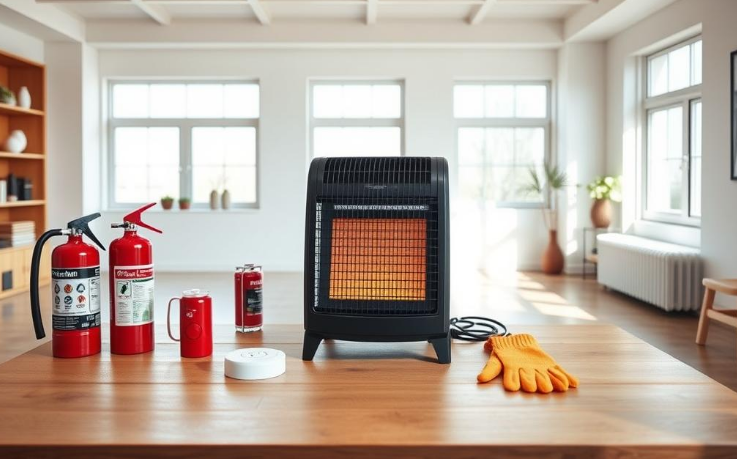
Space heaters demand strict safety protocols to prevent appliance accidents. Children should learn essential rules:
Electrical safety for children involves understanding the risks associated with cooling systems:
Remember: Adult supervision is key to preventing appliance-related injuries in the home.
By implementing these safety guidelines, families can create a secure environment that protects children from potential heating and cooling system dangers.
Bathrooms present unique challenges for home appliance safety. The combination of water and electricity creates potential risks that demand careful attention. Home appliance safety tips become crucial when protecting families from electrical hazards in this vulnerable space.
Personal care devices like hair dryers, flat irons, and electric razors require special precautions. Safe appliance practices for families start with understanding fundamental electrical safety principles.
Children need clear guidance about bathroom electrical safety. Supervision is critical when introducing personal care appliances. Parents should demonstrate proper handling and explain potential dangers.
Ground Fault Circuit Interrupter (GFCI) outlets provide an essential safety feature. Teaching older children to recognize and respect these protective mechanisms can prevent potential electrical accidents.
Ventilation is another critical safety consideration. Bathroom fans should remain unobstructed, and children must understand the importance of reporting unusual sounds or electrical issues to adults.
Remember: Water and electricity never mix safely!
By implementing comprehensive safety education, families can transform bathroom spaces into secure environments where personal care routines can be practiced responsibly.
Visual communication plays a crucial role in teaching children about appliance safety. By creating engaging and clear safety reminders, parents can effectively communicate important child safety around appliances rules to kids of all ages.
Effective visual strategies help children understand and remember appliance safety rules for kids. These methods transform complex safety instructions into easy-to-understand formats that capture children’s attention and reinforce important messages.
Visual aids can transform safety education into an interactive learning experience. Consider these approaches:
Consistent family safety practices reinforce appliance safety rules and create a protective environment. Develop a comprehensive safety approach that involves every family member.
| Safety Protocol | Implementation Strategy |
|---|---|
| Weekly Safety Walkthrough | Inspect home for potential appliance hazards |
| Family Safety Meetings | Discuss and update safety rules quarterly |
| Emergency Response Practice | Conduct monthly safety drills with children |
Remember, children learn best through consistent guidance and positive reinforcement. By making safety education visual, engaging, and collaborative, families can create a culture of awareness and protection around home appliances.
Teaching children appliance safety requires more than just lecturing. Effective age-appropriate safety training involves interactive and engaging approaches that help kids truly understand potential risks and proper usage.
Parents can implement several practical strategies to make safety lessons memorable and impactful:
The show, tell, practice, review method works exceptionally well for teaching children appliance safety. This approach breaks down complex safety instructions into digestible steps that children can easily comprehend.
| Age Group | Training Approach | Supervision Level |
|---|---|---|
| Toddlers (2-4) | Basic observation and strict boundaries | Constant direct supervision |
| Elementary (5-10) | Guided hands-on learning | Close parental guidance |
| Teenagers (11-17) | Progressive independence | Periodic check-ins |
Transforming safety lessons into engaging activities helps children internalize critical information. Using visual aids, storytelling, and interactive demonstrations makes learning about appliance safety both fun and educational.
Safety is not about fear, but about empowerment and understanding.
Consistency is key in age-appropriate safety training. Regular practice, positive reinforcement, and patience will help children develop responsible habits around home appliances.
Appliance injury prevention is crucial for keeping children safe in the home environment. Understanding potential risks and implementing proactive safety measures can significantly reduce the likelihood of accidents involving household appliances.
Children are naturally curious and may not recognize the dangers lurking around everyday household devices. Burn prevention at home requires a comprehensive approach that combines education, supervision, and practical safety strategies.
Thermal burns represent a significant risk for children interacting with household appliances. Key prevention strategies include:
Electrical hazards pose another critical safety concern for children. Parents should focus on:
Protecting children from appliance-related injuries requires ongoing education, consistent supervision, and creating a safety-conscious home environment. By implementing these preventive measures, families can significantly reduce the risk of accidents and ensure children’s well-being.
Protecting children from potential appliance hazards requires strategic childproofing techniques. Electrical safety for children starts with creating physical barriers that prevent accidental interactions with dangerous household devices.
Key childproofing appliances strategies include:
Modern safety technology offers advanced electrical safety for children through smart home solutions. Many contemporary appliances now feature:
Critical safety recommendations include selecting appliances with built-in safety certifications and regularly inspecting childproofing devices.
Parents should remember that childproofing is an evolving process. Safety measures must adapt as children grow and develop new skills. Supervision remains the most crucial element in preventing potential accidents.
Effective childproofing combines physical barriers, technological solutions, and ongoing education.
Home safety education represents a critical investment in protecting children from potential appliance-related accidents. Parents play a pivotal role in preventing appliance accidents by implementing comprehensive safety strategies that adapt to their children’s developmental stages. By creating a structured approach to teaching appliance awareness, families can significantly reduce risks within their living spaces.
The journey of home safety education is not a one-time event but an ongoing process. Each stage of childhood requires different safety approaches, from teaching toddlers basic awareness to helping teenagers understand complex appliance interactions. Visual reminders, hands-on training, and consistent communication serve as powerful tools in building a culture of safety that protects children and empowers them with critical life skills.
Successful appliance safety begins with understanding potential hazards and methodically introducing age-appropriate lessons. Parents should start by identifying the most frequent interaction points between children and household appliances, then develop targeted educational strategies. Gradual implementation allows families to build confidence and competence in managing home safety without feeling overwhelmed.
Ultimately, preventing appliance accidents requires patience, persistence, and proactive education. By prioritizing safety discussions, establishing clear protocols, and maintaining open communication, parents can create a secure environment that supports children’s growth and independence. Remember that every safety lesson learned reduces potential risks and builds lifelong habits of responsible appliance use.