Our Location
1250 Beacon Street
Brookline, MA 02446
Learn essential refrigerator power outage tips to keep food safe during blackouts. Prepare your fridge with smart strategies to minimize spoilage and waste.
Did you know that 82% of Americans experience unexpected power outages each year, potentially risking hundreds of dollars in food spoilage? Power interruptions can strike without warning, transforming your refrigerator into a potential food safety hazard within hours.
Protecting your refrigerator during power outages requires strategic planning and knowledge. These refrigerator power outage tips will help you safeguard your perishable foods, minimize financial losses, and ensure your family’s nutritional safety during unexpected blackouts.
Power disruptions can happen due to severe weather, electrical grid challenges, or infrastructure problems. By understanding critical preparation strategies, you can transform potential food emergencies into manageable situations. This guide will walk you through comprehensive steps to protect your refrigerated items before, during, and after power interruptions.
Proactive preparation is your best defense against food spoilage. With the right techniques and knowledge, you can significantly reduce the risk of losing valuable groceries and protect your household’s food supply during unexpected power outages.
Food safety during power loss is a critical concern for households facing unexpected electrical interruptions. When power goes out, your refrigerator becomes a ticking time bomb for potential food spoilage and waste. Understanding refrigerator power outage prevention can save you money and protect your family from potential health risks.
Electrical disruptions create a dangerous environment for perishable foods. Bacteria multiply rapidly when temperatures rise, transforming your refrigerator into a breeding ground for potential illness. The critical temperature danger zone sits between 40°F and 140°F, where microorganisms can double in number every 20 minutes.
During a power outage, preservation times vary based on refrigerator contents and preparation. A closed refrigerator typically maintains safe temperatures for approximately 4 hours. Freezers offer longer protection: a full freezer preserves food for up to 48 hours, while a half-full freezer maintains safety for about 24 hours.
Maintaining proper temperatures is crucial for food safety during power loss. Experts recommend keeping refrigerators at or below 40°F and freezers at 0°F. These temperatures slow bacterial growth and extend food preservation during unexpected electrical interruptions.
Preparing your refrigerator for potential power loss requires strategic planning. Refrigerator power loss precautions are crucial to protecting your food and minimizing waste during unexpected electrical interruptions. Proactive measures can significantly extend your food’s safe storage time and reduce potential health risks.
A counterintuitive yet effective refrigerator power loss precaution is maintaining a full refrigerator. Cold items act as thermal mass, helping to maintain low temperatures during an outage. When space is limited, consider these strategies:
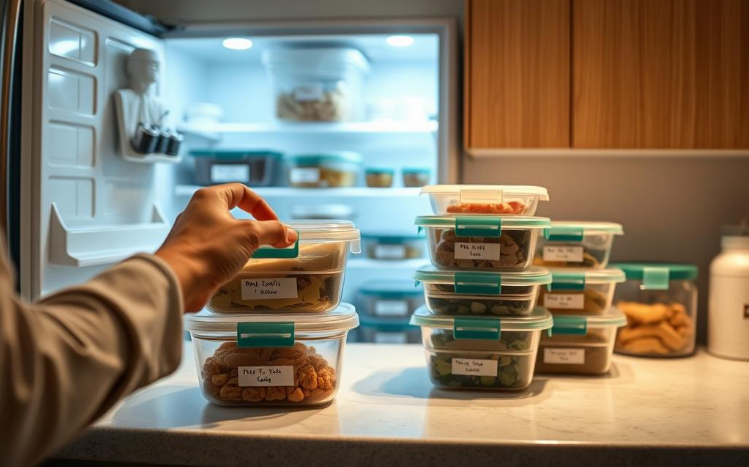
Proper food sealing becomes critical during potential power interruptions. Airtight containers prevent moisture loss and cross-contamination. Refrigerator power loss precautions include:
Refrigerator door seals play a vital role in maintaining internal temperature. Conduct a simple test by placing a dollar bill between the seal and refrigerator. If it slides out easily, your seal might need replacement. Tight seals prevent cold air escape during power outages.
Protecting your food during a power outage requires strategic planning and smart storage techniques. Understanding how to keep food safe during a power outage can save you money and prevent potential health risks.
Not all foods react the same way during temperature fluctuations. When learning how to keep food safe during a power outage, it’s crucial to categorize your food items:
Different foods require different storage approaches during potential power disruptions:
| Storage Type | Recommended Foods | Preservation Time |
|---|---|---|
| Short-term Storage | Fresh meats, prepared meals | 4-6 hours |
| Long-term Storage | Frozen meats, prepared freezer meals | 48-72 hours |
Maximize your refrigerator’s cold retention with strategic cooling techniques:
Implementing these food storage best practices will help protect your food inventory during unexpected power interruptions.
Maintaining refrigerator temperature during an outage is crucial for preserving food safety and preventing potential health risks. Understanding how to track and manage your appliance’s internal environment can make a significant difference in protecting your family’s food supply during unexpected power disruptions.
Proper temperature control is the first line of defense in food preservation. Your refrigerator should consistently maintain a temperature of 40°F or below to slow bacterial growth. The freezer should remain at 0°F or below to keep food completely safe.
Accurate temperature monitoring requires reliable tools. Choose a thermometer that can function during power outages, such as:
Create a simple tracking system to monitor maintaining refrigerator temperature during an outage:
| Time | Refrigerator Temp | Freezer Temp | Action Needed |
|---|---|---|---|
| Pre-Outage | 38°F | -2°F | Baseline |
| 1 Hour In | 42°F | 5°F | Monitor Closely |
| 4 Hours In | 45°F | 15°F | Consider Food Safety |
By implementing these temperature monitoring techniques, you can make informed decisions about food safety during unexpected power interruptions.
When facing potential power disruptions, implementing comprehensive emergency refrigerator solutions requires strategic home preparation. Protecting your refrigerator and food supply demands a multi-faceted approach that goes beyond the appliance itself.
Effective home preparation during potential power outages involves several critical strategies to maintain your emergency refrigerator solutions:
Selecting the right generator can be a game-changer for refrigerator preservation. Consider these key factors when choosing a backup power source:
Maintaining home temperature is crucial for emergency refrigerator solutions. Implement these insulation methods:
Smart power management can extend your refrigerator’s survival during outages:
Proactive planning transforms potential disaster into manageable inconvenience, ensuring your emergency refrigerator solutions remain effective during unexpected power disruptions.
Preparing for extended power outages requires strategic planning to protect your refrigerator contents and ensure family safety. Effective extended power outage refrigerator tips can make a significant difference during unexpected emergencies.
When facing potential long-term power disruptions, families must develop a comprehensive strategy. Critical extended power outage refrigerator tips include:
Successful emergency preparedness depends on clear family communication. Establish a detailed plan that covers:
Local communities offer valuable support during extended power outages. Explore these critical resources:
| Resource Type | Purpose | Contact Method |
|---|---|---|
| Emergency Cooling Centers | Provide refrigeration | Local Emergency Management |
| Food Banks | Replace lost perishables | City Community Services |
| Municipal Updates | Power restoration information | City Website/Emergency Hotline |
Preparedness transforms potential crisis into manageable challenges. By developing a comprehensive emergency plan, families can protect their food, health, and peace of mind during unexpected power interruptions.
When power outages strike, emergency refrigerator solutions become critical for preserving food safety. Coolers offer a reliable backup for keeping perishables cold and preventing food spoilage during unexpected electricity disruptions.
Choosing an effective cooler involves careful consideration of several key factors:
Invest in a high-quality cooler that can maintain low temperatures for extended periods. Professional-grade coolers can keep food safe for up to 3-5 days during power outages.
| Cooling Method | Duration | Effectiveness |
|---|---|---|
| Block Ice | 24-36 hours | Slow melting, consistent cooling |
| Frozen Water Bottles | 8-12 hours | Reusable, provides drinking water |
| Dry Ice | 48-72 hours | Extreme cold, best for frozen items |
Pro tip: Handle dry ice with extreme caution and always use protective gloves.
Maximize your emergency refrigerator solutions with these practical strategies:
Proper cooler management can significantly extend food preservation during unexpected power interruptions, protecting your family’s food supply and safety.
Power outages can quickly transform your refrigerator from a food preservation sanctuary to a potential health risk. Understanding refrigerator power outage tips becomes crucial in protecting your family’s food supply and preventing foodborne illnesses.
When electricity fails, your immediate actions can significantly impact food safety and preservation. The key to managing a refrigerator during a power outage is strategic planning and minimal interference.
Implementing critical refrigerator power outage tips starts with one fundamental rule: keep the refrigerator doors closed. Each time you open the door, cold air escapes, reducing your food’s safe storage time.
Minimize refrigerator door openings by creating a strategic approach to food access during power disruptions.
Understanding which foods to keep or discard during a power outage requires careful evaluation. Follow the “when in doubt, throw it out” principle to ensure food safety.
By implementing these refrigerator power outage tips, you can protect your family’s health and minimize food waste during unexpected electricity interruptions.
After a power loss, determining the safety of your refrigerated food becomes crucial. Food safety during power loss requires careful assessment to protect your family from potential foodborne illnesses. The critical window for evaluating your refrigerated items begins immediately after power is restored.
Food safety during power loss depends on several key factors. Inspect your refrigerator’s temperature first:
| Food Type | Safe Duration | Safety Status |
|---|---|---|
| Milk | 4 hours | Discard if above 40°F |
| Meat | 2 hours | Discard if warm |
| Eggs | 2 hours | Check for cracks |
Watch for these critical spoilage indicators:
“When in doubt, throw it out” – Food Safety Experts
Proper food disposal is essential after a power loss. Contact local waste management for guidance on safe disposal methods. Some communities offer special disposal services during emergencies.
Proper refrigerator maintenance plays a crucial role in refrigerator power outage prevention. A well-maintained appliance can significantly improve your ability to preserve food during unexpected power disruptions.
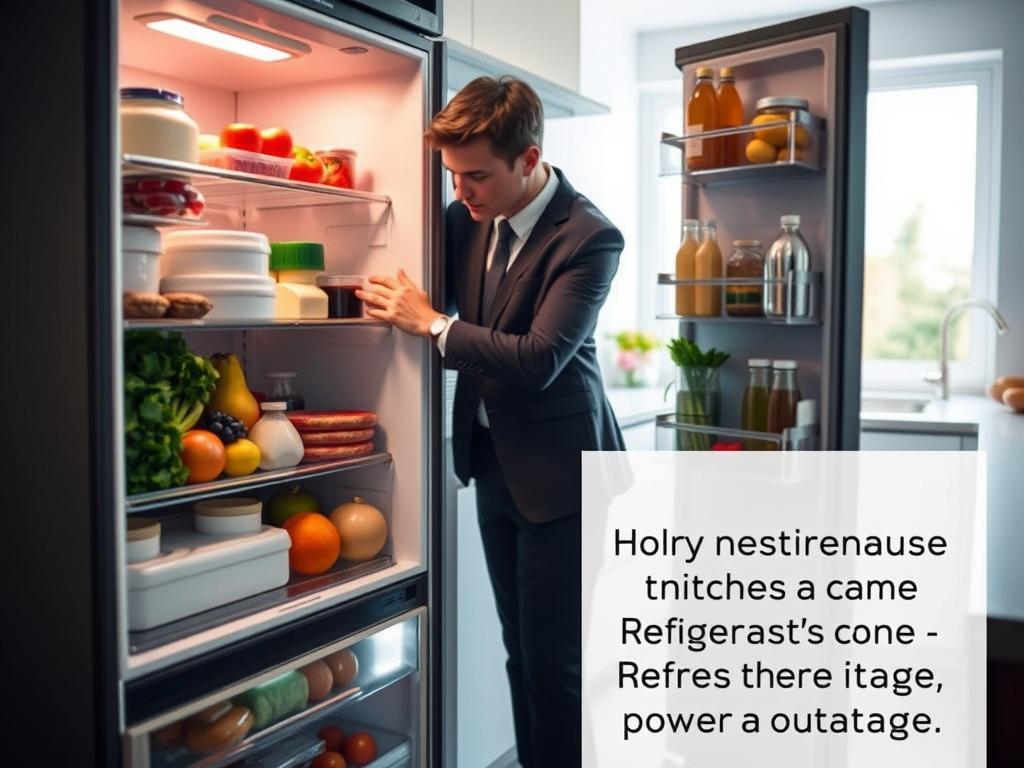
Keeping your refrigerator in top condition requires consistent attention. Critical maintenance tasks include:
Effective organization supports refrigerator power outage prevention by maximizing efficiency and reducing energy consumption.
Energy efficiency directly impacts your refrigerator’s performance during power outages. Smart practices can help preserve food longer when electricity is interrupted:
Implementing these maintenance techniques will enhance your refrigerator’s reliability and improve your overall power outage preparedness.
Protecting your food during power outages requires strategic planning and proactive measures. Refrigerator power outage tips are essential for every household to minimize food waste and ensure family safety. By understanding temperature management, storage techniques, and emergency protocols, you can transform a potential crisis into a manageable situation.
Preparedness is not a one-time event but an ongoing commitment to food security. Regularly review your emergency supplies, update your cooling strategies, and familiarize yourself with local utility resources. Investing time in developing robust refrigerator power outage tips can save you significant stress and potential financial loss during unexpected electrical disruptions.
Emergency readiness extends beyond personal preparation. Connect with local emergency management services, explore community resources, and stay informed about potential regional power challenges. The USDA food safety guidelines and FEMA emergency preparedness materials offer comprehensive support for developing comprehensive strategies to protect your food supply during unexpected outages.
Your commitment to understanding and implementing refrigerator power outage tips demonstrates responsible household management. With knowledge, planning, and the right resources, you can confidently navigate potential power disruptions while keeping your family’s nutrition and health a top priority.