Our Location
1250 Beacon Street
Brookline, MA 02446
Struggling with detergent stuck in dispenser? Our easy-to-follow guide helps you clean and fix blockages for a flawless wash cycle.
It’s surprising but true: around 40% of laundry issues come from detergent left in dispensers. This buildup, whether it’s powder clumps or sticky liquid, can stop water from getting through. This means your clothes don’t get as clean as they should.
This guide is here to help homeowners, renters, laundromat owners, and DIY fans in the US. It doesn’t matter if your machine loads from the front or the top. Here, you’ll find steps to clear out detergent from your dispenser safely and efficiently.
We’ll first look at why this happens. Then, we’ll cover how to take apart the dispenser safely. You’ll learn to clean its parts with things like vinegar and baking soda. We’ll also show you how to put everything back together and test it. Plus, we’ll share tips to keep this problem from happening again.
By following this easy, step-by-step guide, you can get your detergent flowing smoothly again. You’ll deal with less mold and smell, enjoy better washing results, and won’t have to keep fixing the same issue. This guide is user-friendly and perfect for anyone looking to solve this with items they already have at home.
Laundry detergent can clump or dry up in the drawer, messing up soap dispensing. Even a little buildup may block detergent channels. This problem weakens wash cycles and causes musty smells in both front-load and top-load machines.
Using too much soap or the wrong kind can cause issues. Powder detergent might get hard or wet between uses. Liquid pods or thick liquids can leave a gooey residue that dries up later.
Soap mixes with hard water minerals to make scale on dispenser walls. Not cleaning often allows mold, mildew, and soap scum to build up. Over time, parts like drawer slides and inlet nozzles catch more residue, upping the odds of a block.
Too much Tide or Persil, or using non-HE detergent in HE machines worsens buildup. If powder is left out in damp laundry rooms, it will clump. This leads to clogs and streaks on clothes.
If detergent isn’t released well, clothes stay dingy, and you may need extra wash cycles. Stuck detergent problems can cause bad smells and visible mold, especially in front-loaders that hold moisture.
Blocked pathways can lead to overflows, leaks, or machine errors. Frequent clogs may damage the drawer system and inlet valves, leading to expensive repairs. To fix detergent stuck in the dispenser, clean out clumps, run a maintenance cycle, and check for blockages.
Before you take parts apart, it’s smart to figure out which model your washing machine is and look at its manual. Different brands and models have their own ways of putting things together. They use different screws and have special spots for getting inside. Knowing your model and serial number helps. This way, you won’t damage anything when you need to pull out a drawer or get to the soap dispenser.
Front-load washers from LG, Samsung, and Bosch have a handy drawer at the front for detergent. This drawer easily slides out for cleaning. Plus, many parts are made to be easily taken out. This is useful if there’s detergent stuck in the tray.
Top-load washers from companies like Whirlpool and Maytag are set up differently. You might find soap dispensers in the agitator or a cup for fabric softener. To get to them, you might have to open the lid or pop off the agitator’s top. So, the steps to take them apart aren’t the same as with front-loaders.
Brands like LG and Samsung have separate spots for different kinds of washes and softeners. This design stops the different detergents from mixing. Yet, you still get buildup from dried liquids or clumpy powder.
Whirlpool and Maytag models, especially the top-loaders, might have dispenser parts hidden in the agitator or lid. These designs mean you can’t see the parts easily, and you’ll need specific instructions. This way, you won’t break any parts by mistake.
Bosch and Miele might use a mix of clips and screws. And you might have to take off the control panel or some trim to get to everything. Even small differences in how things are put together are important. Especially when you’re dealing with a blocked dispenser in a dishwasher, these lessons apply there too.
To find out your model and serial number, look at the label. You can usually find it inside the door, under the lid, or on the back. Use this info to get the right manual, parts diagram, or how-to video. This will give you the right steps and tips to take things apart safely.
| Brand | Common Dispenser Location | Typical Access Method |
|---|---|---|
| LG | Front slide-out drawer | Pull drawer, release catch; some clips behind trim |
| Samsung | Front slide-out drawer | Slide out, depress tab; removable modules for hoses |
| Bosch | Front drawer or panel-mounted | Remove trim, unscrew clips; control panel may need partial removal |
| Whirlpool | Agitator cup or top-mounted drawer | Lift agitator cap or remove top lid; service manual recommended |
| Maytag | Agitator or top dispenser | Access under lid; some models use threaded caps or snap-fit parts |
| Miele | Drawer or integrated compartment | Clip-and-screw combinations; refer to parts diagram for clips |
Before you start, take a moment to prepare. A careful, step-by-step approach keeps things easy and lowers the risk. This checklist highlights power, water, and safety steps for taking the dispenser apart.
Always turn off the power before starting. Unplugging the washing machine ensures you won’t get an electric shock. Also, shut off the water supply for top-load models.
Before removing the machine or hoses, shut off water valves. Put towels under the hoses to catch any dripping water. Take photos of the dispenser before removing it. This helps you put everything back correctly and avoid mistakes.
Wear rubber gloves to keep your hands safe while cleaning. It’s also smart to wear long sleeves to avoid skin contact with dirty stuff.
Use safety glasses to protect your eyes. Make sure the area is well-ventilated, especially when using strong cleaners. This helps avoid breathing in any harsh fumes.
| Task | Why it Matters | Recommended Gear |
|---|---|---|
| Cut power | Prevents electric shock while disassembling components | Unplug washing machine, flip circuit breaker |
| Shut water supply | Avoids leaks when disconnecting hoses | Turn off valves, towels or bucket to catch water |
| Protect skin and eyes | Blocks contact with detergent, grime, and cleaners | Rubber gloves, safety glasses, long sleeves |
| Document setup | Helps with correct reassembly and alignment | Smartphone photos showing dispenser position |
| Ventilate workspace | Reduces inhalation of fumes from cleaners | Open windows or use a fan for airflow |
Before you start taking the dispenser apart, gather the right gear. The right set of tools to unclog detergent dispenser parts keeps the job quick and safe. Below you will find recommended cleaning tools and the essential disassembly tools that pros and DIYers use.
Start with gentle cleaning items that protect plastic surfaces. These clean detergent dispenser tools work well on residue without causing damage.
Next, collect tools for taking the dispenser out. Use non-metallic pry tools when possible to avoid cracking trim. These items answer common questions on how to remove detergent from dispenser tools and parts safely.
Optional items make inspection and cleanup easier and safer. A spray bottle with diluted vinegar, a flashlight for channel checks, and a tray for parts reduce frustration while you work.
Keep safety in mind. Use non-metallic tools near plastic parts to lower the chance of cracking. These clean detergent dispenser tools and practical choices for how to remove detergent from dispenser tools will help you finish the job with fewer surprises.
Before you start, make sure to unplug your washer. Keep the dispenser drawer closed. Look over it quickly to find leaks, broken parts, or gunk. Have a towel and shallow tray ready for any water spills during disassembly.
To take out most front-load drawers, pull them until they stop. Then, hit the release button in the middle or side to remove the drawer.
Next, take out any trays or cups inside. They often hold leftover detergent or fabric softener.
If the drawer seems stuck, look at your washer’s manual. It might need you to unclip something behind the drawer or take off the top panel.
For top-load machines with agitator dispensers, begin by removing the agitator cap. Then, either unscrew or unclip the dispenser cup to take it out.
For slide drawers on top, open the washer lid and pull back the drawer. Press the release or unscrew any bolts to fully remove it.
Check the water inlet hoses and valves for buildup. Clogged screens can make soap build up and not wash out properly.
Look at the dispenser area for any small screens or filters. Clean them carefully to keep them from getting damaged.
Notice if there are any special parts like scent or auto-dosing modules. They may be from brands like Bosch or Siemens and need extra care during cleaning.
As you take things apart, keep track of any broken or damaged parts. Replace them to avoid leaks and issues with soap dispensing later on.
| Washer Type | Common Removal Step | Parts to Inspect |
|---|---|---|
| Front-load | Pull drawer to stop, depress release tab, slide out | Removable trays, dispenser housing, inlet screens |
| Top-load (agitator) | Remove agitator cap, unscrew or unclip dispenser cup | Agitator cup, dispenser seals, small filters |
| Top-mounted drawer | Retract drawer, depress release or remove screws | Retaining screws, drawer slides, solenoid valve |
| Machines with dosing units | Follow manufacturer instructions for dosing module removal | Scent dosing components, automatic dosing reservoirs |
Before you start cleaning, get the parts you took off ready. Place them on a towel. This includes trays, inserts, and seals. Having a tidy area helps avoid losing tiny pieces like clips or springs when you learn to clean detergent from dispenser parts.
First, soak the parts you can remove in warm water. Add a bit of mild dish soap and let them sit for 20–30 minutes. This step helps loosen any residue, making it easier to clean the detergent dispenser. For tough spots, use a soft brush or an old toothbrush.
If you find really tight spots, use toothpicks or cotton swabs, but be gentle. Then rinse each piece well under warm running water. Make sure there’s no soap or dirt left. If something is really stuck, tap it gently over the sink.
Vinegar and baking soda are great for tough stains and buildup. Mix equal parts white vinegar and warm water and soak the parts for 30-60 minutes. This will help dissolve mineral deposits. If the buildup is really bad, add baking soda and then vinegar. This causes a fizz that helps break down grime.
Once the fizzing stops, scrub the parts again gently and rinse them well. Be careful with rubber seals or delicate plastics. Don’t soak these in strong vinegar for too long. Always dilute it well and rinse to avoid damage.
It’s a good idea to clean the inside of your washer too. Run it empty with two cups of white vinegar or a cleaner. This helps clean the parts you can’t reach. If there’s mold, consider using oxygen-based bleach. Only use chlorine bleach if your washer’s manual says it’s okay.
Make sure all parts are totally dry before you put them back. Any moisture can lead to mold, which can mess up your clean detergent dispenser. A dry, clean dispenser ensures your machine works properly and avoids future clogs.
Taking care when putting it back together ensures the washer stays leak-free. Refer to your photos and the manual. Make sure everything fits right and seals are good when putting the dispenser back.
Ensuring Proper Fit and Alignment
Put each part back where it belongs: pre-wash, main wash, and softener areas. Snap clips and screw them tight. Make sure gaskets and seals are perfectly in place. For Samsung, Whirlpool, or LG, reconnect all electrical pieces without pinching wires.
Testing for Smooth Operation
Check that the drawer slides smoothly and catches as it should. Run a rinse or quick wash with a bit of soap to test. Look for leaks or other issues while it runs.
If you see leaks or the drawer gets stuck, check everything again. Make sure the inlet valve works and filters are right. Keep testing until everything’s working perfectly and stays dry.
Simple, regular habits keep a washing machine running smoothly. Spending a few minutes each week and using a monthly checklist can prevent clogs and odors. Such steps are crucial for avoiding detergent buildup in the drawer and water lines to the drum.
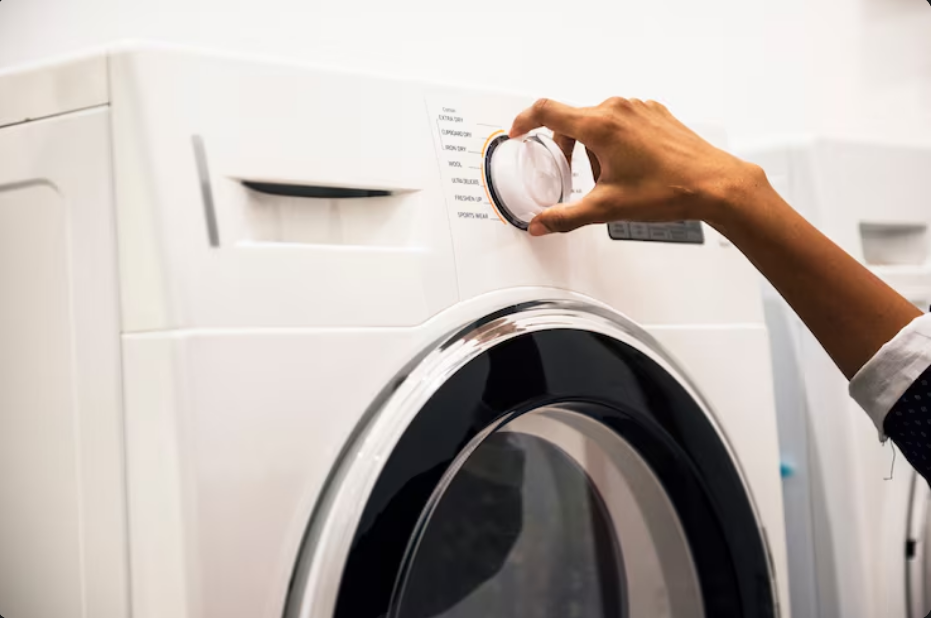
To keep your machine in top shape, stick to a clear schedule. Clean the dispenser drawer monthly for normal use. If you live in a hard-water area or have a busy household, do it every two weeks instead.
Take out the drawer and rinse it under warm water. After washing, if you spot residue or moisture, wipe the cavity and gasket with a soft cloth. Keep the dispenser slightly open between uses to let it dry and prevent mold.
An empty maintenance wash with white vinegar or a special cleaner every 1 to 3 months helps a lot. It cleans the inside lines and stops buildup that can jam your dispenser. Use a water-softening agent during the wash if you have hard water.
It’s important to use the right detergent for your machine. High-efficiency (HE) detergents are best for HE washers to avoid too many suds and buildup. Always measure detergent carefully and use it according to the maker’s guide.
For machines that load from the front, liquid detergents or single-dose pods are usually better. Ensure pods fit your dispenser and don’t leave a sticky residue. In damp areas, keep powdered detergent in sealed containers to stop it from clumping.
Always use the right amount of detergent. Too much can cause residue buildup and clog the dispenser. Replace parts like gaskets, seals, or clips quickly to ensure the drawer works well.
| Task | Frequency | Why It Helps |
|---|---|---|
| Rinse dispenser drawer | Monthly (or biweekly in heavy use) | Removes detergent residue and prevents hardened deposits |
| Wipe cavity and gasket | After visible residue or moisture | Stops mold and keeps seals flexible |
| Maintenance wash (empty) | Every 1–3 months | Clears internal lines and reduces buildup |
| Use HE detergent and follow dosing | Every load | Prevents over-sudsing and long-term residue |
| Store powdered detergent airtight | Ongoing | Prevents caking that can clog dispensers |
| Install water softener or agent | As needed in hard-water areas | Reduces mineral buildup that traps detergent |
| Replace worn dispenser parts | When wear or damage appears | Maintains proper fit and prevents leaks or jams |
If your washing machine drawer shows poor performance, start with simple checks before swapping parts. This short guide helps you with common fixes for dispenser not filling up and water draining issues without unnecessary complexity.
Dispenser not filling up: First, check if your home water supply is on. Ensure water pressure is normal at other taps. Look at inlet hoses and screens for debris or build-ups. If found, gently clean screens with an old toothbrush. Make sure the drawer fits right; a misaligned one can block water from getting to compartments. If there are error codes, inspect solenoid valves and electrical connectors for issues. Replace valves only if simpler items have been checked and cleaned.
Water draining issues detergent: For water backup or slow drainage, clear drain channels with a brush or pipe cleaner. Take out lint, coins, and small items from the pump and hoses. If you have a front-load machine, check the drawer cavity for blockages. Run a maintenance cycle to clear the system. Also, check the manual for any drainage error codes.
When dealing with a stuck dispenser, mix mechanical and electrical checks. Start with cleaning and reseating, then check pumps and valves. Tackle easy fixes first to avoid unnecessary costs and effort.
If your detergent drawer is clogging again or if you find cracks and leaks, it’s time for professional help. You might fix a sticky gasket yourself. But if the problem keeps happening, or your machine shows error codes, get an expert.
Clogs that don’t clear up or error codes that keep showing up mean it’s time for an expert. Especially if issues involve the inlet valve, pump, or sensors. A pro can run tests to find the real problem.
Damage like broken clips or cracks can cause leaks and mess up detergent flow. If there are electrical issues, you’ll need someone with the right safety training.
Simple parts like a new drawer or seals may cost $20 to $100. But for bigger fixes, such as changing a valve or pump, costs can jump to $100 to $400.
Always check if your warranty covers the repair first. Get several quotes and make sure your technician knows their stuff for complicated fixes.
Keep all your receipts and notes about the repair. This is useful for warranty claims and can increase your appliance’s value if you sell it.
Here are brief answers to the most common questions about detergent drawers and dispenser performance. Use the quick checklist to fix small problems yourself before you call for help.
How often should I clean my dispenser?
Most homes should clean the drawer and removable parts once a month. If you use your washer a lot, prefer powdered detergent, or live in a humid place, clean it every 2–3 weeks. Also, run a maintenance cycle with white vinegar or a cleaner every 1–3 months to keep it working well.
What to do if detergent still gets stuck?
First, make sure you’re using the right detergent and amount for your washer. For instance, HE detergent is needed for high-efficiency washers. Then, take out the drawer and let any screens or removable parts soak in vinegar to get rid of limescale. Look at inlet screens, hoses, and valves for any blockages or damage.
DIY checklist to resolve detergent dispenser issue
If cleaning many times and checking everything doesn’t fix the issue, it’s time to call a pro. A certified appliance repair expert can check solenoids, pumps, and control modules to get your dispenser working right.
Looking after your washer properly makes it work better. Doing simple things regularly can keep it from issues like soap build-up and bad smells. If you disassemble, clean, and reassemble by following this guide, you can solve and prevent detergent dispenser problems.
Regular maintenance boosts your washer’s performance and makes sure the detergent cleans clothes well. It reduces mold and mildew in the dispenser and drum. This means your laundry stays fresh and your machine lasts longer. Over time, this care means fewer fixes and extends the life of brands like Samsung and LG.
Set up a simple care schedule: clean the drawer every month, do a maintenance wash every quarter, and use the right amount of detergent. Pick HE detergents for HE machines. Store powder detergents in dry, sealed containers. Have tools and cleaners ready to tackle problems early and stop detergent issues in the dispenser.