Our Location
1250 Beacon Street
Brookline, MA 02446
Every year, heating equipment is the second leading cause of home fires in the United States. The National Fire Protection Association reports a startling fact: these devices are involved in nearly half of all home heating-related fires.
A small space heater offers a convenient way to warm a room. Many American households rely on them for extra heat during colder months. They are popular for their ability to efficiently warm a small space.
However, this convenience comes with serious responsibility. Understanding how to use these heaters correctly is critical for preventing accidents. Proper operation can dramatically reduce the risk of fire and injury.
Modern units have improved features compared to older models. Yet, they still demand careful attention and correct placement. This guide will walk you through the essential rules for safe use in your home.
Our goal is to provide clear, actionable advice. You will learn about potential hazards and the best practices to avoid them. Following these guidelines can help ensure your space heater provides only warmth and comfort.
Data from fire protection authorities highlights significant dangers associated with residential warming devices. Recognizing these potential hazards is crucial for preventing accidents.
Heating equipment contributes to thousands of residential fires each year. Overheating represents a major concern when devices malfunction or encounter obstructions.
Placing units near combustible materials dramatically increases fire risk. Fabric-covered elements or blocked vents can lead to dangerous temperature buildup.
Electrical problems create additional hazards for home heating systems. Overloaded circuits and damaged cords present serious fire risks.
Improper connections to power strips can cause electrical failures. Modern units include safety features that reduce these dangers significantly.
| Hazard Type | Common Causes | Prevention Methods | Risk Level |
|---|---|---|---|
| Overheating | Blocked vents, covered elements | Clear space, regular inspection | High |
| Electrical Issues | Damaged cords, overloaded circuits | Direct outlet use, cord inspection | Medium-High |
| Combustible Materials | Close placement to flammables | Three-foot clearance rule | High |
Understanding these fundamental risks helps homeowners make informed decisions. Proper awareness leads to safer operation and reduced accident potential.
Proper equipment operation requires thorough familiarization with the provided instructions and warnings. These documents contain vital information specific to your model.
Always review the operational manual before using any warming device. Manufacturer guidelines detail proper usage and important restrictions.
Inspect the unit before each use. Check for damaged plugs, frayed cords, or loose connections. Never operate equipment with visible damage.
Following all warnings ensures you use space warming devices correctly. This includes placement guidelines and operational limits.
Look for labels from recognized testing laboratories like UL or Intertek (ETL). These certifications verify rigorous safety standards.
Certified units include essential safety features like automatic shutoff mechanisms. Thermal protection cuts power during overheating.
Independent organizations conduct comprehensive testing to ensure device safety. Their approval indicates reliable performance.
| Certification Body | Label Appearance | Key Safety Features Verified | Importance Level |
|---|---|---|---|
| UL (Underwriters Laboratories) | UL Mark | Overheat protection, electrical safety | Essential |
| Intertek (ETL) | ETL Listed Mark | Tip-over switches, cool-touch exteriors | Essential |
| Other Recognized Labs | Specific laboratory marks | Comprehensive safety evaluation | Recommended |
Always make sure your device carries proper certification. This foundation ensures you heater safely throughout its lifespan.
Where you place your room warming equipment determines its effectiveness and potential hazards. Correct positioning ensures optimal performance while minimizing risks.
The Consumer Product Safety Commission establishes a clear guideline known as the “3-foot rule.” This requires keeping your space heater at least three feet away from anything combustible.
Common household items like curtains, papers, and furniture can ignite if too close. Always maintain this clearance to prevent accidental fires.
Manufacturers recommend positioning units a few feet from the wall where they’re plugged in. This prevents overheating of the wall surface and electrical components.
The only acceptable location for your space heater is on a level floor surface. Avoid elevated positions like shelves or furniture that could lead to tipping.
Choose the flattest available area in the room. Keep the device away from high-traffic areas to prevent tripping hazards.
“The three-foot clearance rule is one of the most effective ways to prevent heating-related fires in residential settings.”
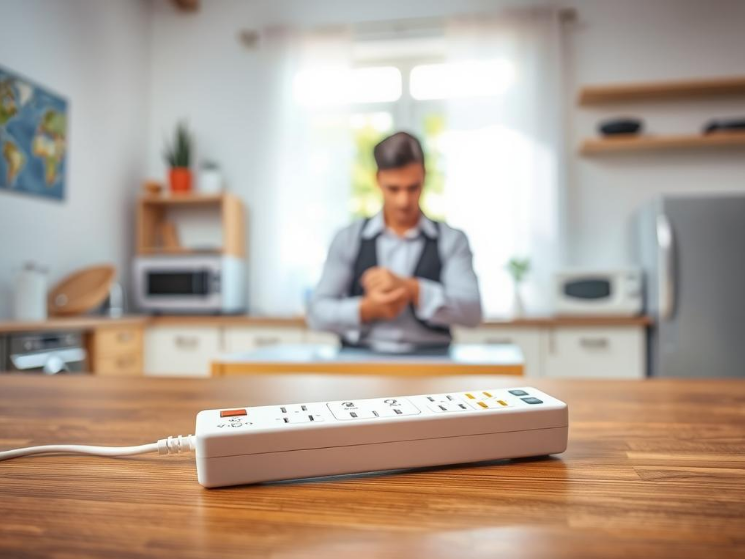
Electrical safety requires plugging directly into a wall outlet. Never use extension cords or power strips with these high-wattage devices.
| Placement Scenario | Proper Approach | Risk Level | Key Consideration |
|---|---|---|---|
| Near flammable objects | Maintain 3-foot clearance | High | Prevent ignition |
| Floor positioning | Level, hard surface | Medium | Stability and airflow |
| Electrical connection | Direct wall outlet | High | Circuit overload prevention |
| Room location | Away from traffic areas | Medium | Tip-over prevention |
Always turn your heater off when leaving the room or going to sleep. Unattended operation significantly increases fire risk despite modern safety features.
Today’s room warming devices incorporate significant technological advances that enhance household protection. Rigorous evaluation processes ensure these appliances meet the highest standards before reaching consumers.
Independent laboratories conduct comprehensive testing on all modern space heaters. These assessments include tip-over evaluations where units must shut off within 10 seconds. Overheat protection testing involves wrapping devices in fabric to simulate blocked airflow.
Quality models feature automatic thermal shutoffs that cut power during dangerous temperature spikes. Tip-over switches prevent operation when devices are unstable. These mechanisms provide essential protection for your home.
Hot-surface controls represent another critical innovation. Excellent-rated units remain cool enough to touch safely even at maximum settings. This prevents accidental burns, especially important in households with children.
| Safety Feature | Function | Testing Standard | Consumer Benefit |
|---|---|---|---|
| Tip-over switch | Automatic shutoff when tilted | 10-second cutoff requirement | Prevents fire if knocked over |
| Thermal protection | Cuts power during overheating | 2-minute fabric wrap test | Eliminates fire hazard |
| Cool-touch exterior | Surface temperature control | Burn prevention rating | Safe around children/pets |
| Timer integration | Scheduled automatic shutoff | 24-hour operation testing | Reduces unattended use risk |
Many contemporary models include built-in timers for scheduled operation. Analog dials and digital interfaces allow users to program automatic shutoff. This reduces the risk of leaving devices running unattended.
Smart outlets compatible with these appliances enable remote control through smartphone apps. However, users should verify wattage compatibility before installation. Always ensure proper placement before activating units remotely.
Modern space heater safety has improved dramatically over the past decade. Current innovations provide multiple layers of protection when used correctly. These advancements make today’s models significantly safer than earlier versions.
Effective room heating requires balancing comfort needs with essential protective measures. These devices provide valuable supplemental warmth during colder months, but their operation demands careful attention to established guidelines.
Understanding the serious fire risks associated with improper use motivates consistent adherence to safety practices. Proper placement on level surfaces and maintaining adequate clearance from flammable materials are non-negotiable requirements for every household.
Modern heating units incorporate impressive safety innovations like automatic shutoff mechanisms and cool-touch exteriors. However, technological advancements cannot replace responsible operation and constant awareness of potential hazards.
By following these essential rules consistently, homeowners can confidently enjoy the benefits of supplemental warmth. This approach ensures comfortable living spaces while protecting families and property from preventable accidents.
The primary fire hazards involve placing the unit too close to flammable objects like curtains, bedding, or furniture. Overheating can occur if the device is blocked, covered, or used with an improper power source, significantly increasing the risk of a home fire.
You should maintain a clear zone of at least three feet in every direction. This safe distance is crucial to prevent heat from igniting nearby items and is a key part of fire protection for your room.
No, you should always plug the heater directly into a wall outlet. Using an extension cord or surge protector can lead to overheating and poses a serious electrical safety risk.
Look for essential built-in safety features like tip-over switches that automatically turn the heater off if it falls over. Also, seek out overheat protection and cool-touch exteriors to prevent burns. Models with certifications from UL or ETL have passed rigorous testing.
It is not recommended. You should always turn the heater off when you leave the room or go to sleep. Many modern units have smart controls and timer integration to help manage use and enhance safety.
Always place the device on a hard, level, non-flammable surface. Optimal floor positioning on a stable surface like tile or hardwood is crucial. Avoid rugs or carpets, which can block airflow and pose a fire hazard.