Our Location
1250 Beacon Street
Brookline, MA 02446
Struggling with espresso machine no pressure issues? Learn how to fix low pressure problems with group head cleaning and pump checks.
About 60% of issues with home and café espresso machines relate to no pressure. This happens even though they steam and heat water well. It’s a common problem people want to fix.
When your espresso machine has no pressure, it may seem tricky. You might hear the pump but see no movement in the gauge. Water also struggles to flow through the coffee. But, this issue often has simple fixes, like cleaning blocked parts.
Fixing blockages in the group head and examining the pump paths help a lot. A clean group head makes water flow evenly again. It also helps the pump create the right pressure for brewing.
This guide aims to help U.S. home brewers and small cafés keep their machines running. We cover how to clean, test your pump, and solve common problems. We give tips in a friendly way, so you’re ready to tackle pressure issues without stress.
Pressure is key to making great espresso. Knowing how water moves in the machine and where problems happen helps fix low pressure quickly and affordably. This guide outlines how machines handle water and what to check if your espresso machine has no pressure.
Water goes from the reservoir through a one-way valve into a filter or flowmeter. Then, a pump moves water towards a pressure regulator. After that, it enters the heater and then moves to the coffee through solenoids.
Solenoid valves let brewing water flow and keep steam and hot water separate. Pumps work for both brewing and steaming. If steam works but there’s no pressure for brewing, it’s often because of how the machine is designed.
Worn-out pumps are a main reason for pressure problems. If a pump fails, it might not build pressure right. Poorly working OPVs can also cause low pressure by sending water back to the tank.
Lines can get clogged at filters, meters, screens, or jets. Air can block water flow from the tank to the pump. If solenoids don’t work right, water won’t reach where it needs to go.
Start by checking the pressure gauge during a shot. No movement means there’s a pressure issue. If water barely drips out while the pump sounds, there’s likely a problem.
Other signs include a sudden stop in pressure, normal steam but no brew pressure, visible bubbles in the tank, and no click sound from the solenoid. Trying a cleaning cycle and checking water flow through an empty holder can also help diagnose the problem.
Remember these tips when troubleshooting. They can help you figure out if a block, air, OPV issue, or a broken pump is to blame. Check online guides for common solutions shared by those with top-rated espresso machines from 2022.
Keeping your machine in top shape starts with the right tools. This kit helps you avoid problems like no pressure in your espresso machine. It also offers tips for solving low pressure issues. Make sure to use items that fit your specific model, like a Breville, Rancilio, or a La Marzocco. It’s important to keep things organized for regular maintenance.
Begin with a group head brush, soft cloths, and Q-tips for small spaces. Use detergent tablets or powder designed for espresso machines to clear out oils. Brushes for small pipes or shot glasses are great for cleaning ports. Pick a descaling solution that matches your water’s hardness level. Also, use food-safe detergent for parts you can remove.
Always follow the cleaning product guide from the maker. Cleaning often helps prevent issues that could lead to no pressure in your machine.
To check brew pressure accurately, use a pressure gauge or a portafilter-mounted manometer. You can find replacement pump kits and new pumps online for different models. When seals wear out, these can be handy. Use a small light or your phone’s camera to spot blocked ports and check the shower block. You’ll also need hex wrenches, an adjustable wrench, pliers, tubing tools, and a multimeter for basic checks.
It’s best to remove the water filter when checking things and only partly fill the reservoir. This helps with the flow. Press the reservoir’s one-way valve gently to check water movement and keep an eye on the pressure readings.
Always put safety first, especially near boilers and thermoblocks. Make sure the machine is unplugged and cool. Wear heat-resistant gloves and safety glasses to protect yourself, especially when you’re working with pressurized lines. Have towels and trays handy to catch any spills and shield your countertops.
Following a simple maintenance checklist can make the process easier and more reliable. Regular checks help keep top-rated espresso machines running smoothly. They also lower the need for big repairs.
Regular cleaning of your espresso machine keeps the coffee tasting great. It also prevents common problems, like no pressure in your espresso machine. This guide will show you how to get your machine ready, clean the group head, and put everything back together. Make sure to test the machine once you’ve done each step to catch any remaining issues.
First, turn off and unplug your espresso machine. Let it cool down. Take out the water reservoir and check the valve at the bottom. Push it gently to make sure water can flow through it. This step helps prevent air locks, which can cause pressure issues.
Next, remove any water filters. You’ll refill the reservoir for testing later. Gather your cleaning tools: brushes, backflush cleaner, a blind filter, and the right portafilter. If you have a Breville or similar machine, grab the hex key that came with it.
If you can backflush your machine, start with that. Put in the blind filter, add cleaner, and follow the recommended cycles. Make sure to rinse well after to remove any cleaner residue.
Next, use the right hex key to take off the shower screen. Look for any leftover coffee or cleaner near the screen screw. Clean this area with a Q-tip or a small brush. This helps keep the water flowing smoothly through the machine.
Check the shower block and internal channels for scale or oil buildup. Use a light to help see inside. If water isn’t getting through even when the pump is on, there’s likely a clog in these areas.
Rinse all parts to get rid of soap. Put the shower screen back and screw it in without stripping the threads. Then, replace the reservoir and any filters you removed.
Refill the reservoir and flush hot water through the group head to remove any remaining debris. Try a few brew cycles without detergent to make sure water flows properly. Watch the pressure gauge to see if it’s working correctly.
If you’re still having trouble after cleaning, you may need to check the pump and pressure valve. Cleaning your machine regularly will help it last longer and keep making great coffee, even if it’s one of the best models from 2022.
When your espresso machine shows no pressure, the pump’s health is key. First, calmly inspect it. Notice any sounds. Use a gauge on the portafilter or a manometer on the group-head to test. These simple steps help figure out if you need a new pump or another fix.
Home espresso machines usually have vibratory pumps. But, places like La Marzocco and Victoria Arduino prefer rotary pumps. Vibratory pumps buzz loudly and have parts like a bead and O-rings that wear out. Rotary pumps, though, are quieter and keep a steady pressure in high-end models.
To tell which pump yours has, check the manual or listen when it’s brewing. Noise plus steam means the pump works. But, your coffee path might be blocked. Knowing this can make fixing issues faster.
Connect a manometer to your machine and pull a shot to see the pressure. You’re aiming for 9 bar, ideal for extraction. Watch the pressure at the start and when it’s steady.
To clear air, make sure the water tank is correctly placed. Remove any filters in it, too. Run hot water or steam safely to fix noise or pressure drops. These steps often fix a no-pressure problem.
Old beads or O-rings can lower pressure by causing leaks. You can find repair kits online. Replacing these parts often fixes vibratory pump problems. If there’s no noise, it might be an electrical issue. Check the fuses and power before you think about replacing the pump.
Failures in the OPV (Over Pressure Valve) could cause water to skip the brew part. Look for bubbles going back to the tank when it runs. Replacing the OPV might solve this, fixing the pressure issue.
Parts like flowmeters or filters might seem fine but still block flow. Test each part of the circuit from the pump to the group head. This helps find the issue and get to a fix for low pressure.
Regular care makes your espresso machine work well and your coffee taste good. Doing little tasks often prevents blocked parts and sudden problems. These issues can make your machine brew badly or not show pressure, even though steam works.
Clean group heads and new gaskets make your coffee rich and tasty. Regular care makes the pump last longer and stops breakdowns during busy times.
Having less wear on seals and valves saves you from calling for repairs often. If you own Breville, DeLonghi, or other top machines, they last longer with proper care. Follow what the maker suggests for the best results.
Every day, you should wipe the group head, clean the steam wand, and portafilters. Use water to backflush, or a detergent-free flush if the maker says it’s okay.
Every week, do a backflush with detergent if your machine allows it. Clean the shower screen, gasket, and check the valve in the water tank.
Every month, descale if needed, check hoses and fittings for buildup, and look at flowmeters and filters for blockages.
Plan to check the pump or OPV every year or when needed. This stops you from having to troubleshoot the same problems over and over because of wear.
Use soft or filtered water to prevent scale. Change filters as the maker suggests. Good water keeps your machine clean inside and cuts down on descaling.
Keep a log of when you clean, descale, and replace parts. Also note any pressure issues. This helps find problems faster and shows patterns in losing pressure.
Listen to what the brand says for care and get professional help for tough problems. Regular care is worth it. It keeps your coffee tasting great and your machine running smoothly.
| Task | How Often | Why It Matters |
|---|---|---|
| Wipe group head & purge wand | Daily | Prevents residue buildup that harms extraction and causes erratic pressure |
| Backflush with detergent | Weekly (if supported) | Removes oils and fines from pathways to maintain consistent flow |
| Descale | Monthly or per water hardness | Reduces scale that restricts flow and stresses the pump |
| Inspect hoses, filters, valves | Monthly | Detects early wear or blockages before espresso machine troubleshooting is needed |
| Pump overhaul / OPV check | Annually or as symptoms dictate | Restores pressure consistency and prevents persistent no-pressure conditions |
Figuring out why there’s low pressure begins with watching closely. See if there’s no coffee coming out, if it’s coming out slowly, if the pump is quiet or loud. Also, check if steam and hot water are still working. Knowing these things helps guide you through fixing espresso machine pressure issues without guessing.
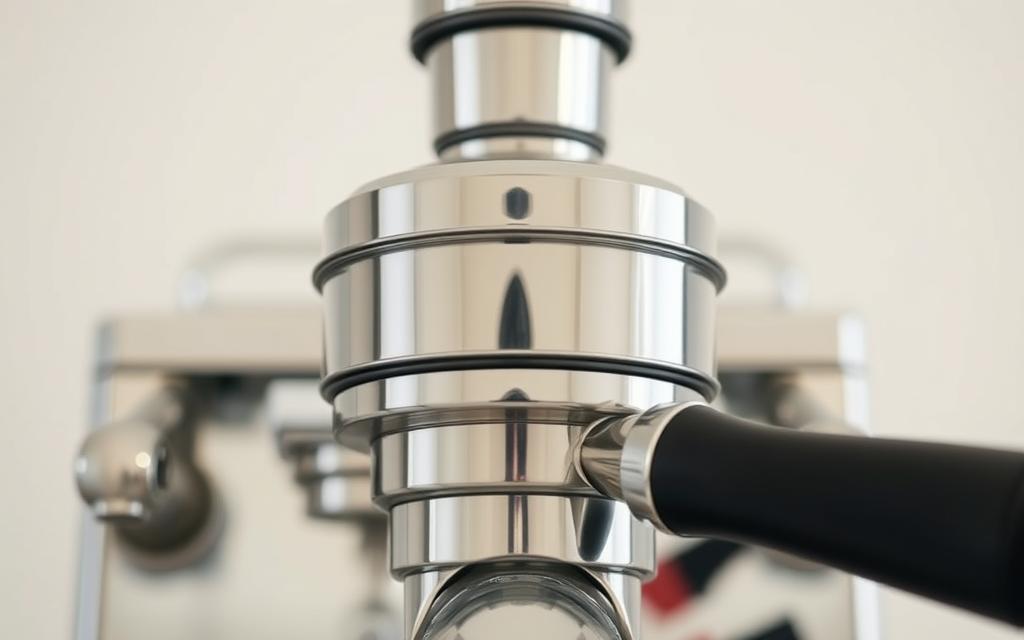
Start by listening to the pump. If it’s making noise or running, check the path the brew takes next. Look at the water tank, the one-way valve, shower screen, and coffee group for any clogs. Make sure you hear a click from the solenoid at the group head when making coffee. Use a pressure gauge to see how the pump is doing. Look for bubbles in the tank that could mean the OPV is sending water back to the tank.
Here’s what to do step by step:
No sound from the pump with no steam or hot water suggests an electrical issue or a pump that’s seized. This problem often comes up when your espresso machine has no pressure. You need to do some careful checks of the electrical parts before you mess with the pump.
If the pump’s on but there’s no coffee flow, look for clogs in the line, the shower screen, or a stuck valve. This is a key part of figuring out espresso machine issues and is a common reason for slow or no coffee-making.
If the pump’s going and you see bubbles or water going back to the tank, the OPV might be misdirecting flow. This is a usual clue when trying to solve low pressure problems. It makes it seem like the pump’s working but there’s no pressure for making coffee.
Stopping suddenly when moving from preinfusion to full pressure might mean the pump or system isn’t resisting properly, or there’s a timing issue with a solenoid. This problem often requires timed tests and checking pressure to find out what’s wrong.
Stop and call for expert help if taking apart boilers or dealing with live electric parts makes you uneasy. Leave replacing pumps, detailed soldering, or fixing boilers to the pros. For machines with a warranty, get in touch with the maker, like Breville or DeLonghi, to keep your warranty good.
If the pump’s not making noise, and everything else looks okay, or if you need to replace the OPV but can’t safely get to the parts, get a pro. These are situations for technicians skilled in fixing espresso machine pressure issues correctly and safely.
| Symptom | Likely Cause | Quick Check | Next Step |
|---|---|---|---|
| No pump sound, no hot water | Electrical fault or seized pump motor | Check power, fuses, pump wiring | Call certified technician if wiring and fuses are OK |
| Pump runs, no brew flow | Blockage in brew line, shower, or stuck solenoid | Inspect group, shower screen, and brew valve | Clean group and replace faulty solenoid or valve parts |
| Pump runs, gauge flat, bubbles in tank | OPV malfunction or diversion path open | Observe tank for return flow and bubbles | Test OPV and replace if leaking or stuck |
| Stops at preinfusion to full pressure | Hydraulic resistance issue or timing/solenoid fault | Run pressure trace through cycle | Inspect valves, timing, and pump performance |
Begin by doing a quick check to see what’s wrong. Try running water through with an empty portafilter to check the shower screen. Then, watch the pressure gauge to see if it moves. This can tell you if there’s an electrical problem, a pump issue, or a blockage.
Pull a shot without coffee to test. Observe the pressure gauge to see if it rises, stays the same, or falls. Note any differences, like no pressure or just a small increase.
Next, check the reservoir’s one-way valve. Taking the water tank out and putting it back several times can fix air locks that cause low pressure.
Then, remove any filters in the reservoir and inline. Make sure the flowmeter can spin freely and isn’t blocked by anything.
Take off the shower screen and clean the tiny outlet hole with something small, like a trimmed Q-tip or brush. Get rid of any coffee gunk in the channel.
Press the brew button and listen for the solenoid to click. If it’s silent, check the solenoid’s electrical parts and continuity with a multimeter.
If the pump is working but there’s no pressure building, it’s time to check the OPV path. Look for water going back into the tank, which shows a problem with pressure bleeding or the OPV failing.
Start by running hot water and steam through the group head without using the portafilter. Make sure there’s some water flow. Then, try it with an empty portafilter to see if the machine can build pressure.
Use a portafilter with a gauge to measure pressure when you pull a shot. Compare the preinfusion and full pressure readings to see if they’re in the normal range or if something’s off.
You can also disconnect hoses to check specific parts of the machine. If you see rust or buildup, it might be causing problems.
Keep track of everything in a troubleshooting log. Write down what you removed or cleaned, the tests you ran, and the pressure readings. Note any changes after each step.
Take before and after photos of parts you think might be causing trouble. Good photos help a lot when you need advice from a repair person or online forums. They make finding a solution quicker.
Finally, write down your machine’s model, how many times you’ve backflushed it recently, and any repairs you’ve done. This makes finding and fixing the problem easier.
| Test | What to Look For | Action |
|---|---|---|
| Empty portafilter pull | Gauge movement; water flow through shower screen | Confirm symptom, log pressure reading, proceed to filter checks |
| Reservoir reseat | Air lock release; improved flow | Reseat tank multiple times; replace one-way valve if faulty |
| Flowmeter and filters | Flowmeter spins; filters clear | Clean or replace inline filters; remove debris |
| Shower screen probe | Brown sludge or blocked outlet | Clean channel, replace screen gasket if worn |
| Solenoid check | No click or no continuity | Inspect wiring, test solenoid; replace if faulty |
| OPV and pump test | Pump runs but no pressure; water returns to tank | Test OPV, inspect return hose; adjust or replace valve |
To get a balanced shot, maintain steady pressure, use fresh beans, and care for your gear. Even small changes in grind size, coffee amount, or how hard you press can change how your espresso turns out. Make checking your gear and making little tweaks part of your routine for consistent quality.
Pressure makes hot water go through the coffee to pull out oils and flavors. If the pressure is just right, you’ll get great crema and taste. But if your espresso machine has pressure problems, your coffee might taste weak and sour.
The best pressure for brewing is around 9 bar right at the group head. Sometimes pumps and OPVs need adjusting to hit the right pressure. Using a manometer helps you check if your machine maintains this level while making coffee.
Begin by making sure your grinder is set up right and using fresh beans. If your espresso pulls too quickly or the pressure’s low, grind your coffee finer or use more coffee. Keep an eye on your coffee amount, grinder setting, how hard you press, and brew time. This helps you notice if something’s off because of wear or if you skipped maintenance.
Always clean the group head well and backflush often. Descale to remove buildup and change any parts that are worn out if your pressure drops. High-quality espresso machines will last longer if you follow the maintenance guide from the maker.
| Focus | Action | Why it Helps |
|---|---|---|
| Grind & Dose | Adjust grind finer by one step; change dose by 0.1–0.5 g | Restores resistance so pressure builds and extraction evens out |
| Tamping | Use consistent 30–40 lb tamp and level puck | Prevents channeling and ensures uniform pressure across puck |
| Pressure Check | Install or read manometer during shots | Reveals whether pump reaches ~9 bar or shows espresso machine no pressure symptoms |
| Cleaning | Backflush daily; deep clean group head weekly | Removes coffee oils that clog flow and alter pressure |
| Water Quality | Use filtered or softened water; replace inline filters on schedule | Limits scale that stiffens valves and pumps |
| Record Keeping | Log settings and shot times for each bean | Makes it easy to spot mechanical drift or when a machine needs service |
| Equipment Choice | Select machines with serviceable parts and clear manuals | Top rated, best espresso machines 2022 models often balance performance and maintainability |
| Professional Service | Schedule repairs when pump performance drops or OPV fails | Prevents repeated extraction problems and extends machine life |
Looking after your espresso machine is wise. Clean the group head and backflush as suggested. Also, ensure the shower screen and gicleurs are clear. These steps fend off common issues.
Check the reservoir and the one-way valve. When troubleshooting, remove inline filters. Always make sure hoses and the flowmeter are scale-free. This helps avoid any issues with no pressure.
Regularly checking the pump is key. Use a gauge to check pressure levels and listen for odd noises. A lot of vibratory pumps are fixed with new beads or O-rings instead of replacing them.
If bubbles form in the tank or the pressure shifts, inspect the OPV. This is crucial in figuring out espresso machine issues and fixing pressure problems.
Maintain your machine well: clean daily, backflush weekly, and descale monthly depending on your water. Keep track of services and part replacements to prevent failures.
Doing this keeps most pressure issues under control and cuts down on urgent repairs.
Fixing pressure issues is often straightforward with the right procedure: inspect, clean, test, and keep records. For tasks involving electricity or the boiler, get a pro to ensure safety and warranty.
Clean machines and using filtered water make them last longer. They also make sure espresso shots are always good.