Our Location
1250 Beacon Street
Brookline, MA 02446
Solve your AC outdoor unit noisy troubles with expert base, blade, and vibration solutions for a peaceful home environment.
Did you know that nearly 60% of homeowners experience disruptive noises from their AC outdoor unit at some point? Whether it’s the base, fan blades, or vibrations causing the issue, these sounds can really affect your comfort at home, especially in the summer. Knowing where these sounds come from is key to fixing noisy AC units. We’ll show you how to find what’s making the noise and how to fix it, to keep your home peaceful.
Your outdoor AC unit can make sounds that bother you. It helps to know what these sounds mean. Buzzing, rattling, and humming noises can show there are mechanical or electrical issues. Fixing these sounds early can stop bigger problems later.
Different sounds from your outdoor AC can mean different things:
To find out where the noise is coming from, follow these steps:
The things around your outdoor AC can make it sound louder. Trees, bushes, or fences can make noise seem louder. Keeping the area around your AC clear can make it work better and quieter. Cutting back trees or bushes can also reduce noise.
It’s key to fix noise from your outdoor AC’s base to keep it working right and quiet. A noisy compressor comes from bad setup or getting old. Homeowners can follow steps to find and fix a loud AC.
Start by making sure your AC is even. If it’s not level, it may vibrate, causing noise. Check with a bubble level and adjust if needed. This can help it run smoother and quieter.
Look at the anti-vibration pads next. These help stop the shakes and noise. If they’re old or damaged, replace them. New pads can make your AC quieter and work better.
Lastly, check the concrete pad under the AC. It should be strong and steady to cut down on noise. Look for cracks or signs it’s moving. Fixing or strengthening the pad is important for a quiet AC.
The fan blade is key for your outdoor AC’s performance. If the fan blades get damaged, you might hear buzzing or loud humming. Fixing these issues can improve airflow and make things quieter.
Start by checking the fan blades for cracks or bending. Even a small flaw can cause noise and lower efficiency. By checking carefully, you can keep the airflow smooth and reduce noise.
Loose parts can make rattling noises. Look over all parts connected to the fan blade. Tightening them helps lower vibrations and gets rid of buzz. Keeping these parts tight stops noise problems, especially the loud hum.
Dirt on the fan blades can cause more noise. Cleaning them is crucial for good performance. Use a damp cloth to clean off all dirt. This reduces noise and keeps your outdoor AC working well.
| Maintenance Task | Benefits |
|---|---|
| Examine Fan Blade Condition | Identifies damage that may cause noise |
| Tighten Loose Screws and Bolts | Reduces rattling and vibrations |
| Clean the Fan Blade | Minimizes friction and noise |
Vibration problems in outdoor AC units can cause symptoms to look out for. These include an AC unit making a rattling noise. This could indicate deeper mechanical issues. Knowing why these vibrations happen is key to keeping your home comfortable and efficient.
Here are the signs of noise due to vibrations:
Here’s what might cause too much vibration in your outdoor AC unit:
The compressor plays a big part in causing vibration noises. If it’s mounted wrong or has problems inside, it can make a lot of noise when it works. To fix a noisy AC, it’s important to check the compressor and how it’s mounted. This helps reduce vibrations and keeps your AC running well.
Base-related noises from an AC’s outdoor unit can be annoying. Fixing these can make your home more comfortable. Each step is vital for a quiet and efficient AC unit.
A level AC unit is quieter. An uneven base causes vibrations and stress. Use a level tool on the base and adjust for a flat surface.
Check for worn anti-vibration pads and bolts. Damaged parts make the AC noisy. Replace them to quiet your AC and stop it from rattling and shaking.
Adding sound dampening materials cuts noise. They absorb vibrations. Install them correctly for a quieter and more efficient AC.
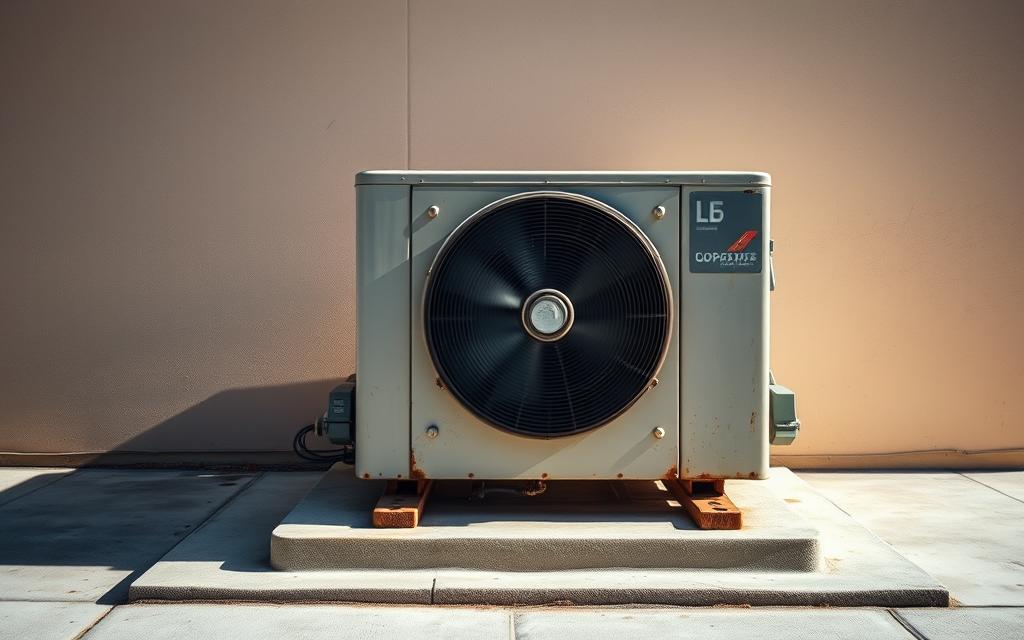
Fan blades that make noise can be really annoying, especially when it’s hot outside. Fixing these issues can make your outdoor AC less loud. Learn to balance fan blades, oil parts, and use noise-reducing add-ons. Doing this makes your AC work better and quieter.
When fan blades are balanced right, they don’t shake much. This stops the AC from making a rattling sound. Getting the weight right on the blades means they move smoothly. This makes your cooling system work better and less noisily.
It’s important to oil the moving bits of your AC, like fan bearings and motors. If you don’t, they might wear out and make your AC buzz or make other noises. The right lubricants help these parts last longer and your AC to run more quietly.
Add noise-lowering tools to your AC to cut down on noise. There are special fan blades and materials that block sound. These help your AC cool the area while keeping things quiet.
Managing outdoor AC unit vibrations can make them much quieter. By using a few smart methods, we can make the unit steadier and the area quieter. Let’s look at some ways to tackle these vibrations.
Isolation pads work well to separate the AC from the ground. These pads absorb vibrations, stopping them from reaching nearby structures. They are key in making noisy outdoor AC compressors quieter.
Enough space around your outdoor AC unit is crucial. Make sure nothing like walls, fences, or rubbish blocks airflow or vibrations. It’s important to regularly check and clear the area around the unit to reduce noise effectively.
If the unit stays noisy, think about getting a quieter one. Newer models use better technology to be quiet and shake less. A new, modern AC unit can end issues with loud noises, making your space more comfortable and peaceful.
Regular upkeep is key to lessening noisy outdoor AC compressors. By sticking to a fixed check-up routine, homeowners can spot and fix issues early on. Here are important tips to keep the AC unit quiet.
Create a plan to check your AC often. It’s good to inspect it at least twice a year. This way, you can find any early damage or loosening parts that make it noisy.
Debris around your unit can make it louder. Cleaning it regularly stops leaves, dirt, and other stuff from blocking airflow. Even small bits of debris can make your AC louder. So, always clear any debris to keep your AC running quietly.
Getting a pro to check your AC can really help. They know their stuff and can do thorough checks and fixes. They’ll make sure your system works well. And they’ll share tips to keep your AC quiet.
Your AC unit should not make noise. If you hear a buzzing sound or loud noises from the outdoor unit, pay attention. Homeowners can fix small problems. But knowing when to call for help can save you time and prevent further damage.
Professional technicians know how to find noise issues. They can look into electrical problems, check for failed parts, and see if the system works right. They make sure issues like refrigerant leaks or mechanical problems are fixed well.
Professional service costs change based on the issue and where you are. Service calls are usually $75 to $150. Repairs might be $100 to $800 or more, based on what parts and work are needed. It’s smart to get quotes from several technicians to find good prices.
Solving outdoor AC noise often starts with easy DIY steps. Checking the base, securing parts, and maintaining the fan blade can cut down on noise. For deeper noise issues, using sound-dampening materials and better fan blades will help a lot.
Investing in noise-lowering accessories and getting professional help are key for long-term peace. These actions not only fix noise but also improve your AC’s work and life. Taking steps early can make your home more comfortable.
Don’t forget about regular maintenance checks. Having your AC looked at often prevents noise and keeps it working well. Staying on top of care makes a quiet and efficient AC possible.