Our Location
1250 Beacon Street
Brookline, MA 02446
Find your perfect mix with our expert tips on how to choose a blender, from performance factors to durability and budget-friendly options.
Almost 60% of U.S. families use a blender weekly. Choosing the right one is key for everyday meals and big projects.
This guide helps pick a blender that suits your lifestyle and wallet. It looks at motor strength, blade quality, and jar type. These affect how well it makes smoothies, crushes ice, blends soups, or creates nut butter and baby food.
The information is for home cooks, smoothie fans, meal planners, and those getting a new appliance. It compares blenders, from personal ones to big countertop models. It discusses when to choose more power or when to save money and pick something simpler.
We use advice from trusted brands and experts like Vitamix, Blendtec, Ninja, NutriBullet, Cuisinart, Consumer Reports, and Wirecutter. This helps our recommendations be reliable and based on real experiences.
Here, you’ll find a quick checklist to help decide. There are detailed parts later on types, motor power, blade strength, jar types, size, cost, how easy it is to use, fixing issues, guarantees, and analyzing reviews.
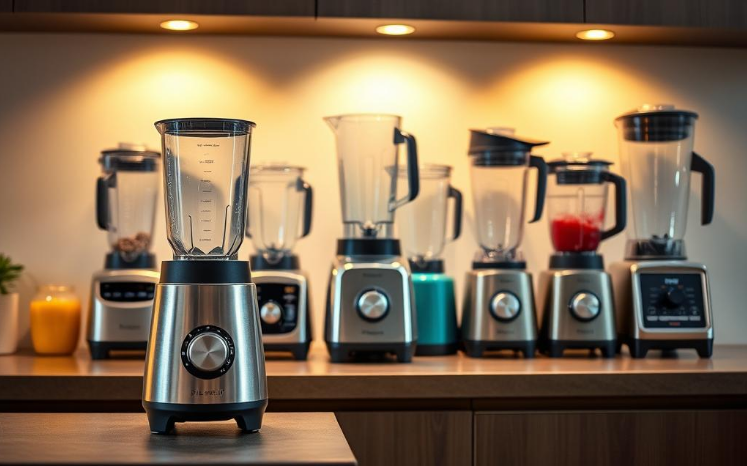
Choosing the right blender starts with knowing the different types and what they do best. This guide helps you select a blender that matches what you want to make, how powerful it should be, and how much it can hold. By comparing personal, countertop, and immersion blenders, you can see which one fits your needs.
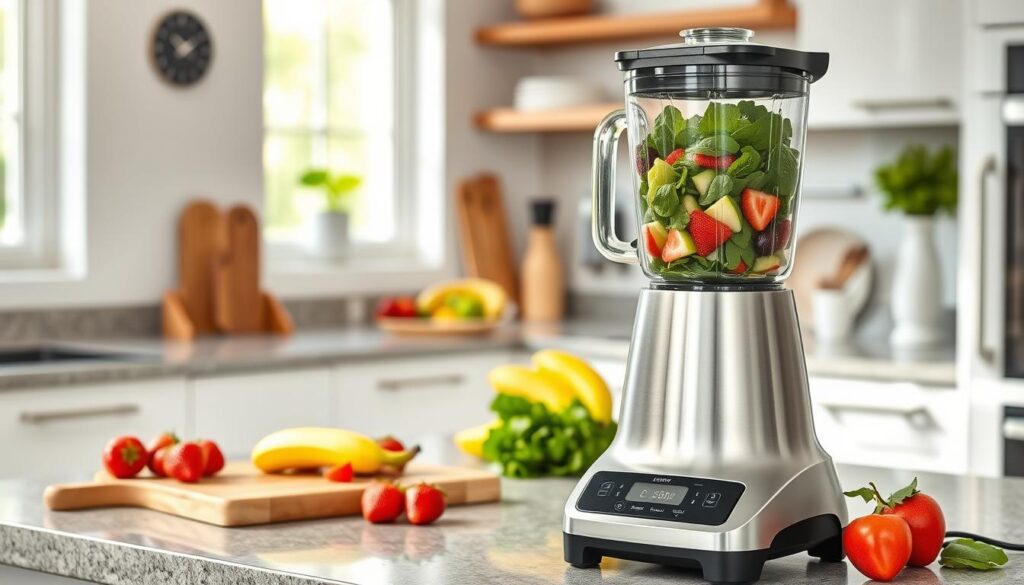
Personal blenders are made for fast and easy use. Brands like NutriBullet and Ninja Personal Blender are designed to be compact. They have motors between 200–900 watts and come with lids for taking smoothies on the go. Great for making fruit and light green smoothies, they can’t crush a lot of ice or handle hot liquids well.
Countertop blenders are the versatile heroes of the kitchen. You’ll find brands like Vitamix, Blendtec, KitchenAid, and Cuisinart among them. With big jars and strong motors, they can make hot soups, nut butters, and crush tough ice. The downside is they take up more space and cost more, which is important to think about when choosing.
Immersion blenders, such as Braun Multiquick and KitchenAid stick models, are great for hands-on control. They work well for making soups or small sauces with power ranging from 150–600 watts. They’re easy to clean and store but aren’t cut out for big jobs or making lots of smoothies.
Some blenders mix features from different types. High-performing single-serve models can be as good as some countertop blenders. And some compact countertop models don’t sacrifice power for size. Looking carefully, you’ll find options that offer the best of both worlds.
Durability and support differ by type. Brands like Vitamix and Blendtec usually offer long warranties and good customer care for countertop models. Personal and immersion blenders might have shorter warranties but cost less to replace. Picking a brand with strong support is important for getting value over time.
| Type | Typical Power | Best Uses | Pros | Cons |
|---|---|---|---|---|
| Personal (NutriBullet, Ninja) | 200–900 watts | Single smoothies, shakes, travel cups | Compact, quick cleanup, portable | Small capacity, limited ice/nut processing |
| Countertop (Vitamix, Blendtec, KitchenAid, Cuisinart) | 500–2000+ watts | Soups, smoothies, nut butters, ice crushing | Powerful, versatile, durable | Larger footprint, higher cost |
| Immersion (Braun Multiquick, KitchenAid stick) | 150–600 watts | Pureeing soups, sauces, small tasks | Control in pot, easy storage, minimal cleanup | Not for heavy-duty blending or bulk smoothies |
When you pick a blender, think about its power, blades, jar type, seals, and safety. This guide goes over the main features and what’s important for everyday blending. It shows what to look for when choosing a blender for smoothies, soups, nut butters, and more.
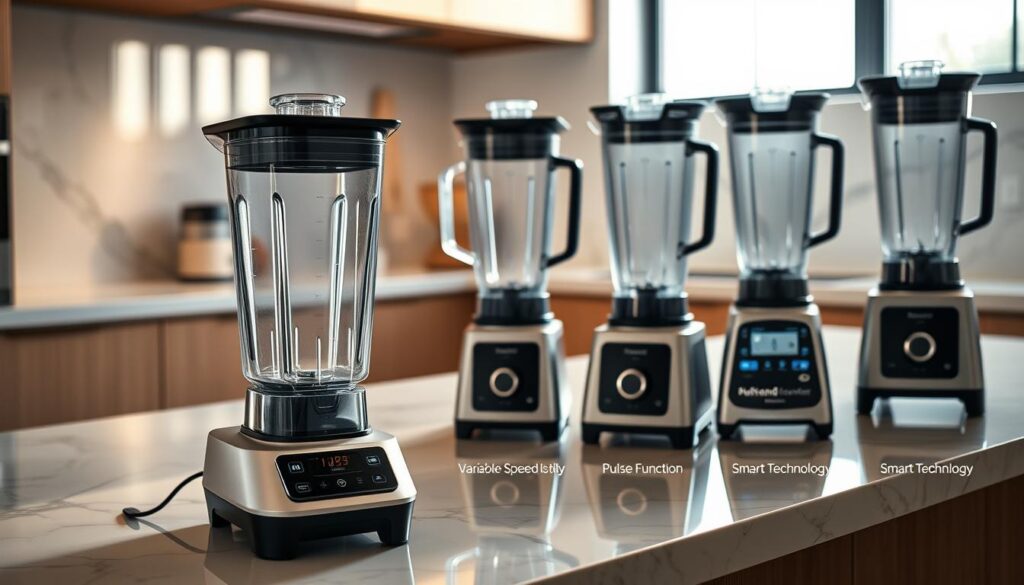
The motor’s power is key. For simple tasks, under 300W is fine, like for personal blenders. Models between 300–700W are good for common countertop uses. A 700–1500W motor is great for serious cooks. Anything over 1500W is on par with professional brands such as Vitamix and Blendtec. Torque and constant power are crucial for crushing ice and making nut butters, more than just peak rpm.
Having pulse and variable speed helps control texture. Pulse can chop ice and big pieces without making them too small. Variable speed lets experienced users get the texture just right. Beginners benefit from preset programs for common tasks. Think about energy use and if you’ll run it a lot without stopping.
The blade’s quality and design really matter. Hardened steel blades cut better. Blendtec has thick, safety-focused blades. Vitamix uses hardened edges for smoother blends. Fixed blades last a while but are harder to clean; blades you can remove are easier to maintain.
The type of jar impacts weight, safety, and taste. Glass jars don’t scratch easily and keep flavors pure, best for hot stuff. Plastic jars are light and won’t break easily but might get scratched and smelly. Stainless steel is tough and keeps temperature but you can’t see inside as you blend.
Good seals and parts that don’t wear down quickly make a blender last longer. Metal parts beat plastic for connecting the motor and blade. Good gaskets stop leaks and protect the blender base. Checking and cleaning your blender often helps it work better longer.
Noise and safe design are practical to consider. More power usually means louder. Some blenders are designed to be quieter. Features like lid locks, overheat shutdowns, and push sticks like Vitamix’s make it safer to use without stopping.
Pick a blender based on what you’ll make. Smoothies and icy drinks need power and blades that move things around well. Nut butters need a motor that keeps going strong and blades that last. Remember these tips to find a blender that suits your everyday needs and goals for the future.
Setting a budget helps narrow down your options. It links features you need to the price you’re willing to pay. Our blender buying guide divides price ranges into clear categories. This helps you decide how much to spend based on usage, durability, and extra costs.
Models under $100 are good for everyday use like making smoothies and simple sauces. They tend to have lower power motors (200–600W), plastic containers, and basic controls.
Popular affordable choices include entry-level NutriBullet units, Ninja Fit during promotions, and Hamilton Beach personal blenders. They’re great for people who occasionally mix fruits, yogurt, and ice.
The downsides? These blenders have shorter lifespans and less powerful motors. When buying, think about the cost of replacing parts and potential early repairs.
Blenders priced between $100–$300 improve performance with stronger motors (500–1000W) and larger jars. Variable speeds and better build quality make these blenders suitable for families and regular users.
The Ninja Professional series, Oster Pro 1200, and some Cuisinart models are often recommended. Their durability and warranties lessen long-term costs, making them practical choices.
To see if a mid-range blender is worth it, try this: divide the total price by the number of years you expect it to last and how often you’ll use it. This helps decide if investing more upfront beats buying cheaper models more often.
Splurging over $300 gets you pro-level performance, commercial-grade motors, and longer warranties. High-end brands like Vitamix, Blendtec, and top Ninja models can handle tough tasks like nut butters and hot soups.
If you blend often or want something very durable, investing more might be smart. Look into certified refurbished models to save money without losing warranty protection.
Don’t forget to consider the long-term costs for extra accessories and repairs. Add the price of replacement jars, cups, and other parts when figuring out the true cost. This will help you choose the best blender for your needs and budget.
Choosing the right size blender is important. It must work well in your kitchen space. You should measure the space where you plan to put it, including counter height and cabinet depth. If you use your blender every day, make sure it fits on your counter. Some high-performance blenders, like the Vitamix Ascent series, are tall. They might not fit under some kitchen cabinets. This info helps you compare blenders. It guides you to pick one that suits your kitchen and daily routine.
Compact blenders are great for saving space. They are small and light. NutriBullet and some Ninja models are perfect for small living spaces like dorms and tiny kitchens.
It’s easy to put these blenders away in cupboards or on shelves. Their jars usually hold 8–12 oz, ideal for single servings. There’s a downside, though: they hold less and do less. Still, they’re often mentioned as affordable options in blender buying guides.
Being able to move your blender easily is important. Compact blenders have lightweight plastic jars and parts that come off. This makes them easy to store or take with you. Some can even stack to save more space in small cabinets.
Full-sized blenders have large jars, usually 48–64 oz or more. They have strong motors too. This makes them good for families or anyone making large batches of smoothies or soups.
These blenders are heavier, which helps them stay put when blending. Glass jars and metal bases make them more stable but harder to move. Think about how often you’ll need to move the blender compared to how much blending you do.
Storing a big blender takes some thought. You can keep them on low shelves or in special storage spots. Look for models with features that make them easier to store, like removable blades. A good blender comparison will highlight models that are powerful yet easy to store.
Think about how big the blender jar needs to be for your needs. A 32 oz jar could be enough for one or two people making single servings. A 48–64 oz jar is better for families or bigger cooking tasks. And 8–12 oz cups are perfect for those who need something portable. These tips will help you find blenders that fit your space and needs well. They’re also good for spotting affordable options that still do what you need.
How easy a blender is to use can really affect your daily happiness. Consider controls, cleaning, how it feels to use, and how easy it is to access when choosing a blender. Features that are easy to understand help you compare different models. They also show what’s most important to each user.
Manual dials and switches are tough and easy to fix. They work well when your hands are wet or you’re wearing gloves. Lots of people like manual controls because they last a long time.
Digital displays and preset programs make things easier and more exact. Having presets for smoothies, ice crush, and soup means less guessing. Touch controls are sleek but can be hard to use if your hands are slippery. Using some powerful blenders might need extra steps, like using a tamper tool or pulsing by hand.
Look for comments on how easy programming and control response are when reading blender reviews. Models with easy-to-use, quick-to-respond controls usually get better marks for being user-friendly.
Blades you can take out and jars you can put in the dishwasher make life easier for busy families. Ninja, NutriBullet, Vitamix, and Cuisinart say many of their models have parts you can safely put in the dishwasher. Always check the instructions from the maker before doing this.
A quick cleaning option for many countertop blenders is self-cleaning. Just mix warm water and a bit of dish soap on a low setting, then rinse. This method saves time and keeps the blender in good condition.
Immersion blenders are easy to rinse and usually have parts you can take off to clean more thoroughly. Jars with fixed blades are simple to use daily but harder to change if they get damaged. Blades that come off are easier to clean, but you’ll have more small parts to keep track of.
How a blender feels to use and how easy it is to access are key for everyday use. Blenders that are light, have comfy handles, tight lid seals, and a spout to pour from reduce mess. Older users and those with less hand strength should look for simple controls, fewer parts to lose, and models known for being easy to use.
Blender owners often face a few common problems that disrupt their cooking. This guide will show you how to fix these issues and how to keep your blender running smoothly. It will also help you pick a blender that’s less likely to need repairs, focusing on performance and durability.
Overheating: Causes and Solutions
Using a blender too much can strain its motor. Thick mixes like nut butter can also make it work harder. And if the air can’t circulate well or parts wear out, the blender can overheat faster.
Let the blender cool down as the manual says. Mix smaller amounts at a time and add liquid to make blending easier. Use short bursts to break down tough mixes. If overheating happens a lot, clean any blocked vents and check the motor parts. It’s a good idea to get a professional to look at it if parts are worn out.
Leakage: Prevention Tips
Leaks can happen if seals wear out, the jar cracks, or the blades aren’t put in right. Using very hot liquids can also cause problems for seals not made for the heat.
Check the seals often and replace them if they get hard. Make sure blades and jars are put together correctly and don’t fill it too much. Use jars that can handle the temperature and close lids tightly. If it still leaks, you might need a new blade set or jar. Brands like Hamilton Beach and Oster have replacement parts.
Strange Noises, Vibration and Blade Wear
Odd noises or the blender shaking could mean the blades are loose or something else is wrong. Dull or bent blades make the blender work harder.
Turn off and unplug the blender to check for loose parts or damaged blades. Change blades that aren’t sharp anymore. If you can’t replace the blades yourself, check the warranty and get help from the brand. Vitamix and Blendtec have good support services.
Electrical and Safety Checks
Blenders can stop working if there’s a problem with the electricity. Make sure the outlet works and don’t use long extension cords for powerful blenders.
Always unplug the blender before checking or fixing it. Registering your blender helps you stay updated on recalls and warranties. These tips help keep your blender in good shape and reduce the need for repairs.
Choosing and Maintaining for Fewer Problems
Think about the motor and how well the blender is made when picking one. Blenders with strong motors and good cooling systems last longer, even when used a lot. Taking care of your blender and using it right means fewer trips to the repair shop and better performance.
When you pick a blender, look beyond how powerful it is or what it’s made of. The warranty and service options tell you about its lasting value and your peace of mind. This guide helps you know what to check in policies and how to compare brands when looking at blenders.
A strong warranty shows a maker’s belief in their blender. Budget blenders may have a one-year warranty. More expensive ones can offer three to ten years of coverage. Brands like Vitamix and Blendtec often promise five to ten years.
Warranties usually take care of motor, blade, or jar problems. They don’t cover normal wear or accidental damage. Always read the fine print to understand what is and isn’t covered, including any costs for shipping.
Some plans let you extend the warranty time. Retailer offers or credit card perks could be useful. It’s wise to weigh the cost of these plans against the expected life and durability of the blender after reading reviews.
Good customer service makes repairs easier and less of a hassle. Look for quick response times and if you can get help through phone or chat. Some top brands offer spare jars and parts online.
Check service ratings on sites like Better Business Bureau or Consumer Reports. User reviews can also tell you how well a brand supports its blenders. This feedback is valuable for knowing what to expect.
Being able to return a blender if it doesn’t meet your expectations is important. Stores like Amazon and Best Buy might give you a trial period. This trial means less risk if you need to return it.
| Item | Common Coverage | Typical Length | What to Check |
|---|---|---|---|
| Motor | Manufacturing defects, failure | 1–10 years | Claim process, shipping costs, authorized repair |
| Blades | Defects, breakage from normal use | 1–5 years | Replacement availability, warranty exclusions |
| Jar | Cracks, seal defects | 1–5 years | Material replacement options, part numbers |
| Labor & Repairs | Repair work at authorized centers | Varies by brand | Local service centers, turnaround time |
| Extended Plans | Extended coverage beyond factory warranty | Varies | Cost vs. expected lifespan, overlap with manufacturer |
Fixing and refurbishing blenders can save money and help the planet. Some companies offer certified refurbished products with warranties. Register your blender, keep the receipt, and take photos of serial numbers. These steps are part of smart tips for keeping your blender in good shape. They also help when reviewing blenders before buying.
User feedback fills gaps that lab tests can’t. Reviews show how Vitamix, Blendtec, Ninja, and KitchenAid stand up to daily use. It’s smart to check both expert tests and real-world stories before picking a blender.
Look for trusted sources with repeatable tests first. Consumer Reports and Wirecutter share detailed performance info and in-depth testing. Good Housekeeping Institute and CNET offer focused reviews including durability and customer service.
Amazon and Best Buy have lots of user feedback. Take those reviews as raw data. Only consider reviews from verified buyers and search for specific scenarios, like making smoothies daily or crushing lots of ice, to compare blenders well.
Average star ratings help narrow down your choices. Then, read specific reviews to identify common problems like leaks, motor smells, or loud sounds. High failure rates within the warranty period point to possible long-term issues.
Look closely at comments on reliability, motor longevity, how easy it is to clean, and customer service quality. If you love smoothies, value the opinions of regular smoothie makers to find the best blender for the job.
Mix expert opinions with user reviews to make a short list of two or three to try. Always check return policies and warranty details before buying to minimize risks and ensure a good trial run.
Start by making a list of what you need in a blender. Think about what you’ll use it for, choose the kind—like personal or countertop, set a budget, and check the motor’s strength and the blade’s design. Consider the jar’s material and size, how easy it is to control and clean, and look into the warranty and customer support. This guide makes picking a blender easier and quicker.
Before buying, see the blender in action or watch some demos and compare the warranties. Think about getting a certified refurbished model from top brands like Vitamix or Blendtec to save money. Also, use the store’s return policy to try it at home. If you love making smoothies, look for a strong motor and well-designed blades. For soups, get a jar or model that can handle hot stuff. These tips make choosing the right blender safer.
To keep your blender running well, clean it often. Check and replace its seals, don’t overload it, and give the motor a break when needed. Use the proper settings and keep it clean to stop smells. Also, make sure to register it for the warranty. Following these tips will help your blender last longer and work better.
Know when it’s time for a new blender: if it’s slow, gets too hot, or fixing it costs as much as a new one. By using this buying guide and taking good care of the blender, you can find the perfect one. It will meet your needs, fit your budget, and last a long time.