Our Location
1250 Beacon Street
Brookline, MA 02446
Explore the differences in Bathroom vs. Kitchen Appliances and learn essential safety tips for wet areas to prevent accidents in your home.
This guide dives into the safety of bathroom and kitchen appliances. It’s crafted for anyone who calls a place home or designs spaces. The key takeaway? Keep hair dryers and similar devices away from water. Awareness of wet-area risks in both rooms is crucial.
Electricity powers both bathrooms and kitchens, yet their dangers aren’t the same. Bathrooms group water sources close together. These make hair dryers and other gadgets risky when wet. Meanwhile, kitchens have devices like mixers and blenders that also use water, but during food preparation.
This article puts bathroom and kitchen gadgets under the spotlight. It aims to assist you in choosing appliances wisely, focusing on safety. It emphasizes important tips like GFCI outlet use, checking for safety certifications, and installing appliances correctly. Regular checks and knowing what to do in emergencies are also covered.
Expect a thorough look at hazards and how to avoid them. It includes advice on picking appliances, installing them safely, and teaching your family about these precautions. The ultimate goal? To balance safety and style without compromising in the kitchen or bathroom.
Water and electricity together around the house are dangerous. This part talks about the dangers in bathrooms and kitchens. It shows why water makes electricity harmful and uses real examples to show how serious it is.
In bathrooms, things like hair dryers and electric shavers are used near water. A hair dryer falling into water or a charger getting wet can shock someone badly. When people slip, they might touch these items and get shocked.
Kitchens also have dangers. Appliances like blenders and coffee makers are used near sinks. Using them with wet hands or on wet floors can shock you. Long cords or power strips across wet floors are risky, linking the dangers of both rooms.
Water makes it easy for electricity to flow where it shouldn’t. If it flows through a person, it can hurt the heart badly and even kill. Electricity taking wrong paths can cause ground faults.
Circuit breakers stop big electrical overloads. But, ground-fault circuit interrupters (GFCIs) are quicker at catching tiny risky currents. They turn off power at the slightest danger, which is why they’re vital near water.
Reports from safety groups show that a lot of electrocutions happen in bathrooms. In kitchens, accidents usually happen when appliances are used wrongly near water.
There are stories of people getting hurt or dying because of a hair dryer in water, or getting shocks from using a blender with wet hands. These incidents repeat in records, showing how accidents can be avoided.
Many of these sad stories could be avoided. Paying attention to where appliances are placed, using GFCIs, and picking safer products can make homes safer. This is especially true when looking at bathroom and kitchen devices, whether you’re buying new bathroom tech or kitchen tools.
Rooms that get wet need safe appliances. This section talks about safety features that help avoid electric shocks. It also gives a handy list for comparing appliances. This way, people can pick the right items for bathrooms and kitchens.
A Ground Fault Circuit Interrupter, or GFCI, checks the flow of electricity. It shuts off power fast if it spots any problems. In the U.S., laws say you need GFCI outlets in bathrooms, kitchens, garages, outside, and near sinks. You can get GFCIs as plug-ins or circuit breakers in your electric panel.
It’s smart to check GFCIs every month and know how to reset them. If they trip a lot, it might just be a small issue. But if it keeps happening, you need to call an electrician. Brands like Leviton and Eaton are trusted for making GFCI devices.
Look for safety marks from third parties on appliances. UL, ETL, and CSA show a product passed safety tests. These signs mean less risk of electric problems and fires.
Appliances are also designed to be safe. Double insulation means no need for grounding. Low-voltage adapters and IP ratings for water resistance also help. For items near water, choose IPX4 or higher. For things that might go underwater, IPX7 is best. Some appliances have special motors and auto shut-off to prevent overheating and water damage.
Companies focus on safety in their products. Dyson and Philips, for example, add features that make their products safer in the kitchen and bathroom.
Have a checklist when shopping. Make sure products are UL or ETL listed. Pick items designed for wet places and use them with GFCI outlets. Start with an IPX4 rating for splash protection, and choose IPX7 if the item could be submerged.
Other things are important too. Check for child-safe plugs, strong cords, easy instructions, and reset buttons you can reach. Register your products with their manufacturers to keep up with warranties and safety recalls.
Stay away from products that haven’t been tested. Be cautious with terms like “waterproof,” and always check the specs before buying top-grade appliances for your bathroom or kitchen. This will help you avoid any surprises and make sure your wet spaces are safe.
Hair dryers are a danger in wet areas of the home. This guide covers accidents, safe use, and safer alternatives. It gives steps for modern bathrooms and compares safety in bathrooms to kitchens.
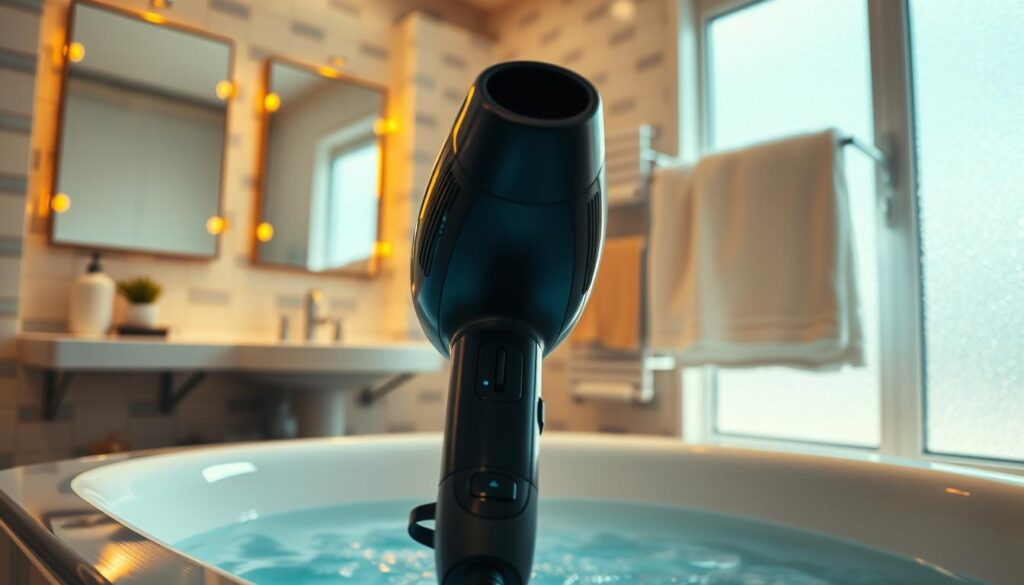
Injuries happen when a dryer falls into a tub, gets touched with wet hands, or gets splashed. This can lead to electric shock, heart problems, or burns.
Stories and safety records tell of serious accidents with hair dryers. Brands like Dyson and Revlon warn after incidents. This shows why being careful with hair dryers is crucial.
Always unplug the dryer before moving it to avoid risks. Keep it away from water, and don’t use it with wet hands.
Use GFCI outlets and keep dryers on hooks or dry spots. Check wires for damage and get repairs from places like Dyson or Revlon.
Try using microfiber towels, air-dry products, or low-heat dryers with safety features. Choose devices designed to minimize risks but check their ratings for water resistance.
Salon visits also avoid risks. Other tools like diffusers can be safe and offer various styles while keeping safety in mind.
| Risk Scenario | Safe Action | Better Alternative |
|---|---|---|
| Dryer falls into tub | Never use near tub; keep unplugged when not in use | Towel-dry and air-dry products |
| Wet hands handling plugged-in unit | Always unplug before touching; use GFCI outlets | Battery or low-voltage dryers with IP rating |
| Sink splash reaches device | Mount on wall hooks away from sink; stable dry surface | Microfiber turban and salon services |
| Damaged cord or plug | Stop use; repair at authorized service center | Replace with models from reputable brands with safety features |
| Want modern features | Choose models with auto shutoff and safety certifications | Look for innovative bathroom technology and best bathroom appliances lists |
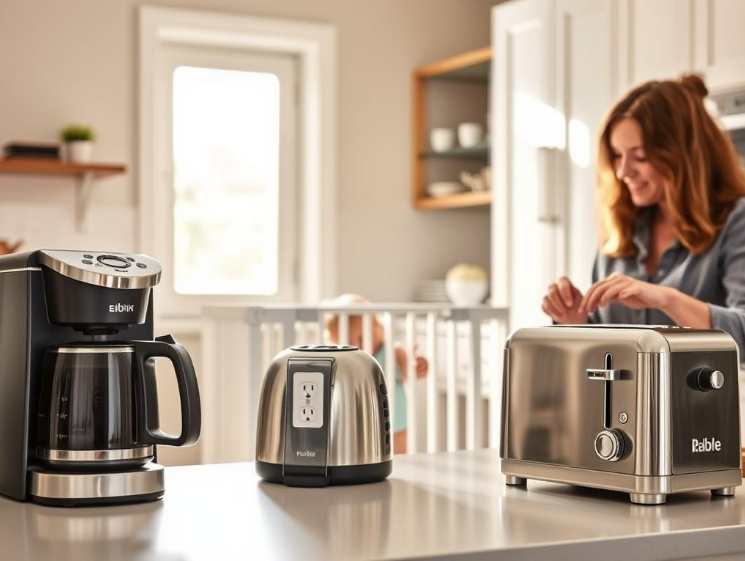
Kitchens can be tricky spaces for appliances. Spills and steam are common here. When thinking about devices for these areas, people often weigh the risks of using them in the bathroom versus the kitchen. This guide will show you how to keep things safe without giving up convenience.
Appliances like Vitamix or Ninja blenders and KitchenAid mixers often sit next to sinks. Food processors and coffee makers also face water risks daily. Splashes and spills can damage them. Be cautious with cords and hot liquids to avoid danger.
Dishwashers and garbage disposals have their own risks. Water getting inside can lead to electrical issues or even shocks. It’s best to handle these with care, remembering they are both water and electrical devices.
It’s smart to keep appliances away from water sources. Manufacturers offer advice on safe distances to help avoid water damage. Keep heavier appliances on stable surfaces to prevent accidents.
When planning your kitchen, think about outlet placement carefully. Avoid putting outlets too close to water. Arranging your kitchen to keep certain items away from water can also help keep things safe.
Always unplug appliances before cleaning them. If it’s not waterproof, keep it away from water. And handle plugs with dry hands. Stay safe by avoiding overfilled containers with immersion blenders to prevent splashing onto the motor.
Regularly check cords and appliance parts for damage. Follow guidelines for maintenance to ensure safety and warranty coverage. Repair or replace any worn-out parts as needed.
Adding simple safety items, like outlet covers and cord organizers, can make a big difference. They help prevent water from contacting electrical parts and manage cords to keep them safe.
Proper installation makes homes safer, especially with Bathroom and Kitchen Appliances. It stops shocks, fires, and appliances breaking down. This report talks about when to get professional help, common mistakes, and quick checks you can do yourself.
Licensed electricians and authorized installers make sure the job follows safety codes. They install GFCI outlets and make sure circuits match appliance needs. This is crucial for high-end kitchen gadgets.
DIY might work for simpler tasks if you follow the rules and instructions. If you know a bit about electrical and plumbing work, you can try. Yet, for complicated jobs, it’s smarter to hire experts.
Overloading circuits with microwaves and toasters can cause tripping. Outlets without GFCI protection by tubs are dangerous. Loose wires can spark fires. Wrong lights in bathrooms can get water damaged.
Bad installation can ruin appliances and cause shocks. Wrongly grounded devices or incorrect circuit breakers harm expensive kitchen stuff. These errors affect your safety and repair costs.
Old homes or ones just fixed up should get checked by pros. Electricians can make sure everything’s safe and working right. Certified inspectors find issues with grounding or building codes.
You should also look over wires and plugs yourself each month. Test GFCIs and keep track of the checks. Keep all your receipts and guides for repairs. A checklist keeps things safe:
Choosing the right bathroom appliances is about balancing safety, style, and smarts. We aim to guide you in picking reliable and stylish bathroom gear. You’ll learn about the best hair tools, shower speakers, and water-proof lights, with handy tips and brand suggestions.
When picking hair tools, look for features like automatic shutoff, temperature control, and double insulation. Brands like Dyson, ghd, and Revlon often include these safety features and have UL or ETL certifications. Shorter, detachable cords reduce the risk of tripping and water damage. Always check the product manual for bathroom safety tips and voltage requirements.
Keep hair tools away from water. Wall-mounted holders can help manage cords, especially when installed by a professional. Another safe option is heat-resistant drawers. They keep your tools dry and out of water’s reach.
Most Bluetooth speakers with an IPX7 rating can withstand short dips in water. However, speakers with IPX4 or IPX5 ratings are only splash-proof. Avoid using speakers with open charging ports in the shower. And definitely, do not charge them in a wet environment.
For reliable water protection and good sound, go for brands like JBL and Ultimate Ears. Keep your speakers high and dry to prevent accidents. And remember to cover charging ports and follow the battery care instructions. Stay away from charging in wet areas.
Choose lights approved for wet locations by UL or similar for use over tubs or showers. It’s crucial to know the difference between “damp” and “wet” environments. This ensures safety and avoids electrical hazards.
Philips and Lithonia Lighting make LED fixtures suited for bathrooms. Their products are low-heat and long-lasting. Getting professional help for installation ensures everything is sealed and wired correctly. Consider motion sensors or soft night lights to navigate without bright glare.
When you compare bathroom to kitchen appliances, you’ll see differences in safety stamps and where you can put them. Using cutting-edge bathroom tech and stylish appliances can uplift your space. Just make sure to put safety first.
Choosing the right kitchen gear keeps you safe and makes your kitchen work better. You’ll get tips here for both affordable and luxury items. Learn how to choose safe mixers, take good care of your tools, and arrange them wisely near your sink.
Safe mixers and food processors
Get mixers with safety locks that stop them if they’re not set up right. Brands like KitchenAid, Cuisinart, and Breville have these features. They also have sealed motors and bases that won’t slip, lowering the risk of accidents.
It’s smart to buy from well-known brands for reliable support and clear safety information. Remember, some fancy gadgets, like the Vitamix or KitchenAid Professional, might need special electrical setups. Always check their power needs.
Maintaining your appliances for safety
Always unplug gadgets before cleaning. Keep cords and plugs dry. Changing old seals, gaskets, and blades keeps things running smoothly and safely. Clean kettles and swap coffee filters as suggested to prevent buildup that could hide problems.
Go to authorized repair places for trusted brands to keep your warranties valid. If a gadget sounds or feels off, get it checked. Keep a record of all your device upkeep.
Tips for using appliances near sinks
Leave space between appliances and the sink to avoid accidents. Keep cords away from water and don’t put metal things on devices that are plugged in. Put trays under coffee machines to catch any drips.
Always unplug electronics before you clean or move parts. Don’t get the electrical parts wet unless they’re meant to be immersed. Install safe outlets near water and use power strips meant for kitchens.
Practical accessories and setup
Households comparing Bathroom vs. Kitchen Appliances need a clear emergency plan. Wet areas pose unique risks. A compact safety kit and easy steps greatly help when power or appliances fail.
Each kit should have a flashlight with fresh batteries and emergency numbers. Add non-conductive gloves, a simple first-aid kit, and a small fire extinguisher suitable for electrical fires (Class C or ABC).
Also, include a battery-powered GFCI or outlet tester. Note down which kitchen items to unplug during a storm. Place one kit near the kitchen and another by the main bedroom. Ensure everyone knows these locations.
Call 911 if someone is unresponsive after a shock, shows chest pain, has difficulty breathing, or severe burns. Leave the house and call the fire department immediately if you notice sparks, smoke, or a burning smell.
Contact the maker or a licensed electrician if an appliance keeps failing after getting wet. Turn off power at the breaker before handling outlets or appliances. If unsure, ask the utility company or a professional for help.
Never touch someone still touching electricity. Safely cut off the power if possible. Otherwise, use something like a wooden stick to free them from the source.
Then, check if they’re breathing and have a pulse. Start CPR if you know how and it’s needed. Treat any burns with cool water and cover them. Get medical help even for small shocks since heart problems can show up later.
Consider learning CPR and AED use. If possible, keep an AED in larger homes. Knowing about new bathroom tech and emergency readiness lowers risks and keeps everyone safe near water.
| Item | Purpose | Recommended Location |
|---|---|---|
| Flashlight + Batteries | Light during outages | Kitchen kit and bedroom kit |
| Non-conductive Gloves | Safe handling of electrified items | Kitchen kit |
| First-Aid Kit | Treat minor injuries and burns | Both kits |
| Fire Extinguisher (Class C/ABC) | Put out electrical fires | Kitchen area |
| Battery GFCI/Outlet Tester | Check outlet safety after moisture exposure | Kitchen kit |
| Emergency Numbers List | Quick contacts for medical and utility help | Both kits |
| Note on Essential Kitchen Accessories | List items to unplug and keep dry | Kitchen kit |
| CPR/AED Info Card | Basic steps and AED location guidance | Both kits |
Tell your family and friends about the dangers in wet areas to keep them safe. Focus on explaining the risks in bathrooms and kitchens. Show them common hazards and talk about which devices need extra care. This way, everyone can understand safety without feeling overwhelmed.
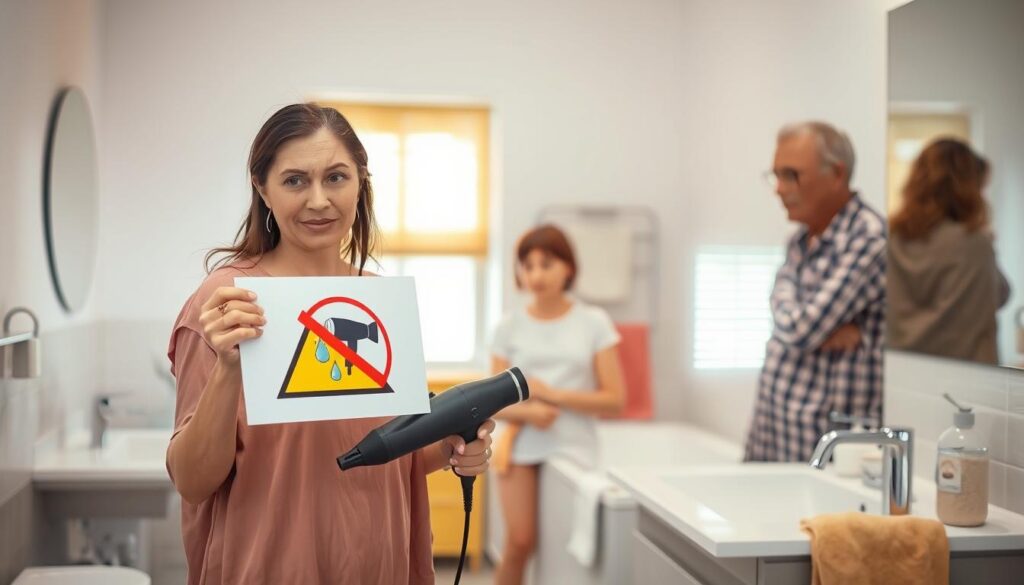
Safety lessons should fit everyone’s age and skill level. Tell young kids that appliances aren’t toys. Remind older people how to use things from brands like Dyson or KitchenAid the right way. Give your guests a quick talk on Bathroom vs. Kitchen Appliances and point out what’s risky.
Set up a short workshop for about 30 to 45 minutes. Start with testing GFCI outlets. Then, check cords for damage, remove lint from dryer vents, and go over what to do if there’s an emergency. Show how to use appliances safely with videos from the makers, and maybe invite a fireman or an electrician.
Add in practice sessions like properly unplugging devices. Also, show how to store gadgets safely in the bathroom and kitchen, and clean things like blenders or coffee makers. By practicing, your family will be more likely to remember these steps.
Put up reminders near outlets and on kitchen cabinets. Use ‘Unplug Before Cleaning’ stickers and write down safety rules for guests and babysitters. Your house rules should say not to charge gadgets in the bathroom, never use devices with wet hands, and always connect to GFCI outlets.
Make a digital folder with safety info from the makers and advice from the U.S. Consumer Product Safety Commission. If we keep reminding each other, being safe will become a habit for all.
Safety and convenience are both important, but they’re not a choice of one over the other. Look for certifications like UL or ETL when shopping. Brands such as Dyson and JBL have great options for your bathroom. KitchenAid and Vitamix are top choices for the kitchen, with clear safety specs.
Reading the small print on appliances can prevent issues later. This is especially true in wet areas of your home.
Before buying, check ratings and ensure outlets are safe. Good appliances come with detailed IP ratings and electrical info. GFCI outlets and the right fixtures make bathrooms and kitchens safer without giving up style or power.
Focusing on safety leads to fewer accidents and saves money on repairs. Installing everything correctly can also lower insurance costs and raise your home’s value. The best part? Your family will feel safe in every room.
Use outlets with GFCI protection. Keep appliances like hair dryers away from water. Pick the right devices and keep them in good shape with regular checks.
To ensure safety, hire experts for big installs, have an emergency plan, and teach everyone at home. This week, check your GFCIs and all electrical connections. If needed, call the pros to make your spaces safer.