Our Location
1250 Beacon Street
Brookline, MA 02446
Reduce appliance fire risk with essential safety tips for daily use of small kitchen and household devices to protect your home and family.
Did you know that small appliances cause over 3,000 home fires annually in the United States? These seemingly harmless devices can quickly become dangerous when not used with proper fire safety tips and attention.
Reducing appliance fire risk requires understanding the potential hazards hidden in everyday household electronics. From coffee makers to hair dryers, each device demands specific safety protocols to prevent unexpected electrical fires.
This guide will walk you through comprehensive household fire prevention strategies. You’ll learn critical techniques to protect your home, identify potential electrical risks, and implement proactive safety measures that can save lives.
Understanding how to safely operate and maintain small appliances is not just about preventing property damage—it’s about safeguarding your family from potential life-threatening situations. By following expert recommendations and staying informed, you can significantly minimize fire risks in your home.
Our detailed exploration will cover essential safety practices across different appliance categories, helping you create a safer living environment through simple yet effective precautions.
Electrical appliance risk lurks in many homes, often unnoticed until a dangerous situation develops. Every year, thousands of household fires originate from seemingly harmless devices we use daily. Understanding these hidden hazards is crucial to reduce appliance fire risk and protect your home and family.
Small appliances can become potential fire sources through several unexpected mechanisms:
The fire triangle concept explains how appliances can create dangerous conditions. This triangle requires three elements: heat, fuel, and oxygen. Many household devices inadvertently provide all three, increasing potential fire risks.
| Appliance Type | Potential Fire Risk | Prevention Strategy |
|---|---|---|
| Toasters | Crumb accumulation | Regular cleaning, proper placement |
| Space Heaters | Overheating | Clear surrounding area, automatic shutoff |
| Blenders | Motor overload | Avoid prolonged use, check cord condition |
Aged appliances present higher electrical appliance risk as internal components weaken. Insulation deteriorates, connections become loose, and wear increases the potential for electrical failures. Investing in certified, quality appliances and maintaining them properly can significantly reduce appliance fire risk.
Remember: Prevention is always safer and less expensive than dealing with a potential fire aftermath.
The kitchen represents a critical zone for kitchen fire safety, where multiple electrical appliances operate simultaneously. Preventing electrical fires requires vigilant attention and understanding of potential risks associated with daily cooking equipment.
Modern kitchens are filled with small appliances that can potentially trigger electrical fires if not used correctly. Implementing strategic safety practices helps protect your home and family from unexpected dangers.
Toasters and toaster ovens demand careful handling to prevent kitchen fire risks. Follow these critical guidelines:
Microwaves can become potential fire hazards when misused. Implement these safety recommendations:
Electric beverage appliances require specific safety considerations to prevent electrical fires:
| Appliance | Safety Practice |
|---|---|
| Coffee Maker | Ensure automatic shut-off feature works |
| Electric Kettle | Maintain proper water levels |
| Both Appliances | Place on stable, heat-resistant surfaces |
“Prevention is always better than cure when it comes to kitchen fire safety.” – Fire Safety Expert
Regular maintenance and attentive usage are key to preventing potential electrical fires in your kitchen environment.
Dryer fires pose a significant threat to home safety, with thousands of incidents occurring annually in the United States. Effective dryer fire prevention requires consistent home appliance maintenance and vigilant care.
Understanding the primary risks is crucial for protecting your home. Lint accumulation represents the most dangerous fire hazard in dryer systems. Homeowners can dramatically reduce fire risks by implementing simple maintenance practices.
Warning signs of potential dryer fire risks include:
Proper home appliance maintenance involves using rigid metal venting and ensuring adequate airflow around the dryer. Never dry items contaminated with flammable substances like gasoline or cooking oils, as these significantly increase fire risks.
Consistent maintenance is your best defense against potential dryer-related fires.
By following these dryer fire prevention strategies, homeowners can protect their property and loved ones from unnecessary risks associated with poor appliance maintenance.
Protecting your home from electrical hazards requires proactive appliance safety checks. Electrical problems can develop silently, creating potential fire risks that often go unnoticed until serious damage occurs. Regular inspections serve as a critical defense mechanism against unexpected electrical incidents.
Electrical hazard protection starts with understanding the warning signs and performing systematic safety evaluations. Homeowners can significantly reduce fire risks by implementing consistent monitoring techniques.
Power cord examination is a fundamental aspect of appliance safety checks. Look for these critical indicators of potential electrical risks:
Detecting early indicators of electrical problems can prevent potential fire risks. Pay attention to these sensory warning signals:
Understanding appliance lifecycle helps maintain electrical safety. Consider replacement when devices exhibit persistent issues or reach advanced age.
| Appliance Type | Average Lifespan | Replacement Recommendation |
|---|---|---|
| Toaster | 5-7 years | Replace if visible damage or inconsistent performance |
| Coffee Maker | 4-5 years | Replace when heating elements become unreliable |
| Microwave | 7-10 years | Replace if door seal compromised or sparking occurs |
Proactive maintenance and regular electrical hazard protection checks can dramatically reduce the risk of home fires and ensure appliance longevity.
Reducing appliance fire risk starts with understanding the critical role of proper ventilation for heat-generating devices. Electrical fires often begin when appliances cannot dissipate heat effectively, creating dangerous conditions in your home.
Proper ventilation is essential for preventing potential fire hazards. Heat-generating appliances require specific clearance to function safely and efficiently. Homeowners should follow these key guidelines to prevent electrical fires:
Kitchen and living spaces present unique challenges for appliance ventilation. Heat-generating devices such as coffee makers, toaster ovens, and space heaters need dedicated space to release accumulated warmth. Cramped or enclosed spaces dramatically increase the risk of overheating and potential fire incidents.
Manufacturers provide specific ventilation recommendations in user manuals. These guidelines are not suggestions but critical safety instructions designed to reduce appliance fire risk. Ignoring these recommendations can lead to:
Regular inspection of your appliances’ ventilation areas can significantly minimize fire risks. Keep devices clean, ensure proper airflow, and replace any appliances with damaged ventilation components to maintain a safe home environment.
Protecting your home from potential electrical hazards requires more than occasional attention. Home appliance maintenance is a critical strategy for preventing unexpected breakdowns and reducing fire risks. Regular appliance safety checks can save you money and protect your family from potential dangerous situations.
Developing a systematic approach to home appliance maintenance ensures that potential issues are detected early and addressed promptly. Proactive care helps extend the lifespan of your devices while minimizing safety risks.
A comprehensive monthly checklist for home appliance maintenance should include several key inspection points:
While DIY maintenance is crucial, professional appliance safety checks provide an additional layer of protection. Consider scheduling annual electrical system inspections, especially for older homes or properties with multiple high-power appliances.
| Appliance Type | Recommended Professional Inspection Frequency |
|---|---|
| Large Kitchen Appliances | Every 2 years |
| HVAC Systems | Annually |
| Electrical Panel | Every 3-5 years |
Remember, investing in regular home appliance maintenance is investing in your family’s safety and your home’s long-term functionality.
Bathrooms present unique challenges for electrical hazard protection. The combination of water and electrical devices creates a potentially dangerous environment that requires careful attention to prevent electrical fires and potential electrocution risks.
Understanding the critical safety measures can significantly reduce the risk of electrical accidents in personal care spaces. Electrical fires often start in areas with high moisture, making bathrooms a prime location for potential hazards.
Hair styling tools like hair dryers and curling irons require special attention. Modern devices include safety features that help prevent electrical hazards, but users must still exercise caution. Always ensure these devices are completely cool before storing and never leave them plugged in near water sources.
Proper storage of bathroom electrical appliances is crucial for electrical hazard protection. Store devices in dry cabinets, away from sinks and showers. Avoid wrapping cords tightly around hot tools, as this can damage protective insulation and increase fire risks.
Safety is not an accident – it’s a conscious choice in preventing electrical fires.
Regular inspection of bathroom electrical systems can help identify potential risks before they become serious problems. Check cords for fraying, ensure outlets are not overloaded, and consider professional electrical safety assessments for older homes.
Space heaters are convenient for providing extra warmth, but they pose significant fire risks if not used carefully. Fire safety tips for household fire prevention are crucial when operating these portable heating devices. Understanding the right usage can help protect your home and family from potential accidents.
Modern space heaters come equipped with advanced safety features, but users must still exercise caution. Proper placement and usage are key elements in preventing potential fire hazards.
Advanced safety mechanisms are critical for household fire prevention. Look for heaters with the following protection features:
| Safety Feature | Protection Function |
|---|---|
| Tip-Over Switch | Automatically shuts off if heater falls |
| Overheat Protection | Prevents internal components from reaching dangerous temperatures |
| Programmable Thermostat | Cycles heater on/off to maintain safe temperature |
“Safety should always be your primary concern when using portable heating devices.” – Fire Safety Experts
Regular testing of safety features and immediate replacement of malfunctioning heaters are essential steps in maintaining a safe home environment.
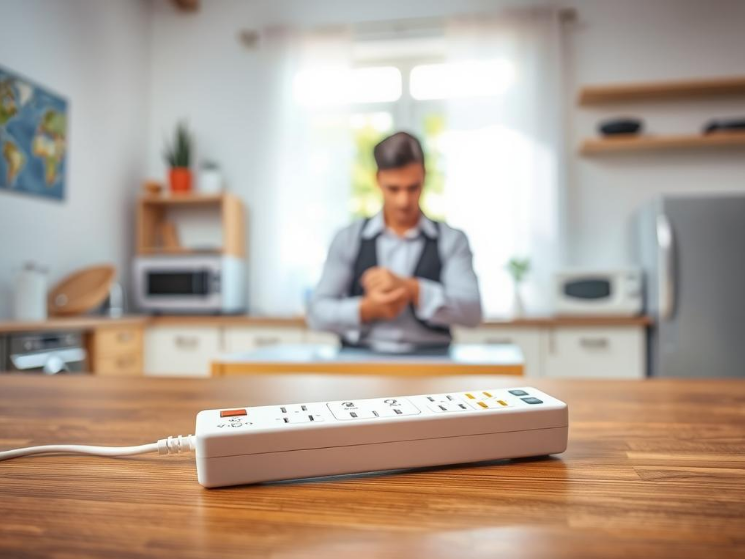
Extension cords and power strips might seem convenient, but they can pose serious risks for electrical hazard protection if not used correctly. Preventing electrical fires starts with understanding the proper use of these electrical accessories.
Most homeowners don’t realize that extension cords should only be temporary solutions. Heat-generating appliances like space heaters and toasters should always be plugged directly into wall outlets to minimize fire risks.
Warning signs of potential electrical hazards include:
Surge protectors offer critical protection for sensitive electronics. Replace them every few years to ensure continued electrical hazard protection and help prevent electrical fires in your home.
Safe electrical practices are your first line of defense against potential home fire risks.
Protecting your home from potential fire hazards extends beyond active appliance use. Proper storage and management of electrical devices play a crucial role in household fire prevention. Many homeowners overlook the risks associated with improperly stored appliances, which can significantly increase the potential for electrical fires.
Reducing appliance fire risk requires careful attention to how and where you store your electrical devices. The following guidelines will help you maintain a safer home environment.
Many small appliances continue to draw electrical current even when turned off, creating potential fire hazards. To minimize risks:
Implementing proper storage methods is key to household fire prevention. Consider these essential practices:
| Appliance Type | Storage Recommendation | Fire Prevention Tips |
|---|---|---|
| Kitchen Appliances | Clean and dry before storage | Unplug when not in use |
| Personal Care Devices | Store in cool, dry place | Check cord condition regularly |
| Seasonal Appliances | Use original packaging | Inspect before first use |
Pro tip: Periodic inspection of stored appliances can help identify potential electrical hazards before they become serious problems.
Fire safety tips are crucial for protecting your home and family from potential appliance-related fire emergencies. While prevention remains the best strategy, understanding how to respond quickly can save lives during unexpected incidents.
Personal safety always comes first when dealing with kitchen fire safety. If an appliance fire breaks out, follow these critical guidelines:
For small contained fires, use the PASS technique with fire extinguishers:
Different appliances require specific fire safety approaches. Grease fires should never be doused with water. Electrical fires demand Class C extinguishers. Microwave fires require keeping the door closed to limit oxygen.
Remember: When in doubt, evacuate and call 911 immediately.
Develop a comprehensive home fire escape plan that includes:
Your quick thinking and preparedness can make a critical difference during an appliance-related fire emergency.
Reducing appliance fire risk is not about perfection but developing smart safety habits. Every home contains potential fire hazards, yet strategic awareness can dramatically minimize these dangers. By understanding the specific risks associated with different appliances and implementing consistent maintenance practices, families can protect their living spaces effectively.
Household fire prevention requires a proactive approach. Readers should start with high-risk devices like kitchen appliances, space heaters, and electrical equipment. Small steps such as regular cord inspections, maintaining clear surroundings, and addressing warning signs can prevent catastrophic incidents. Learning to recognize potential electrical hazards becomes a critical skill in safeguarding your home environment.
Education plays a crucial role in appliance safety. Sharing knowledge with family members, especially children, creates a collective understanding of fire prevention strategies. Each household member should know emergency procedures and recognize the importance of unplugging devices, maintaining appropriate clearances, and responding quickly to unusual appliance behaviors.
Ultimately, preventing appliance-related fires is an ongoing commitment. By integrating the strategies discussed throughout this article, homeowners transform potential risks into manageable safety practices. Remember that most fire incidents are preventable through knowledge, vigilance, and consistent application of safety principles. Your dedication to understanding and implementing these guidelines represents a powerful investment in protecting your home and loved ones.
You should conduct a monthly safety check on all household appliances. Inspect power cords for fraying or damage, check for unusual sounds or smells, clean lint and crumb filters, and ensure proper ventilation. For high-risk appliances like space heaters and dryers, consider more frequent inspections, especially during heavy usage seasons.
The most frequent causes include damaged electrical cords, accumulated lint and debris, overloaded electrical outlets, improper ventilation, using appliances near flammable materials, and operating older or malfunctioning devices. Specifically, dryers, space heaters, and kitchen appliances are the most common sources of electrical fires.
Extension cords should only be used temporarily and with caution. High-wattage appliances like space heaters, toasters, and hair dryers should be plugged directly into wall outlets. Never daisy-chain extension cords, and avoid running them under rugs or furniture where heat can build up and damage the cord.
Watch for warning signs such as unusual burning smells, strange noises, excessive heat, sparking, frequent circuit breaker trips, visible cord damage, or performance issues. If an appliance shows any of these symptoms, unplug it immediately and have it inspected or replaced.
Never leave heat-generating appliances unattended while in use. Always clean crumb trays, ensure proper ventilation, keep appliances away from flammable materials, and unplug them when not in use. This is especially critical for toasters, toaster ovens, and coffee makers.
The lifespan varies by appliance, but generally, replace devices every 5-10 years or sooner if they show signs of wear, damage, or reduced performance. Pay special attention to appliances with heating elements, as these are more prone to electrical failures over time.
Keep a Class C fire extinguisher for electrical fires and a Class K extinguisher for kitchen fires involving cooking oils. Ensure all household members know how to use the extinguisher and always prioritize personal safety – evacuate immediately if the fire cannot be quickly controlled.
Yes, GFCI outlets are crucial, especially in areas with water exposure like kitchens and bathrooms. They prevent electrical shock and can help prevent fires by shutting off power when they detect current imbalances. If your home lacks GFCI outlets, consider having an electrician install them in high-risk areas.