Our Location
1250 Beacon Street
Brookline, MA 02446
Discover the key differences in frost-free vs manual defrost freezer models to choose the right appliance for your home's storage needs and energy efficiency.
Did you know that the average American household spends nearly $2,000 on refrigeration appliances over a decade? Choosing between frost-free vs manual defrost freezer models can significantly impact this investment. The freezer defrosting methods you select will influence everything from energy efficiency to food preservation quality.
Freezer technology has transformed dramatically in recent years. Homeowners now face a critical decision: opt for a convenient frost-free model or stick with traditional manual defrost freezers. Each approach offers unique advantages that can dramatically affect your kitchen’s functionality and long-term operating costs.
Understanding the nuanced differences between these freezer types is crucial. Your choice will impact food storage, energy consumption, maintenance requirements, and overall kitchen performance. This comprehensive guide will walk you through the critical considerations to help you make an informed decision that perfectly matches your household’s specific needs.
From budget constraints to lifestyle preferences, selecting the right freezer is more complex than most consumers realize. We’ll explore the pros and cons of each freezer defrosting method, ensuring you have all the information needed to make a smart, cost-effective choice.
Choosing the right freezer can be a challenging task for many homeowners. Modern refrigeration technology offers two primary freezer types: frost-free and manual defrost models. Understanding their unique characteristics helps consumers make informed purchasing decisions.
A self-defrosting freezer, commonly known as a frost-free freezer, uses advanced cooling technology to prevent ice buildup. These automatic defrost freezer systems incorporate special heating elements and fans that periodically warm the internal compartment, preventing frost accumulation.
Manual defrost freezers represent a traditional refrigeration approach. These units maintain a constant cold temperature without automatic defrosting mechanisms. Users must manually disconnect the appliance, remove food items, and allow accumulated frost to melt naturally.
| Feature | Frost-Free Freezer | Manual Defrost Freezer |
|---|---|---|
| Defrosting Process | Automatic | Manual intervention required |
| Maintenance | Minimal | Regular defrosting needed |
| Energy Efficiency | Moderate | Higher potential efficiency |
The self-defrosting freezer comparison reveals distinct operational characteristics. Automatic defrost freezer benefits include reduced maintenance and consistent temperature regulation, making them attractive for busy households seeking convenience.
Automatic defrost freezer benefits have revolutionized home food storage, offering consumers a range of impressive advantages. Modern frost-free freezers provide unparalleled convenience and efficiency for households seeking smart kitchen solutions.
Frost-free freezers eliminate the tedious task of manual defrosting. Homeowners can now enjoy a hassle-free experience with automatic defrost freezer benefits that save time and reduce maintenance effort.
Contemporary frost-free freezers have made significant strides in energy conservation. Energy Star certified models now offer exceptional performance while minimizing electricity consumption.
Automatic defrost freezer benefits extend to superior food preservation. Consistent air circulation maintains uniform temperatures, protecting food quality and preventing freezer burn.
Modern frost-free technology ensures your frozen foods remain fresh and perfectly preserved.
These innovative freezers provide more usable storage space by preventing large ice formations, making them an ideal choice for families seeking efficient kitchen appliances.
While frost-free freezers offer convenience, they come with several drawbacks that consumers should carefully consider. Understanding these potential limitations helps make a more informed purchasing decision for upright freezer defrost options.
Frost-free freezers typically require a significant upfront investment. The advanced technology behind these units drives prices up by $100-$300 compared to manual defrost models. This additional expense stems from complex components like:
The constant air movement in frost-free freezers can create unexpected challenges for food preservation. Circulating air tends to draw moisture from exposed food surfaces, potentially leading to:
Frost-free freezers generate more operational noise compared to manual defrost units. The fans and compressors required for automatic defrosting create a consistent background hum that might be problematic in open living spaces.
“Not all convenience comes without compromise” – Appliance Design Experts
Consumers weighing upright freezer defrost options should balance these potential drawbacks against the convenience of automatic defrosting technology.
Manual defrost freezers offer unique benefits that appeal to budget-conscious consumers and those seeking reliable food storage solutions. These appliances provide distinct advantages that make them an attractive option for many households.
One of the most compelling advantages of manual defrost freezers is their affordable upfront cost. Consumers can save significant money when choosing these models, with prices typically 20-30% lower than frost-free alternatives. This manual defrost freezer efficiency translates into immediate financial savings for budget-minded shoppers.
Manual defrost freezers feature a straightforward mechanical design with fewer complex components. This simplicity means less potential for mechanical failures and reduces long-term maintenance costs. Many manual defrost models can operate reliably for 15-20 years with proper care.
“Simple designs often provide the most dependable performance.” – Home Appliance Experts
Manual defrost freezer efficiency shines through its ability to maintain consistently stable temperatures. Without automatic defrosting cycles, these freezers provide a more uniform cold environment. This stability is particularly crucial for preserving meats, prepared meals, and other temperature-sensitive foods.
Serious food preservers and hunters often prefer manual defrost freezers for their superior temperature management and reliability.
Manual defrost freezers come with significant challenges that can impact your kitchen efficiency and food storage experience. While they offer some benefits, these appliances require careful consideration before purchasing.
Freezer frost removal becomes a critical maintenance task with manual defrost models. Homeowners must perform comprehensive defrosting every 6-12 months, depending on usage patterns. Neglecting this process can lead to several problems:
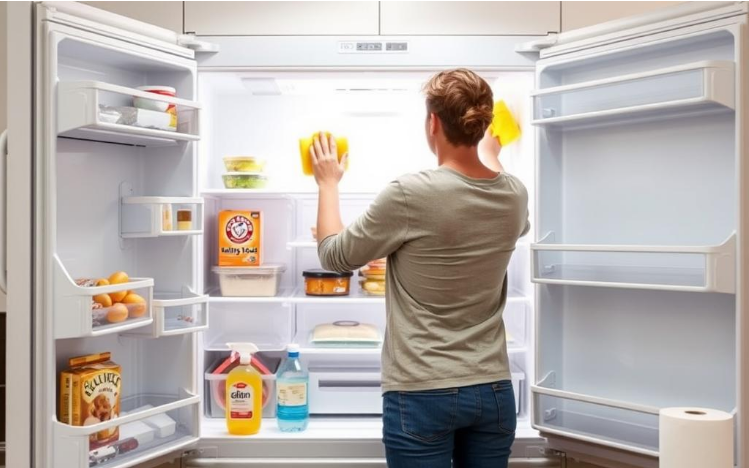
The freezer frost removal process is intricate and demands significant time investment. Typical defrosting steps include:
“Defrosting a manual freezer can take up to 24 hours from start to finish, representing a substantial inconvenience for busy households.”
Manual defrost freezers often struggle with storage organization. Ice buildup gradually reduces usable interior space, making food management more challenging. Chest-style manual models typically lack sophisticated shelving systems, complicating meal planning and food storage strategies.
The consistent need for freezer frost removal means periodic disruption to your food storage routine, which can be problematic for families relying heavily on frozen food supplies.
Understanding the energy consumption of different freezer types is crucial for making an informed purchasing decision. The energy efficiency of freezers can significantly impact your household’s electricity bills and overall environmental footprint.
Frost-free freezers typically consume more electricity compared to manual defrost models. These units use additional energy for their automatic defrosting cycles and continuous fan operation. Modern Energy Star certified models have significantly improved their energy efficiency through:
Manual defrost freezers maintain an edge in energy consumption efficiency. Their simpler design allows for more consistent temperature maintenance without frequent warming cycles. Proper maintenance is key to maximizing their energy-saving potential.
| Freezer Type | Average Annual Energy Consumption | Estimated Annual Cost |
|---|---|---|
| Frost-Free Freezer | 350-700 kWh | $42-$84 |
| Manual Defrost Freezer | 250-500 kWh | $30-$60 |
When evaluating energy consumption freezer types, consider the total cost of ownership. While manual defrost freezers typically cost less to operate, frost-free models offer convenience that might justify the additional energy expense for many households.
Pro tip: Always check the EnergyGuide label for precise energy consumption details when comparing specific freezer models.
Protecting frozen food quality requires understanding how different freezer types impact preservation. Freezer frost removal plays a crucial role in maintaining food integrity and preventing quality degradation.
Frost-free freezers can accelerate moisture loss through constant air circulation. This process increases the risk of freezer burn, which damages food texture and flavor. To minimize this issue, users should:
Manual defrost freezers offer unique advantages for food preservation. The stable, still-air environment reduces moisture loss and minimizes freezer burn risks. Serious food preservationists often prefer manual defrost units for long-term storage.
Effective freezer frost removal and food storage depend on several key strategies:
| Food Category | Recommended Storage Duration |
|---|---|
| Meat | 4-12 months |
| Vegetables | 8-12 months |
| Prepared Meals | 2-6 months |
Understanding freezer frost removal techniques helps consumers maximize food quality, preserve nutritional value, and reduce waste across different freezer types.
Selecting the perfect freezer involves carefully evaluating your specific household requirements. The right choice can save you money, time, and storage space while ensuring optimal food preservation.
Your cooking style plays a crucial role in freezer selection. Different freezer types cater to various culinary approaches:
Freezer choice depends on your household dynamics and available space. Larger families typically require more storage, while smaller households need compact solutions.
| Household Size | Recommended Freezer Type | Storage Capacity |
|---|---|---|
| 1-2 People | Compact Upright | 5-9 cubic feet |
| 3-5 People | Medium Chest Freezer | 10-15 cubic feet |
| 6+ People | Large Chest or Multiple Units | 16+ cubic feet |
Balancing initial cost with long-term value is essential. Upright freezer defrost options might have higher upfront expenses but offer convenience, while chest freezer defrosting models provide cost-effective storage solutions.
“Invest in a freezer that matches your lifestyle, not just your budget.” – Home Appliance Expert
Consider total ownership costs, including energy efficiency, maintenance, and time investment when making your final decision.
Proper freezer maintenance defrosting is crucial for extending the lifespan and efficiency of your appliance. Whether you own a frost-free or manual defrost freezer, understanding the right care techniques can save you money and prevent potential breakdowns.
Frost-free freezers require specific maintenance to keep them running smoothly. Key steps include:
Manual defrost freezers demand a more hands-on approach to freezer maintenance defrosting. Follow these essential guidelines:
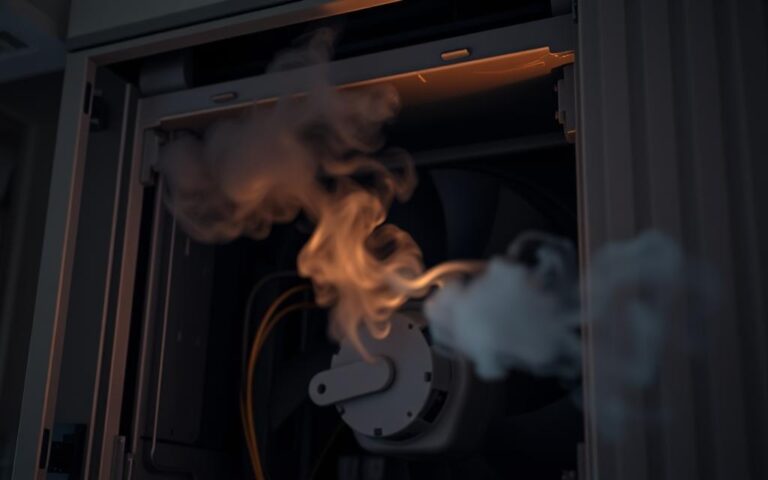
Recognize potential problems early to prevent costly repairs:
*Pro Tip*: Regular maintenance can extend your freezer’s life by up to 50% and improve its energy efficiency.
The landscape of freezer technology continues to evolve rapidly, with manufacturers pushing boundaries in the self-defrosting freezer comparison. Emerging innovations are transforming how consumers interact with and maintain their cooling appliances, blending cutting-edge technology with practical functionality.
Smart technology is revolutionizing freezer design, introducing features that go beyond traditional cooling methods. Wi-Fi-enabled freezers from brands like Samsung and LG now offer smartphone connectivity, allowing users to monitor temperature, receive alerts about potential issues, and track energy consumption in real-time. These advancements address many previous limitations in the self-defrosting freezer comparison.
Eco-friendly solutions are becoming a primary focus for refrigeration engineers. Manufacturers are developing more energy-efficient compressors and exploring sustainable refrigerant options that significantly reduce environmental impact. Improved insulation technologies and advanced sensor systems enable freezers to optimize energy usage while maintaining precise temperature control.
The future of freezer technology looks promising, with integrated smart home capabilities and sustainability at the forefront. Consumers can expect increasingly intelligent appliances that not only preserve food more effectively but also provide unprecedented levels of convenience and energy efficiency.
Frost-free freezers automatically prevent ice buildup by periodically warming the internal coils and circulating air, while manual defrost freezers require you to manually unplug, empty, and melt accumulated ice every 6-12 months.
Traditionally, manual defrost freezers were more energy-efficient. However, modern Energy Star certified frost-free models have significantly improved, narrowing the energy consumption gap with advanced insulation and compressor technologies.
Typically, manual defrost freezers require defrosting every 6-12 months, depending on usage, humidity levels, and how frequently the door is opened. The process can take 8-24 hours and involves completely emptying and melting accumulated ice.
Yes, frost-free freezers usually cost $100-$300 more than manual defrost models due to additional components like fans, heating elements, and more complex temperature control systems.
Manual defrost freezers often provide better long-term food preservation due to more consistent temperatures and less air circulation, which helps reduce freezer burn and maintain food quality over extended periods.
Yes, the constant air circulation in frost-free freezers can accelerate moisture loss from improperly sealed foods, leading to freezer burn. Proper packaging like vacuum-sealing can help minimize this issue.
While they don’t need manual defrosting, frost-free freezers still require routine maintenance like cleaning door seals, vacuuming condenser coils, checking drain holes, and ensuring proper air circulation.
Chest freezers are more commonly manual defrost, while upright freezers tend to feature frost-free technology. Chest freezers often prioritize energy efficiency and storage capacity over convenience.
Consider your lifestyle, cooking habits, available time for maintenance, budget, and storage needs. Frost-free is more convenient but costlier, while manual defrost offers better efficiency and lower upfront costs.
Current trends include smart features like Wi-Fi connectivity, smartphone apps for monitoring, improved energy efficiency, dual-zone temperature controls, and eco-friendly refrigerants in both frost-free and manual defrost models.